Advertisement
Front door latch mechanisms are critical for vehicle security, occupant safety, and daily convenience. Yet, corrosion remains their most persistent enemy, threatening proper function and long-term reliability. Preventing rust and environmental damage to your door latch not only preserves smooth operation but also upholds the safety standards set by modern automotive engineering. This guide delivers expert, actionable advice on stopping corrosion before it starts—ensuring your vehicle’s Front Door Latch Systems: Security, Safety, and Precision Engineering remain robust for years to come.
Why Door Latch Corrosion Demands Immediate Attention
When corrosion infiltrates a door latch mechanism, the consequences go beyond mere inconvenience. Rusted latches can stick, fail to engage, or even jam shut, compromising both the security of your vehicle and the safety of its occupants. The National Highway Traffic Safety Administration (NHTSA) regularly issues recalls for latch failures, many of which are linked to corrosion or environmental exposure. Left unchecked, a corroded latch can escalate from a minor annoyance to a major safety hazard, potentially leaving you locked out—or worse, unable to secure the door while driving.
The Hidden Problem: Environmental Assault on Door Latch Mechanisms
Corrosion isn’t a random occurrence; it’s the result of a relentless assault by moisture, road salts, and airborne contaminants. Door latch mechanisms, typically housed inside the door panel but still exposed to the elements through window seals and drain holes, are especially vulnerable. Even with modern protective coatings, repeated cycles of wetting and drying, exposure to de-icing chemicals, and fluctuating temperatures can break down defenses over time.
While newer vehicles employ advanced materials and coatings, no latch mechanism is completely immune. Corrosion can develop silently, hidden from view, until symptoms such as sticking, grinding, or total failure emerge. This hidden progression makes proactive prevention, regular inspection, and timely intervention essential.
Understanding Door Latch Construction and Corrosion Pathways
To effectively prevent corrosion, it helps to understand the basic construction of a typical front door latch:
- Material Composition: Most latches are made from stamped steel or zinc-plated alloys, sometimes with plastic or composite components for noise reduction and weight savings.
- Protective Coatings: Manufacturers apply anti-corrosion finishes such as electroplating, galvanization, or specialized paints. However, these coatings can be compromised by abrasion, moisture ingress, or chemical exposure.
- Lubrication: Factory-applied greases provide both friction reduction and a barrier against moisture, but these degrade with time and repeated use.
- Exposure Points: Drain holes, window channels, and even the actuation rods present routes for water and contaminants to reach the latch.
Understanding these pathways is critical for targeted preventive measures.
Early Warning Signs: Diagnosing Corrosion Before It’s Too Late
Catching corrosion early is the difference between a simple cleaning and a costly replacement. Watch for these telltale signs:
- Stiff or Sticky Operation: Increased resistance when opening or closing the door may indicate internal rust buildup.
- Grinding or Crunching Sounds: Audible friction or scraping noises point to metal-on-metal corrosion.
- Intermittent Latching/Unlatching: If the door sometimes fails to latch or requires extra force, corrosion may be interfering with the latch pawl or actuator.
- Visible Rust Stains: Rust streaks near the latch area or inside the door panel suggest internal corrosion.
- Water Intrusion: Dampness inside the door panel after rain or car washes accelerates rust formation.
If any of these symptoms appear, immediate inspection is warranted. For a comprehensive diagnostic process, refer to our Diagnosing Door Latch Failures: Step-by-Step Guide.
The Science of Corrosion: Why Door Latches Are Vulnerable
Corrosion is an electrochemical process where metals react with oxygen and moisture, forming oxides (rust). Several factors make door latches particularly vulnerable:
Advertisement
- Frequent Wetting and Drying: Every rainfall, car wash, or snow melt introduces water into the door cavity.
- Salt and Chemical Exposure: In colder climates, road salt and de-icing agents are highly corrosive, accelerating rust formation.
- Temperature Fluctuations: Expansion and contraction from temperature swings can crack protective coatings, exposing bare metal.
- Mechanical Wear: The constant movement of the latch can wear away factory greases and coatings, especially if misaligned or poorly lubricated.
According to the United States Department of Energy, advanced materials and coatings are increasingly used to combat such issues, but maintenance remains key for long-term durability (DOE Materials Technologies).
Comprehensive Prevention: Maintenance Routines That Protect Latch Mechanisms
Preventing corrosion is a multi-step process requiring both routine maintenance and periodic deep-cleaning. Here’s how to build a robust anti-corrosion regimen:
1. Regular Inspection
- Frequency: Inspect door latches at least twice a year—ideally before and after winter.
- Access: Remove the door panel to visually inspect the latch, rods, and internal surfaces.
- Check for Moisture: Look for signs of water pooling or damp insulation.
2. Cleaning
- Remove Debris: Use compressed air or a soft brush to clear dust, grit, and road salt from the latch assembly.
- Solvent Wash: For stubborn grime or old grease, use a non-corrosive automotive cleaner. Avoid water-based products that could promote rust if not fully dried.
3. Lubrication
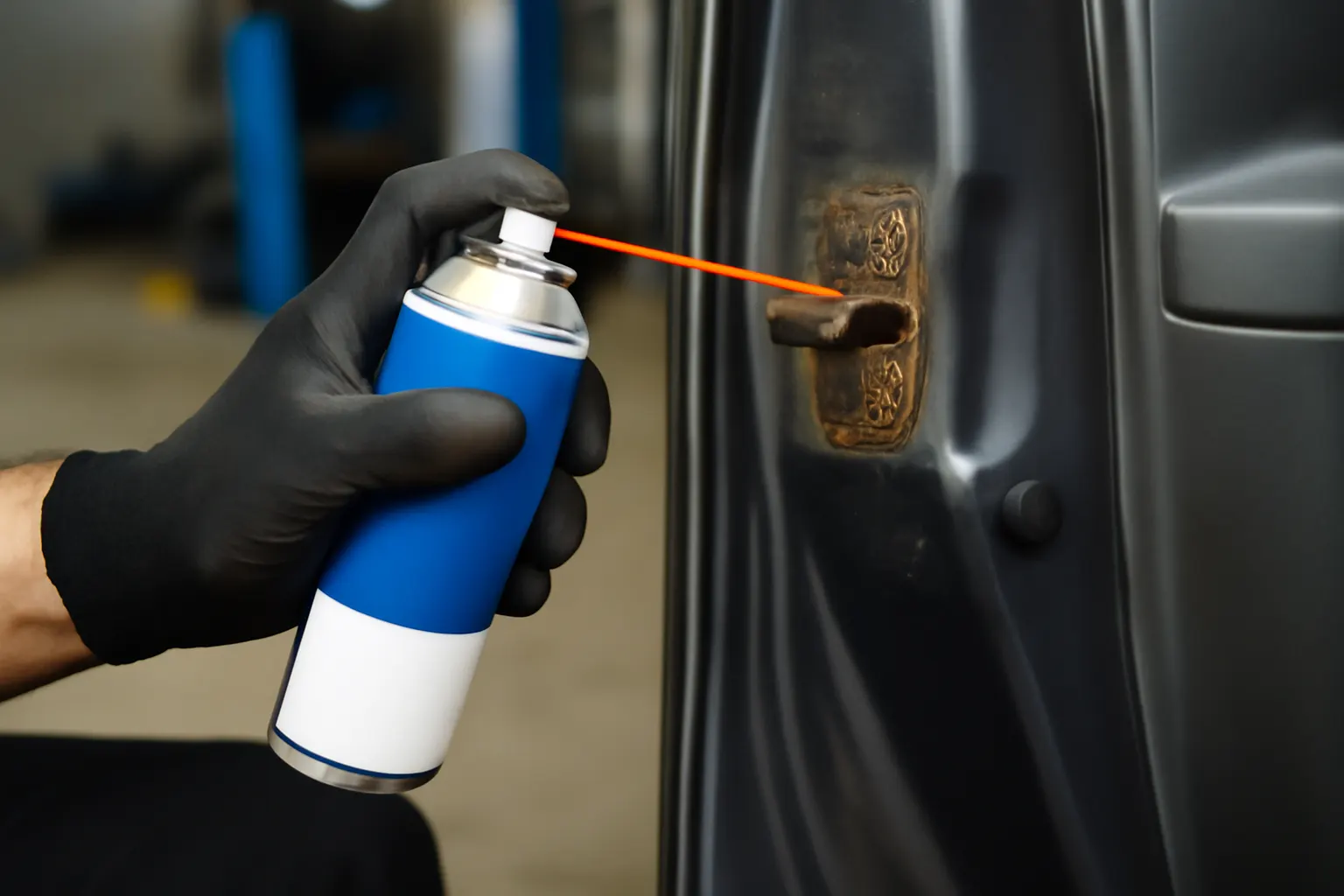
- Type: Apply a high-quality, water-resistant lithium grease or synthetic lubricant specifically designed for automotive latches.
- Application: Use a needle applicator to reach pivot points, springs, and contact surfaces.
- Avoid Over-Lubrication: Excess grease can attract dirt and form abrasive sludge.
4. Protective Coatings
- Rust Inhibitors: After cleaning and lubrication, apply a light coat of rust inhibitor spray to exposed metal surfaces.
- Sealant: Consider using a silicone-based sealant on vulnerable seams and fasteners.
5. Drainage Maintenance
- Clear Drain Holes: Ensure all door bottom drain holes are open to prevent water accumulation.
- Inspect Window Seals: Replace cracked or worn seals that allow water ingress.
Checklist: Annual Door Latch Corrosion Prevention
| Task | Frequency | Tools/Supplies Needed |
|---|---|---|
| Inspect latch and door cavity | 2x per year | Screwdriver, trim removal tool, flashlight |
| Clean latch assembly | 2x per year | Compressed air, soft brush, solvent |
| Lubricate latch and linkages | 2x per year | Lithium grease, needle applicator |
| Apply rust inhibitor | 2x per year | Rust inhibitor spray |
| Check and clear drain holes | Every 3 months | Pipe cleaner, compressed air |
| Inspect and replace window seals | Annually | Replacement seals, adhesive |
| Test latch operation | After service | N/A |
| Inspect for visible rust | Every 3 months | Flashlight |
Material Innovations: How Modern Latches Resist Corrosion
Automotive engineers are continually improving door latch materials and finishes to resist corrosion. According to SAE International standards, modern latches may incorporate:
- Zinc-Nickel Plating: Offers superior corrosion resistance compared to standard zinc coatings.
- Composite Components: Use of high-strength plastics for non-load-bearing parts reduces rust risk.
- Advanced Greases: New lubricants maintain protective film in extreme temperatures and resist washout.
- Powder Coating: Durable, chip-resistant finishes extend the life of steel components.
Despite these innovations, even the best-engineered latch can fail without proper care—especially in harsh climates or high-mileage vehicles.
Environmental Factors: Regional Threats and Special Precautions
Corrosion risk varies by environment:
- Coastal Areas: High humidity and salt air accelerate rust. More frequent inspections and application of marine-grade rust inhibitors are recommended.
- Snow Belt Regions: Road salt is a major threat. Rinse the vehicle’s underbody and door sills regularly during winter.
- Dry Climates: Dust and sand can abrade coatings, so regular cleaning is critical.
If you drive in a region with extreme conditions, consider increasing the frequency of cleaning and lubrication, and always inspect after severe weather events.
Advertisement
Diagnosing and Addressing Existing Corrosion
If you discover corrosion during inspection, swift action can often restore the latch and prevent further damage:
Step-by-Step Remediation
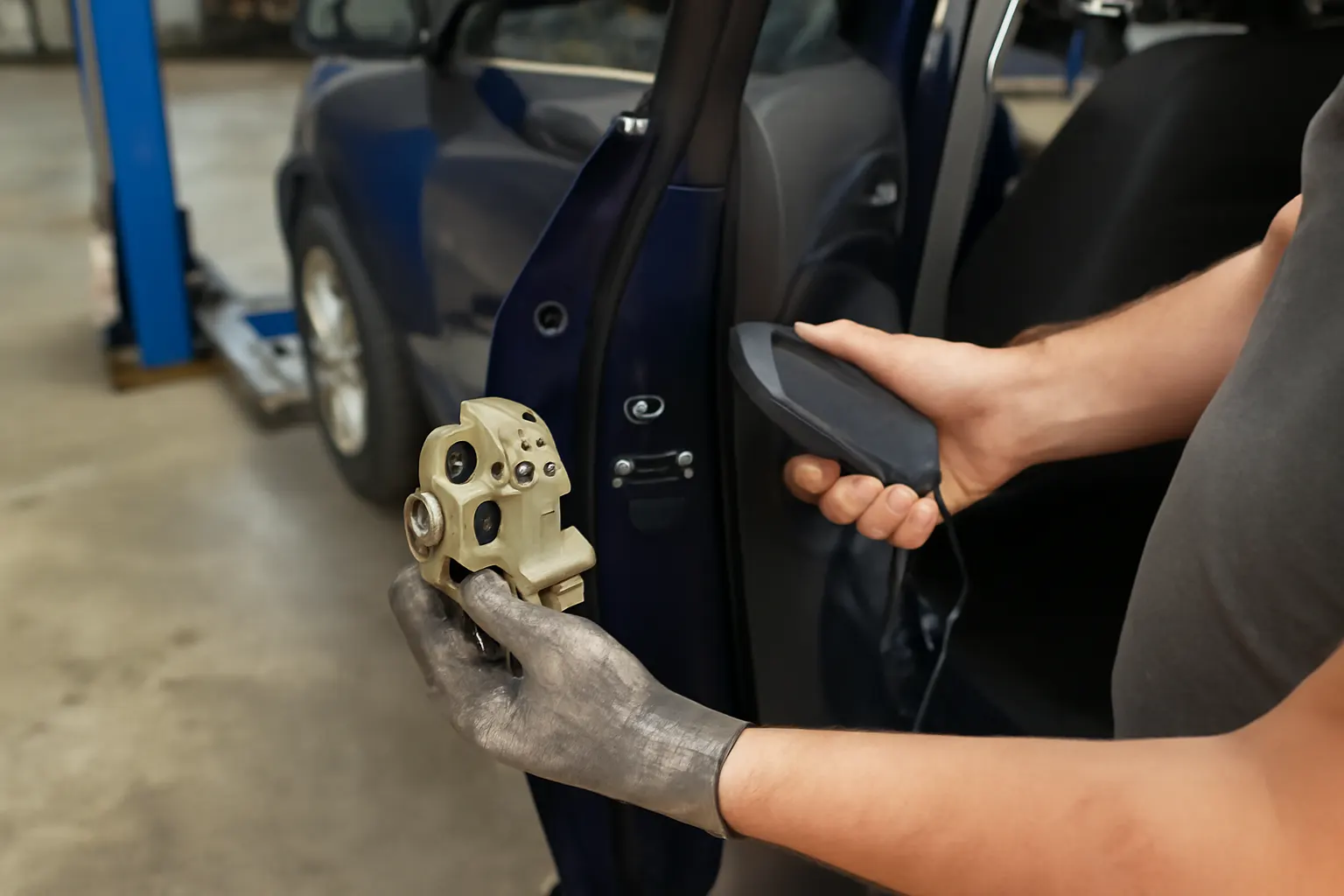
- Disassemble: Remove the door panel and extract the latch mechanism.
- Mechanical Cleaning: Use a wire brush or fine sandpaper to remove surface rust.
- Chemical Treatment: Apply a rust converter to neutralize any remaining corrosion.
- Rinse and Dry: Ensure all residues are removed and the latch is completely dry.
- Re-Lubricate: Apply fresh, water-resistant grease to all moving parts.
- Reassemble and Test: Reinstall the latch and test for smooth operation.
If pitting or severe material loss is evident, replacement is the safest course. Always source parts that meet OEM or SAE standards to ensure safety and proper fit.
Sourcing Reliable Replacement Latch Mechanisms
When corrosion has progressed beyond repair, selecting the right replacement is critical:
- OEM vs. Aftermarket: OEM parts guarantee original fit and finish, while high-quality aftermarket options may offer improved materials or coatings.
- Material Specifications: Choose latches with advanced anti-corrosion finishes (e.g., zinc-nickel, powder coating).
- Compatibility: Confirm fitment for your specific vehicle make, model, and year.
- Certifications: Look for SAE or equivalent certification to ensure compliance with safety standards.
For detailed fitment and sourcing guidance, visit our Front Door Latch Systems: Security, Safety, and Precision Engineering category page.
Preventive Upgrades: Enhanced Latch Options
Modern vehicles increasingly use electronic or enhanced mechanical latches with built-in corrosion resistance:
- Electronic Latches: Sealed units reduce water ingress but require careful electrical connector protection.
- Stainless Steel Latches: Premium upgrade for classic or high-exposure vehicles.
- Aftermarket Protective Kits: Some suppliers offer retrofit seal kits or enhanced coatings for added durability.
If considering an upgrade, review our guide on Upgrading to Electronic Door Latches: What You Need to Know.
The Link Between Latch Condition and Vehicle Safety Standards
Door latches are not just convenience items—they are integral to vehicle safety. NHTSA safety standards require that doors remain closed during a crash and that latches function reliably in all conditions. Corroded latches can fail these tests, leading to recalls and increased liability for both manufacturers and owners (NHTSA Equipment). Maintaining latch integrity is therefore not only a matter of personal safety but also regulatory compliance.
For more on how latches contribute to overall safety, see The Role of Door Latches in Vehicle Safety Standards.
The AutoPartEx Approach: Trusted Guidance and Quality Parts
At AutoPartEx, we understand that preventing latch corrosion is as much about knowledge as it is about parts. Our technical editorial team combines real-world experience with the latest standards from SAE and NHTSA to deliver actionable, vehicle-specific guidance. When replacement is necessary, our catalog features only components that meet or exceed OEM and safety standards, ensuring that your repair delivers long-term peace of mind.
Explore our Front Door Latch Systems: Security, Safety, and Precision Engineering page for expert fitment advice, part selection tips, and the latest anti-corrosion innovations. Whether you drive an Acura, AMC, or another make, AutoPartEx is your partner in automotive reliability.
Expert Action: Your Next Steps for Latch Longevity
- Inspect and Clean: Schedule a thorough inspection and cleaning of your front door latch mechanisms this season.
- Lubricate and Protect: Apply high-quality lubricants and rust inhibitors as detailed above.
- Address Issues Promptly: If you spot signs of corrosion, take immediate action—either remediate or replace as needed.
- Upgrade When Appropriate: Consider enhanced latches or protective kits for vehicles in high-risk environments.
- Stay Informed: Sign up for recall alerts from NHTSA and consult AutoPartEx for ongoing maintenance tips.
Proactive prevention is the best defense against latch corrosion. With regular care, smart upgrades, and expert guidance, you can ensure your vehicle’s door latches remain secure, safe, and smooth-operating for the long haul.
References
Advertisement