
Latch, Front Door
Front Door Latch: Selection, Diagnosis, and Evidence-Based Advice
Front door latches are often taken for granted until a problem arises, leaving drivers with unexpected inconvenience or even safety concerns. Yet, the process of identifying latch issues and choosing a suitable replacement is more nuanced than many realize. This guide highlights often-missed considerations, explains the technical context, and offers practical, evidence-based steps for diagnosing and resolving front door latch problems.
Showing 0–0 of 0 products
No Products Found
Try adjusting your filters or click "Clear All" to start over.
More Latch, Front Door options
Filtering for Latch, Front DoorBrowse nearby inventory for this category without leaving the page. Use search to filter by price, part number, or city.
No Data Available
Please check back soon when more inventory is available for this part.
Front Door Latch: Selection, Diagnosis, and Evidence-Based Advice
Why Front Door Latch Issues Deserve Closer Attention
Most vehicle owners rarely think about their front door latches until something goes wrong, such as a door that won’t close or a latch that sticks. But overlooking the subtle signs of latch wear or malfunction can lead to more than just frustration—it can compromise vehicle security and, in rare cases, safety. Many drivers focus on visible components like locks or handles, not realizing the latch mechanism itself is a critical link in the chain. This often-underappreciated part quietly endures thousands of cycles, and its failure can catch even attentive owners off guard.
A common misconception is that all door latch problems are obvious and dramatic, such as a door flying open while driving. In reality, many latch issues develop gradually, with symptoms like increased resistance, inconsistent locking, or subtle misalignment. These early warning signs are easy to dismiss, especially when the door still appears to function. Yet, ignoring these cues can result in more complex repairs down the line or even leave you stranded if the latch fails completely. Recognizing the importance of proactive latch inspection is the first step toward reliable vehicle entry and security.
Another overlooked factor is the diversity of latch designs and materials used across different vehicle makes, models, and years. Not all latches are created equal—some are mechanical, while others incorporate electronic components. Environmental factors such as moisture, dust, and temperature extremes can also accelerate latch wear or corrosion. Understanding these nuances helps owners and technicians make informed decisions when diagnosing issues or selecting replacement parts. This guide aims to bridge the knowledge gap, offering practical insights for anyone facing front door latch concerns.

Understanding the Real Front Door Latch Challenge
The front door latch is more than a simple catch; it’s a precision mechanism designed to secure the door, ensure occupant safety, and integrate with modern locking systems. When it malfunctions, the consequences can range from minor inconvenience to significant safety risks. A faulty latch may prevent the door from closing properly, cause it to pop open unexpectedly, or interfere with central locking and alarm systems. These issues can be particularly troublesome in vehicles with advanced electronic integration, where a malfunctioning latch might trigger warning lights or immobilize the vehicle.
Diagnosing latch problems is not always straightforward. Symptoms often overlap with other door-related issues, such as faulty handles, misaligned hinges, or electrical faults in power lock systems. For example, a door that won’t lock remotely might be blamed on the key fob or actuator, when the underlying issue is a worn latch mechanism. This diagnostic complexity can lead to unnecessary part replacements or incomplete repairs if the technician does not systematically isolate the latch as the culprit. A careful, step-by-step approach is essential to avoid misdiagnosis and wasted expense.
Front door latches are subject to unique stresses compared to rear doors or trunks. They endure frequent use, exposure to the elements, and the impact of repeated slamming. Over time, internal springs, levers, and catches can wear out, lose tension, or become misaligned. In regions with harsh winters, moisture intrusion and freeze-thaw cycles can accelerate internal corrosion, leading to intermittent sticking or complete seizure. Recognizing these environmental and usage factors helps explain why latch failures are not always predictable or uniform across different vehicles.
Modern vehicles often incorporate additional safety features into the door latch assembly, such as side-impact sensors or child safety locks. These enhancements add complexity and increase the potential points of failure. For example, a front door latch with integrated electronics may fail due to a wiring issue rather than mechanical wear, complicating both diagnosis and repair. Owners of vehicles with advanced safety systems should be especially vigilant for subtle latch-related warning signs, as a malfunction could affect multiple systems beyond basic door operation.
Another challenge lies in sourcing the correct replacement latch. Vehicle manufacturers frequently update latch designs, even within the same model year, to address production changes or improve performance. Aftermarket and salvage parts may look similar but have subtle differences in mounting points, electrical connectors, or internal geometry. Installing an incompatible latch can result in poor fitment, unreliable operation, or even new electrical faults. This makes careful part identification and cross-referencing essential when planning a repair.
Finally, the repair process itself can present obstacles. Accessing the latch often requires removing door panels, disconnecting linkages, and working in confined spaces. In some vehicles, specialized tools or service procedures are necessary to avoid damaging trim or triggering airbag sensors. Inadequate repair documentation or lack of technician experience can increase the risk of installation errors, leading to repeat failures or compromised door function. These realities underscore the importance of a methodical, evidence-based approach to front door latch diagnosis and replacement.
A Practical Guide to Diagnosing and Selecting Front Door Latches
Effective resolution of front door latch problems starts with a structured diagnostic process. Begin by observing the symptoms: Does the door fail to close or open smoothly? Is there resistance, noise, or a need to slam the door? Check if the central locking system operates as expected and whether any warning lights are illuminated. Compare the affected door’s operation to the other doors—differences can help isolate the issue to the latch, handle, or actuator. Documenting these observations provides a solid foundation for further troubleshooting or communication with a repair professional.
Next, carefully inspect the door latch area. With the door open, examine the latch mechanism for visible damage, corrosion, or debris. Gently operate the latch by hand to assess its movement—stiffness, grinding, or incomplete motion often indicate internal wear or contamination. If the latch is electronic, listen for actuator sounds when locking or unlocking the door remotely. For vehicles with advanced features, check for error messages or warning indicators on the dashboard. This hands-on inspection can reveal whether the latch itself is the likely source of trouble.
If the problem remains unclear, consider consulting a detailed diagnostic guide. Resources such as the "Diagnosing Door Latch Failures: Step-by-Step Guide" provide structured procedures for isolating latch faults from related issues like handle malfunctions or electrical problems. Following a step-by-step approach minimizes guesswork and helps ensure that only the necessary parts are replaced. If you lack experience with your vehicle’s make or model, seeking professional assistance or a second opinion is advisable, especially for complex or intermittent problems.
When selecting a replacement latch, accuracy is critical. Begin by identifying your vehicle’s exact year, make, and model, and, if possible, the original part number. Compare the replacement latch’s mounting points, electrical connectors, and overall dimensions to the original. If considering salvage or aftermarket parts, verify compatibility through reputable catalogs or by consulting a knowledgeable supplier. Avoid assuming that visually similar latches are interchangeable—subtle differences can affect fitment and function. When in doubt, request detailed product specifications or photographs before purchasing.
For those interested in upgrades, such as switching to an electronic latch, review the "Upgrading to Electronic Door Latches: What You Need to Know" guide. Upgrades may require additional wiring, reprogramming, or modifications to the door structure. Assess whether your vehicle supports such changes and weigh the benefits against the complexity and cost. Upgrades can offer enhanced security or convenience, but only if properly integrated with the vehicle’s existing systems. Consult manufacturer documentation or experienced installers before proceeding with non-standard modifications.
Preventive maintenance can extend latch life and reduce the risk of future failures. Regularly clean the latch area to remove dirt, moisture, and road debris. Lubricate moving parts with a manufacturer-approved lubricant, especially after exposure to rain or car washes. Inspect weather seals and drainage channels to prevent water intrusion, which can accelerate corrosion. For more detailed tips, refer to "Preventing Corrosion in Door Latch Mechanisms." Proactive care is especially important in regions with harsh climates or for vehicles frequently parked outdoors.
Throughout the repair process, keep detailed records. The Federal Trade Commission’s "Auto Repair Basics" recommends obtaining a written repair estimate, documenting the condition to be repaired, the parts needed, and anticipated labor charges. After the repair, request a completed repair order listing all work performed, parts installed, and costs incurred. These records are invaluable for warranty claims, future diagnostics, or resale value. They also help ensure transparency and accountability from repair shops or parts suppliers.
Finally, verify the repair’s success before reassembling the door. Test the latch’s operation with the door open and closed, both manually and using remote locking controls. Confirm that all electrical connections are secure and that no warning lights remain. If possible, compare the repaired door’s operation to the other doors for consistency. Taking the time to double-check your work helps prevent repeat failures and ensures long-term reliability. If issues persist, revisit the diagnostic process or consult a qualified technician for further evaluation.
Published Evidence: What the Experts and Agencies Say
The National Highway Traffic Safety Administration (NHTSA) provides a comprehensive overview of vehicle safety recalls and defect investigations. Their recall database allows consumers to search for open recalls by VIN, make, or model, offering transparency into known safety-related defects. However, as outlined in their guidance, a recall search by model or category only yields general results and does not confirm that a specific vehicle or latch is currently subject to a recall. The NHTSA emphasizes that only a VIN-based search can identify unrepaired recalls for an individual vehicle, and recalls older than 15 years or from small manufacturers may not appear in the database. This underscores the importance of individualized research when assessing latch safety concerns. NHTSA: Vehicle Recalls
NHTSA’s recall process involves several stages, beginning with consumer complaints and progressing through investigation, analysis, and, if warranted, a manufacturer-initiated recall. Owners are encouraged to report suspected latch defects, as collective complaints can prompt formal investigations. If a safety defect is confirmed, manufacturers must notify owners and offer a free remedy, such as repair or replacement. However, the presence of a recall does not guarantee that all vehicles or latches of a given type are affected, nor does it provide technical instructions for diagnosis or repair. Instead, NHTSA’s resources serve as a starting point for identifying potential safety issues and understanding the recall process. NHTSA: Vehicle Recalls
The Federal Trade Commission (FTC) offers general consumer guidance on auto repairs, emphasizing the importance of written estimates, clear documentation, and informed decision-making. Their "Auto Repair Basics" document distinguishes between new, remanufactured, and salvage parts, advising consumers to verify the nature and compatibility of any replacement component. The FTC also recommends comparing shop recommendations with the manufacturer’s maintenance schedule and seeking a second opinion for complex repairs. While these guidelines do not provide vehicle-specific technical data, they reinforce the value of transparency and due diligence in the repair process. FTC: Auto Repair Basics
The FTC further highlights the variability in repair warranties and the need for consumers to understand coverage terms before authorizing work. There is no standard warranty on repairs, and coverage may differ depending on the part’s origin—new, rebuilt, or salvage. This is particularly relevant for front door latches, as some aftermarket or used parts may offer limited or no warranty. Obtaining warranty details in writing helps manage expectations and provides recourse in the event of a premature failure. These consumer protections are especially important when sourcing parts from unfamiliar suppliers or online marketplaces. FTC: Auto Repair Basics
Neither NHTSA nor the FTC provides technical specifications, service intervals, or failure rates for front door latches. Their publications focus on consumer rights, recall procedures, and general repair practices, rather than detailed engineering data or repair outcomes. As such, buyers should not infer that a particular latch is defective or that a given repair will resolve all issues based solely on catalog listings or recall notices. Instead, use these resources to inform your questions and expectations when consulting with repair professionals or evaluating replacement parts.
When comparing potential replacement latches, it is essential to request detailed product information, including photographs, part numbers, and compatibility data. The FTC’s guidance on distinguishing new, rebuilt, and salvage parts is particularly relevant here. Salvage latches, for example, may show signs of prior wear or corrosion, while new or remanufactured units typically offer greater reliability. Buyers should ask suppliers to clarify the part’s origin and condition, and, if possible, request documentation or a return policy. This approach minimizes the risk of installing an incompatible or unreliable component.
Finally, published evidence supports the importance of a methodical, documented repair process. Both NHTSA and the FTC stress the value of record-keeping, whether tracking recall notifications or maintaining detailed repair orders. These records not only facilitate warranty claims and future diagnostics but also help ensure that repairs are performed according to industry standards. For complex or safety-critical components like front door latches, thorough documentation and adherence to published guidance are key to achieving a lasting, reliable repair.
Take the Next Step Toward Reliable Door Latch Repair
If you suspect a front door latch issue or are planning a replacement, start by gathering your vehicle’s details and reviewing the available diagnostic guides. Use the NHTSA recall database to check for open recalls, and consult the FTC’s repair recommendations to ensure a transparent, well-documented process. When selecting a replacement latch, prioritize compatibility and request detailed product information. For further insight, explore our resources on diagnosing latch failures, understanding safety standards, and preventing corrosion. Taking these steps will help you achieve a safe, effective, and evidence-based repair for your vehicle’s front door latch.
References
- NHTSA: Vehicle Recalls
- FTC: Auto Repair Basics
References
- NHTSA: Vehicle Recalls - NHTSA, accessed 2026-11-01
- FTC: Auto Repair Basics - FTC, accessed 2026-11-01
Related Guides & Articles

Diagnosing Door Latch Failures: Step-by-Step
Rear door latch problems can compromise both the safety and security of your vehicle, often manifesting as doors that won’t close, open, or lock properly. Immediate action—diagnosis and repair—prevents further damage, protects passengers, and ensures compliance with safety standards. This guide delivers a step-by-step approach to diagnosing rear door latch failures, covering both mechanical and electronic systems, and is grounded in industry standards and best practices.
View Guide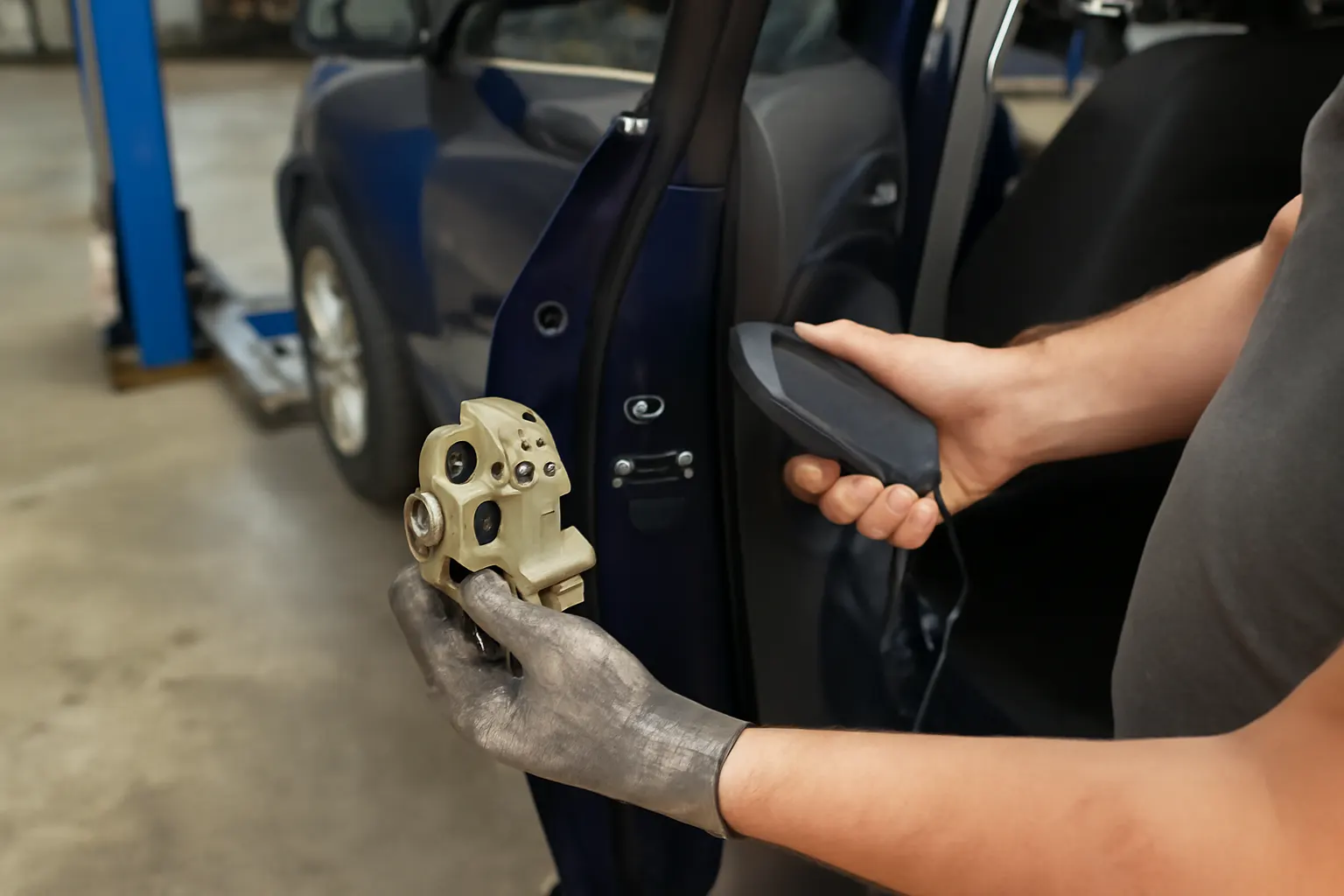
The Role of Door Latches in Vehicle Safety Standards
Door latches are a critical, yet often underappreciated, component of modern automotive safety and engineering. These mechanisms are not just responsible for keeping doors closed—they are engineered to meet stringent federal safety regulations, contribute directly to crashworthiness, and play a significant role in the overall integrity of a vehicle during collisions and rollovers.
Read More
Upgrading to Electronic Door Latches: What You Need to Know
Upgrading your vehicle’s mechanical door latches to modern electronic door latch systems can revolutionize your ownership experience—delivering enhanced security, convenience, and integration with advanced safety features. This comprehensive AutoPartEx guide walks you through the practical, technical, and safety implications of retrofitting electronic door latches, so you can make informed decisions for your next upgrade.
View Guide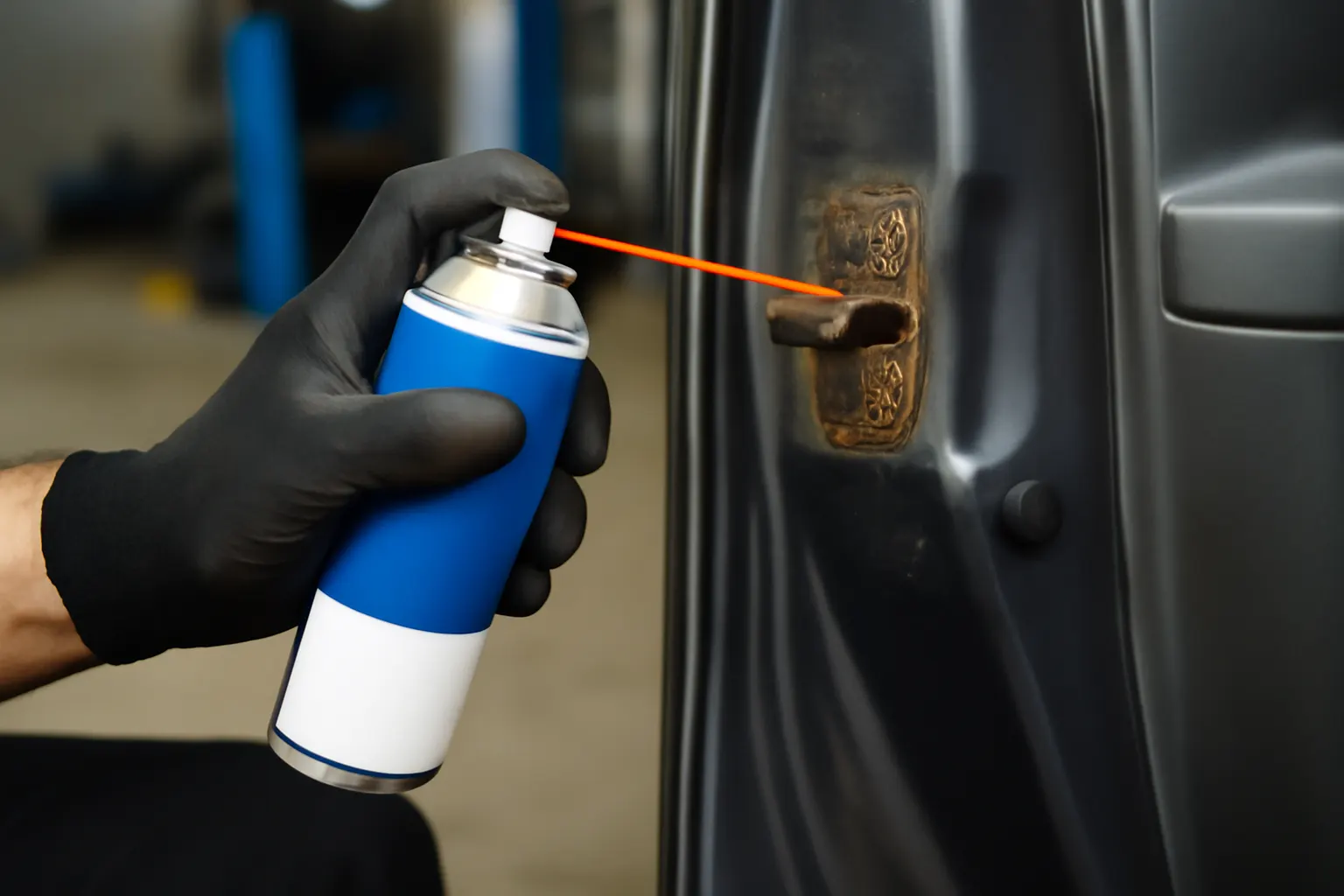
Preventing Corrosion in Door Latch Mechanisms
Corrosion is the silent adversary of front door latch mechanisms, threatening both vehicle safety and long-term reliability. Protecting your car’s door latches from rust and environmental damage is essential for smooth operation, security, and compliance with safety standards. This guide delivers actionable, expert-backed strategies to prevent corrosion in door latch systems—ensuring your vehicle remains secure and its doors operate flawlessly for years.
Read More