
Chevy Cylinder Head (Engine)
Chevy Cylinder Head (Engine): Comparison, Fitment, and Evidence
Selecting the right cylinder head for your Chevy engine is more complex than many realize. Beyond matching make and model, buyers must consider part condition, compatibility, and evidence-based selection. This page explores practical steps and published guidance to help you make an informed choice, avoid common pitfalls, and understand the resources available for verifying fitment and addressing potential issues.
Advertisement


Advertisement
More Chevy Cylinder Head (Engine) options
Filtering for Chevy • Cylinder Head (Engine)Scan nearby Chevy cylinder head (engine) inventory without leaving this page.
No Data Available
Please check back soon when more inventory is available for this part.
Advertisement
Why Cylinder Head Selection Deserves a Closer Look
When searching for a Chevy Cylinder Head (Engine), many buyers focus solely on price or the year and model of their vehicle. However, this approach can overlook crucial factors that affect fitment and long-term performance. The cylinder head is a vital component, responsible for sealing the combustion chamber and managing airflow in and out of the engine. An incorrect or poorly matched cylinder head can lead to costly repairs, reduced efficiency, or even engine failure. This makes careful selection and verification essential, especially when considering used or salvage parts.
The assumption that all Chevy cylinder heads of a given year or engine size are interchangeable is a common misconception. Manufacturing changes, casting variations, and engine updates can result in subtle but significant differences between seemingly similar parts. Relying on visual similarity or seller claims without supporting evidence may lead to compatibility issues that only become apparent after installation. This is particularly important for buyers considering salvage or remanufactured parts, where documentation and provenance can vary widely.
Buyers often underestimate the importance of verifying part numbers, casting codes, and compatibility with their specific engine configuration. Even within the same model year, Chevy engines may use different cylinder heads depending on trim level, emissions requirements, or production updates. Taking the time to gather and compare this information can prevent frustration, additional labor costs, and potential engine damage. In the following sections, we’ll explore the technical context, practical steps, and published guidance to help you navigate this process with confidence.

Understanding the Cylinder Head Fitment Challenge
The cylinder head is not just another engine component—it’s a precision part that must match the engine block, gasket surface, and valvetrain geometry. Chevy engines, particularly those used in popular models like the Camaro, Silverado, and Malibu, have seen numerous revisions over the years. These changes can affect bolt patterns, coolant passages, and sensor locations. Even small discrepancies can lead to installation difficulties or operational problems, making it essential to confirm exact fitment before purchasing a replacement cylinder head.
A common issue arises when buyers rely solely on catalog listings or generic compatibility charts. While these tools provide a useful starting point, they may not account for mid-year changes, regional variations, or special editions. For example, a 2011 Chevy Camaro may use a different cylinder head casting than a 2011 Silverado, even if both share a similar engine displacement. Without careful verification, a buyer could end up with a part that physically bolts on but fails to function correctly or triggers engine warning lights.
Another overlooked consideration is the condition and provenance of the cylinder head itself. Salvage parts, which are removed from donor vehicles and sold with minimal refurbishment, can vary greatly in quality. Factors such as mileage, previous overheating incidents, or improper removal can affect the integrity of the part. Unlike new or remanufactured components, salvage cylinder heads may not come with detailed service histories or warranties, placing greater responsibility on the buyer to assess suitability and risk.
Technical documentation and manufacturer service bulletins can provide valuable insights into cylinder head compatibility. However, these resources are often overlooked by buyers in favor of quicker, less thorough methods. The lack of a standardized approach to documenting casting codes and part numbers across different sellers further complicates the process. This can make it challenging for buyers to compare options or verify claims, especially when purchasing from online marketplaces or salvage yards.
The consequences of installing an incorrect or compromised cylinder head can be severe. Potential issues include coolant leaks, compression loss, misfires, or even catastrophic engine failure. In some cases, installation of an incompatible part may void existing warranties or complicate future repairs. These risks underscore the importance of a methodical, evidence-based approach to selecting and verifying a replacement cylinder head for your Chevy engine.
Given these challenges, buyers are encouraged to move beyond basic compatibility checks and engage in a more thorough evaluation process. This includes gathering vehicle-specific information, consulting published guidance, and requesting documentation from sellers. In the next section, we’ll outline practical steps you can take to ensure a successful cylinder head replacement, drawing on established consumer advice and industry best practices.
Practical Steps for Selecting and Verifying a Chevy Cylinder Head
Begin by gathering all relevant information about your vehicle. This includes the full 17-character VIN, engine code, and any casting numbers visible on your existing cylinder head. The VIN provides a definitive reference for your vehicle’s original configuration, while casting numbers help identify the specific cylinder head variant. This information is crucial when communicating with sellers or comparing parts, as it allows for precise matching beyond generic model-year listings.
Next, consult your owner’s manual and manufacturer documentation for any technical bulletins or updates related to cylinder head compatibility. These resources may highlight known variations, service campaigns, or updated part numbers that affect your specific Chevy model. If you are unable to locate this information, consider reaching out to a dealership or qualified technician with experience in Chevy engine repairs. Their expertise can help clarify any ambiguities and prevent costly mistakes.
When evaluating potential replacement cylinder heads, request detailed photographs and documentation from the seller. This should include clear images of casting numbers, gasket surfaces, and any visible wear or damage. For salvage parts, inquire about the donor vehicle’s mileage, service history, and reason for disassembly. The Federal Trade Commission (FTC) advises consumers to obtain a written repair estimate and to distinguish between new, remanufactured, and salvage parts, as each comes with different expectations for condition and warranty coverage FTC: Auto Repair Basics.
If possible, compare multiple options before making a decision. For expensive or complicated repairs, the FTC recommends seeking a second opinion to ensure that the proposed part is the best fit for your needs. This is especially important when dealing with rare or high-performance Chevy engines, where aftermarket or non-OEM cylinder heads may introduce additional variables. Ask the seller or technician about their experience with your specific make and model, and request references or examples of successful installations.
Before finalizing your purchase, verify the seller’s return policy and any warranty coverage in writing. Salvage cylinder heads typically come with limited or no warranty, so it’s important to understand your recourse in the event of a fitment issue or undisclosed defect. The FTC notes that there is no standard warranty on repairs or parts, making it essential to clarify terms before committing to a purchase FTC: Auto Repair Basics.
Once you receive the cylinder head, inspect it thoroughly before installation. Check for cracks, warped surfaces, or signs of previous damage. Use a straightedge and feeler gauge to assess flatness, and compare all mounting points and ports to your original part. If any discrepancies are found, contact the seller immediately to discuss resolution options. Documenting your inspection process with photographs can help support any claims or returns.
During installation, follow the manufacturer’s recommended procedures and torque specifications. Improper installation can cause leaks, warping, or premature failure, even if the part itself is correct. If you are not experienced with engine repairs, consider hiring a qualified technician to perform the installation. Keep all documentation, including the repair order, part numbers, and photographs, for future reference and warranty purposes.
Finally, after installation, monitor your engine’s performance closely. Look for warning lights, unusual noises, or changes in coolant or oil levels. Early detection of issues can prevent more serious damage and help you address any problems with the seller or installer. By following these steps and leveraging published guidance, you can maximize the likelihood of a successful cylinder head replacement for your Chevy engine. For more detailed information on Chevy cylinder heads, visit our Chevy Cylinder Head (Engine) page.
Published Guidance and Evidence for Cylinder Head Selection
The Federal Trade Commission’s "Auto Repair Basics" article provides foundational advice for consumers navigating complex repairs such as cylinder head replacement. The FTC emphasizes the importance of obtaining a written repair estimate that identifies the condition to be repaired, the parts needed, and anticipated labor charges. This guidance is particularly relevant for buyers considering salvage or used cylinder heads, as it helps ensure transparency and accountability throughout the purchasing process. The FTC also distinguishes between new, remanufactured, and salvage parts, noting that salvage parts are removed from another vehicle without alteration and may not come with a warranty FTC: Auto Repair Basics.
The FTC further advises consumers to compare shop recommendations with the manufacturer’s maintenance schedule and to ask why any extra service is proposed. This is significant for Chevy owners, as cylinder head replacement is a major repair that may not be routinely recommended unless specific symptoms or failures are present. By aligning repair decisions with published maintenance guidelines, buyers can avoid unnecessary expenses and ensure that any cylinder head replacement is truly warranted. The FTC’s guidance applies broadly to all vehicle makes and models, including Chevy, and underscores the value of evidence-based decision-making.
The National Highway Traffic Safety Administration (NHTSA) offers a comprehensive recall lookup tool that allows consumers to check for open recalls related to their specific vehicle by VIN or license plate. While this resource does not provide technical specifications or guarantee fitment of a particular cylinder head, it is an essential step in verifying whether your Chevy has been subject to any manufacturer recalls or service campaigns affecting the engine or cylinder head NHTSA: Vehicle Recalls. This information can inform your selection process and alert you to potential issues that may not be immediately apparent.
NHTSA’s recall database also provides insight into the broader recall process, including how complaints are investigated and how manufacturers are required to remedy defects. For Chevy owners, this means that any safety-related defect identified in the cylinder head or engine may result in a manufacturer-issued recall, which is addressed at no cost to the owner. However, the presence or absence of a recall does not guarantee the condition of an individual salvage part, reinforcing the need for independent verification and inspection.
It is important to note that neither the FTC nor NHTSA provides vehicle-specific technical specifications or fitment guarantees for cylinder heads. Their guidance is intended to empower consumers to make informed decisions and to understand their rights and responsibilities when purchasing auto parts. As such, buyers should use these resources as a supplement to, rather than a replacement for, direct communication with sellers, inspection of parts, and consultation with qualified technicians. This approach helps bridge the gap between general consumer protection and the technical demands of cylinder head replacement.
The FTC’s recommendation to obtain a completed repair order listing the work performed, parts used, costs, and odometer readings is particularly relevant when installing a replacement cylinder head. This documentation provides a clear record of the repair and can support any future warranty claims or resale considerations. For Chevy owners, maintaining detailed records is especially important given the potential for engine modifications or performance upgrades that may affect future service needs.
Finally, while catalog listings and compatibility charts are useful starting points, they should not be relied upon as definitive proof of fitment. As established in both FTC and NHTSA guidance, buyers must take an active role in verifying part compatibility, condition, and provenance. This includes requesting documentation, inspecting parts upon receipt, and consulting published resources for recall and maintenance information. By combining these evidence-based practices, Chevy owners can confidently select and install the correct cylinder head for their engine. For more information on cylinder head categories, visit our Cylinder Head (Engine) page.
Take the Next Step with Confidence
Choosing the right Chevy Cylinder Head (Engine) requires careful research, documentation, and verification. By following the steps outlined above and consulting published consumer guidance, you can reduce the risk of compatibility issues and ensure a successful repair. Remember to gather all relevant vehicle information, request detailed documentation from sellers, and consult trusted resources for recall and maintenance information. For additional support and to explore available options, visit our Chevy and Chevy Cylinder Head (Engine) pages.
References
- NHTSA: Vehicle Recalls
- FTC: Auto Repair Basics
References
- NHTSA: Vehicle Recalls - NHTSA, accessed 2026-11-01
- FTC: Auto Repair Basics - FTC, accessed 2026-11-01
Related Guides & Articles

How to Spot Counterfeit Chevy Parts
Counterfeit Chevy parts can jeopardize your vehicle's safety, reliability, and performance. Whether you're shopping for a replacement alternator, brake pads, or sensors, identifying fakes before you buy is crucial. This guide delivers immediate visual clues, packaging tips, and real-world examples to help you confidently distinguish genuine from counterfeit Chevy components—protecting both your investment and your safety.
Read More
Chevy Service Intervals Explained
Build a Chevrolet maintenance plan from the correct owner’s manual, service history and dashboard messages. Learn how oil-life reminders differ from oil-pressure warnings, how mileage and elapsed time affect a service decision, and why gasoline and electric vehicles need different schedules. Use the checklist to discuss a clear, itemized plan with your repairer.
View Guide
Aluminum vs. Cast Iron Cylinder Heads: Which Is Right for Your Build?
The right cylinder head material depends on your priorities: Aluminum heads provide lighter weight, improved heat dissipation, and greater potential for high-performance applications. They are ideal for builds focused on power-to-weight ratio, efficiency, and adaptability to modern fuels. Cast iron heads offer superior durability, resistance to warping under extreme heat, and often lower initial cost. They are favored for heavy-duty, high-torque, or restoration projects where longevity and original equipment (OE) authenticity matter.
Read More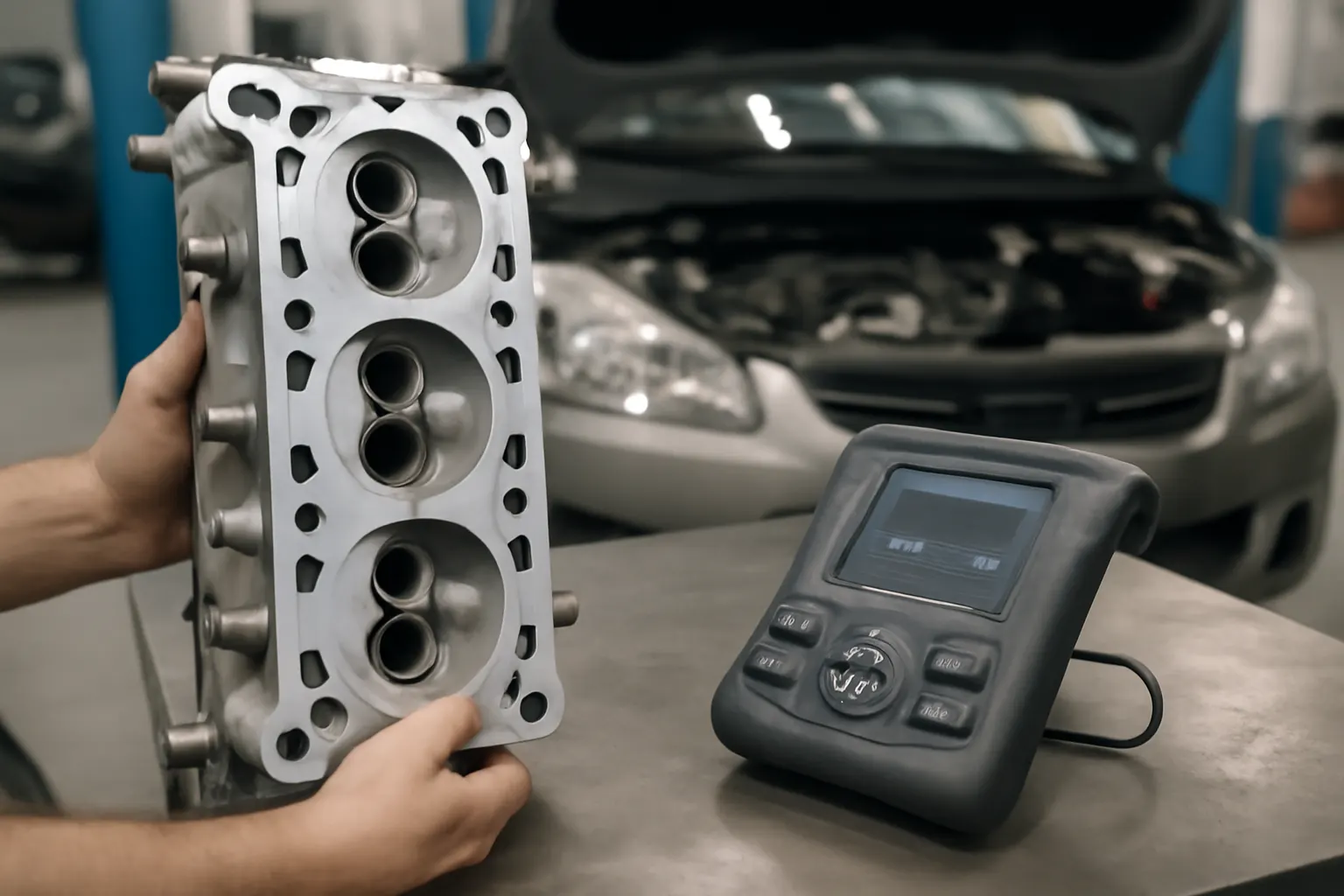
How Cylinder Head Design Impacts Engine Performance
When you want to extract more horsepower, torque, and efficiency from your engine, the cylinder head is where the real magic happens. Cylinder head design—its combustion chamber shape, port geometry, valve configuration, and material—directly determines how well your engine breathes, burns fuel, and ultimately delivers performance. Whether you’re tuning for the track, restoring a classic, or maximizing daily driver efficiency, understanding the nuances of cylinder head engineering is essential.
Read More