
Chevy AC Compressor
Chevy AC Compressor: Troubleshooting, Diagnosis, and Replacement
Many Chevy owners overlook subtle signs of AC compressor trouble until cooling performance drops or odd noises arise. Understanding the unique challenges of AC system diagnosis and repair can save you time, money, and frustration. This page explores how to spot, confirm, and address Chevy AC compressor issues, drawing on published technical guidance and practical consumer advice for a confident repair or replacement decision.
Advertisement
Showing 8 of 38 Chevy ac compressor parts


Advertisement
More Chevy AC Compressor options
Filtering for Chevy • AC CompressorScan nearby Chevy ac compressor inventory without leaving this page.
No Data Available
Please check back soon when more inventory is available for this part.
Advertisement
Why AC Compressor Issues Are Easy to Miss in Your Chevy
It’s easy to take your Chevy’s air conditioning for granted until a sweltering day exposes a hidden problem. Many drivers don’t realize that AC compressor issues often develop gradually, with symptoms that can be subtle or mistaken for other minor annoyances. A faint rattle, a momentary loss of cool air, or a slight drop in airflow may not seem urgent, but these early warnings can signal deeper trouble within the AC system. Ignoring them risks escalating damage and more expensive repairs down the road.
What makes AC compressor problems particularly elusive is their tendency to masquerade as unrelated issues. A noisy pulley or a weak fan can mimic the symptoms of a failing compressor, while refrigerant leaks or clogged filters might be blamed for poor cooling. This overlap in symptoms can lead to misdiagnosis, unnecessary part replacements, and frustration for both owners and technicians. Recognizing the unique signs of compressor trouble is the first step toward an effective solution.
Chevy vehicles, like many modern cars, use complex AC systems with multiple interconnected components. The compressor is just one part of a chain that includes the condenser, evaporator, orifice tube, and various sensors and relays. Overlooking the compressor’s role or failing to check related parts can lead to incomplete repairs. This guide aims to demystify the process, helping Chevy owners and buyers understand what to watch for, how to confirm compressor issues, and the best way to approach repairs or replacements.

Understanding the Real Challenges of Chevy AC Compressor Failure
A failing AC compressor doesn’t always announce itself with dramatic symptoms. Sometimes, the first sign is a subtle change in the sound of your Chevy’s engine bay. According to 1A Auto, diagnosing a bad AC compressor often begins with listening for abnormal noises, such as rattling, grinding, or high-pitched squeals, especially when the AC is engaged. However, these sounds can originate from other belt-driven accessories, making it essential to confirm the source before assuming the compressor is at fault What Does a Bad AC Compressor Sound Like? - Diagnose - 1A Auto.
Another challenge is the potential for debris generated by a failing compressor to circulate through the AC system. As noted by 1A Auto, this debris can clog the orifice tube, filters, and other passages, leading to a cascade of secondary problems that may not be immediately obvious. A simple compressor swap may not resolve the underlying issues if contaminants remain in the system, resulting in repeated failures or poor cooling performance What Does a Bad AC Compressor Sound Like? - Diagnose - 1A Auto.
Visual inspection alone rarely tells the whole story. While checking pulleys and belts for obvious damage or misalignment is important, it’s only the beginning. As 1A Auto points out, confirming the true source of abnormal noise is a critical diagnostic step. This may require temporarily removing the serpentine belt, running the engine, and isolating the compressor from other components. Skipping this step can lead to misdiagnosis and unnecessary part replacements What Does a Bad AC Compressor Sound Like? - Diagnose - 1A Auto.
Chevy AC compressors are designed to work with specific refrigerants and compatible seals. Using the wrong type of seal or failing to replace worn O-rings during compressor service can result in leaks and system inefficiency. DENSO Auto Parts highlights the importance of OE-specified O-rings and seals, which are compatible with both R12 and R134a refrigerants, to ensure proper function and longevity A/C Compressors | DENSO Auto Parts.
Electrical issues can also mimic or contribute to compressor problems. For example, a faulty magnetic clutch relay may prevent the compressor from engaging, even if the mechanical components are in good condition. DENSO specifically recommends checking the magnetic clutch relay as part of a thorough AC system diagnosis. Overlooking this simple step can lead to unnecessary compressor replacements and unresolved cooling issues A/C Compressors | DENSO Auto Parts.
Finally, the interconnected nature of the AC system means that a problem in one area can affect the entire system. DENSO advises checking every component to ensure proper working order, emphasizing that a piecemeal approach rarely yields lasting results. This is especially true in Chevys, where system complexity and model-specific differences can complicate diagnosis and repair Reference - A/C Compressor Troubleshooting - DENSO Auto Parts.
Practical Steps: Diagnosing and Replacing a Chevy AC Compressor
If you suspect your Chevy’s AC compressor is failing, start with a careful listening test. With the engine running and the AC switched on, listen for unusual noises near the compressor. Rattling, grinding, or high-pitched squeals can indicate internal damage or bearing failure. However, before concluding the compressor is at fault, inspect other belt-driven accessories and pulleys for similar noises. Remove the serpentine belt and run the engine briefly to isolate the compressor from other components. This step helps confirm the true source of the sound, as recommended by 1A Auto What Does a Bad AC Compressor Sound Like? - Diagnose - 1A Auto.
Next, perform a visual inspection of the compressor and surrounding components. Look for signs of oil leakage, damaged hoses, or worn seals. Check the clutch relay and electrical connections to ensure the compressor is receiving power and engaging properly. DENSO recommends specifically checking the magnetic clutch relay, as a faulty relay can prevent compressor operation even if the mechanical parts are sound A/C Compressors | DENSO Auto Parts.
If abnormal noises persist and the compressor is confirmed as the source, consider the possibility of internal failure. Debris from a damaged compressor can circulate through the AC system, clogging orifice tubes, filters, and other passages. As 1A Auto notes, simply replacing the compressor without addressing system contamination can lead to repeat failures. Flush the AC system thoroughly and replace any clogged or damaged components to ensure a successful repair What Does a Bad AC Compressor Sound Like? - Diagnose - 1A Auto.
When selecting a replacement compressor, pay attention to compatibility with your Chevy’s model, year, and refrigerant type. OE-specified O-rings and seals are critical for leak-free operation and long-term reliability. DENSO highlights the importance of using seals compatible with both R12 and R134a refrigerants, as mismatched or worn seals can compromise the entire system A/C Compressors | DENSO Auto Parts.
Before installation, ensure that every component of the AC system is in proper working order. DENSO advises a comprehensive approach—checking hoses, condensers, evaporators, and electrical circuits—to prevent overlooked issues from causing future failures. A thorough inspection also helps identify any additional parts that may need replacement, such as the receiver-drier or expansion valve Reference - A/C Compressor Troubleshooting - DENSO Auto Parts.
For complex or expensive repairs, the FTC recommends obtaining a written estimate that details the condition to be repaired, the required parts, and anticipated labor charges. Consider seeking a second opinion, especially if the diagnosis is unclear or the repair is costly. Ask whether the technician has experience with your specific Chevy model, and compare shop recommendations with the manufacturer’s maintenance schedule FTC: Auto Repair Basics.
After the repair, request a completed repair order listing the work performed, parts used, costs, and odometer readings. This documentation is important for warranty claims and future maintenance. The FTC also notes that there is no standard warranty on repairs, so be sure to understand the coverage offered by your shop or parts supplier and get it in writing FTC: Auto Repair Basics.
Finally, check for any open recalls related to your Chevy’s AC system using the NHTSA VIN lookup tool. While a recall search does not guarantee that your vehicle is affected, it provides an important safety check. If your Chevy is subject to a recall, follow the manufacturer’s instructions to have the repair completed free of charge NHTSA: Vehicle Recalls.
What the Evidence Shows: Published Guidance for Chevy AC Compressor Service
The 1A Auto article, “What Does a Bad AC Compressor Sound Like?”, provides practical diagnostic steps for identifying compressor failure. It emphasizes the importance of listening for abnormal noises, such as rattling or squealing, when the AC is engaged. The article specifically instructs readers to confirm the source of the noise by visually inspecting pulleys and isolating the compressor from other belt-driven accessories. This evidence supports the recommendation to avoid assumptions and to use targeted diagnostic steps before replacing a Chevy AC compressor. The article’s scope covers general AC compressor diagnosis and does not claim that all Chevy models share identical symptoms or failure patterns What Does a Bad AC Compressor Sound Like? - Diagnose - 1A Auto.
A second passage from the same 1A Auto article warns that debris from a failing compressor can clog the orifice tube, filters, and refrigerant passages. This highlights the risk of incomplete repairs if only the compressor is replaced without addressing system contamination. The evidence does not establish a specific failure rate or model-year range for Chevy vehicles, but it clearly supports the need for comprehensive system flushing and inspection during AC compressor service What Does a Bad AC Compressor Sound Like? - Diagnose - 1A Auto.
DENSO Auto Parts, in its AC compressor troubleshooting reference, states: “Make sure to check EVERY component of the system and that they are in proper working order.” This advice is not limited to any particular Chevy model or year but reflects industry best practices for AC system service. The passage supports the solution’s emphasis on a holistic diagnostic approach, ensuring that all related parts are inspected and repaired as needed Reference - A/C Compressor Troubleshooting - DENSO Auto Parts.
DENSO’s AC compressor product page specifies that OE-specified O-rings and seals are compatible with both R12 and R134a refrigerants. This detail is important for Chevy owners selecting replacement parts, as using the correct seals is essential for leak prevention and system performance. The passage does not provide technical specifications for individual Chevy models but establishes a general requirement for proper seal compatibility during compressor replacement A/C Compressors | DENSO Auto Parts.
The same DENSO source advises checking the magnetic clutch relay during AC system diagnosis. This recommendation is directly relevant for Chevy owners experiencing compressor engagement issues, as a faulty relay can prevent the compressor from operating even if it is mechanically sound. The evidence does not specify which Chevy models are affected, but it supports the inclusion of electrical checks in the diagnostic process A/C Compressors | DENSO Auto Parts.
The FTC’s “Auto Repair Basics” article offers general consumer guidance on obtaining written repair estimates, considering second opinions, and distinguishing between new, remanufactured, and salvage parts. While not Chevy-specific, this evidence supports the solution’s recommendations for comparing shop advice, understanding warranty coverage, and documenting repairs. The FTC does not provide technical repair instructions or endorse any particular part or service provider FTC: Auto Repair Basics.
NHTSA’s recall database guidance explains how owners can check for open recalls using their vehicle’s VIN. The passage clarifies that a recall lookup does not confirm a defect or recall for a specific Chevy AC compressor unless the VIN search returns a relevant result. This evidence supports the recommendation to use official recall resources as part of a thorough AC system repair process, but does not establish any recall or defect for a particular Chevy model or year NHTSA: Vehicle Recalls.
Take the Next Step: Ensure Your Chevy’s AC System Is Ready
If your Chevy’s AC isn’t performing as it should, don’t wait for a minor annoyance to become a major repair. Use the steps and evidence-backed recommendations outlined here to diagnose the issue, compare your options, and ensure every component is in top shape. Whether you’re considering a replacement Chevy AC compressor or seeking a professional diagnosis, an informed approach will help you restore comfort and reliability to your ride. For more details on compatible parts and further guidance, explore our Chevy AC Compressor and AC Compressor pages, or learn more about Chevy parts in general at Chevy.
References
- What Does a Bad AC Compressor Sound Like? - Diagnose - 1A Auto
- Reference - A/C Compressor Troubleshooting - DENSO Auto Parts
- A/C Compressors | DENSO Auto Parts
- NHTSA: Vehicle Recalls
- FTC: Auto Repair Basics
References
- What Does a Bad AC Compressor Sound Like? - Diagnose - 1A Auto - What Does a Bad AC Compressor Sound Like? - Diagnose - 1A Auto, accessed 2026-11-01
- Reference - A/C Compressor Troubleshooting - DENSO Auto Parts - Reference - A/C Compressor Troubleshooting - DENSO Auto Parts, accessed 2026-11-01
- A/C Compressors | DENSO Auto Parts - A/C Compressors | DENSO Auto Parts, accessed 2026-11-01
- NHTSA: Vehicle Recalls - NHTSA, accessed 2026-11-01
- FTC: Auto Repair Basics - FTC, accessed 2026-11-01
Related Guides & Articles

How to Spot Counterfeit Chevy Parts
Counterfeit Chevy parts can jeopardize your vehicle's safety, reliability, and performance. Whether you're shopping for a replacement alternator, brake pads, or sensors, identifying fakes before you buy is crucial. This guide delivers immediate visual clues, packaging tips, and real-world examples to help you confidently distinguish genuine from counterfeit Chevy components—protecting both your investment and your safety.
Read More
Chevy Service Intervals Explained
Build a Chevrolet maintenance plan from the correct owner’s manual, service history and dashboard messages. Learn how oil-life reminders differ from oil-pressure warnings, how mileage and elapsed time affect a service decision, and why gasoline and electric vehicles need different schedules. Use the checklist to discuss a clear, itemized plan with your repairer.
View Guide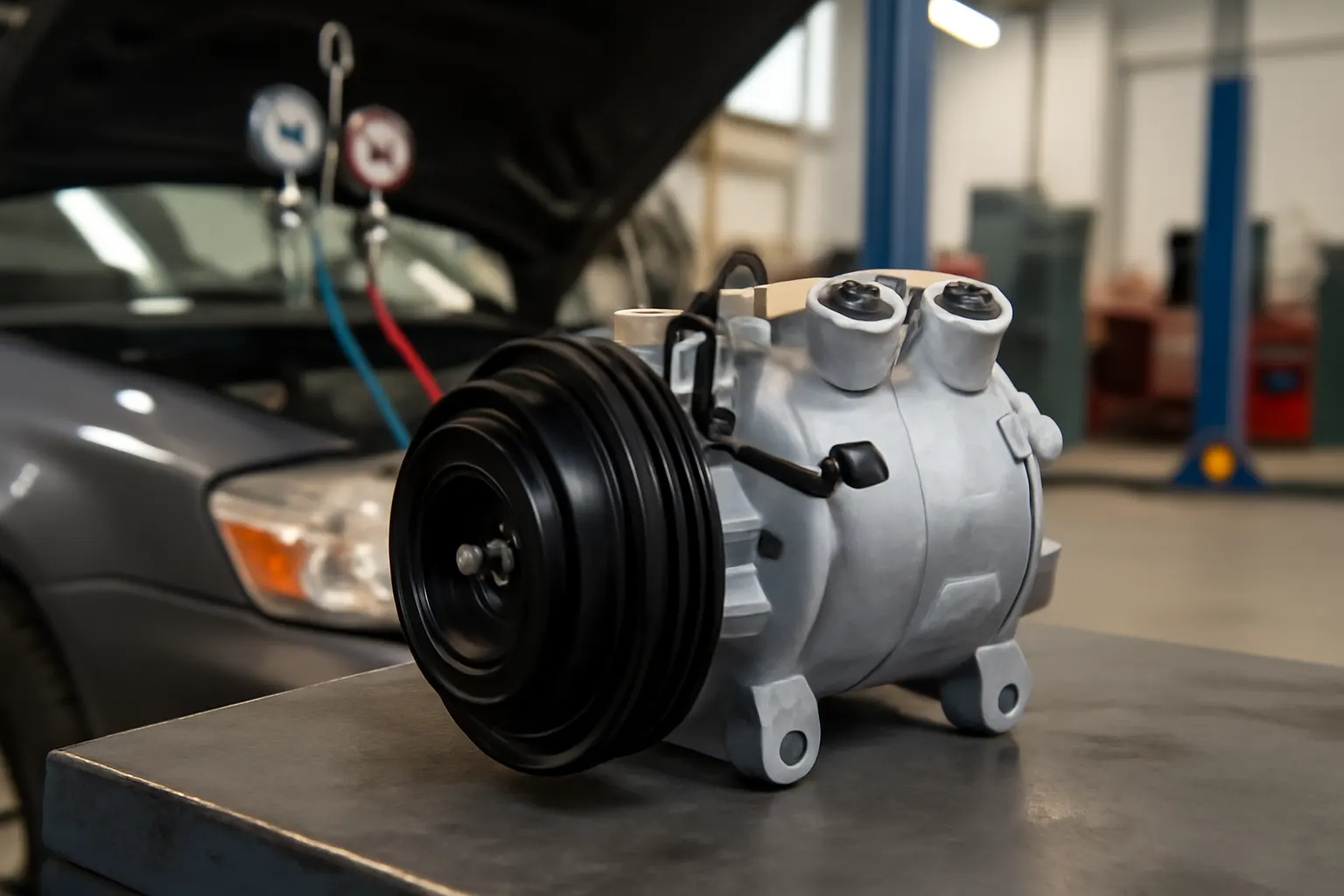
AMC AC Compressor: Engineering and Performance
When it comes to cabin comfort and vehicle efficiency, the AMC AC compressor stands out as a critical component, engineered for both robust performance and long-term reliability. AMC’s approach to AC compressor design leverages advanced materials, precision manufacturing, and strict compliance with international standards to deliver a cooling experience that is both powerful and efficient. This guide explores the unique engineering behind AMC AC compressors, their impact on vehicle performance, and what sets them apart in the competitive automotive landscape.
Read More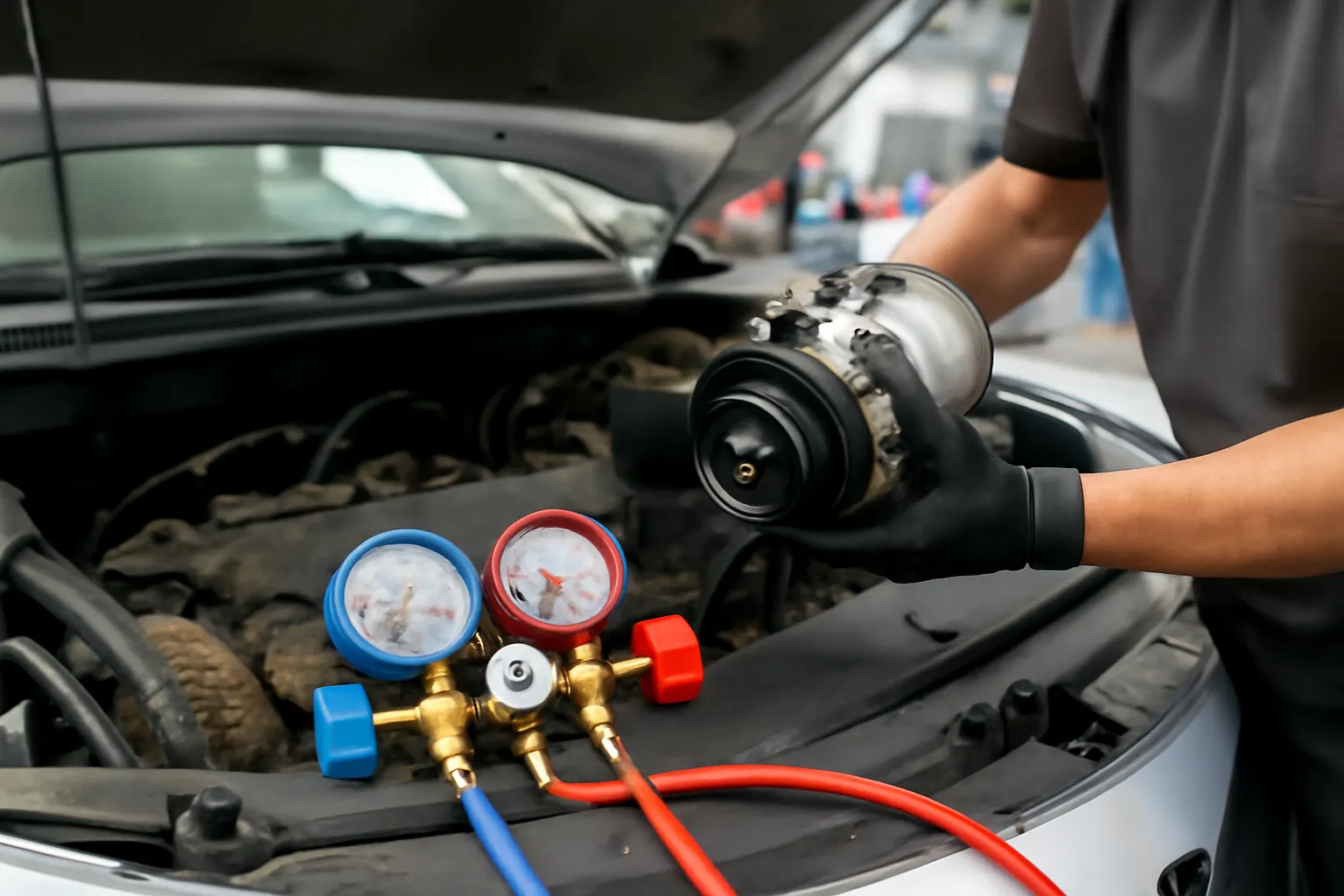
AMC AC Compressor Troubleshooting Guide
If your AMC’s AC isn’t cooling, the most common causes linked to the compressor include: Compressor clutch not engaging (electrical fault or low refrigerant) Unusual noises (bearing failure, internal damage) Insufficient cooling (worn compressor, internal leakage) Visible leaks (seal or hose failure) Frequent cycling or no operation (pressure switch or relay issues) Quick Diagnostic Checklist: Check AC clutch engagement: With the engine running and AC on, does the clutch engage?
Read More