AMC AC Compressor: Engineering and Performance
When it comes to cabin comfort and vehicle efficiency, the AMC AC compressor stands out as a critical component, engineered for both robust performance and long-term reliability. AMC’s approach to AC compressor design leverages advanced materials, precision manufacturing, and strict compliance with international standards to deliver a cooling experience that is both powerful and efficient. This guide explores the unique engineering behind AMC AC compressors, their impact on vehicle performance, and what sets them apart in the competitive automotive landscape. Whether you're an enthusiast, a technician, or a vehicle owner seeking to maximize your AMC’s climate control, this article provides the technical depth and practical guidance you need.
For a broader overview of AMC’s AC solutions, visit the AMC AC Compressor Guide.
The Immediate Answer: Why AMC AC Compressors Excel
AMC AC compressors are engineered with a focus on efficiency, durability, and compliance with industry-leading standards. Their design incorporates lightweight, high-strength materials, precision-balanced components, and optimized internal geometry. This results in compressors that minimize parasitic engine load, maximize refrigerant flow, and deliver consistent cooling under a range of operating conditions. The outcome: superior cabin comfort, improved fuel efficiency, and reduced maintenance requirements compared to legacy designs.
The Hidden Problem: What Most Owners Overlook
Despite their robust design, AMC AC compressors—like all automotive components—are subject to wear, performance degradation, and potential compatibility issues if not properly maintained or replaced with correct-fit parts. Many drivers underestimate the impact of compressor efficiency on overall vehicle performance, including fuel economy and engine load. Overlooking compressor health can result in reduced cooling, increased engine strain, and even system failures that compromise both comfort and vehicle longevity.
Deeper Technical Explanation: The Engineering Behind AMC AC Compressors
Materials Selection: Lightweight Strength
AMC engineers prioritize advanced materials in compressor construction. The compressor housing and internal components often utilize lightweight aluminum alloys, chosen for their strength-to-weight ratio and corrosion resistance. These materials, as highlighted by the U.S. Department of Energy, enable manufacturers to reduce overall vehicle weight, directly contributing to improved fuel efficiency and handling characteristics Materials Technologies.
Internal Design: Precision and Efficiency
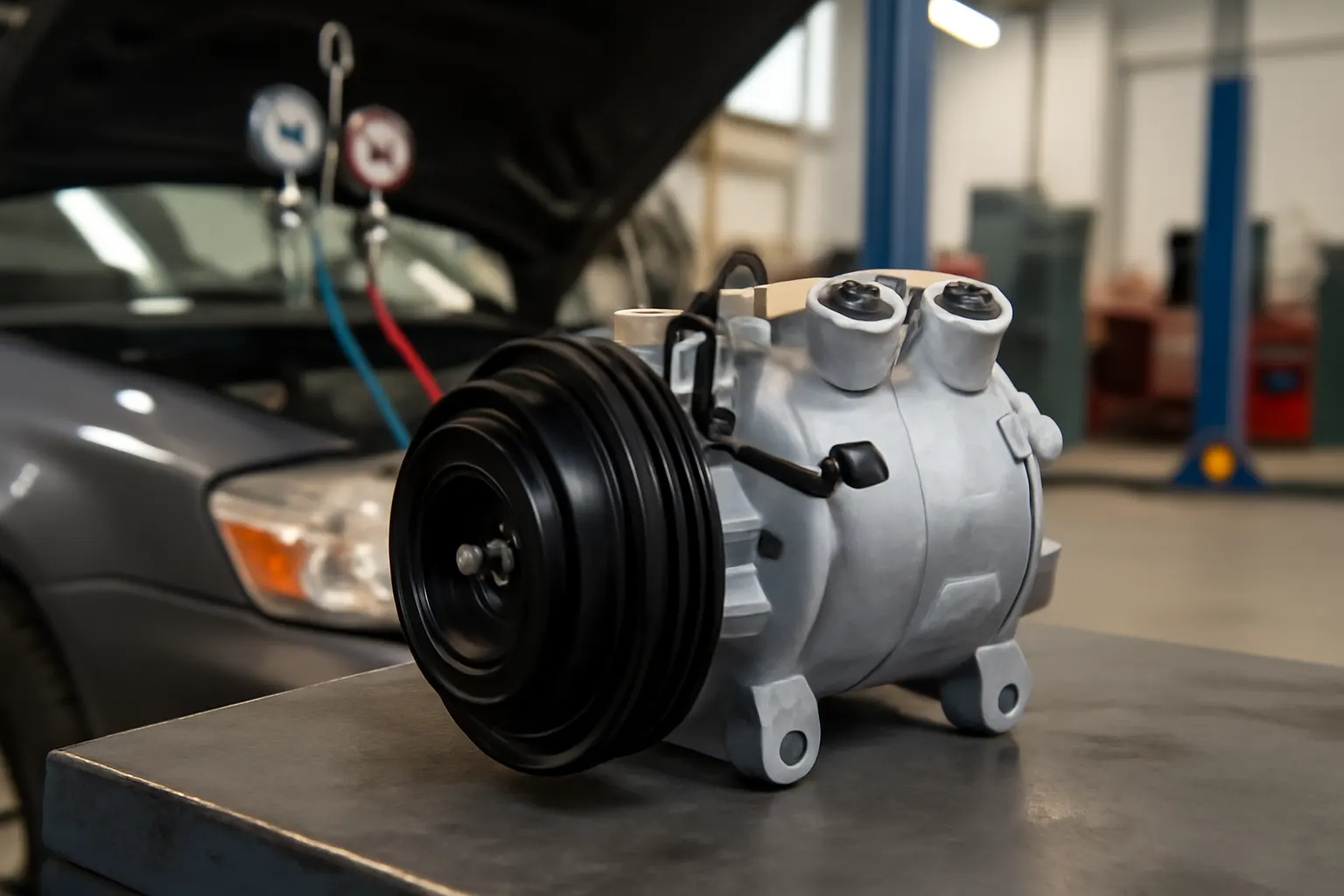
The internal geometry of AMC compressors is meticulously designed to optimize refrigerant flow and minimize friction. Precision-machined pistons, swash plates, and valve assemblies ensure smooth operation and consistent pressure regulation. This attention to detail reduces energy losses, supports stable cooling performance, and extends service life.
Compliance with SAE Standards
All AMC AC compressors are engineered to meet or exceed SAE International standards for automotive climate control systems. This means rigorous testing for durability, vibration, leak prevention, and refrigerant compatibility, ensuring reliable operation in real-world conditions.
Performance Factors: How Compressor Engineering Affects Your Drive
Fuel Efficiency and Engine Load
The AC compressor is mechanically driven by the engine, and its efficiency directly affects fuel economy. AMC’s lightweight and low-drag compressor designs reduce the mechanical load on the engine, which is particularly important during high-demand scenarios such as summer driving or heavy traffic. According to the U.S. Department of Energy, minimizing accessory drag is a key strategy in enhancing overall vehicle efficiency.
Cooling Performance and Comfort
AMC compressors are engineered to deliver rapid cool-down and stable cabin temperatures, even under demanding conditions. High-precision valves and efficient oil management ensure that refrigerant is circulated effectively, preventing hot spots and maintaining consistent comfort for all passengers.
Durability and Service Life
By utilizing robust materials and precise manufacturing, AMC compressors are less prone to common failure modes such as seal leaks, bearing wear, and piston scoring. This translates to longer service intervals and lower total cost of ownership.
Common Issues: What Can Go Wrong with AMC AC Compressors?
Even with advanced engineering, AMC AC compressors are not immune to faults. The most frequently encountered issues include:
- Refrigerant leaks due to worn seals or damaged hoses.
- Compressor clutch failure, often caused by electrical faults or excessive wear.
- Internal contamination, such as metal shavings from wear or debris from failed components.
- Excessive noise or vibration, indicating possible bearing or piston issues.
- Loss of cooling performance, often linked to low refrigerant, internal wear, or control valve malfunction.
Early detection and prompt intervention can prevent minor issues from escalating into costly repairs.
Diagnostic Checklist: Evaluating Your AMC AC Compressor
Before replacing or servicing your AMC AC compressor, use this structured checklist to assess its condition:
| Symptom | Possible Cause | Diagnostic Action |
|---|---|---|
| Weak cooling | Low refrigerant, worn compressor | Check refrigerant levels, inspect for leaks, test compressor output pressure |
| Unusual noises (grinding, squealing) | Bearing failure, internal damage | Listen with engine running, inspect pulley and clutch, check for metal debris in system |
| Compressor not engaging | Electrical fault, clutch failure | Test clutch coil for continuity, check relay and fuse, inspect wiring connectors |
| Visible leaks | Seal failure, hose degradation | Inspect compressor body, lines, and fittings for oil residue or dye traces |
| Vibration or shaking | Imbalance, mounting issue | Check compressor mounting bolts, inspect for worn brackets or bushings |
If diagnostics reveal compressor failure, refer to our AMC AC Compressor Troubleshooting Guide for detailed repair strategies.
Installation Considerations: Getting the Fit Right
Proper installation is crucial to realizing the benefits of AMC’s compressor engineering. Key steps include:
- Confirm Fitment: Double-check part numbers, mounting points, and pulley size. AMC compressors are designed for specific models—using the wrong unit can compromise performance.
- Flush the System: Remove old oil and contaminants to prevent premature wear and ensure optimal lubrication.
- Replace Associated Components: Always install a new receiver-drier or accumulator and orifice tube/expansion valve to protect the new compressor.
- Add Correct Oil Charge: Use manufacturer-specified oil type and quantity to ensure proper lubrication.
- Evacuate and Recharge: Pull a deep vacuum before charging with refrigerant to remove air and moisture.
For an in-depth walkthrough, consult our AMC AC Compressor Installation Guide.
Maintenance and Longevity: Keeping Your AMC Compressor at Peak Performance
AMC AC compressors are designed for longevity, but routine maintenance is essential to extend their service life. Key maintenance actions include:
- Regular Refrigerant Checks: Ensure optimal charge levels to prevent compressor overwork and overheating.
- Inspect Belts and Pulleys: Worn or loose belts can cause slippage, noise, and reduced compressor efficiency.
- Monitor for Leaks: Address any signs of oil or refrigerant leaks promptly, as low system pressure can lead to compressor damage.
- Replace Filters: Periodically change the cabin air filter and receiver-drier to maintain system cleanliness.
Adhering to the recommended AMC AC Compressor Maintenance Schedule is the best way to safeguard your investment.
Engineering Innovations: What Sets AMC Compressors Apart
Advanced Materials
AMC’s integration of advanced aluminum alloys and composite materials reduces weight without sacrificing strength. This not only enhances fuel efficiency but also improves heat dissipation, supporting longer compressor life.
Precision Machining and Balancing
Utilizing state-of-the-art CNC machining and dynamic balancing, AMC compressors achieve tighter tolerances and smoother operation. This reduces vibration, noise, and wear on internal components.
Enhanced Sealing Technologies
Modern AMC compressors feature multi-lip seals and improved gasket materials, minimizing the risk of refrigerant and oil leaks even under high-pressure operation.
Modular Component Design
AMC’s modular approach allows for easier serviceability and parts replacement, reducing downtime and repair costs.
The Role of Standards: Ensuring Quality and Compatibility
AMC engineers design compressors to meet or exceed SAE standards for performance, safety, and environmental responsibility. These standards govern:
- Pressure testing: Ensuring the compressor can withstand system operating pressures without failure.
- Vibration and durability testing: Simulating real-world conditions to guarantee long-term reliability.
- Refrigerant compatibility: Supporting both legacy and modern refrigerants (such as R134a and R1234yf) for broad model coverage.
By adhering to these standards, AMC ensures cross-platform compatibility and consistent performance across its vehicle lineup SAE Standards.
Sourcing and Selecting the Right AMC AC Compressor
When sourcing a replacement compressor, consider the following:
- OEM vs. Aftermarket: Genuine AMC compressors guarantee fitment and performance, but high-quality aftermarket units (meeting or exceeding SAE standards) can offer a cost-effective alternative.
- Part Number Verification: Always cross-reference the part number with your vehicle’s VIN and model year to ensure compatibility.
- Supplier Reputation: Buy from reputable suppliers to avoid counterfeit or substandard components.
- Warranty Coverage: Look for compressors with robust warranty terms, which indicate confidence in manufacturing quality.
For model-specific recommendations, refer to the AMC AC Compressor Guide.
Troubleshooting Poor Performance: When to Repair vs. Replace
Not all AC issues require compressor replacement. Before committing to a new unit, consider:
- Electrical Diagnostics: Check relays, fuses, and wiring before suspecting mechanical failure.
- System Pressure Testing: Low or high pressure can indicate issues elsewhere in the AC system, such as blockages or leaks.
- Oil Analysis: Examine compressor oil for metal debris or discoloration, which signal internal wear.
If the compressor is still under warranty and exhibits clear signs of mechanical failure (seized shaft, catastrophic internal damage), replacement is warranted. For minor issues, targeted repairs may restore function.
Fuel Efficiency and Environmental Impact: The Bigger Picture
AMC’s focus on lightweight materials and efficient compressor designs directly supports global efforts to reduce vehicle emissions and improve fuel economy. According to the U.S. Department of Energy, every reduction in accessory load translates to measurable gains in miles per gallon. Efficient AC compressors thus play a crucial role not only in comfort but also in meeting regulatory and consumer demands for greener vehicles.
Professional Installation vs. DIY: Making the Right Choice
While experienced DIYers can replace AC compressors with the right tools and knowledge, professional installation is recommended for most owners. Reasons include:
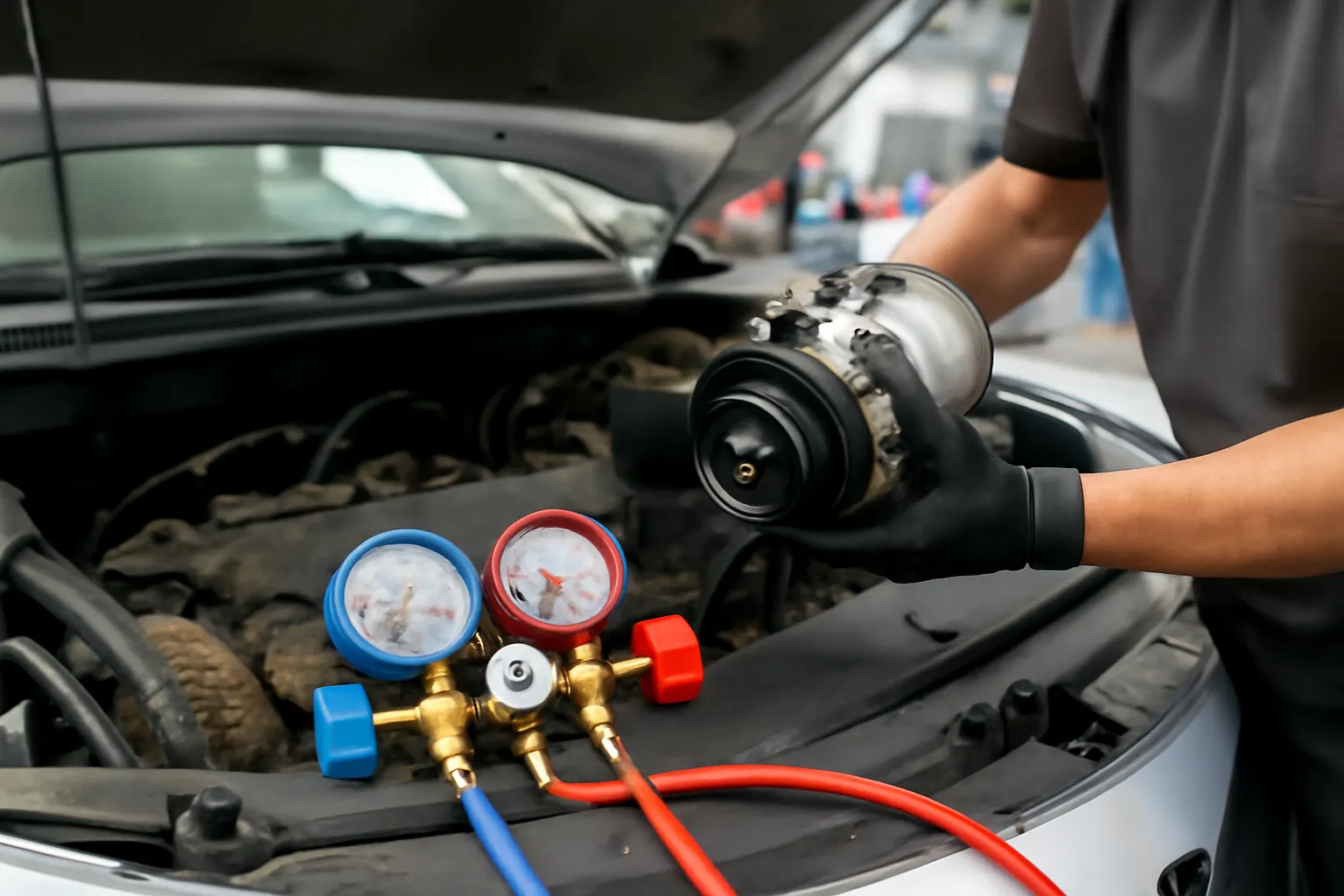
- Specialized Equipment: Proper evacuation and recharging require AC manifold gauges, vacuum pumps, and refrigerant handling certification.
- Warranty Protection: Many warranties require proof of professional installation and system flushing.
- Accurate Diagnosis: Technicians can identify underlying issues (such as condenser blockages or electrical faults) that may not be obvious during DIY repairs.
If you choose to proceed with a DIY installation, follow the AMC-specific procedures outlined in our AMC AC Compressor Installation Guide.
AutoPartEx Advantage: Your Trusted Source for AMC AC Compressors
AutoPartEx specializes in providing precisely engineered AMC AC compressors and related components. Our catalog includes:
- Genuine AMC and high-quality aftermarket compressors
- Model-specific fitment data and technical support
- Comprehensive installation and maintenance guides
- Technical articles and troubleshooting resources
Our commitment to technical accuracy, quality assurance, and customer support ensures you get the right part, the first time. Explore our AMC AC Compressor Guide for detailed product listings and expert advice.
Taking the Next Step: Expert Action Plan
- Assess Your Compressor: Use the diagnostic checklist above to evaluate performance and identify symptoms.
- Consult Technical Resources: Review the AMC AC Compressor Troubleshooting Guide for targeted repair strategies.
- Source the Correct Part: Use VIN and model information to select the right compressor from a trusted supplier.
- Follow Best Practices: Ensure proper installation, system flushing, and oil/refrigerant charging to maximize compressor life.
- Maintain Regularly: Adhere to the AMC AC Compressor Maintenance Schedule and monitor system performance for early signs of trouble.
With the right engineering insight and proactive maintenance, your AMC AC compressor will deliver years of efficient, reliable cooling.