
AMC AC Compressor
AMC AC Compressor Guide
AMC AC compressors are engineered to meet the specific demands and configurations of classic and legacy AMC vehicles, ensuring optimal refrigerant compression and climate control across a range of models from sedans to SUVs. As a core part of the air conditioning system, the compressor pressurizes and circulates refrigerant, enabling efficient heat exchange and consistent cabin cooling. AMC's approach to component design places a premium on mechanical reliability and model-specific integration, making it essential to choose compressors that are precisely matched to your vehicle's original equipment specifications.
Many AMC owners and technicians may not realize that AC compressors are among the most model-sensitive components in the HVAC system. Brand-specific fitment is crucial: compressors vary not just by displacement or mounting, but also by pulley configuration, clutch voltage, and refrigerant compatibility. AMC compressors are frequently subject to supersession—where part numbers change as designs are updated or improved—leading to confusion during sourcing. Scarcity is increasingly a concern, as OE and even high-quality aftermarket compressors for older AMC models are often discontinued or only intermittently available. Furthermore, undiagnosed compressor issues can masquerade as general AC problems, such as intermittent cooling or increased engine load, making proper troubleshooting more complex than with modern vehicles.
AMC AC compressors exhibit several well-documented failure modes. Age, infrequent use, or improper refrigerant management can cause seal shrinkage and oil starvation, leading to refrigerant leaks. Compressor clutch assemblies on AMC models are prone to wear, slippage, or electrical failure, especially if the system is overloaded or the belt is improperly tensioned. Installation pitfalls are common—incorrectly matched mounting brackets, improper seal lubrication, or misaligned pulleys can result in rapid failure or chronic leaks. Compatibility risks are significant: AMC’s AC compressor architecture varied not only by model but sometimes by trim, year, and even engine option, so using a generic replacement can cause fitment or performance issues.
A successful AMC AC compressor replacement starts with a VIN-based fitment strategy—identifying exact OE part numbers and their supersessions is essential. Diagnostics should include system pressure testing, clutch circuit verification, and careful inspection for oil or dye at the compressor snout or high-pressure fittings. Service guidance for AMC compressors involves flushing the AC system to remove debris from previous failures, replacing the receiver-drier or accumulator, and ensuring all O-rings and gaskets are compatible with the refrigerant in use (R12 or R134a retrofits require specific materials). Sourcing steps should prioritize new or professionally remanufactured compressors that meet or exceed OEM standards, with attention paid to included hardware and installation instructions to avoid costly rework or repeated failures.
Advertisement
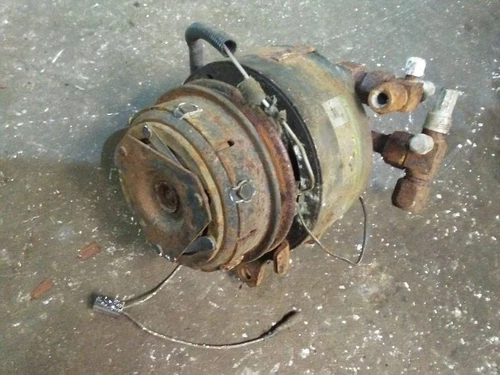
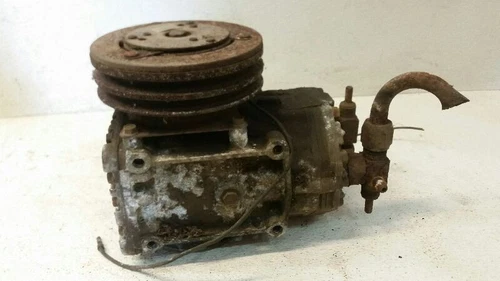
Showing 1–8 of 17 AMC ac compressor parts



Advertisement
More AMC AC Compressor options
Filtering for AMC • AC CompressorScan nearby AMC ac compressor inventory without leaving this page.
No Data Available
Please check back soon when more inventory is available for this part.
Advertisement
Expert AMC AC Compressor Specs & Pro Recommendations
Diagnosing compressor failure goes beyond checking for a lack of cold air. Technicians must measure low- and high-side pressures, listen for abnormal clutch or bearing sounds, and inspect for visible oil or dye leaks. On classic AMC vehicles, aging hoses and corroded fittings often mask underlying compressor wear. Installation difficulty is moderate to high: expect to spend 2–4 hours on a compressor swap, with additional time required for system flushing and vacuuming. Many AMC compressors utilize R12 refrigerant; performing a retrofit to R134a necessitates new seals and sometimes a revised expansion valve, further complicating the process.
Repair costs vary: a new or remanufactured AMC compressor typically costs $250–$500, but rare models can command much higher prices due to scarcity. Professional installation, including evac/recharge and drier replacement, adds $350–$650 depending on region and shop rates. For DIYers, the main challenges include obtaining the correct model-specific mounting hardware and ensuring oil charge compatibility with the rest of the AC system. Proper diagnostic routines and adherence to OE fitment standards are essential to avoid repeat failures, subpar cooling, and wasted labor.
For AMC AC Compressor, long-term reliability depends on verified fitment, periodic inspection of wear components, and disciplined preventive maintenance. Confirm part numbers by VIN, check supersession notes, and compare mounting points before installation. Review service bulletins and historical failure patterns to prioritize high-risk systems, especially electrical connectors, seals, cooling components, and drivetrain interfaces.
AMC AC Compressor: Practical Information
Repair Cost Range
Replacement AMC AC compressors typically cost $250–$500, with rare or NOS units commanding premium prices. Professional installation and system recharge add $350–$650, depending on model and region.
Service Timeframe
Standard labor time for AMC compressor replacement is 2–4 hours, including system flush and vacuum. Additional time may be needed for R134a retrofits or challenging model-specific fitment.
Model-Family Fitment
AMC compressors vary by model, engine, and year—even within the same body style. Use VIN and OE number verification to ensure proper fitment and avoid mismatched hardware or hose connections.
Installation Difficulty
Moderate to high. Requires specialized AC tools, attention to OE torque specs, and proper refrigerant handling. DIYers should review installation guides and consider professional help for retrofits or rare models.
References
- Vehicle, Car Seat, Tire, and Equipment Recalls - National Highway Traffic Safety Administration, accessed 2024-06-12Used for model-specific AMC compressor recall and fitment verification.
- Fuel Efficiency - United States Department of Energy, accessed 2024-06-12Referenced for the effects of AC compressor performance on vehicle fuel economy.
- Materials Technologies - United States Department of Energy, accessed 2024-06-12Referenced for compressor material compatibility, weight, and performance standards.
Related Guides & Articles

AMC AC Compressor Installation Guide
Preparation: Disconnect the battery, safely recover refrigerant, and ensure the vehicle is on a stable surface. Component Removal: Remove the serpentine belt, disconnect electrical connectors, and detach refrigerant lines from the old compressor. Compressor Removal: Unbolt and remove the faulty compressor. Pre-Installation Checks: Compare the new compressor, add the correct type and amount of oil, and swap over necessary brackets or sensors. Installation: Bolt in the new compressor, reconnect refrigerant lines, electrical connectors, and the belt.
View Guide
AMC AC Compressor: Engineering and Performance
When it comes to cabin comfort and vehicle efficiency, the AMC AC compressor stands out as a critical component, engineered for both robust performance and long-term reliability. AMC’s approach to AC compressor design leverages advanced materials, precision manufacturing, and strict compliance with international standards to deliver a cooling experience that is both powerful and efficient. This guide explores the unique engineering behind AMC AC compressors, their impact on vehicle performance, and what sets them apart in the competitive automotive landscape.
Read More
AMC AC Compressor Maintenance Schedule
Proper maintenance of your AMC AC compressor is critical for consistent cooling performance, system longevity, and vehicle safety. This guide delivers a comprehensive, step-by-step maintenance schedule tailored for AMC AC compressors, including inspection intervals, service procedures, and expert insights. Whether you’re an experienced technician or a hands-on AMC owner, follow this schedule to maximize efficiency and avoid costly AC system failures.
View Guide
AMC AC Compressor Troubleshooting Guide
If your AMC’s AC isn’t cooling, the most common causes linked to the compressor include: Compressor clutch not engaging (electrical fault or low refrigerant) Unusual noises (bearing failure, internal damage) Insufficient cooling (worn compressor, internal leakage) Visible leaks (seal or hose failure) Frequent cycling or no operation (pressure switch or relay issues) Quick Diagnostic Checklist: Check AC clutch engagement: With the engine running and AC on, does the clutch engage?
Read More