Advertisement
Wiper Blades: Maintenance and Replacement
A clear windshield is essential for safe driving, and your wiper blades are the unsung heroes that keep your view unobstructed in rain, snow, and road grime. In this comprehensive guide, the AutoPartEx team delivers everything you need to know about choosing, maintaining, and replacing wiper blades—so you can keep your windshield crystal clear year-round. Whether you’re diagnosing streaks, prepping for adverse weather, or seeking OEM-level fitment, this resource will walk you through practical steps, insider checklists, and expert advice. For more on windshield systems, see our Windshield Replacement & OEM Auto Glass – Ultimate Guide | AutoPartEx.
Immediate Answer: Wiper Blade Maintenance and Replacement Essentials
To maintain optimal visibility and safety, inspect your wiper blades every six months and replace them at least once a year—or sooner if you notice streaking, skipping, or squeaking. Use rubber-safe cleaners to wipe blades regularly, check for cracks or splits, and always install the correct size and type for your vehicle. Modern wiper blades are engineered for specific fitment and material performance, making proper selection and maintenance crucial for both safety and comfort.
The Hidden Problem: Why Wiper Blades Fail and Go Unnoticed
Most drivers only notice wiper blade issues during heavy rain or snow—when clear vision is critical. However, neglecting wiper blade maintenance can lead to dangerous streaking, reduced reaction time, and even windshield damage. Environmental exposure, UV radiation, temperature changes, and chemical residues all degrade blade materials. The result? Marginal wiper performance that often goes unnoticed until visibility is severely compromised.
Expanding the Issue: The Real Impact of Neglected Wiper Blades
Worn or poorly maintained wiper blades don’t just reduce visibility—they also pose a safety risk. According to the National Highway Traffic Safety Administration (NHTSA), clear visibility is a key factor in accident prevention and overall vehicle safety [^1]. Damaged blades can scratch or etch the windshield, leading to expensive glass repairs or replacements. Inconsistent wiping leaves water, salt, and debris on the glass, increasing eye strain and driver fatigue. Subpar wiper performance is compounded in winter, when ice can freeze blades to the windshield, or in summer, when heat cracks the rubber. These issues are preventable with regular inspection and proactive replacement.
Understanding Wiper Blade Types and Materials
Wiper blades are not one-size-fits-all. There are three main types:
- Conventional (Frame-Style) Blades: Feature a metal frame with multiple pressure points. Common on older vehicles.
- Beam Blades: Use a single, curved piece of spring steel for even pressure and better performance in snow/ice.
- Hybrid Blades: Combine a frame structure with an aerodynamic cover for improved all-weather performance.
Materials matter, too. Most blades use natural or synthetic rubber, sometimes with silicone or graphite coatings for smoother operation and longevity. The U.S. Department of Energy (DOE) highlights ongoing research into advanced materials for improved durability and performance in automotive components [^3].
Diagnosing Wiper Blade Problems: Signs You Need Replacement
Keep an eye out for these symptoms:
- Streaking or Smearing: Leaves lines or patches of water.
- Chattering or Squeaking: Blade skips or vibrates across the glass.
- Splitting or Cracking: Visible damage to the rubber edge.
- Poor Contact: Areas of the windshield remain unwiped.
- Corroded Frames: Metal parts show rust or bending.
If you notice any of these signs—especially during adverse weather—it’s time to inspect or replace your wiper blades. Don’t wait for total failure.
How to Choose the Right Wiper Blades for Your Vehicle
Choosing the correct wiper blade is crucial for performance and fitment. Here’s how to ensure you get the right blades:
Advertisement
- Consult Your Owner’s Manual: Find the exact length and style specified for your make and model.
- Check Both Blades: Driver and passenger side blades are often different lengths.
- Consider Weather Needs: Beam blades excel in snow/ice, while hybrid blades offer all-season reliability.
- Inspect Mounting System: Ensure compatibility with your wiper arm’s attachment (hook, pin, bayonet, or specialty).
- OEM vs. Aftermarket: OEM blades guarantee original fit, but premium aftermarket options may offer improved materials and performance.
For more on selecting the right automotive glass and related components, see our wiper blades category page.
Step-by-Step Wiper Blade Inspection and Cleaning Checklist
Regular inspection and cleaning extend blade life and ensure clear vision. Use this checklist monthly or before any long trip:
Wiper Blade Inspection & Cleaning Checklist:
- Lift blades off the windshield and inspect both edges for cracks, splits, or deformation.
- Run a finger along the rubber edge—check for nicks, roughness, or sticky residue.
- Clean the rubber edge with a soft cloth and mild glass cleaner or isopropyl alcohol.
- Wipe the windshield with a dedicated glass cleaner to remove oil, bugs, and road film.
- Check that the blade frames are not bent, rusted, or loose.
- Reinstall blades and operate the wipers with washer fluid to test performance.
- Listen for unusual noises (chattering, squeaking) and visually confirm a streak-free wipe.
Repeat this process every 1–2 months, and especially before seasonal weather changes.
DIY Wiper Blade Replacement: Tools, Tips, and Safety
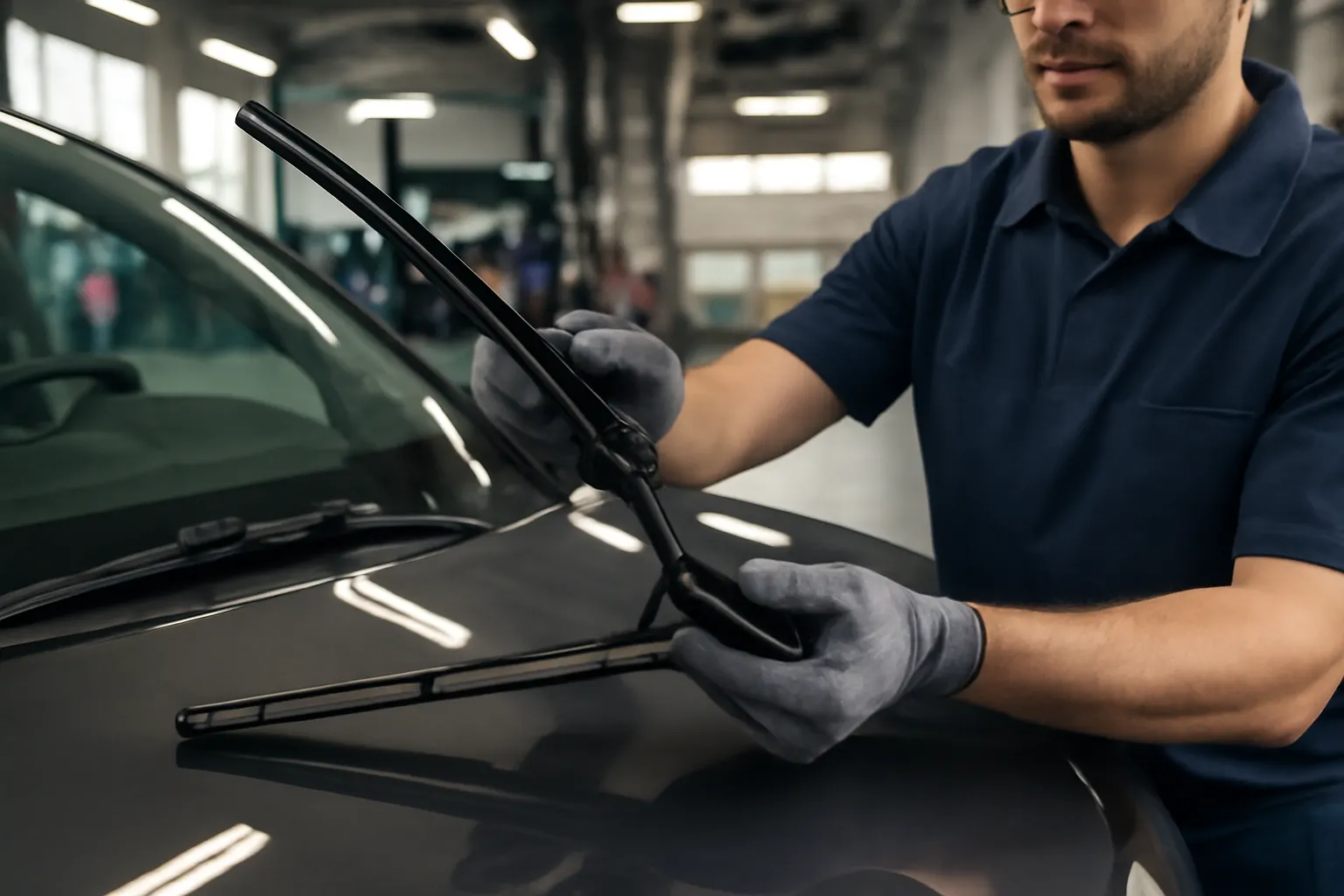
Replacing wiper blades is a simple DIY task. Here’s how to do it safely and efficiently:
Tools and Supplies
- Replacement wiper blades (correct size/style)
- Owner’s manual or fitment guide
- Clean rag or towel
Step-by-Step Replacement
- Lift the Wiper Arm: Gently pull the wiper arm away from the windshield.
- Release the Old Blade: Locate the release tab or button where the blade meets the arm. Depress and slide the blade off.
- Align the New Blade: Attach the new blade according to the arm’s mounting system (hook, pin, etc.).
- Secure and Test: Ensure the blade clicks or locks into place. Gently lower the arm and test operation with washer fluid.
Tip: Place a towel on the windshield when the arm is lifted to prevent accidental glass damage if it snaps back.
Advanced Troubleshooting: When New Blades Don’t Solve the Problem
Sometimes, installing new blades doesn’t fix streaking or poor performance. Here’s what to check next:
- Wiper Arm Tension: Weak springs or bent arms reduce pressure on the glass. Replace or adjust as needed.
- Windshield Contamination: Silicone-based waxes, hard water spots, or tree sap can cause persistent streaking. Use a dedicated glass polish or cleaner.
- Washer System Issues: Clogged nozzles, low fluid, or failing pumps reduce cleaning effectiveness.
- Incorrect Blade Size: Double-check that the new blades match your vehicle’s specifications.
If problems persist, inspect the entire wiper system or consult a professional for further diagnosis.
Seasonal Wiper Blade Care: Adapting to Climate and Conditions
Weather is the enemy of wiper blades. Here’s how to adapt your maintenance routine:
- Winter: Use winter-specific or beam blades to prevent ice buildup. Lift wipers off the windshield during snowstorms to avoid freezing.
- Summer: Park in the shade when possible. High heat accelerates rubber degradation.
- Pollen/Allergy Season: Clean blades and windshield more frequently to remove sticky residues.
- Coastal/High-Salt Areas: Rinse blades and windshield often to prevent corrosion and salt buildup.
Routine adaptation extends blade life and maintains clear vision in all driving conditions.
Wiper Blade Lifespan: How Often Should You Replace?
Most manufacturers recommend replacing wiper blades every 6–12 months, but lifespan varies by climate and usage. Factors influencing replacement intervals include:
Advertisement
- Exposure: Frequent sun, snow, or ice shortens lifespan.
- Driving Habits: Urban stop-and-go vs. highway driving affects wear.
- Storage: Garage-kept vehicles see less UV and temperature stress.
Rule of Thumb: If you notice reduced performance, don’t wait—replace immediately. Always replace both front blades at the same time, and don’t forget the rear blade if equipped.
The Role of Wiper Blades in Overall Vehicle Safety
Wiper blades are a critical safety component, not just a convenience. The NHTSA classifies wipers and windshield glass as essential safety equipment, subject to inspection and replacement standards 1. Poor visibility is a leading cause of weather-related accidents, and functional wipers are required for passing inspection in most states. Maintaining your wiper blades is as important as checking brakes or tires—neglect can compromise your safety and that of others on the road.
OEM vs. Aftermarket Wiper Blades: Pros, Cons, and Fitment
OEM (Original Equipment Manufacturer) Blades:
- Designed for precise fitment and performance.
- Often more expensive, but ensure compatibility.
- May include special coatings or aerodynamic features.
Aftermarket Blades:
- Widely available and often more affordable.
- Premium options may surpass OEM in durability or weather resistance.
- Universal fit blades can cause streaking or poor contact if not matched carefully.
Fitment Tip: Always check your vehicle’s specifications. Use reputable sources or trusted fitment guides to avoid compatibility issues. For more on the importance of correct glass and wiper fitment, visit our Windshield Replacement & OEM Auto Glass – Ultimate Guide | AutoPartEx.
Common Mistakes in Wiper Blade Maintenance and How to Avoid Them
Even diligent drivers make mistakes. Avoid these pitfalls:
- Mixing Blade Types: Don’t install different styles (beam and frame) on the same windshield.
- Using Household Cleaners: Ammonia-based cleaners degrade rubber—use automotive glass cleaners only.
- Ignoring Rear Wiper: Rear blades need regular inspection and replacement, too.
- Forcing Blades in Winter: Never pry frozen blades off the glass—use de-icer or let the car warm up.
- Neglecting Attachment Points: Loose or corroded connections can cause blade detachment at speed.
Professional vs. DIY: When to Seek Expert Help
While most wiper blade replacements are DIY-friendly, seek professional help if:
- Wiper arms are bent, loose, or corroded.
- You’re unsure about correct blade fitment or attachment.
- Persistent streaking continues after new blades and cleaning.
- The windshield is scratched or pitted, affecting wiper performance.
A professional inspection can prevent further damage and ensure your wiper system meets safety standards.
Integrating Wiper Blade Care into Your Vehicle Maintenance Routine
Wiper blade maintenance should be part of your regular vehicle care schedule:
- Inspect blades during oil changes or tire rotations.
- Replace blades as part of seasonal prep (spring and fall).
- Include wiper system checks in pre-trip inspections.
- Document replacement dates in your maintenance log.
A proactive approach prevents last-minute emergencies and extends the life of your windshield and wiper system.
The AutoPartEx Approach: Trusted Guidance for Windshield and Wiper Systems
At AutoPartEx, we know that clarity and safety start with the right parts and maintenance routines. Our technical editorial team curates the latest research, standards, and best practices for windshield and wiper care. From Step-by-Step Windshield Replacement Guide to in-depth wiper blade fitment resources, we’re here to help you make informed, confident decisions for your vehicle. Explore our wiper blades section for detailed fitment data, product comparisons, and more.
Conclusion: Clear Vision, Safe Journeys
Wiper blades are a small but vital part of your vehicle’s safety system. Regular inspection, timely replacement, and proper cleaning ensure maximum visibility and peace of mind in any weather. By understanding the types, materials, and fitment nuances—and by integrating wiper care into your routine—you’ll extend the life of your windshield and stay safer on the road. For more on related systems, see our Windshield Replacement & OEM Auto Glass – Ultimate Guide | AutoPartEx, and trust AutoPartEx for expert guidance every step of the way.
References
- Vehicle Safety and Equipment – National Highway Traffic Safety Administration
- Fuel Efficiency – United States Department of Energy
- Materials Technologies – United States Department of Energy
Footnotes
Advertisement