Advertisement
ADAS Calibration After Windshield Replacement
When you replace your windshield, recalibrating your Advanced Driver Assistance Systems (ADAS) is not just a best practice—it’s essential for your safety and the proper operation of your vehicle’s most advanced features. A new windshield can alter the positioning and alignment of forward-facing cameras and sensors, making ADAS calibration after windshield replacement a non-negotiable step. In this article, we’ll explain why it’s critical, how the process works, and what you need to do to ensure your vehicle remains safe and compliant with the latest standards.
If you’re seeking more information about windshield upgrades, Windshield Replacement & Upgrades: OEM and Aftermarket Solutions is our primary resource for everything from OEM fitment to advanced glass technology.
Why ADAS Calibration Is Immediately Necessary After Windshield Replacement
Replacing your windshield disrupts the precise alignment of ADAS sensors—especially forward-facing cameras mounted behind the glass. These cameras are responsible for critical safety features such as lane-keeping assistance, automatic emergency braking, adaptive cruise control, and traffic sign recognition. Even a millimeter of misalignment can compromise system performance, potentially causing dangerous misreads or failures.
ADAS calibration ensures that all sensors and cameras “see” the road as the vehicle’s software expects. Without recalibration, your safety features may not function correctly, putting you and others at risk. According to the National Highway Traffic Safety Administration (NHTSA), proper equipment installation and diagnostics are key to maintaining vehicle safety and compliance [^1].
The Hidden Risks of Skipping ADAS Calibration
Many vehicle owners and even some auto glass shops underestimate the impact of windshield replacement on ADAS performance. The hidden problem is that the misalignment isn’t always immediately obvious—ADAS warnings may not trigger until a critical moment. For example, your lane departure warning might fail to activate when you drift out of your lane, or automatic braking might not engage when an obstacle is detected.
Uncalibrated ADAS can also lead to false positives, where the system issues unnecessary warnings or actions. This can erode driver confidence and even cause accidents due to unexpected vehicle behavior. In some cases, insurance claims may be denied if it’s found that a required calibration was skipped after glass replacement.
How Windshield Replacement Disrupts ADAS Alignment
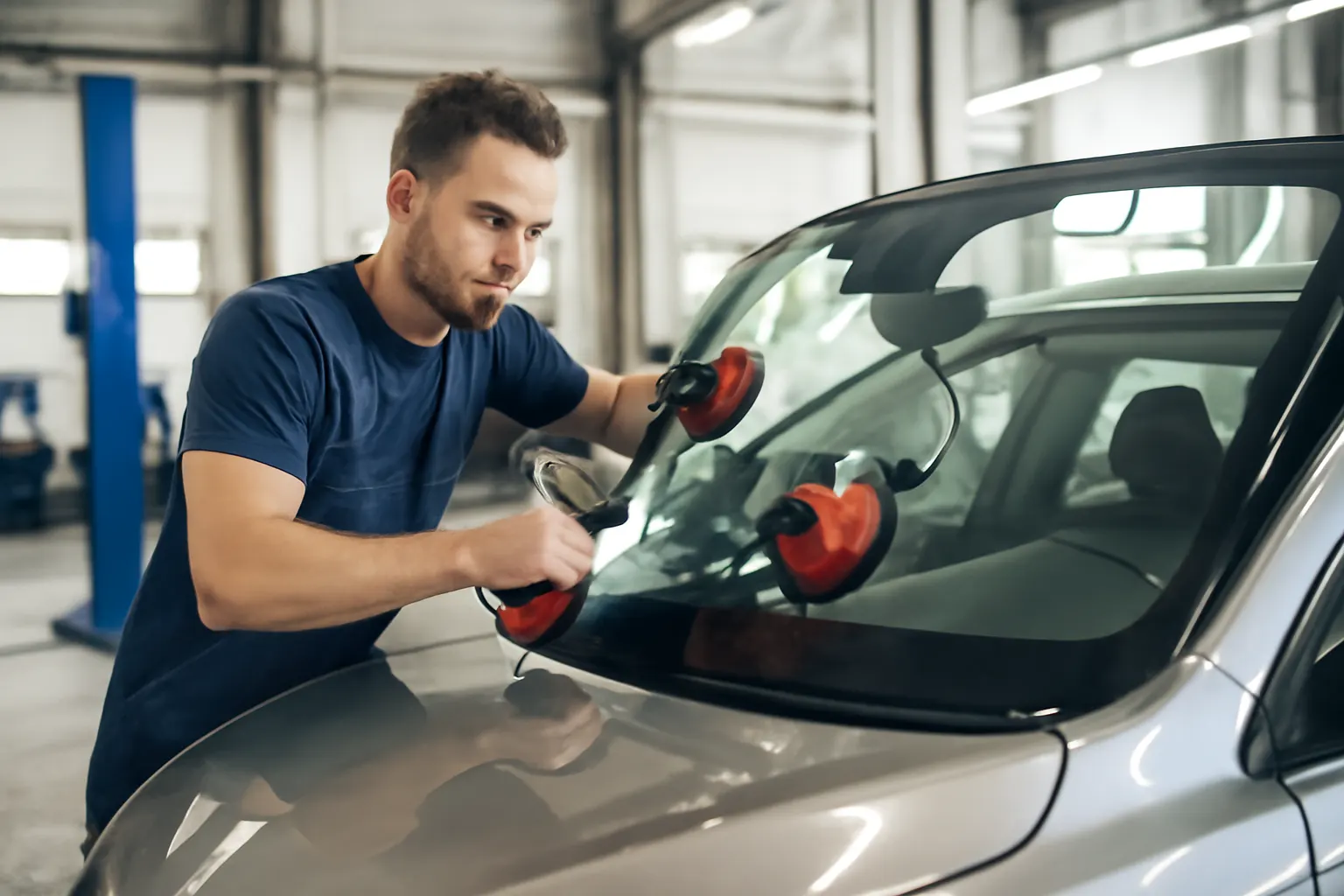
Windshields aren’t just barriers against the elements—they’re integral to the structural and technological systems of modern vehicles. The glass itself is often engineered to specific thicknesses, curvatures, and optical properties to work with ADAS sensors. During replacement, even minor shifts in camera mounting positions or angles can throw off the calibration.
Most forward-facing cameras are attached to a bracket on the inside of the windshield. When the glass is removed and replaced, the bracket may move slightly, or the new glass may sit at a different angle. Since ADAS relies on precise geometry to interpret the road, these small differences can have major impacts on system accuracy.
Types of ADAS Calibration: Static vs. Dynamic
There are two primary types of ADAS calibration after windshield replacement: static and dynamic.
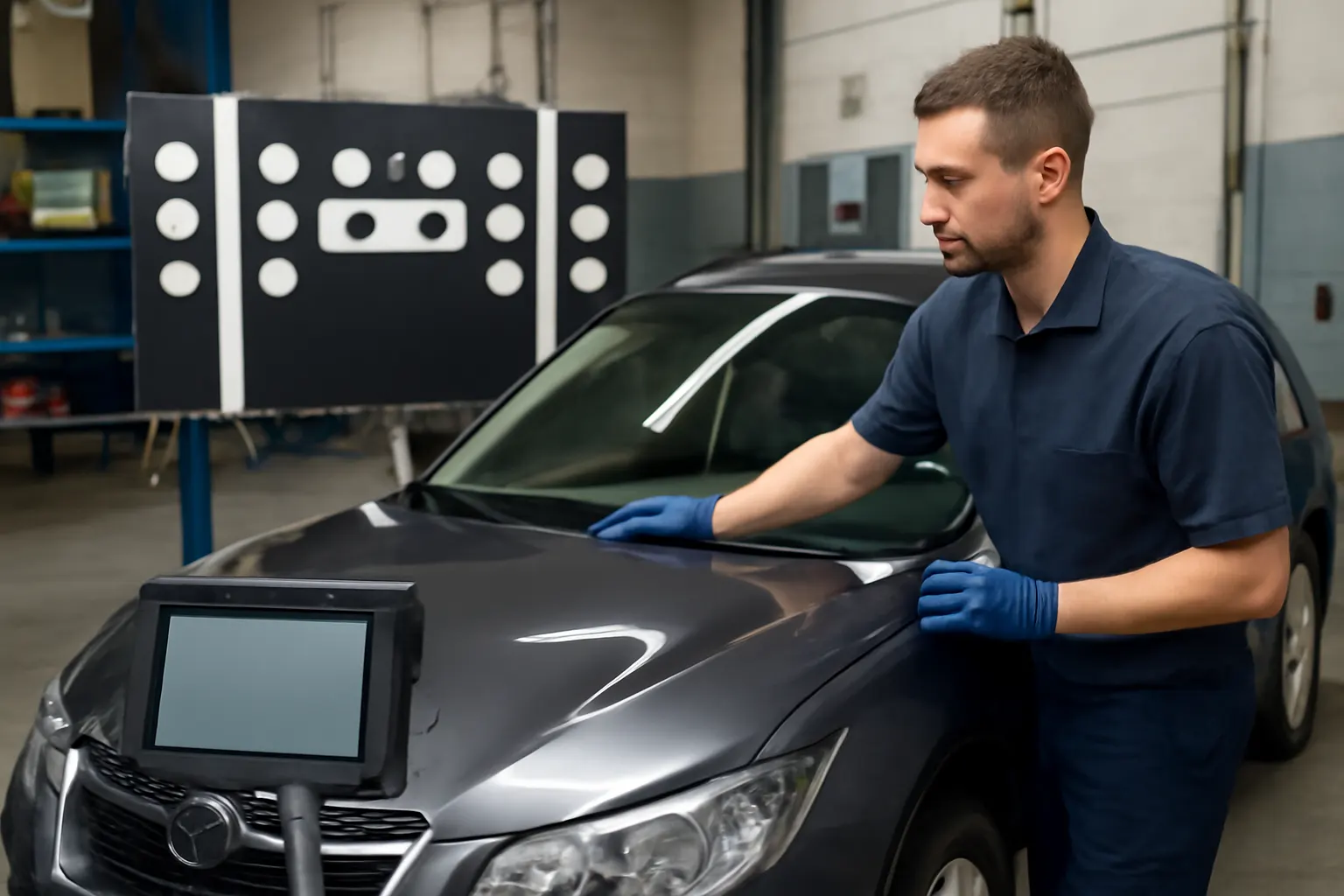
- Static Calibration is performed in a controlled environment with the vehicle stationary. Specialized targets and equipment are positioned at exact locations relative to the vehicle, allowing the system to recalibrate its sensors and cameras.
- Dynamic Calibration requires driving the vehicle on well-marked roads at specific speeds, allowing the system to recalibrate by observing real-world conditions.
Some vehicles require a combination of both methods. The calibration process must follow manufacturer specifications and use certified tools to ensure accuracy. Skipping or improperly performing calibration can invalidate the results and compromise safety.
What Systems Are Impacted by Windshield Replacement?
The following ADAS features are commonly affected by windshield replacement:
Advertisement
- Lane Departure Warning (LDW)
- Lane Keeping Assist (LKA)
- Forward Collision Warning (FCW)
- Automatic Emergency Braking (AEB)
- Adaptive Cruise Control (ACC)
- Traffic Sign Recognition (TSR)
- Automatic High-Beam Control
All of these rely on forward-facing cameras or sensors typically mounted behind the windshield. Any change to the glass or its mounting can affect their alignment and function.
Recognizing When ADAS Calibration Is Required
Not every windshield swap triggers a calibration requirement—but for most late-model vehicles with ADAS, it’s mandatory. Here’s a checklist to help you determine if calibration is needed:
ADAS Calibration Necessity Checklist
- Does your vehicle have any ADAS features (LDW, ACC, AEB, etc.)?
- Was the windshield replaced, removed, or reseated for any reason?
- Was the forward-facing camera bracket disturbed or replaced?
- Did the vehicle’s camera or sensor receive a software update?
- Did you receive a warning light or error message after glass work?
- Does your vehicle’s owner’s manual specify calibration after glass replacement?
If you answer “yes” to any of the above, professional ADAS calibration is required before you drive.
How Professional ADAS Calibration Is Performed
A proper ADAS calibration process involves several steps:
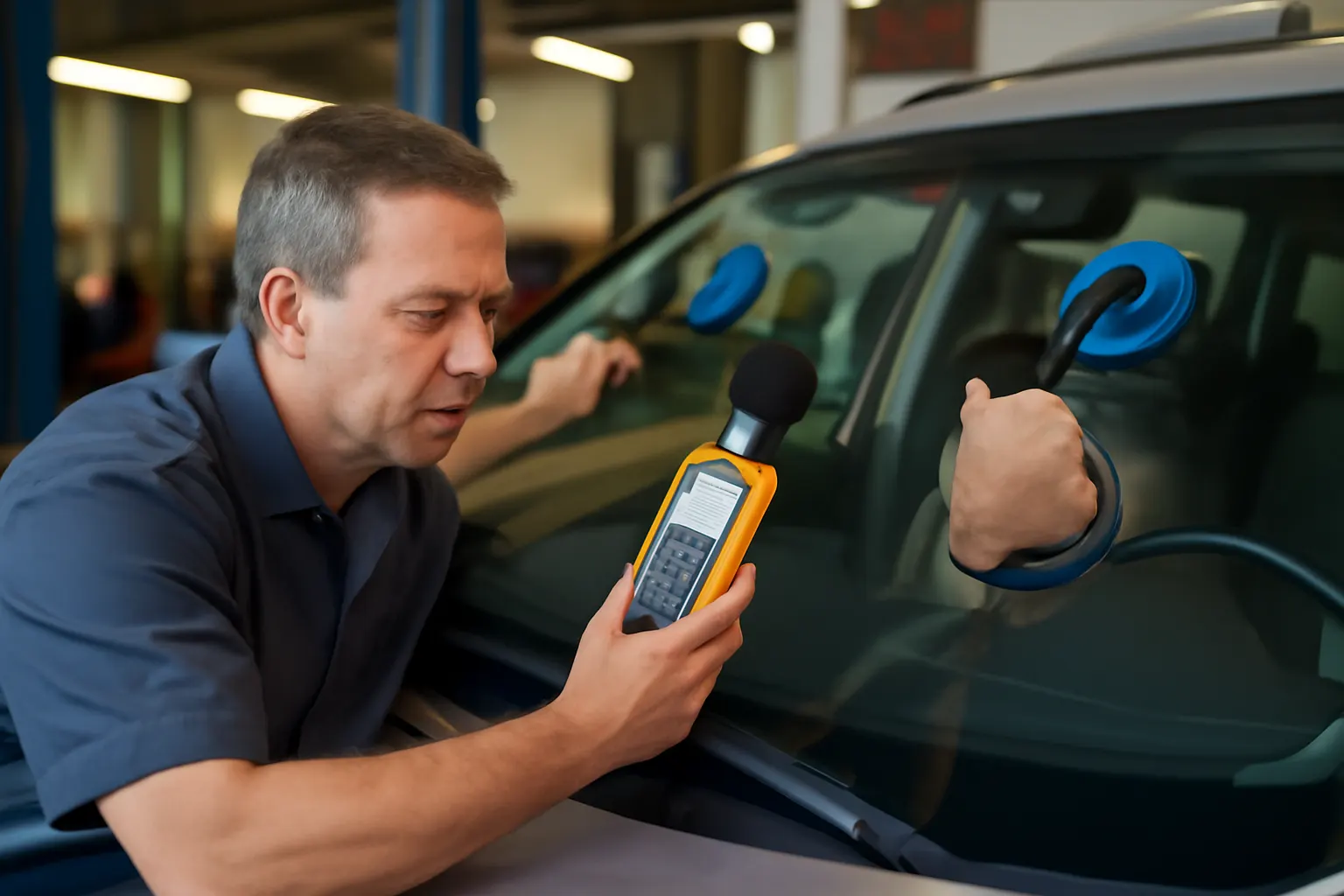
- Initial Diagnostic Scan: Technicians use an OBD-II scanner to check for any existing ADAS fault codes.
- Preparation: The vehicle is placed on a level surface, with tires at manufacturer-recommended pressures and a full fuel tank to ensure proper ride height.
- Target Placement (Static Calibration): Calibration targets are set up at precise distances and angles according to manufacturer specs.
- System Calibration: The technician uses specialized software and tools to align the cameras and sensors, confirming sensor “vision” matches factory parameters.
- Dynamic Calibration (if required): The vehicle is driven on a prescribed route while the system monitors lane markings and traffic conditions to complete calibration.
- Final Scan and Road Test: A post-calibration diagnostic ensures all ADAS systems are functioning properly and no new fault codes are present.
Not all shops are equipped for ADAS calibration. Always verify that your glass installer has the proper training, equipment, and certifications.
The Role of OEM vs. Aftermarket Windshields in ADAS Performance
The choice between OEM (Original Equipment Manufacturer) and aftermarket windshields directly impacts ADAS calibration. OEM windshields are manufactured to the exact specifications, thickness, and optical clarity required by vehicle engineers. Aftermarket glass may differ slightly in curvature, tint, or mounting bracket placement, potentially complicating calibration.
While high-quality aftermarket windshields are available, it’s crucial to select glass that meets or exceeds OEM standards, especially for vehicles with ADAS. Consult with your installer and request documentation on glass compatibility with your system.
For a deeper dive into the technical evolution of automotive glass and its role in vehicle safety, see The Evolution of Automotive Glass Technology.
Common Calibration Pitfalls and How to Avoid Them
Calibration errors can occur for a variety of reasons:
- Improper Target Placement: Even minor misalignment of calibration targets can result in inaccurate sensor readings.
- Unleveled Vehicle: Calibration must be performed with the vehicle on a perfectly level surface.
- Incorrect Tire Pressure or Load: Vehicle ride height affects camera and sensor angles.
- Environmental Factors: Lighting, reflections, and even weather can impact calibration accuracy.
- Use of Non-Approved Glass: Windshields that don’t meet manufacturer specs can cause perpetual calibration failures.
To avoid these pitfalls, always work with a certified shop that follows OEM calibration procedures and uses manufacturer-approved equipment.
What Happens If You Skip ADAS Calibration?
The consequences of neglecting ADAS calibration after windshield replacement are significant:
- Compromised Safety: Lane-keeping, collision avoidance, and emergency braking systems may not work as intended.
- Legal and Insurance Issues: Some insurers require proof of calibration after glass replacement; failure to comply can result in denied claims.
- Dashboard Warnings: Uncalibrated systems may trigger warning lights or disable ADAS features entirely.
- Potential Recalls: Vehicles with improperly calibrated safety systems may be subject to recalls or safety bulletins [^2].
Advertisement
Ultimately, skipping calibration puts you, your passengers, and others on the road at risk.
How to Choose the Right Shop for ADAS Calibration
Not all glass shops are created equal when it comes to ADAS calibration. Here’s what to look for:
- Certification: Technicians should be certified by recognized bodies and trained in your vehicle’s specific ADAS systems.
- Equipment: The shop should have the latest calibration tools, including digital target boards and OEM-compatible software.
- Documentation: You should receive detailed documentation of the calibration process, including before-and-after diagnostic scans.
- Warranty: Reputable shops stand behind their work with a calibration warranty.
Ask your installer about their calibration process before scheduling your windshield replacement. It’s your safety on the line.
Maintenance and Post-Calibration Checks
After your windshield has been replaced and ADAS recalibrated, ongoing vigilance is necessary:
- Monitor for Warning Lights: If any ADAS-related warning lights appear, return to the shop for a diagnostic scan.
- Regular Inspections: Have your ADAS system checked during routine service, especially if you notice changes in performance.
- Keep Windshield Clean: Dirt, debris, and obstructions can interfere with sensors and cameras.
- Avoid Modifications: Stickers, dash cams, or aftermarket tint films near the camera area can impact ADAS performance.
If you suspect any issue with your ADAS after a windshield replacement, address it promptly—delaying can lead to bigger problems down the road.
Sourcing the Best Windshield and Calibration Services
When it comes time for a windshield replacement, sourcing the right glass and calibration service is critical. Here’s a step-by-step guide:
- Identify Your Vehicle’s ADAS Features: Consult your owner’s manual or a trusted technician to determine which systems are present.
- Specify OEM or Certified Aftermarket Glass: Request documentation of ADAS compatibility.
- Verify Shop Capabilities: Confirm that your installer is equipped and certified for ADAS calibration.
- Request a Pre- and Post-Calibration Report: This is your proof that all systems were checked and correctly aligned.
- Retain All Documentation: Store calibration records with your vehicle’s maintenance history for future reference.
For more guidance on glass selection and installation, check out our Comprehensive Glass Repair Guide.
The Future of ADAS and Windshield Integration
As automotive technology evolves, the integration between windshields and ADAS will only deepen. The latest materials and sensor technologies are pushing the boundaries of what glass can do. According to the United States Department of Energy, advances in materials technologies are improving both vehicle safety and performance 1.
Expect to see more vehicles with embedded sensors, heads-up displays, and even augmented reality projections—all of which will require even more precise calibration and specialized glass. Staying current with these trends is essential for shop owners, technicians, and vehicle owners alike.
AutoPartEx: Your Partner in Safe Windshield Replacement and ADAS Calibration
At AutoPartEx, we recognize that the intersection of glass technology and vehicle safety is a rapidly advancing field. Our commitment is to provide you with the most accurate, up-to-date information and connect you with certified professionals who can ensure your ADAS systems are properly calibrated after every windshield replacement.
Explore our Windshield Replacement & Upgrades: OEM and Aftermarket Solutions category for more in-depth resources, or contact us for recommendations on trusted installers in your area.
Conclusion: Don’t Cut Corners—Calibrate for Safety
ADAS calibration after windshield replacement isn’t an upsell or an optional extra—it’s a vital safety step that protects you, your passengers, and everyone else on the road. With the right glass, the correct calibration process, and professional expertise, you can ensure your vehicle’s most advanced safety features work exactly as designed.
Don’t leave your safety to chance. Insist on professional ADAS calibration every time your windshield is replaced.
References
- Vehicle Safety and Equipment – National Highway Traffic Safety Administration
- Vehicle, Car Seat, Tire, and Equipment Recalls – NHTSA
- Materials Technologies – United States Department of Energy
Footnotes
Advertisement