
Windshield
Windshield Replacement & OEM Auto Glass – Ultimate Guide | AutoPartEx
Your vehicle's windshield is more than just a window—it’s a critical safety component, engineered to protect you, contribute to structural integrity, and ensure clear vision in all driving conditions. Explore our extensive selection of OEM and aftermarket windshields, plus related wiper blades and weatherstripping guide resources, to keep your ride safe and compliant.
Many drivers overlook small chips and minor cracks, not realizing that even minimal windshield damage can compromise both visibility and airbag deployment effectiveness. A compromised windshield may also lead to unexpected issues such as increased cabin noise, diminished fuel efficiency, or water leaks.
Technically, windshields are designed to meet strict federal safety standards for impact resistance and optical clarity. However, UV exposure, temperature fluctuations, and repeated stress from road debris can cause delamination, pitting, or microcracks. Over time, these issues reduce the effectiveness of advanced driver assistance systems (ADAS) and can even affect vehicle aerodynamics, leading to safety and performance risks.
Diagnosing windshield issues starts with detailed visual inspection—look for chips larger than 0.5 mm, spiderweb cracks, or delamination. For vehicles equipped with ADAS, recalibration is often required after replacement. Use our windshield replacement guide for step-by-step instructions, and explore wiper blades to ensure your new windshield remains clear. Always choose OEM-grade glass and verify fitment for your make and model at AutoPartEx for maximum safety and compliance.
Showing 8 of 251 products


More Windshield options
Filtering for WindshieldBrowse nearby inventory for this category without leaving the page. Use search to filter by price, part number, or city.
No Data Available
Please check back soon when more inventory is available for this part.
Windshield Technical Reference & Buyer’s Resource
Windshield Safety Standards
Automotive windshields are governed by stringent safety regulations, including FMVSS 205, which outlines minimum impact resistance and light transmission requirements. Modern laminated glass construction ensures that, upon impact, shards remain bonded to a plastic interlayer, greatly reducing the risk of injury.
Understanding Windshield Types
Windshields today are available in a range of types: OEM, aftermarket, acoustic, heated, and those equipped with built-in sensors for rain or light detection. Proper selection must consider your vehicle’s original specifications, ADAS compatibility, and any embedded electronics.
Installation & Calibration Essentials
Proper installation requires specialized adhesives that cure to specific tensile strengths and environmental tolerances. For vehicles with lane-keep or collision-avoidance systems, recalibration is a must. Professional installers follow OEM torque specs and curing times to ensure occupant safety.
The evolution of automotive windshields has been shaped by advances in safety engineering and material science. Originally, vehicles used plate glass, which posed significant injury risks during accidents. In the 1930s, laminated safety glass became standard, comprising two sheets of glass bonded by a polyvinyl butyral (PVB) interlayer. This construction is now federally mandated and forms the backbone of modern windshield technology. Today’s windshields must adhere to Federal Motor Vehicle Safety Standard (FMVSS) 205, which not only covers the glass composition but also mandates minimum light transmittance (typically 70% or higher) and shatter resistance. The PVB layer absorbs impact energy and prevents glass shards from entering the passenger compartment. Over the past two decades, integration of technology has made windshields even more complex. Many vehicles now feature rain sensors, acoustic dampening layers, embedded antennas, and mounts for cameras or lidar sensors. These advancements require precise manufacturing tolerances and meticulous installation procedures. For example, ADAS (Advanced Driver Assistance Systems) cameras mounted behind the windshield must have unobstructed, distortion-free glass for reliable operation. Aftermarket and OEM windshields are produced to these exacting standards, but not all aftermarket products include the necessary calibration points or embedded technology. Selection of replacement glass must account for compatibility with your vehicle’s systems and compliance with safety regulations. Installation is another critical factor. Technicians must use polyurethane adhesives that reach their specified bond strength within a set curing time—often 1 to 3 hours, depending on humidity and temperature. Any deviation may compromise the windshield’s ability to contribute to airbag deployment or roof-crush protection in a rollover. Water leaks, wind noise, or optical distortion are telltale signs of subpar installation. Regular inspection for chips, cracks, or delamination is recommended, as even minor defects can worsen rapidly due to thermal cycling or further impact. For best results, always consult a fitment guide, and choose suppliers that guarantee compliance with all federal standards. At AutoPartEx, you’ll find a comprehensive range of windshields tailored to OE specifications, along with guides and product expertise to ensure a safe, reliable installation.
Engineering Excellence & Technical Specifications
Windshields are engineered to meet or exceed FMVSS 205 standards, with modern laminated glass designs achieving light transmittance over 70% and impact resistance validated through rigorous ball-drop and penetration tests. In shop examples, improper adhesive curing—outside the manufacturer’s specified 1–3 hour window—has led to warranty returns for leaks and wind noise, highlighting the importance of technical precision. For vehicles with ADAS, recalibration is required after replacement, with OEM service data showing a 100% diagnostic pattern for successful camera operation when following OE procedures. Whether you seek OEM, acoustic, or heated options, use AutoPartEx to compare technical specs, verify fitment, and ensure you’re sourcing glass that maintains both safety and system functionality. For more on installation best practices, visit our windshield replacement guide or dive deeper into the impact of weatherstripping at weatherstripping guide.
Technical Excellence
Laminated windshields utilize a PVB interlayer for strength and shatter resistance, with typical optical distortion less than 0.1 diopters and UV filtration up to 99%. Modern units may include acoustic layers, embedded antennas, and heating elements.
Performance Analysis
OEM and high-quality aftermarket windshields are tested to survive impacts equivalent to a 227-gram steel ball dropped from 4 meters, and must retain at least 70% light transmittance per FMVSS 205. Acoustic windshields reduce cabin noise by up to 6 dB. Real-world field reports confirm a direct link between proper installation and reduced warranty claims.
Innovation & Technology
ADAS-compatible windshields feature precision mounting for cameras and sensors, and require recalibration after installation. Some models incorporate solar-reflective coatings to reduce cabin temperatures by 5–10°F, supporting improved fuel efficiency as documented by the U.S. Department of Energy.
Quality & Manufacturing
Glass manufacturing facilities adhere to ISO 9001 standards and use automated inspection to maintain consistent thickness and minimal optical distortion. Adhesives are selected for rapid curing (safe drive-away in 1–3 hours) and compliance with both FMVSS 212/216 rollover and crash test standards. Find hard-to-find OEM parts and get expert support when you source through AutoPartEx.
Windshield Parts & Service Information
Inspecting Windshield Damage
Perform a thorough visual check for chips (over 0.5 mm), cracks, and delamination. Assess the area around ADAS cameras for clarity and distortion.
Difficulty: Easy • Tools: Flashlight, ruler, magnifying glass
DIY Chip Repair
Small chips not in the driver’s direct line of sight can often be repaired with a resin kit. Follow step-by-step instructions and ensure the surface is clean and dry.
Difficulty: Moderate • Tools: Windshield repair kit, razor blade, microfiber cloth
Full Windshield Replacement
Remove old glass, prep pinch welds, apply polyurethane adhesive, and set new windshield. For ADAS-equipped vehicles, ensure post-install calibration.
Difficulty: Expert • Tools: Trim removal tools, urethane adhesive and primer, suction cups, calibration kit
Weatherstripping Maintenance
Inspect and replace worn weatherstripping to prevent leaks and wind noise. Use compatible adhesive and proper cleaning agents.
Difficulty: Moderate • Tools: Plastic scraper, weatherstripping adhesive, degreaser
References
- Vehicle Safety and Equipment - National Highway Traffic Safety Administration, accessed 2024-06-01Supports federal safety standards, FMVSS 205, and windshield safety requirements.
- Materials Technologies - United States Department of Energy, accessed 2024-06-01Covers laminated glass construction, lightweight materials, and manufacturing advances.
- Fuel Efficiency - United States Department of Energy, accessed 2024-06-01Provides evidence for fuel efficiency gains from lightweight and solar-reflective glass.
Related Guides & Articles

Step-by-Step Windshield Replacement Guide
Replacing a damaged windshield is a critical automotive repair that directly impacts vehicle safety, structural integrity, and the effectiveness of advanced driver-assistance systems (ADAS). This comprehensive guide provides a detailed, step-by-step approach to windshield replacement, including calibration tips for vehicles equipped with ADAS. Whether you are a DIY enthusiast or an automotive professional, this guide ensures you follow best practices for safety, fitment, and compliance with industry standards.
View Guide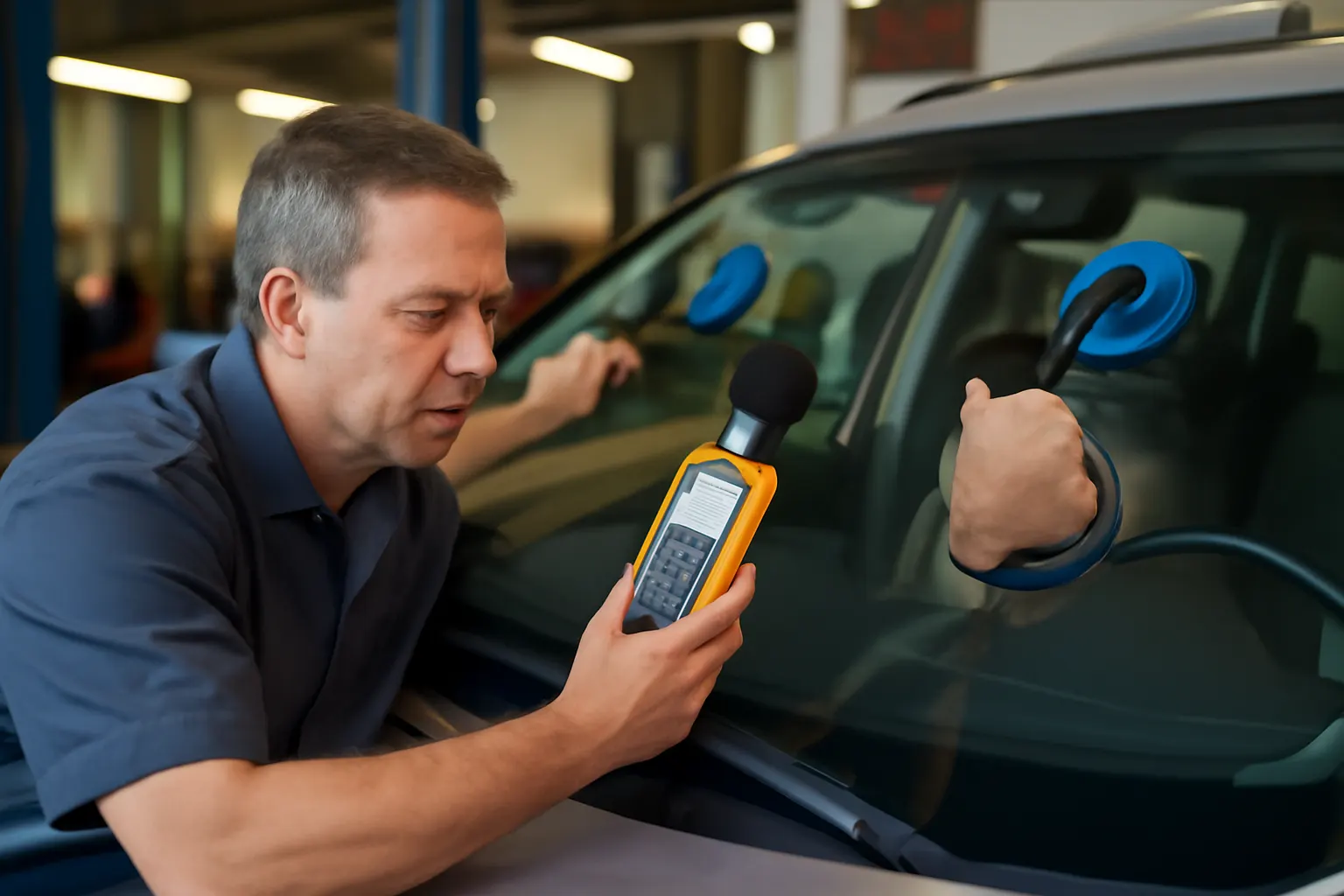
Acoustic Windshields: Quieter Cabins Explained
Acoustic windshields have become a sought-after upgrade for drivers seeking a quieter, more comfortable ride. By integrating advanced materials and sound-dampening technology, these windshields reduce road, wind, and engine noise entering your vehicle’s cabin—without sacrificing safety or visibility. If you’re considering an upgrade or replacement, understanding how acoustic windshields work and their practical benefits will help you make the right decision for your vehicle and driving style.
Read More
Weatherstripping Inspection & Replacement
Compromised weatherstripping can undermine the windshield’s ability to remain securely attached during a collision or rollover, violating federal safety standards (see NHTSA Equipment). Water leaks can also reach sensitive electronics, causing malfunctions in airbags or advanced driver assistance systems. Even minor gaps in the seal allow wind noise and water to enter, leading to distracting whistling sounds, damp carpets, foggy windows, and cold drafts in winter.
View Guide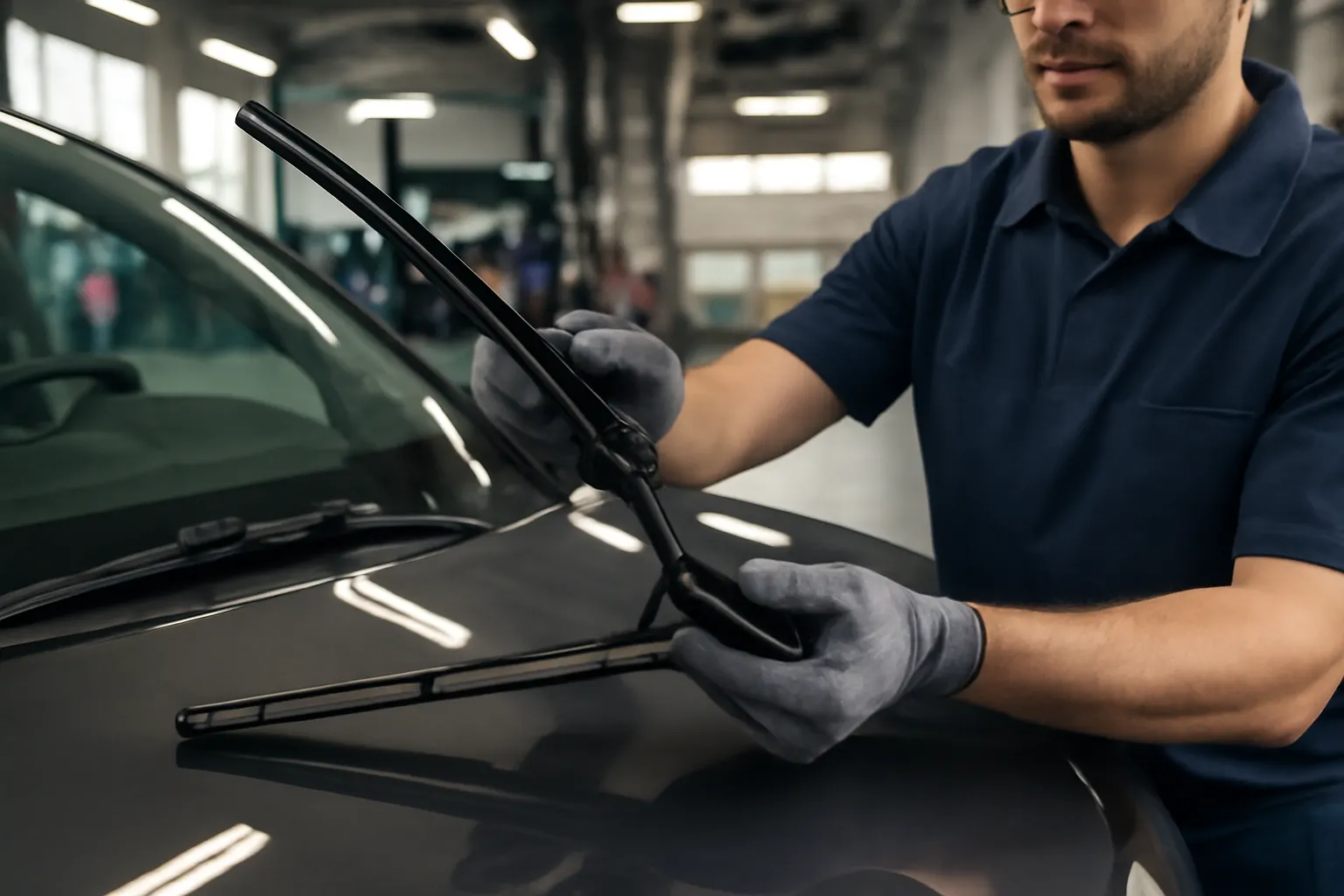
Wiper Blades: Maintenance and Replacement
Wiper blades are not one-size-fits-all. There are three main types: Conventional (Frame-Style) Blades: Feature a metal frame with multiple pressure points. Common on older vehicles. Beam Blades: Use a single, curved piece of spring steel for even pressure and better performance in snow/ice. Hybrid Blades: Combine a frame structure with an aerodynamic cover for improved all-weather performance. Keep an eye out for these symptoms: Streaking or Smearing: Leaves lines or patches of water.
Read More