Advertisement
Acoustic Windshields: Quieter Cabins Explained
Acoustic windshields have become a sought-after upgrade for drivers seeking a quieter, more comfortable ride. By integrating advanced materials and sound-dampening technology, these windshields reduce road, wind, and engine noise entering your vehicle’s cabin—without sacrificing safety or visibility. If you’re considering an upgrade or replacement, understanding how acoustic windshields work and their practical benefits will help you make the right decision for your vehicle and driving style.
For a comprehensive look at all things glass and windshield-related, see our Windshield Replacement & OEM Auto Glass – Ultimate Guide | AutoPartEx.
The Immediate Benefit: A Quieter, More Comfortable Drive
The main appeal of acoustic windshields is their ability to dramatically reduce the level of unwanted noise inside your vehicle. Traditional automotive glass allows a significant amount of wind, tire, and engine noise to penetrate the cabin. Acoustic windshields, on the other hand, use a specialized layered construction to block and absorb these sounds.
Quick Facts:
- Noise reduction: Acoustic windshields can lower cabin noise by 3–6 decibels compared to standard glass.
- Comfort: Less noise means less driver fatigue, easier conversations, and a more relaxing environment.
- No compromise: Safety, visibility, and structural integrity are maintained or enhanced.
The Hidden Problem: Why Standard Windshields Let So Much Noise In
Most drivers don’t realize how much of their daily stress and fatigue is caused by persistent, low-level noise inside their vehicles. Standard windshields are made of laminated glass—two sheets of glass bonded with a polyvinyl butyral (PVB) interlayer. While this construction provides excellent impact resistance and safety, it isn’t optimized for blocking airborne sound, especially in the low- to mid-frequency ranges (like tire hum or wind rush).
The result: Even in modern cars, the cabin can become a noisy environment, especially at highway speeds or in urban settings with lots of ambient noise.
Why Vehicle Noise Matters: More Than Just Annoyance
Excessive cabin noise isn’t just irritating—it can lead to real-world consequences for drivers and passengers:
- Driver fatigue: Constant noise exposure increases mental fatigue, lowers concentration, and can even impact reaction times.
- Communication: High noise levels make it harder to hear passengers, navigation systems, or emergency sirens.
- Entertainment: Audio systems sound muddier and less distinct when competing with road noise.
- Perceived quality: Many drivers associate a quieter cabin with a higher-quality, more refined vehicle.
Manufacturers and safety agencies, including the National Highway Traffic Safety Administration (NHTSA), recognize the importance of both safety and comfort in automotive glass selection.
How Acoustic Windshields Work: The Science Behind the Silence
Acoustic windshields use a specially engineered multi-layer design. The key difference is the inclusion of an advanced acoustic PVB (polyvinyl butyral) interlayer. This interlayer is formulated to dampen sound waves, particularly in the frequencies most commonly associated with road and wind noise.
Construction Breakdown
| Layer | Function |
|---|---|
| Outer Glass | Impact resistance, visibility |
| Acoustic PVB | Sound dampening, UV filtration |
| Inner Glass | Structural support, safety |
- Acoustic PVB: Thicker and more elastic than standard PVB, it absorbs and dissipates sound energy rather than allowing it to pass through.
- Glass layers: Still meet all safety and impact standards, as required by the NHTSA and other regulatory bodies.
Result: Acoustic windshields act as both a physical and acoustic barrier, blocking up to 60% more external noise than conventional glass.
Materials Technology: What Makes Acoustic Windshields Special?
Advancements in automotive materials have enabled the development of acoustic glass that is both lightweight and highly effective at noise reduction. The United States Department of Energy highlights the importance of innovative materials in improving both comfort and efficiency.
Key Material Features:
- Acoustic PVB Interlayer: Engineered to have a higher damping coefficient for sound waves.
- Laminated Glass: Maintains safety by holding together upon impact.
- UV Protection: Many acoustic windshields also filter UV rays, adding another layer of occupant protection.
Advertisement
These materials must meet strict industry standards, such as those set by SAE International, to ensure they deliver both safety and performance.
Acoustic Windshields vs. Standard Windshields: Practical Differences
If you’re weighing the benefits of upgrading, consider these practical distinctions:
| Feature | Standard Windshield | Acoustic Windshield |
|---|---|---|
| Noise Reduction | Basic | Superior (3–6 dB lower) |
| Weight | Standard | Slightly heavier |
| UV Protection | Varies | Often enhanced |
| Cost | Lower | Higher (but dropping) |
| OEM Availability | Common | Increasingly standard |
| Insurance Coverage | Often covered | May require upgrade rider |
Key Takeaway: Acoustic windshields are now standard on many mid- and high-end vehicles and are available as an upgrade or replacement for a broad range of models.
Diagnosing Cabin Noise: Do You Need an Acoustic Windshield?
Before upgrading, it’s important to determine whether an acoustic windshield will address your specific noise concerns. Not all cabin noise comes through the glass—other sources include doors, floor panels, and weatherstripping.
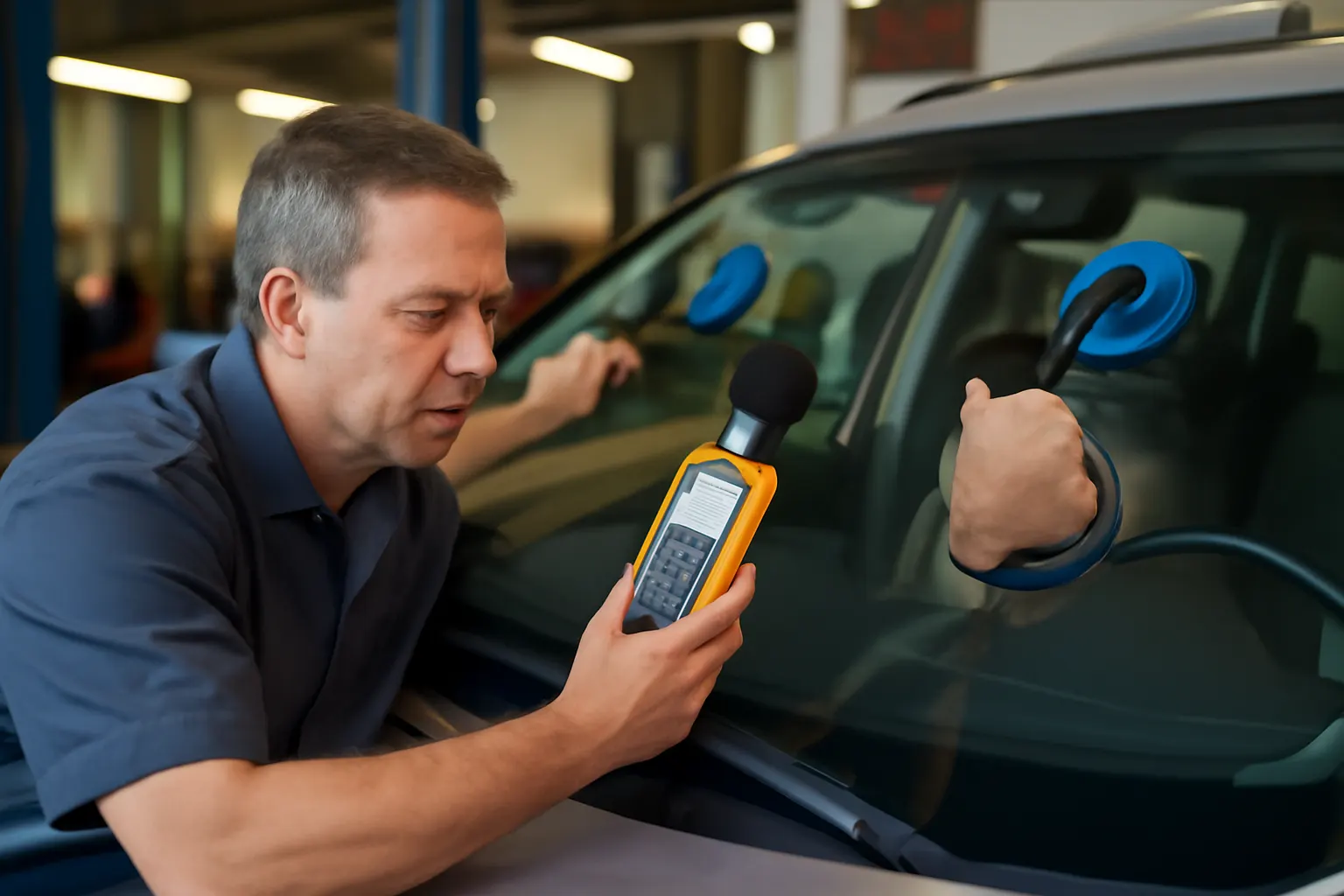
DIY Noise Source Checklist
- Drive at highway speed with the windows up. Listen for:
- Whistling (often from poor weatherstripping)
- Low-frequency hum (usually tire or road noise)
- Wind rush (typically through glass or seals)
- Tap the windshield with your knuckle. A duller sound often indicates an acoustic (thicker) interlayer.
- Check for labeling: Many acoustic windshields are marked with “acoustic” or a soundwave symbol in the corner.
- Inspect the door seals and weatherstripping for gaps or wear.
- Ask passengers: Is conversation easy at speed, or do you have to raise your voice?
If most of your noise enters through the windshield area and your vehicle does not already have an acoustic windshield, an upgrade will likely make a noticeable difference.
Buying and Sourcing: How to Find the Right Acoustic Windshield
When shopping for a replacement or upgrade:
What to Look For
- OEM vs. Aftermarket: OEM acoustic windshields are made to manufacturer specs and carry all relevant certifications. High-quality aftermarket options are also available but verify their compliance with NHTSA and SAE standards.
- Fitment: Ensure the windshield is designed for your make, model, and year. Acoustic windshields are often specific to vehicle trim levels.
- Features: Some acoustic windshields include rain sensors, heated zones, or heads-up display compatibility—match these to your vehicle’s requirements.
- Certification: Look for DOT (Department of Transportation) and SAE markings to confirm safety and quality compliance.
Sourcing Tips
- Work with reputable auto glass shops that can source acoustic windshields.
- Ask specifically for “acoustic” or “sound-dampening” glass.
- Confirm insurance coverage—some policies cover acoustic upgrades as part of windshield replacement.
For more on correct sourcing and fitment, refer to our Step-by-Step Windshield Replacement Guide.
Installation Considerations: What Makes Acoustic Glass Different?
While the installation process for acoustic windshields is similar to that of standard windshields, there are important nuances:
- Handling: Acoustic windshields are slightly heavier and require careful handling to avoid damaging the interlayer.
- Adhesives: Use only manufacturer-approved urethane adhesives to ensure proper bonding and sound isolation.
- Calibration: Vehicles equipped with ADAS (Advanced Driver Assistance Systems) may require camera and sensor calibration after windshield replacement.
- Professional Installation: Due to the complexity and safety implications, professional installation is highly recommended.
Improper installation can compromise both noise reduction and safety performance.
Maintenance and Longevity: Caring for Your Acoustic Windshield
Acoustic windshields are designed for durability, but proper care extends their effectiveness:
- Clean with non-ammonia glass cleaner and a soft microfiber cloth to avoid damaging the acoustic interlayer.
- Inspect regularly for chips or cracks. Even small defects can compromise sound insulation and safety.
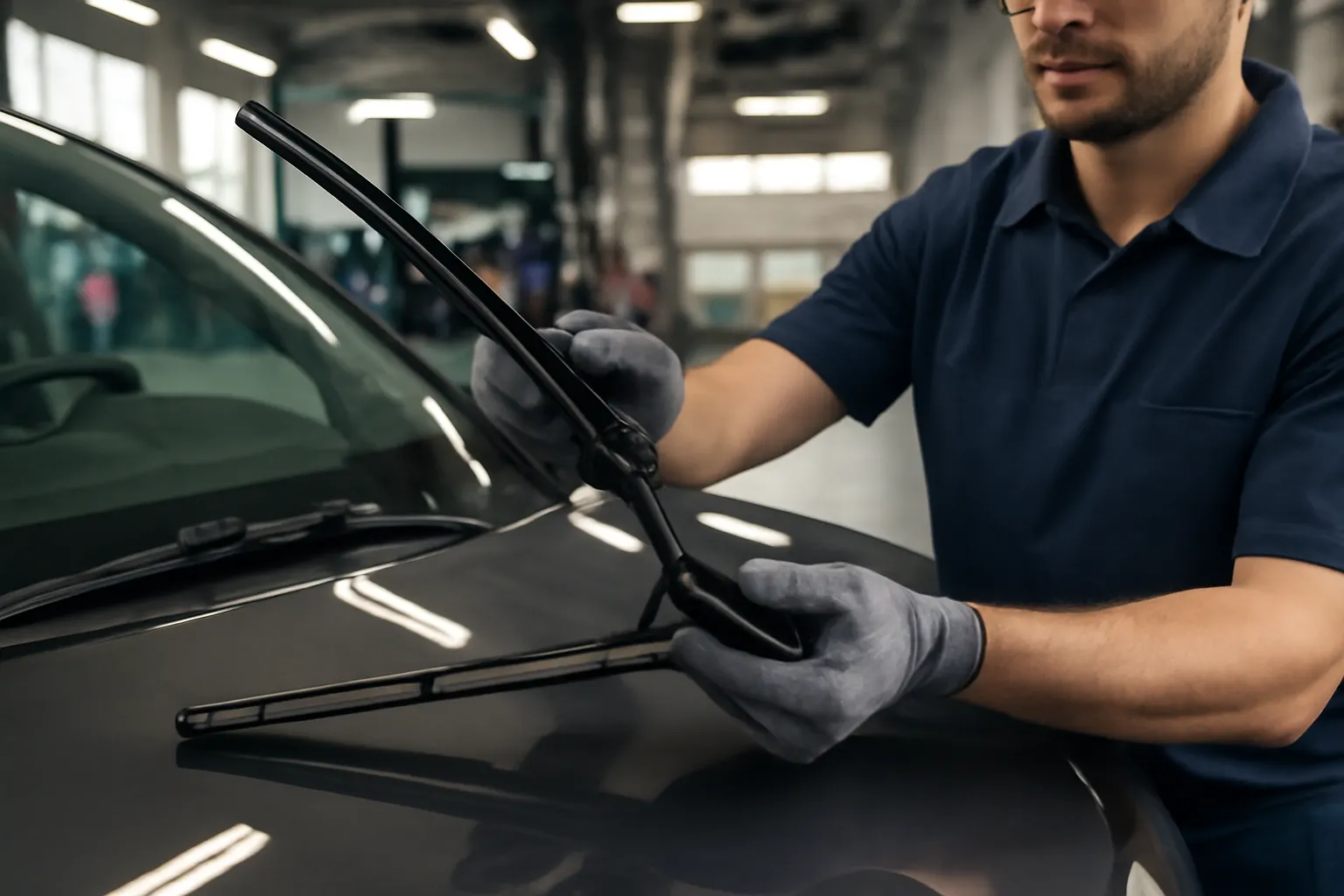
- Replace worn wiper blades to prevent scratches and streaking.
- Check surrounding weatherstripping for integrity; gaps can allow noise to bypass the glass.
Routine inspections and prompt repair or replacement of damaged glass are essential for maintaining both safety and comfort.
Advertisement
Fuel Efficiency and Acoustic Windshields: Is There a Connection?
While the primary function of acoustic windshields is noise reduction, there is a subtle link to fuel efficiency. According to the United States Department of Energy, vehicle weight and aerodynamics impact fuel economy.
- Weight: Acoustic windshields are slightly heavier (by 1–3 lbs), but this difference is negligible in real-world fuel economy.
- Aerodynamics: A properly installed windshield (acoustic or standard) maintains the vehicle’s designed airflow, helping to minimize drag and noise.
Bottom Line: The benefits of noise reduction far outweigh the minimal impact on fuel efficiency.
Common Myths About Acoustic Windshields
Myth 1: “Acoustic windshields are only for luxury cars.”
Reality: While first introduced in premium vehicles, acoustic windshields are now available on many mainstream models, either as standard equipment or an affordable upgrade.
Myth 2: “They are fragile or less safe.”
Reality: Acoustic windshields meet or exceed all safety standards for impact resistance and occupant protection, as required by the NHTSA.
Myth 3: “You won’t notice the difference.”
Reality: Most drivers report a substantial improvement in cabin quietness, especially at highway speeds or in noisy urban environments.
Troubleshooting: If Your Cabin Is Still Noisy After Upgrading
If you’ve installed an acoustic windshield but still notice excessive cabin noise:
- Check for installation errors: Gaps in the adhesive bead or improper fitment can allow noise leaks.
- Inspect door seals and weatherstripping: These are common sources of wind and road noise.
- Evaluate other glass: Side windows and rear glass may not be acoustic; consider upgrading these if available.
- Look for body leaks: Floorpan holes or firewall gaps can transmit engine and road noise.
A systematic approach to noise diagnosis will ensure you get the full benefit from your acoustic windshield investment.
Acoustic Windshield Upgrade Checklist
Before committing to an upgrade, use this checklist to ensure optimal results:
| Step | Action Item |
|---|---|
| 1. Noise Assessment | Confirm that noise is entering through the windshield area |
| 2. Research Fitment | Verify acoustic glass availability for your make/model/year |
| 3. Feature Matching | Match sensors, heating, and display features as needed |
| 4. Certification Check | Ensure DOT/SAE compliance |
| 5. Shop Selection | Choose a reputable, experienced installer |
| 6. Insurance Review | Confirm coverage or out-of-pocket costs |
| 7. Maintenance Plan | Plan for routine cleaning and inspection |
The Future of Acoustic Glass: Trends and Innovations
Automotive glass technology continues to advance, with manufacturers exploring:
- Even lighter acoustic laminates for improved fuel efficiency.
- Integrated heads-up displays and advanced sensors within acoustic glass.
- Smart glass features such as tint-on-demand and solar control.
- Enhanced UV and infrared filtration for occupant comfort and interior protection.
As these technologies mature, expect acoustic windshields to become standard on an even broader range of vehicles.
Why Choose AutoPartEx for Your Acoustic Windshield Needs?
AutoPartEx specializes in connecting drivers with the best OEM and high-quality aftermarket parts for their vehicles. Our expertise in fitment, certification, and installation ensures you get the right acoustic windshield—backed by technical guidance and up-to-date information.
- Expert recommendations: Our team stays current with the latest materials and fitment standards.
- Comprehensive guides: From wiper blades to weatherstripping inspection and replacement, we cover every aspect of windshield care.
- Customer support: We help you navigate insurance, installation, and maintenance for long-term satisfaction.
For a full overview of windshield options, visit our Windshield Replacement & OEM Auto Glass – Ultimate Guide | AutoPartEx.
Conclusion: Is an Acoustic Windshield Right for You?
If you value a quiet, comfortable cabin—whether for daily commuting, long road trips, or simply enjoying your vehicle’s audio system—an acoustic windshield is a worthwhile investment. With proven benefits for noise reduction, safety, and comfort, and with increasing availability across a wide range of vehicles, upgrading has never been more practical.
Evaluate your vehicle’s needs, assess noise sources, and consult with AutoPartEx or a trusted installer to ensure you select the best windshield for your driving experience.
References
Advertisement