Advertisement
The Evolution of Automotive Glass Technology
Advancements in automotive glass have transformed windshields and windows from simple barriers into sophisticated, multifunctional components that directly impact safety, comfort, energy efficiency, and vehicle integration. Whether you’re considering an OEM or aftermarket windshield replacement, or simply curious about the technology protecting you on the road, understanding the evolution of automotive glass is essential for making informed decisions about maintenance, upgrades, and repairs.
The Immediate Answer: Why Modern Automotive Glass Matters
Today’s automotive glass is engineered to do far more than shield occupants from wind and weather. Modern windshields and side windows are the result of decades of innovation in glass composition, coatings, and integration with vehicle systems. These advancements have made glass a structural component, a safety device, an energy efficiency enhancer, and a critical platform for technologies like Advanced Driver Assistance Systems (ADAS). For vehicle owners, this means that glass selection, installation, and maintenance are more important than ever—and that the right choice can directly affect safety, comfort, and even fuel economy.
The Hidden Problem: Complexity Behind the Pane
While the benefits of advanced automotive glass are clear, the underlying complexity is often hidden from vehicle owners. Glass is no longer a one-size-fits-all component. The wrong replacement or improper installation can compromise everything from crash safety to the function of rain sensors, heads-up displays, and lane-keeping cameras. As vehicles become more technologically advanced, so do the requirements for their glass—turning what was once a straightforward replacement into a nuanced process that requires technical expertise and careful product selection.
The Foundation: How Automotive Glass Evolved
Early Days: From Plate to Laminated Glass
Originally, automotive glass was simply a pane of plate glass, prone to shattering on impact. This changed in the 1920s with the introduction of laminated safety glass, which sandwiches a layer of polyvinyl butyral (PVB) between two layers of glass. Laminated glass holds together when shattered, dramatically reducing the risk of injury from sharp shards. By the 1970s, this technology became standard for windshields, prompted by evolving safety regulations and the need for better occupant protection.
The Advent of Tempered Glass
While windshields adopted laminated glass, side and rear windows typically use tempered glass, which is heat-treated to increase strength. When broken, tempered glass crumbles into small, blunt pieces rather than dangerous shards. This innovation improved egress in emergencies and further enhanced occupant safety.
Regulatory Influence and Safety Standards
Government regulations, such as those enforced by the National Highway Traffic Safety Administration (NHTSA), have driven continuous improvements in glass safety, crashworthiness, and performance. Today, all automotive glass must meet strict standards for impact resistance, optical clarity, and integration with vehicle safety systems. For more on safety equipment requirements, see NHTSA’s Equipment page.
Glass Composition: Beyond Basic Silica
Laminated Glass: Structure and Benefits
Modern windshields use laminated glass composed of two glass sheets bonded with a plastic interlayer (usually PVB or SentryGlas). This structure offers:
- Impact resistance: Absorbs and disperses energy from impacts.
- Acoustic insulation: Reduces road and wind noise.
- UV filtration: Blocks up to 99% of harmful ultraviolet rays.
Tempered Glass: Properties and Applications
Tempered glass, used for side and rear windows, undergoes a rapid heating and cooling process. The result is:
- 4-5x stronger than untreated glass
- Improved safety: Breaks into small, relatively harmless pieces.
- Increased resistance: Withstands thermal stress and blunt impacts.
Advanced Interlayers and Hybrid Compositions
Recent innovations include hybrid glass structures that combine laminated and tempered properties, as well as interlayers that improve acoustic performance or embed sensors and antennas.
Advertisement
Coatings and Treatments: More Than Meets the Eye
Hydrophobic and Oleophobic Coatings
Specialized coatings repel water and oil, improving visibility during rain and reducing the need for wipers. These coatings also make glass easier to clean and can extend the life of the windshield.
Infrared-Reflective and Solar Control Films
To address cabin heat and energy efficiency, manufacturers use coatings that reflect infrared (IR) rays and limit solar heat gain. This reduces air conditioning load and improves fuel efficiency—a key concern outlined by the U.S. Department of Energy.
Anti-Glare and Tinting Technologies
Anti-glare coatings reduce eye strain and improve nighttime visibility. Tinted glass, whether factory-applied or aftermarket, offers privacy and further reduces UV and IR transmission.
Embedded Sensors and Conductive Layers
Some windshields now feature embedded sensors for rain detection, automatic headlights, or even heated elements to prevent fogging and icing. Conductive coatings enable these features without compromising clarity.
Integration with Vehicle Systems: The Rise of Smart Glass
ADAS and Camera Mounting
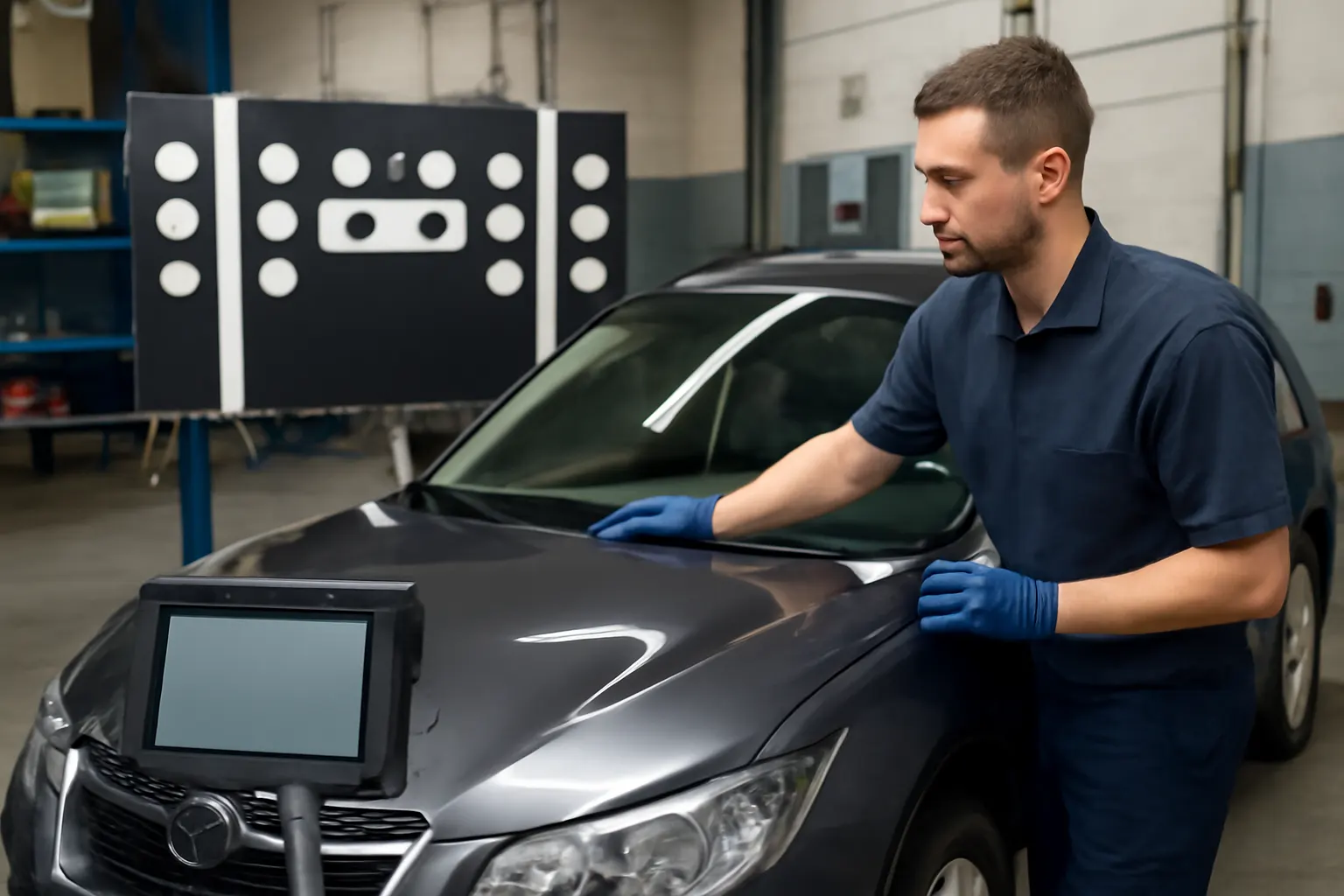
Modern windshields are integral to Advanced Driver Assistance Systems (ADAS), hosting cameras, lidar, and radar sensors. These systems require optically precise glass to function correctly. Improper glass replacement or calibration can disable features like lane-keeping assist or emergency braking. For details on post-replacement calibration, see ADAS Calibration After Windshield Replacement.
Heads-Up Displays (HUDs)
HUD-compatible windshields use special coatings or interlayers to project information directly into the driver’s line of sight without distortion or double images. This requires precise optical engineering and alignment.
Antenna and Connectivity Integration
Glass can now serve as an antenna platform for GPS, cellular, and radio signals. Conductive elements are embedded within the glass, reducing the need for external antennas and improving vehicle aerodynamics.
Energy Efficiency: Glass as a Performance Component
Lightweight Innovations
Automakers are increasingly using thinner, stronger glass and advanced interlayer materials to reduce overall vehicle weight. According to the U.S. Department of Energy’s Materials Technologies, lighter vehicles consume less fuel or battery power, directly impacting efficiency and range.
Thermal Management
Solar control glass and advanced coatings help maintain cabin temperature, reducing HVAC demand. This is especially important in electric vehicles, where energy savings translate directly to extended driving range.
Acoustic and Comfort Enhancements
Acoustic laminated glass dampens external noise, improving ride comfort and reducing driver fatigue—especially in urban environments or on highways.
Diagnostics: Assessing and Selecting the Right Glass
Choosing the correct automotive glass is more complex than matching size and shape. Here’s a diagnostic checklist to guide you:
Automotive Glass Diagnostic Checklist
- Vehicle Make, Model, and Year: Confirm exact specifications, as glass technology varies by trim and option package.
- OEM vs. Aftermarket: Determine whether original equipment manufacturer (OEM) or certified aftermarket glass is required, especially for vehicles with ADAS.
- Sensor and Camera Integration: Identify any embedded technology (rain sensors, cameras, antennas) that must be supported.
- Coating Requirements: Specify needs for hydrophobic, IR-reflective, or acoustic coatings.
- Fitment and Shape: Ensure precise contour and thickness for structural integrity and proper sealing.
- Regulatory Compliance: Verify that the glass meets safety and performance standards outlined by NHTSA and SAE.
Installation: The New Complexity
Professional Installation Is Essential
Because modern glass is a structural and technological component, installation now requires:
- Specialized tools and adhesives to ensure structural integrity.
- Calibration of ADAS sensors and cameras to restore full system functionality.
- Precise alignment to prevent leaks, wind noise, and distortion.
Common Installation Pitfalls
- Incorrect glass selection: Using non-compatible glass can disable critical safety systems.
- Improper adhesive curing: Inadequate cure times or wrong adhesives can compromise crash safety.
- Neglecting calibration: Failure to recalibrate ADAS can leave driver assistance systems inoperative or inaccurate.
For a detailed repair and installation guide, review our Comprehensive Glass Repair Guide.
Advertisement
Maintenance: Maximizing Glass Longevity
Routine Care
- Clean with non-abrasive, ammonia-free cleaners to preserve coatings.
- Inspect regularly for chips, cracks, or delamination.
- Replace wiper blades to prevent scratches and streaks.
Addressing Damage Promptly
Small chips can often be repaired if addressed quickly, preserving original glass integrity and sensor alignment. Delaying repairs can lead to spreading cracks and necessitate full replacement.
Seasonal Considerations
In cold climates, use de-icing sprays instead of hot water to prevent thermal shock. In hot climates, use sunshades and park in the shade when possible to protect coatings and reduce thermal stress.
Sourcing: Navigating the Glass Market
OEM vs. Aftermarket Glass
- OEM Glass: Manufactured to original specifications, often required for vehicles with advanced driver assistance or HUD systems.
- Aftermarket Glass: May offer cost savings and additional features (e.g., enhanced tint) but must meet or exceed safety and performance standards.
Certification and Quality Assurance
Look for markings indicating compliance with DOT and SAE standards. Reputable suppliers will provide documentation and warranty support.
Where to Buy
- Dealerships: Best for OEM glass and vehicles with complex integration.
- Certified Glass Shops: Offer both OEM and high-quality aftermarket options with professional installation.
- Online Retailers: Provide a wide selection, but require careful vetting of product compatibility and certification.
Fitment: Ensuring Proper Integration
Measuring for Fitment
- Check VIN-specific compatibility: Modern vehicles can have multiple windshield types for the same model year.
- Confirm sensor and camera mounts: Ensure correct bracketry and cutouts are present.
- Review installation instructions: Some glass requires specific adhesives or calibration steps.
Fitment Issues to Avoid
- Wind noise and leaks: Result from improper sealing or misalignment.
- Sensor malfunction: Caused by incorrect glass thickness or coating.
- Distorted vision: From substandard glass or improper installation.
Troubleshooting: Common Glass-Related Issues
ADAS Warning Lights or Malfunctions
- Cause: Misaligned or incompatible glass, uncalibrated sensors.
- Solution: Recalibrate ADAS systems after installation; replace glass with OEM or certified equivalent.
Persistent Fogging or Icing
- Cause: Failed heating elements or inadequate coatings.
- Solution: Inspect and replace glass with integrated defrost capabilities as needed.
Poor Visibility or Distortion
- Cause: Substandard glass quality, improper installation, or coating degradation.
- Solution: Replace glass; ensure proper fitment and select glass with appropriate coatings.
The Future: Smart Glass and Beyond
Electrochromic and Switchable Glass
Emerging technologies allow drivers to adjust the tint or opacity of glass at the touch of a button, improving comfort and privacy.
Integrated Displays and Augmented Reality
Future windshields may serve as interactive displays, overlaying navigation, hazard warnings, or vehicle data directly into the driver’s field of vision.
Sustainability and Recycling
Manufacturers are developing recyclable glass and sustainable interlayers to reduce environmental impact, in line with evolving materials technology initiatives.
AutoPartEx Guidance: Your Partner in Glass Technology
At AutoPartEx, we recognize that the evolution of automotive glass has made selection, installation, and maintenance more technical than ever. Our expert-vetted windshield replacement and upgrade options ensure you get the right fit and technology for your vehicle—whether it’s an OEM replacement, an ADAS-compatible windshield, or a specialized upgrade for comfort and efficiency. Our editorial resources, including the Comprehensive Glass Repair Guide and Side and Rear Glass: Selection and Installation, provide practical advice and step-by-step support for every stage of the process.
Expert Action: What to Do Next
- Assess your vehicle’s glass technology needs: Consider ADAS, HUDs, and comfort features.
- Consult certified professionals: For installation and calibration, especially with advanced systems.
- Choose certified, compatible glass: Prioritize safety and performance over cost savings.
- Maintain and inspect regularly: Address chips and cracks promptly to preserve safety and function.
- Leverage AutoPartEx resources: For the latest guidance on glass selection, repair, and upgrades.
As automotive glass continues to evolve, staying informed is the best way to ensure safety, comfort, and optimal performance on the road.
References
Advertisement