Advertisement
Why Wiper Arm Tension Matters for Safe Driving
When it comes to safe driving, few components are as crucial—yet as overlooked—as the wiper arm system. The tension of your wiper arm spring directly affects how well your windshield wipers maintain contact with the glass, dictating your visibility in rain, snow, and debris. If your wiper arm tension is off, even the best wiper blades will smear, skip, or fail to clear the windshield, putting you and your passengers at risk. This article dives deep into the science behind wiper arm tension, how it impacts safety, and what every driver needs to know to keep their vision clear and their vehicle compliant with safety standards.
For a comprehensive overview of wiper arm system components, replacement strategies, and performance tips, visit our Wiper Arm Systems: Precision, Performance, and Replacement Guide.
The Immediate Answer: Why Wiper Arm Tension Is Critical
At highway speeds or during a sudden downpour, your ability to see the road depends on the wiper arm pressing the blade evenly against the windshield. This pressure is provided by a spring mechanism in the wiper arm. If the tension is too weak, the blade lifts or chatters, leaving streaks and patches of water. If it’s too strong, the blade wears out prematurely, the motor strains, and the glass may even get scratched.
Bottom line: Proper wiper arm tension ensures maximum blade-to-glass contact, optimal clearing performance, and driver safety. The National Highway Traffic Safety Administration (NHTSA) identifies clear windshields as a non-negotiable safety requirement for all vehicles [^1].
The Hidden Problem: Tension Loss and Its Consequences
Most drivers don’t realize that wiper arm tension gradually degrades. Exposure to ultraviolet rays, temperature extremes, corrosion, and simple mechanical fatigue all conspire to weaken the spring steel. As tension drops below factory specification, you may notice:
- Streaks or un-wiped zones, especially at the edges of the sweep
- Blades skipping or lifting at speed
- Increased noise or “chattering” during operation
- Premature blade wear or uneven wear patterns
These symptoms are often blamed on worn wiper blades, but in reality, the root cause may be a tired or corroded wiper arm spring. Unaddressed, this can escalate into visibility hazards, failed safety inspections, and even accidents in adverse weather.
How Wiper Arm Tension Works: The Science and Engineering
The Spring Mechanism
The heart of the wiper arm’s effectiveness lies in its tension spring. Typically made from high-carbon or stainless steel, this spring is engineered to deliver a specific downward force—measured in newtons or pounds—across the blade’s length. The spring must maintain this force over millions of cycles and a wide range of environmental conditions.
Blade-to-Glass Contact
The wiper arm’s spring tension ensures that the flexible blade conforms to the curvature of the windshield. Insufficient tension means the blade “floats,” missing water or debris, especially at the windshield’s edges. Excessive tension can cause the blade to deform, reduce its lifespan, and even damage the windshield surface.
Materials and Durability
Advancements in materials technologies, such as improved corrosion-resistant coatings and composite spring designs, have extended the service life of modern wiper arms. However, even with these improvements, tension loss is inevitable over time due to fatigue and environmental exposure [^2].
Safety Standards and Regulatory Requirements
Wiper arm systems are not just a matter of convenience—they are regulated safety equipment. NHTSA mandates that all vehicles sold in the U.S. must be equipped with wiper systems capable of clearing the windshield effectively under specified test conditions [^1]. Failure to maintain adequate wiper arm tension can result in:
- Failed vehicle inspections
- Safety recalls (wiper arm and linkage recalls are tracked by NHTSA) [^3]
- Liability in the event of a weather-related accident
Advertisement
Automotive engineers adhere to SAE International standards for wiper system design, including minimum and maximum tension specifications, cycle durability, and corrosion resistance [^4].
Diagnosing Wiper Arm Tension Issues
Common Symptoms of Tension Loss
- Streaking or Missed Areas: Persistent streaks or un-wiped zones, especially near the blade edges.
- Blade Lift-Off: Blades lifting off the glass at speed or during heavy rain.
- Chattering or Skipping: Audible noise as the blade hops across the windshield.
- Uneven Blade Wear: One side of the blade wears faster than the other.
- Reduced Clearing Performance: Inability to clear heavy rain or snow effectively.
Quick Diagnostic Checklist
- Visual Inspection: Are the arms corroded, bent, or showing signs of fatigue?
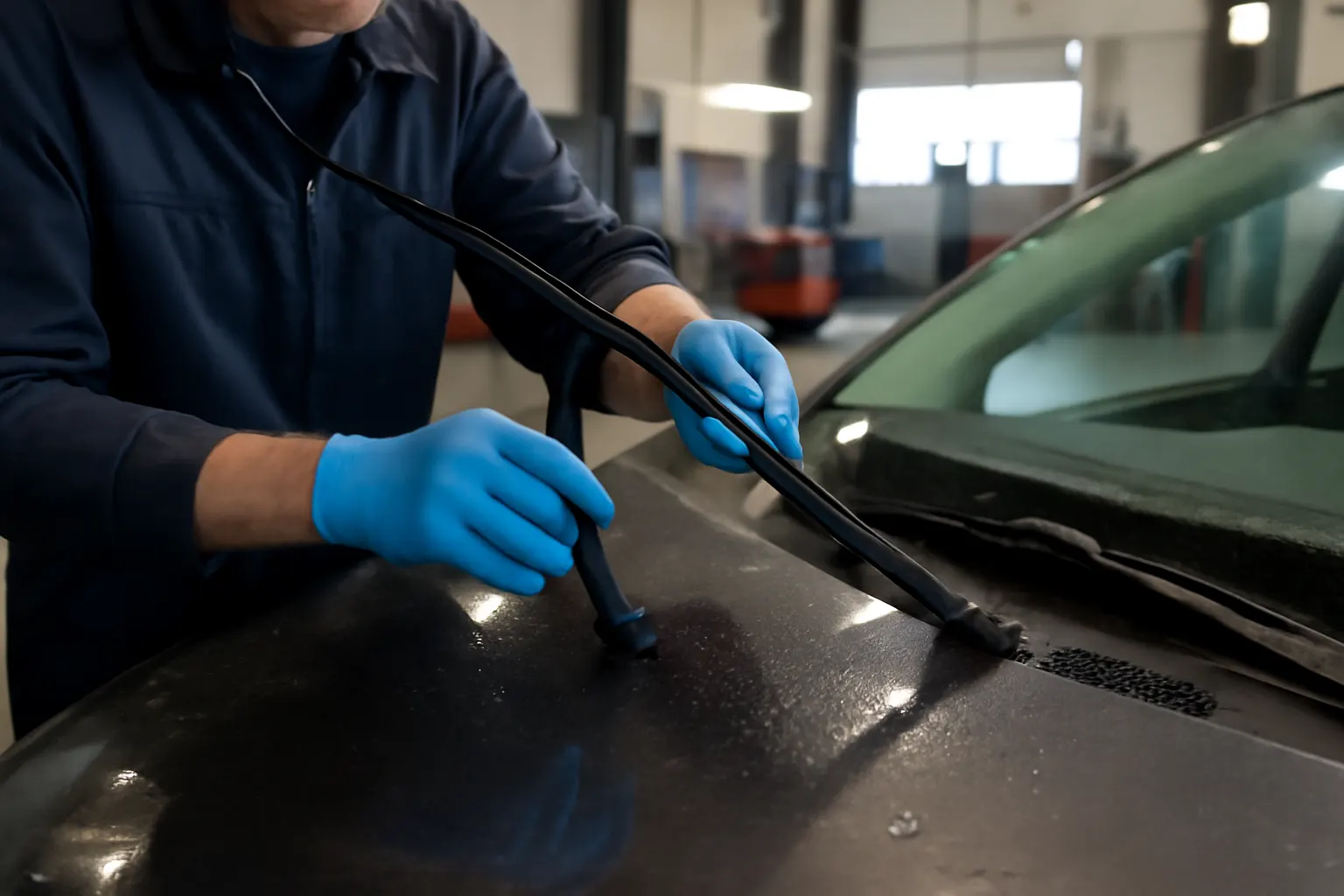
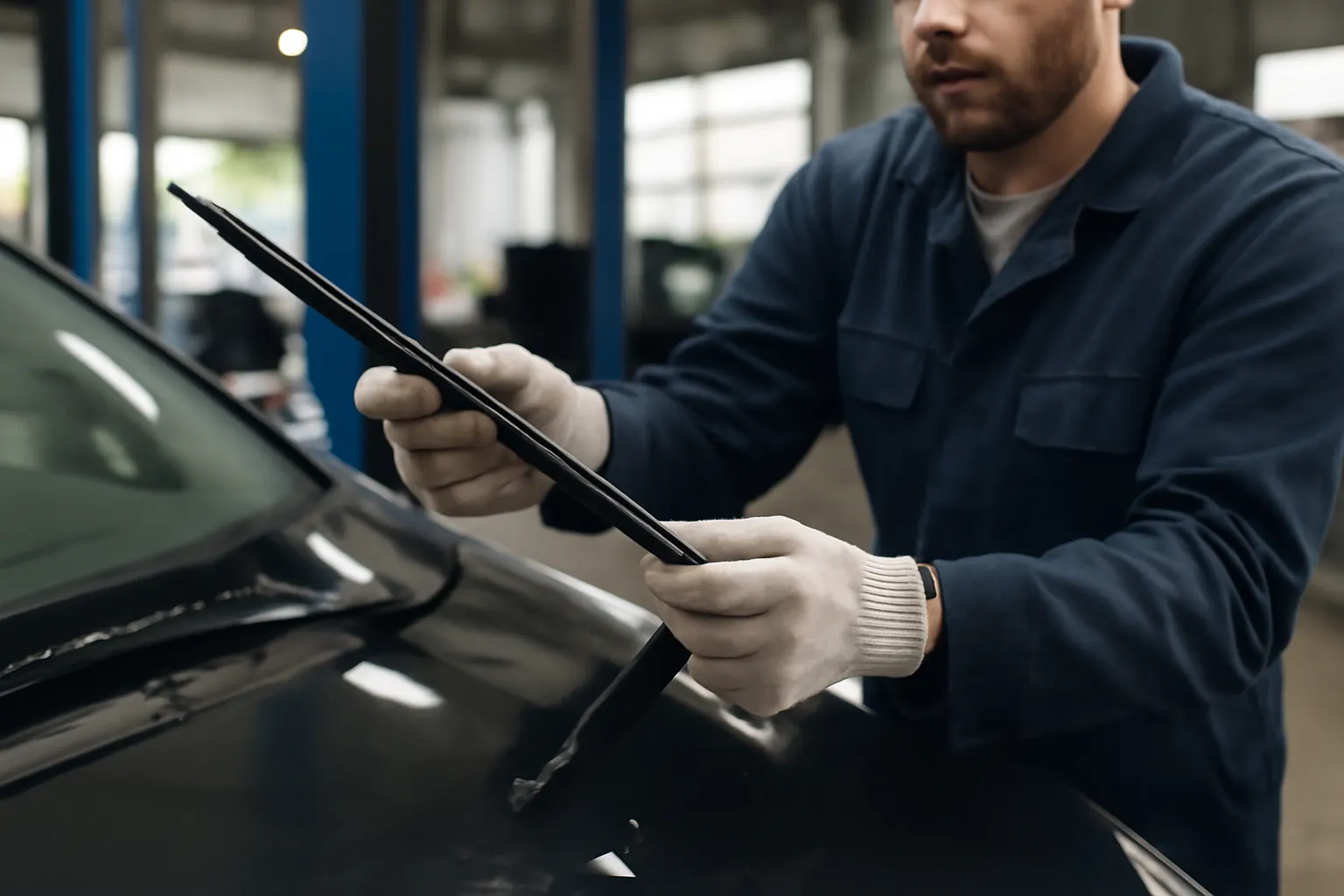
- Manual Tension Test: With the blade off the glass, gently lift the wiper arm. Does it snap back with authority, or feel weak and floppy?
- Sweep Test: Run the wipers with washer fluid. Observe for incomplete wiping, noise, or blade lift.
- Blade Condition: Are new blades wearing out rapidly? This may indicate excessive or uneven tension.
If any of these symptoms are present, it’s time to investigate further or consider wiper arm replacement.
The Cost of Ignoring Wiper Arm Tension
Overlooking wiper arm tension issues can lead to cascading problems:
- Reduced Visibility: The most immediate and dangerous consequence.
- Increased Wear: Both wiper blades and windshield glass may suffer accelerated wear.
- Motor Strain: Excess tension or friction can overwork the wiper motor, potentially causing burnout.
- Failed Inspections: Many states require functional wiper systems for annual safety checks.
- Safety Recalls: Manufacturers have issued recalls for defective wiper arm designs that lose tension prematurely [^3].
Ultimately, neglecting this simple component can compromise your safety and lead to expensive repairs.
How to Check and Adjust Wiper Arm Tension
Step-by-Step Diagnostic Procedure
- Park the Vehicle Safely: Ensure the ignition is off and the wipers are at rest.
- Lift the Wiper Arm: Gently pull the arm away from the windshield. It should offer firm resistance and snap back smartly.
- Measure Tension (Advanced): Using a spring scale, measure the downward force at the center of the blade. Consult your vehicle’s service manual or SAE standards for correct values.
- Inspect for Corrosion or Damage: Look for rust, cracks, or bent sections in the arm.
- Test Wiping Performance: With the windshield wet, operate the wipers and observe for streaks, skipping, or incomplete coverage.
Adjusting or Replacing the Wiper Arm
- Adjustment: Some wiper arms allow for minor tension adjustment via a set screw or spring preload mechanism. Refer to your vehicle’s service documentation.
- Replacement: If the arm is corroded, fatigued, or tension cannot be restored, replace the entire arm. See our How to Diagnose and Replace a Wiper Arm for step-by-step instructions.
Selecting the Right Wiper Arm: Material, Fitment, and Quality
Material Considerations
Modern wiper arms are constructed from:
- Spring Steel: Provides the necessary elasticity and fatigue resistance.
- Aluminum or Composite: Lightweight, corrosion-resistant options for high-end vehicles.
The United States Department of Energy highlights the importance of advanced materials in extending the service life and performance of automotive components [^2].
Fitment and Compatibility
Always choose a wiper arm designed for your specific make, model, and year. Incorrect fitment can result in poor tension, misalignment, or even damage to the linkage and motor. Use OEM (original equipment manufacturer) or high-quality aftermarket parts certified to meet or exceed SAE and NHTSA standards.
Quality Indicators
- Consistent Finish: Look for uniform paint or coating, free of rust or blemishes.
- Robust Spring Action: Test the arm’s snap-back force before installation.
- Secure Blade Attachment: Ensure the connection point matches your blade style (hook, pin, bayonet, etc.).
Advertisement
For help selecting the right part, review our Choosing the Right Wiper Arm for Your Vehicle.
Installation Best Practices for Wiper Arms
Proper installation is critical to achieving correct wiper arm tension and performance. Follow these guidelines:
- Clean the Mounting Area: Remove debris, rust, or old lubricant from the wiper post.
- Align the Arm: Position the new wiper arm at the correct park angle, as specified in your service manual.
- Torque to Specification: Tighten the retaining nut or bolt to the manufacturer’s recommended value.
- Test Operation: Run the wipers at all speeds and with washer fluid to confirm smooth, complete wiping.
- Check Blade Pressure: Verify that the blade maintains full contact with the windshield throughout its sweep.
Improper installation can result in poor tension, misalignment, or even damage to the wiper linkage.
Maintenance Tips to Preserve Wiper Arm Tension
Routine Maintenance Checklist
- Monthly Inspection: Visually inspect arms and blades for corrosion, fatigue, or deformation.
- Seasonal Cleaning: Clean the wiper arm pivot and spring area to remove dirt and prevent rust.
- Blade Replacement: Change wiper blades every 6–12 months, or at the first sign of streaking.
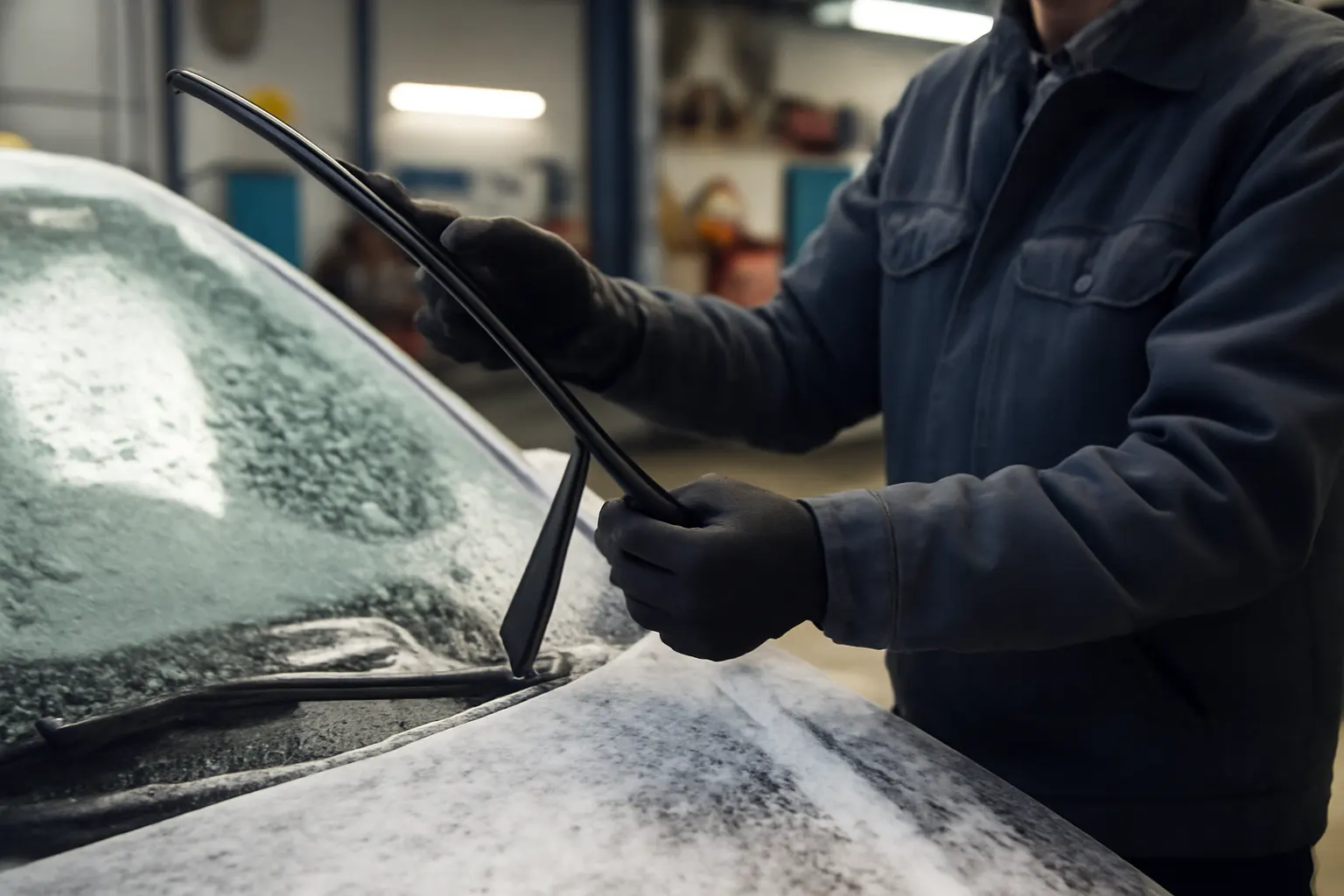
- Winter Precautions: In cold climates, lift wiper arms off the glass during ice storms to prevent freezing and spring fatigue.
- Lubricate Joints: Use a small amount of silicone spray on the pivot point to prevent seizing.
Neglecting these steps can accelerate tension loss and compromise wiping performance.
When to Replace: Recognizing the Signs
Wiper arm replacement is warranted if you observe:
- Persistent Streaks: Despite new blades and clean glass.
- Weak Snap-Back: Arm fails to return smartly to the glass.
- Visible Damage: Rust, cracks, or bends in the arm or spring.
- Repeated Blade Failures: New blades wear out rapidly or unevenly.
For a more detailed breakdown, see our Top Signs Your Wiper Arm Needs Replacement.
Addressing Wiper Arm Recalls and Safety Notices
Manufacturers occasionally issue safety recalls for wiper arm systems that fail to maintain adequate tension or exhibit premature wear. The NHTSA maintains a searchable database of such recalls 1. If your vehicle is affected:
- Contact Your Dealer: Schedule a free repair or replacement.
- Verify Part Numbers: Ensure any replacement arm meets updated specifications.
- Report Issues: If you suspect a safety defect, report it to NHTSA.
Ignoring recall notices can leave you exposed to safety risks and legal liability.
The Role of Wiper Arm Tension in Modern Vehicle Safety
Wiper arm tension is not just about comfort or aesthetics—it’s a frontline defense against weather-related accidents. As vehicles become more advanced, with features like automated driver assistance and heads-up displays, clear visibility remains a foundational safety requirement. Proper wiper arm tension ensures that rain sensors, cameras, and advanced safety systems function correctly, maintaining compliance with both regulatory and engineering standards.
AutoPartEx: Your Partner in Wiper System Safety
At AutoPartEx, we understand the critical role that wiper arm tension plays in vehicle safety and performance. Our curated selection of OEM and premium aftermarket wiper arms meets or exceeds all relevant NHTSA and SAE standards. Whether you’re a DIY enthusiast or a professional technician, we provide:
- Detailed fitment guides for every major make and model
- Step-by-step installation and maintenance resources
- Access to the latest materials technologies and safety updates
For more information, or to find the perfect wiper arm for your vehicle, explore our Wiper Arm Systems: Precision, Performance, and Replacement Guide.
Take Expert Action: Don’t Compromise on Visibility
Your safety—and the safety of everyone on the road—depends on clear vision in all conditions. Don’t wait for a storm or a failed inspection to discover that your wiper arm tension is inadequate. Inspect your wiper system regularly, address any symptoms promptly, and choose high-quality replacement parts when needed. For hands-on guidance, our How to Diagnose and Replace a Wiper Arm is an essential resource for every driver.
References
- Vehicle Safety and Equipment – National Highway Traffic Safety Administration
- Materials Technologies – United States Department of Energy
- Vehicle, Car Seat, Tire, and Equipment Recalls – National Highway Traffic Safety Administration
- SAE Standards – SAE International
Footnotes
Advertisement