Advertisement
Top Signs Your Wiper Arm Needs Replacement
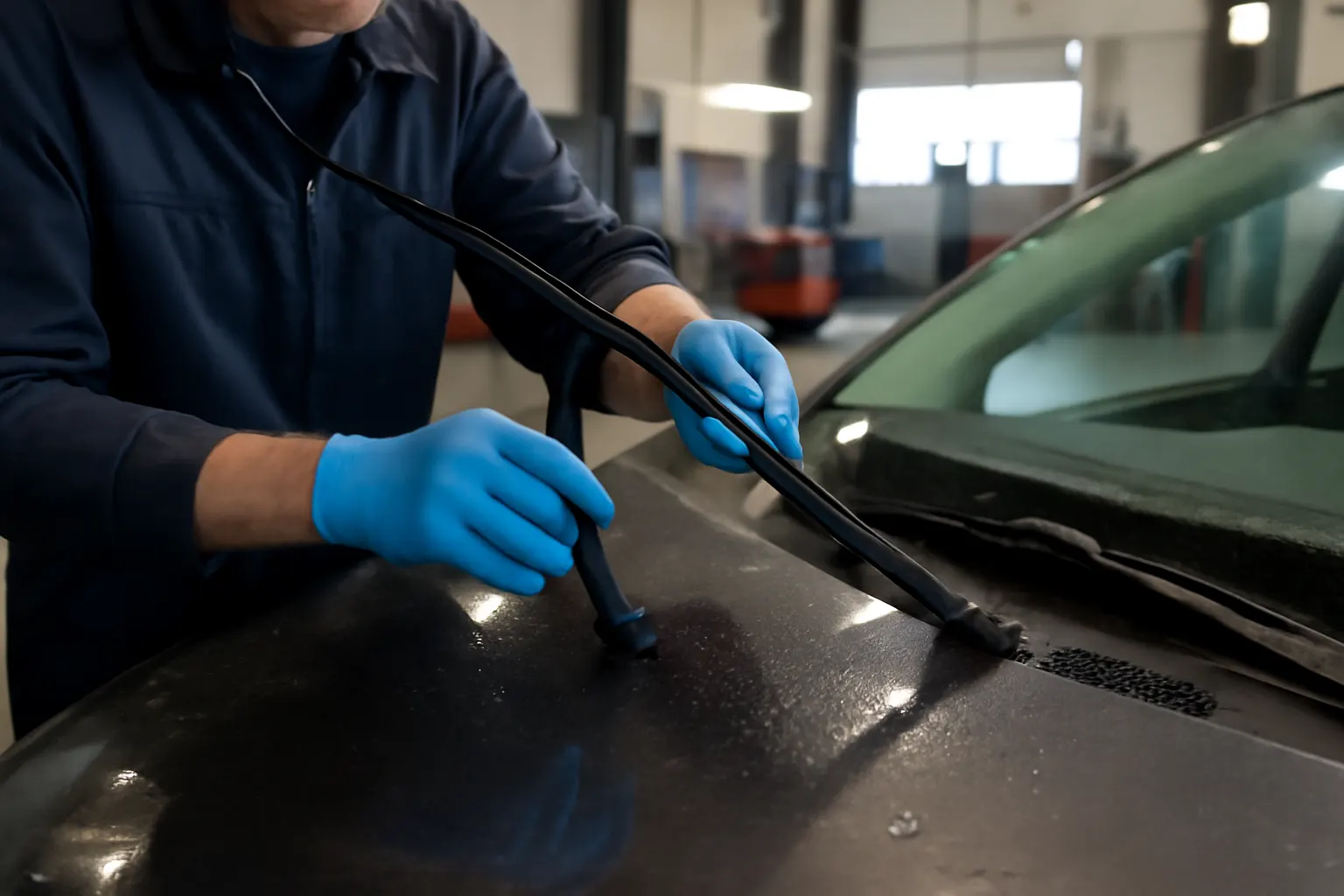
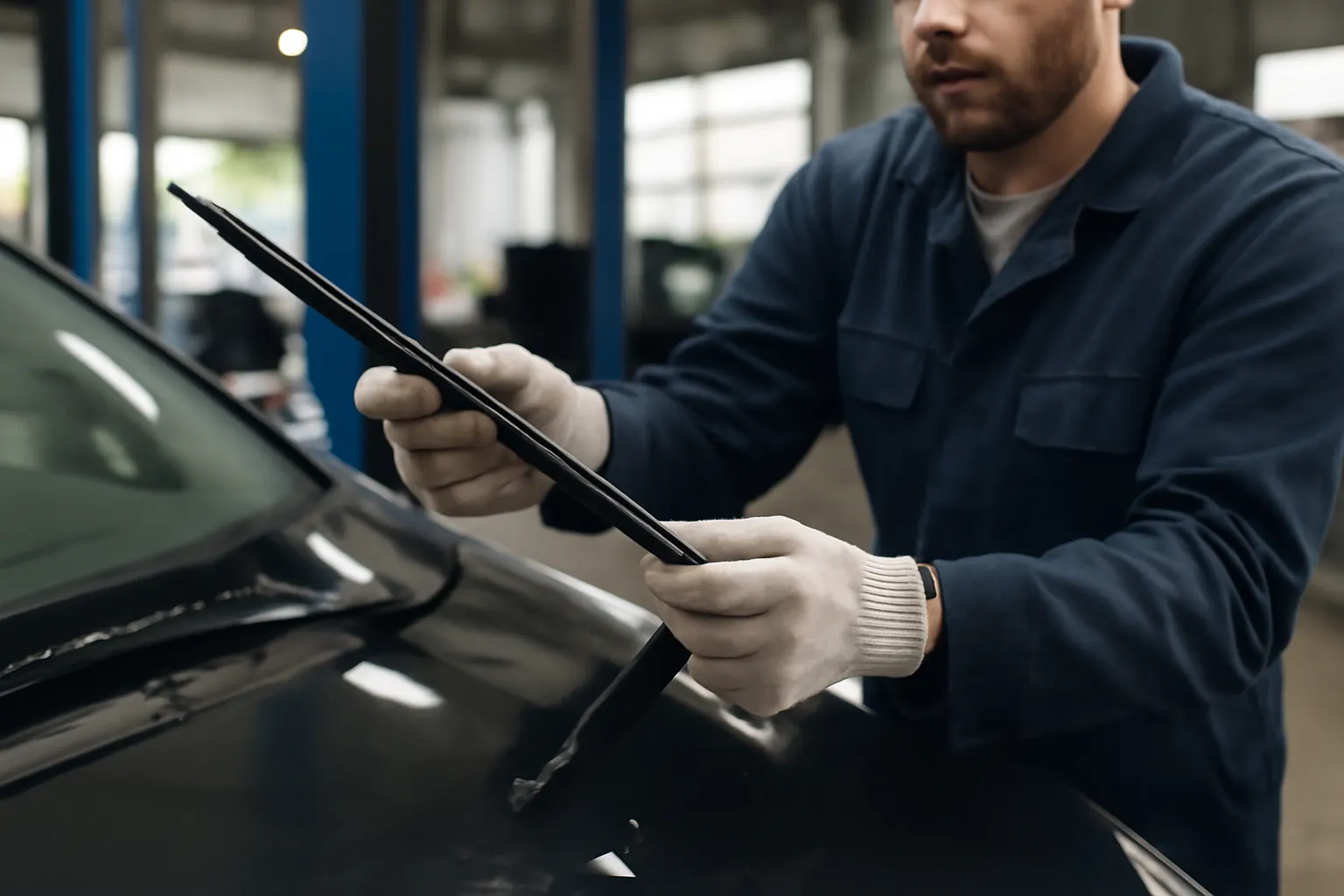
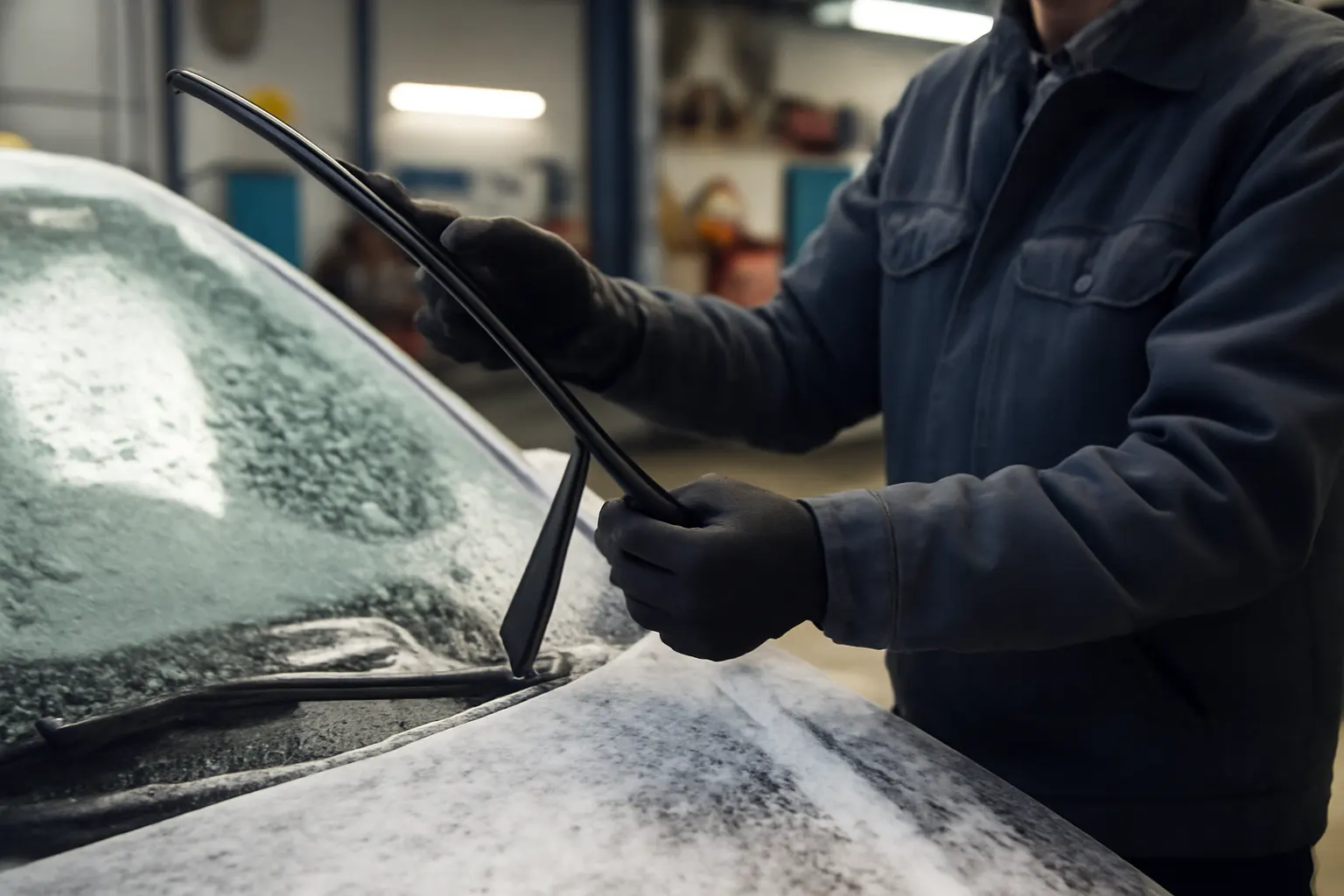
Windshield wiper arms are often overlooked—until they fail. Recognizing the top signs your wiper arm needs replacement is crucial for maintaining clear visibility, vehicle safety, and preventing costly windshield damage. In this comprehensive guide, the AutoPartEx Technical Editorial Team breaks down the warning signals, underlying technical issues, and actionable steps for diagnosing and replacing a failing wiper arm before it puts you and your vehicle at risk. For a deep dive into wiper arm system design, performance, and advanced replacement advice, visit our Wiper Arm Systems: Precision, Performance, and Replacement Guide.
Immediate Answer: The Most Common Warning Signs of a Failing Wiper Arm
A wiper arm in poor condition can quickly compromise your driving safety. Here are the most telling signs that your wiper arm is due for replacement:
- Uneven or Incomplete Wiper Blade Contact: If your wipers leave streaks, miss spots, or chatter across the glass, the arm may have lost proper tension.
- Visible Physical Damage: Bent, cracked, or corroded wiper arms cannot maintain correct pressure or alignment.
- Wipers Skipping or Lifting at Speed: High-speed airflow can cause a weakened arm to lift off the windshield, reducing effectiveness.
- Wiper Blades Not Returning to Park Position: If the arm doesn’t bring the blade back to its rest position, linkage or arm fatigue is likely.
- Unusual Noises: Squeaks, grinding, or clicking sounds often indicate binding, misalignment, or worn pivot joints.
- Loose or Wobbly Movement: Excess play at the base of the arm or inconsistent tracking means the splined connection or mounting hardware is compromised.
Ignoring these symptoms can lead to reduced visibility, scratched windshields, and even safety violations per NHTSA equipment safety guidelines.
Hidden Problem: Why Wiper Arm Failure Is More Dangerous Than You Think
Most drivers underestimate the consequences of a failing wiper arm. A compromised arm does more than just annoy you with streaks—its failure can have serious safety and financial implications:
- Reduced Visibility: Inadequate wiping leaves rain, snow, or debris on the glass, directly affecting your ability to see and react.
- Windshield Damage: A bent or loose arm may allow the metal blade frame to contact the glass, causing scratches or chips that can spread.
- Wiper Linkage and Motor Stress: A faulty arm increases resistance, potentially burning out the wiper motor or damaging the linkage assembly.
- Failed Safety Inspections: Many state vehicle inspections, guided by NHTSA standards, include wiper function as a pass/fail item.
- Increased Risk of Accidents: Poor visibility in adverse weather is a leading cause of weather-related vehicle accidents.
The wiper arm, though simple in appearance, is a critical component of the vehicle’s safety system.
Deeper Technical Explanation: How Wiper Arms Work and Why They Fail
Understanding the wiper arm’s role and construction helps clarify why prompt replacement is essential. The wiper arm is a precision-engineered lever, typically made from lightweight, corrosion-resistant steel or aluminum alloys, designed to transmit force from the wiper motor to the blade while maintaining consistent contact with the windshield.
Key Functions of a Wiper Arm
- Force Transmission: The arm applies downward pressure so the blade conforms to the windshield’s curvature.
- Dynamic Tension: Spring mechanisms inside the arm maintain tension, compensating for blade wear and glass shape.
- Articulated Movement: The pivot joint allows the arm to sweep in a controlled arc, powered by the wiper linkage and motor assembly.
Common Causes of Wiper Arm Failure
- Material Fatigue: Repeated flexing and exposure to the elements cause springs and metals to lose tension or corrode. According to the U.S. Department of Energy’s materials research, automotive metals are subject to stress, oxidation, and fatigue over time.
- Physical Impact: Ice, snow, vandalism, or improper manual adjustment can bend or break the arm.
- Wear at Pivot Points: The splined connection to the wiper motor or linkage can strip, causing loose or erratic motion.
- Corrosion: Road salts and moisture accelerate rust, especially in older steel arms.
Technical Red Flags
- Spring Weakening: Loss of tension is not always visible but results in poor blade-to-glass contact.
- Bent Geometry: Even minor bends alter the blade’s sweep and pressure profile.
- Worn Spline or Mount: Causes wobbling and can eventually lead to total arm detachment.
Advertisement
Comprehensive Checklist: Diagnosing a Failing Wiper Arm
To help you systematically assess your wiper arm condition, use this detailed diagnostic checklist:
| Symptom | Possible Cause | Diagnostic Tip | Action Needed |
|---|---|---|---|
| Streaking or missed areas | Weak spring, bent arm | Inspect blade contact along full sweep | Replace arm if tension is lost |
| Chattering or skipping | Bent arm, worn pivot | Observe wiper motion in rain | Realign or replace arm |
| Loose movement at base | Stripped spline/mount | Wiggle arm at rest; check for play | Tighten or replace hardware/arm |
| Physical damage (bends, rust) | Impact, corrosion | Visually inspect for deformities or rust | Replace arm |
| Noises during operation | Misalignment, wear | Listen for squeaks or grinding | Lubricate or replace arm |
| Poor return to park position | Linkage or arm fatigue | Observe wiper parking after shutoff | Inspect linkage and arm |
| Blade frame contacts glass | Excessive arm flex/bend | Look for metal-to-glass contact marks | Immediate replacement |
If you identify any of these issues, prompt action is required to avoid further damage or safety hazards.
The Cost of Delay: Risks of Ignoring Wiper Arm Warning Signs
Delaying wiper arm replacement can escalate minor annoyances into major repairs:
- Windshield Replacement: Scratches from exposed metal or uneven pressure can necessitate a costly windshield replacement.
- Wiper Motor Burnout: Increased resistance from a faulty arm can overwork the wiper motor, leading to premature failure.
- Failed Inspections and Fines: Non-functioning wipers can result in failed safety inspections and potential fines, as outlined by the National Highway Traffic Safety Administration.
- Accident Liability: Reduced visibility is a documented factor in weather-related accidents, which could result in legal or insurance complications.
Proactive replacement is always less expensive and safer than dealing with the aftermath of wiper arm neglect.
Step-by-Step: How to Inspect Your Wiper Arm for Wear and Damage
Regular inspection is the best preventive measure. Here’s how to perform a thorough check:
1. Visual Inspection
- Raise the wiper arm off the windshield.
- Look for bends, cracks, or rust along the arm and at the base.
- Check the spring for corrosion or loss of elasticity.
2. Tension Test
- Gently press the arm toward the windshield.
- It should offer firm resistance; a weak or floppy feel indicates spring fatigue.
3. Pivot and Spline Check
- Move the arm side-to-side at its base.
- Excessive play or wobble suggests a worn spline or mounting hardware.
4. Blade Alignment
- Lower the arm and observe the blade’s contact with the glass.
- Gaps, uneven pressure, or blade lift-off at the ends are signs of a bent or warped arm.
5. Operational Test
- Activate the wipers and watch for smooth, full-sweep motion.
- Listen for abnormal noises or skipping.
Perform these checks every 6–12 months, or whenever you notice a decline in wiping performance.
Technical Deep Dive: Materials and Engineering Behind Wiper Arm Durability
Modern wiper arms leverage advanced materials and manufacturing techniques for durability and performance:
- Lightweight Alloys: Many arms use aluminum or high-strength steel for a balance of rigidity and weight reduction, supporting overall vehicle fuel efficiency (DOE Fuel Efficiency).
- Corrosion-Resistant Coatings: Powder-coated or anodized finishes protect against rust, extending service life in harsh climates.
- Precision Springs: Engineered for consistent tension, these springs are critical for maintaining blade contact and effective wiping.
- Aerodynamic Design: Some arms incorporate spoilers or contours to reduce lift and maintain blade pressure at highway speeds.
Despite these advancements, all wiper arms are subject to wear from environmental exposure, mechanical stress, and accidental damage. Even the best-engineered arms require periodic replacement for optimal safety.
When to Replace: Manufacturer Guidelines and Service Intervals
While wiper blades typically require replacement every 6–12 months, wiper arms can last several years—provided they remain undamaged and retain proper tension. However, manufacturers and safety agencies recommend:
- Inspecting Wiper Arms Annually: Especially before winter or the rainy season.
- Immediate Replacement: At the first sign of physical damage, loss of tension, or persistent wiping issues not resolved by new blades.
- Post-Impact Replacement: If the arm has been bent or forced (e.g., during ice scraping or vandalism).
Consult your vehicle’s owner’s manual for arm specifications and service intervals, or refer to SAE Standards for engineering and replacement guidelines.
Advertisement
DIY Replacement: How to Remove and Install a Wiper Arm
Replacing a wiper arm is a straightforward DIY task for most vehicles. Here’s a general procedure:
Tools Needed
- Flathead screwdriver (for cap removal)
- Socket wrench or spanner (to remove retaining nut)
- New wiper arm (matched to vehicle make/model)
- Torque wrench (optional, for precise tightening)
Replacement Steps
- Park the Vehicle and Turn Off Ignition: Ensure wipers are in the park position.
- Remove the Protective Cap: Pry off the cap at the base of the wiper arm to expose the retaining nut.
- Loosen and Remove the Nut: Use a socket wrench to remove the nut securing the arm to the wiper linkage.
- Lift Off the Old Arm: Wiggle the arm gently to break it free from the splined shaft.
- Align and Install the New Arm: Position the new arm on the splined shaft, matching the original angle and park position.
- Tighten the Nut: Secure the arm with the retaining nut, tightening to the manufacturer’s recommended torque.
- Replace the Cap and Test: Snap the cap back in place and test wiper function for smooth, full-sweep operation.
For a detailed walkthrough with troubleshooting tips, see our How to Diagnose and Replace a Wiper Arm guide.
Choosing the Right Replacement: Sourcing and Fitment Tips
Selecting the correct wiper arm for your vehicle is critical for proper function:
- Match by Make, Model, and Year: Arms are vehicle-specific due to differences in length, mount type, and sweep geometry.
- Check Mounting Style: Common types include hook, pin, and spline mounts—verify which your vehicle uses.
- Consider OEM vs. Aftermarket: Genuine OEM arms guarantee fit, while quality aftermarket arms can offer cost savings.
- Inspect for Upgrades: Some arms feature aerodynamic spoilers or enhanced materials for improved performance.
If in doubt, consult our Choosing the Right Wiper Arm for Your Vehicle resource or reference your vehicle’s parts catalog.
Advertisement
Preventive Maintenance: Extending Wiper Arm Life
Regular care can dramatically extend the service life of your wiper arm:
- Clean Regularly: Wipe the arm and blade with a damp cloth to remove dirt and road grime.
- Lubricate Pivot Points: Use a silicone-based lubricant on the arm’s hinge to prevent binding and corrosion.
- Avoid Manual Bending: Never force the arm up or down; always use the designated release tab.
- Check After Severe Weather: Inspect for ice buildup or damage after storms or car washes.
- Replace Blades Promptly: Old, brittle blades increase arm stress and may accelerate wear.
By incorporating these habits into your maintenance routine, you’ll reduce the risk of sudden arm failure and maximize wiping performance.
Expert Troubleshooting: When the Problem Isn’t Just the Wiper Arm
If replacing the wiper arm doesn’t resolve wiping issues, consider these related problems:
- Wiper Blade Wear: Old or incompatible blades can mimic arm failure symptoms.
- Wiper Linkage Wear: Excessive play or erratic motion may originate from worn linkage joints.
- Wiper Motor Issues: Slow or uneven movement may indicate a failing wiper motor.
- Electrical Faults: Intermittent operation or failure to park can be caused by relay or wiring issues.
A systematic diagnostic approach is essential. For advanced troubleshooting, see our editorial on Why Wiper Arm Tension Matters for Safe Driving.
AutoPartEx Advantage: Your Partner in Wiper Arm Safety and Performance
At AutoPartEx, we understand that every component in your vehicle’s wiper system matters. Our curated selection of Wiper Arm Systems includes OEM and premium aftermarket options, engineered for perfect fit and lasting durability. With expert guides, technical resources, and responsive support, we help you keep your windshield clear and your driving safe—rain or shine.
Whether you’re a DIY enthusiast or a professional technician, trust AutoPartEx to supply the right parts, tools, and knowledge for your next wiper arm replacement.
Conclusion: Don’t Wait—Act on the Warning Signs
A failing wiper arm is more than a minor inconvenience—it’s a safety hazard and a potential source of costly repairs. By recognizing the top signs of wiper arm wear, understanding the technical factors at play, and following a systematic diagnostic and replacement process, you’ll ensure clear visibility and safe driving in all weather conditions.
If you’re experiencing any of the symptoms outlined above, don’t delay. Inspect, diagnose, and replace your wiper arm as needed—and rely on AutoPartEx for the expertise and parts you need to do the job right.
References
Advertisement