Advertisement
Why AC Wiring Harnesses Fail: Common Causes and Solutions
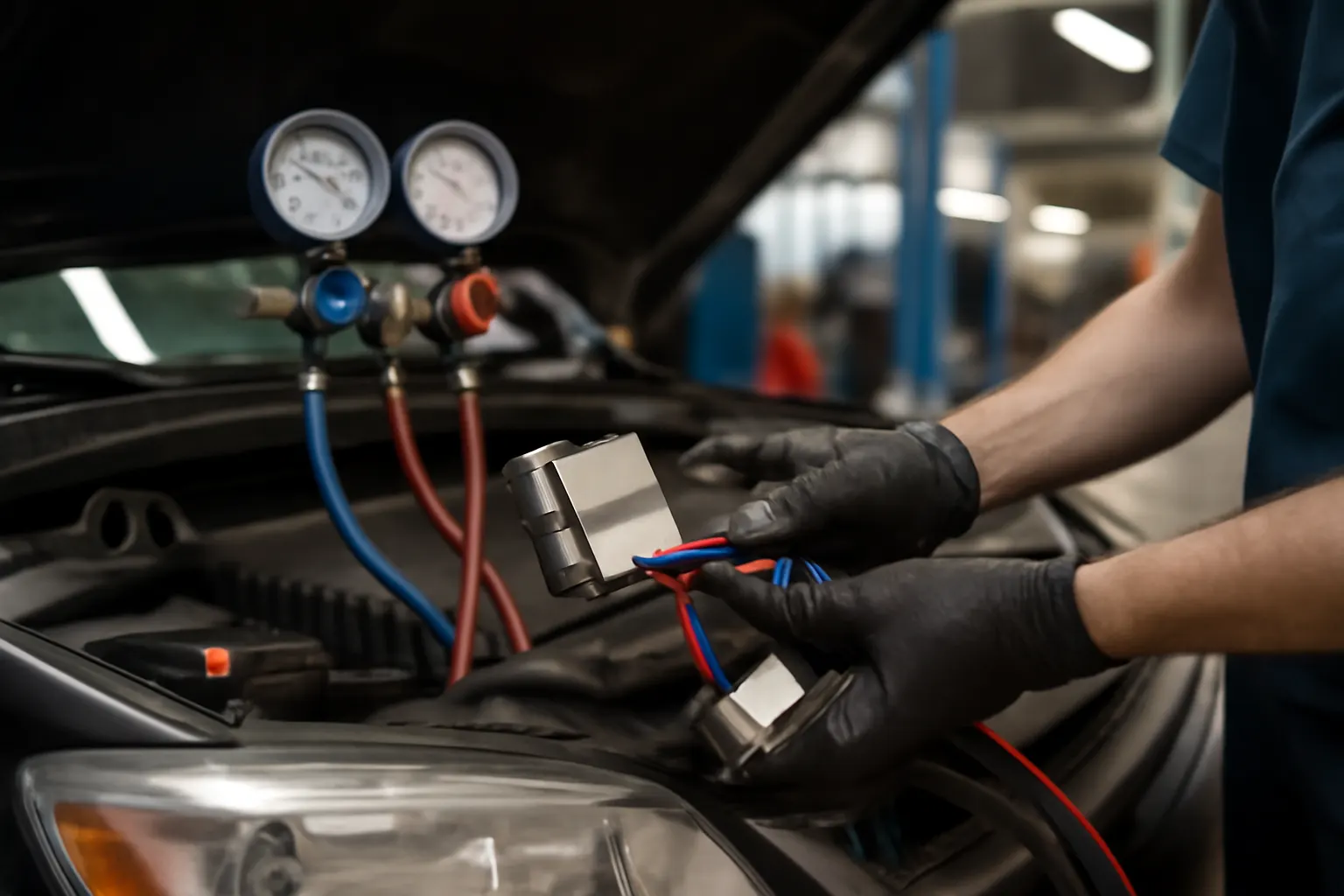
When your vehicle's air conditioning suddenly stops blowing cold, the culprit is often electrical—and the AC wiring harness is a prime suspect. AC wiring harness failure is a leading cause of intermittent or total loss of climate control, resulting in uncomfortable drives and costly system damage if left unresolved. In this guide, the AutoPartEx Technical Editorial Team unpacks the most frequent reasons why AC wiring harnesses fail, how to spot early warning signs, and what you can do to prevent, diagnose, and fix these issues for reliable, long-term climate control.
For those seeking to understand the backbone of their AC system, our Wiring Harness (Air Conditioning): The Backbone of Reliable Climate Control category page provides a comprehensive overview of harness design, function, and available replacement options for every major manufacturer and model.
Fast Answer: Why Do AC Wiring Harnesses Fail?
AC wiring harnesses typically fail due to a combination of environmental exposure, material fatigue, vibration, poor connections, corrosion, and improper repairs or modifications. These failures can lead to erratic AC performance, total system shutdown, or even electrical shorts that threaten other vehicle components. The most common causes include:
- Heat and engine bay temperature extremes
- Moisture intrusion and corrosion at terminals
- Physical abrasion or pinching of wires
- Connector fatigue or loosening
- Rodent damage or accidental cuts
- Substandard materials or aftermarket harnesses
- Improper installation or DIY splicing
Preventing these failures requires regular inspection, use of high-quality OEM or rigorously tested aftermarket harnesses, and ensuring all connections are secure and free from corrosion. Addressing harness issues promptly is essential for both comfort and vehicle safety.
The Hidden Problem: AC Harness Failure Is More Than Just Lost Comfort
While a non-functional AC might seem like a mere inconvenience, wiring harness failure can have far-reaching consequences for your vehicle. Modern AC systems are tightly integrated with engine management, safety, and emissions controls. A compromised harness can cause:
- Compressor clutch failure, risking compressor damage
- Sensor misreadings that throw off engine parameters
- Electrical shorts that may trip fuses or damage control modules
- Erratic fan operation, leading to overheating
- Reduced fuel efficiency due to improper system cycling
Ignoring harness issues doesn't just mean sweating through summer—it can lead to costly repairs, degraded performance, and even safety hazards. According to the National Highway Traffic Safety Administration, faulty electrical equipment is a significant contributor to vehicle recalls and safety incidents.
The Anatomy of an AC Wiring Harness: Why Design and Materials Matter
To understand why harnesses fail, it's crucial to know what they're made of and how they're routed. An AC wiring harness typically contains:
- Copper or aluminum conductors for power and signal transmission
- Insulation rated for temperature and chemical exposure
- Connectors designed for repeated engagement and environmental sealing
- Protective sheathing to guard against abrasion and heat
Harnesses are routed through some of the harshest environments in the vehicle—across the engine bay, near hot exhaust components, and through tight spaces where vibration and movement are constant. According to the U.S. Department of Energy, material choice and harness design are critical for longevity and system performance.
Common Causes of AC Wiring Harness Failure
1. Heat and Thermal Cycling
Repeated exposure to high temperatures—especially near the engine—causes insulation to become brittle, shrink, or crack. Over time, conductor resistance increases, and wires may short against each other or to ground. Connectors may also lose their spring tension, leading to intermittent contact.
2. Moisture Intrusion and Corrosion
AC harnesses often pass near condensers and other moisture-generating components. Even minor leaks or condensation can allow water into connectors, leading to corrosion and high-resistance joints. Salt and road chemicals accelerate this process.
Advertisement
3. Physical Abrasion and Pinching
Improper harness routing or missing clips allow wires to rub against sharp edges, engine parts, or moving components. This abrasion wears through insulation, exposing conductors and causing shorts or open circuits.
4. Connector Fatigue and Poor Engagement
Repeated disconnecting/reconnecting, vibration, or low-quality connectors can result in loose or oxidized terminals. This creates intermittent electrical contact, which is a leading cause of sporadic AC operation.
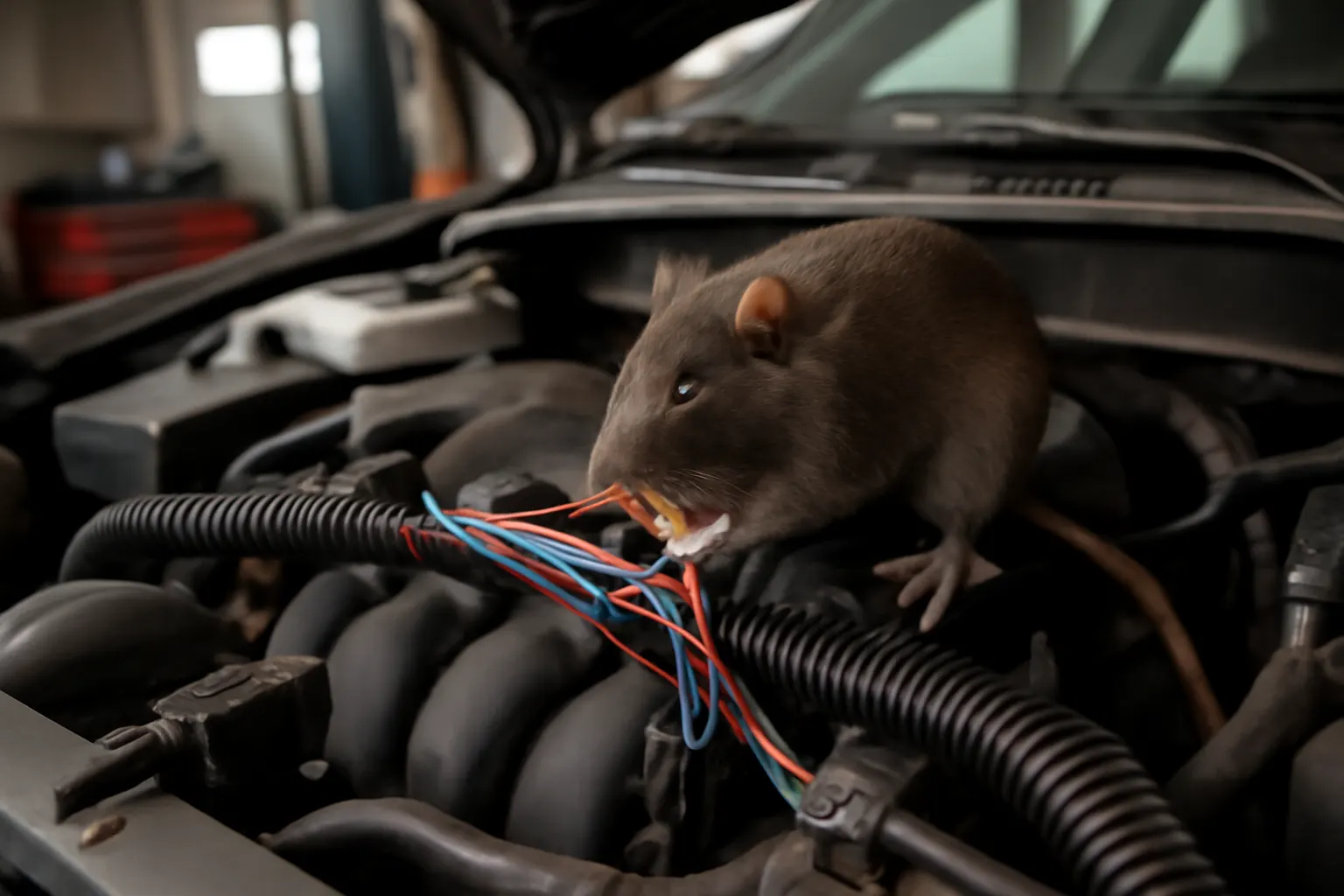
5. Rodent and Pest Damage
Rodents are notorious for nesting in engine bays and chewing on wiring. Even minor gnaw marks can break conductors or expose wires to moisture, rapidly accelerating failure.
6. Substandard Materials and Aftermarket Harnesses
Not all harnesses are created equal. Some aftermarket parts use lower-grade insulation or poorly crimped connectors, leading to early failure. Always check for reputable suppliers and certifications.
7. Improper Repairs and DIY Splicing
Quick fixes with electrical tape, twist-on connectors, or unsealed splices introduce weak points and potential failure sites. Professional-grade repairs use heat-shrink tubing, proper crimps, and waterproof seals.
Signs and Symptoms of AC Wiring Harness Failure
Early detection is key to preventing system-wide damage. Watch for:
- Intermittent AC operation (cold air comes and goes)
- AC clutch not engaging or engaging only sporadically
- Blower or condenser fan not running
- Burning smell or visible melted insulation
- Blown fuses related to the AC system
- Warning lights or error codes on the dashboard
If you notice any of these symptoms, a harness issue is likely. For a step-by-step approach to pinpointing electrical faults, see our guide on Diagnosing Electrical Issues in AC Systems.
Diagnostic Checklist: How to Identify Harness Problems
Use this checklist to systematically uncover AC wiring harness faults:
Visual Inspection
- Look for cracked, brittle, or discolored insulation
- Check connectors for corrosion, green/white deposits, or bent pins
- Inspect for loose wires, missing clips, or harnesses rubbing against metal
Physical Testing
- Gently wiggle harnesses and observe for intermittent operation
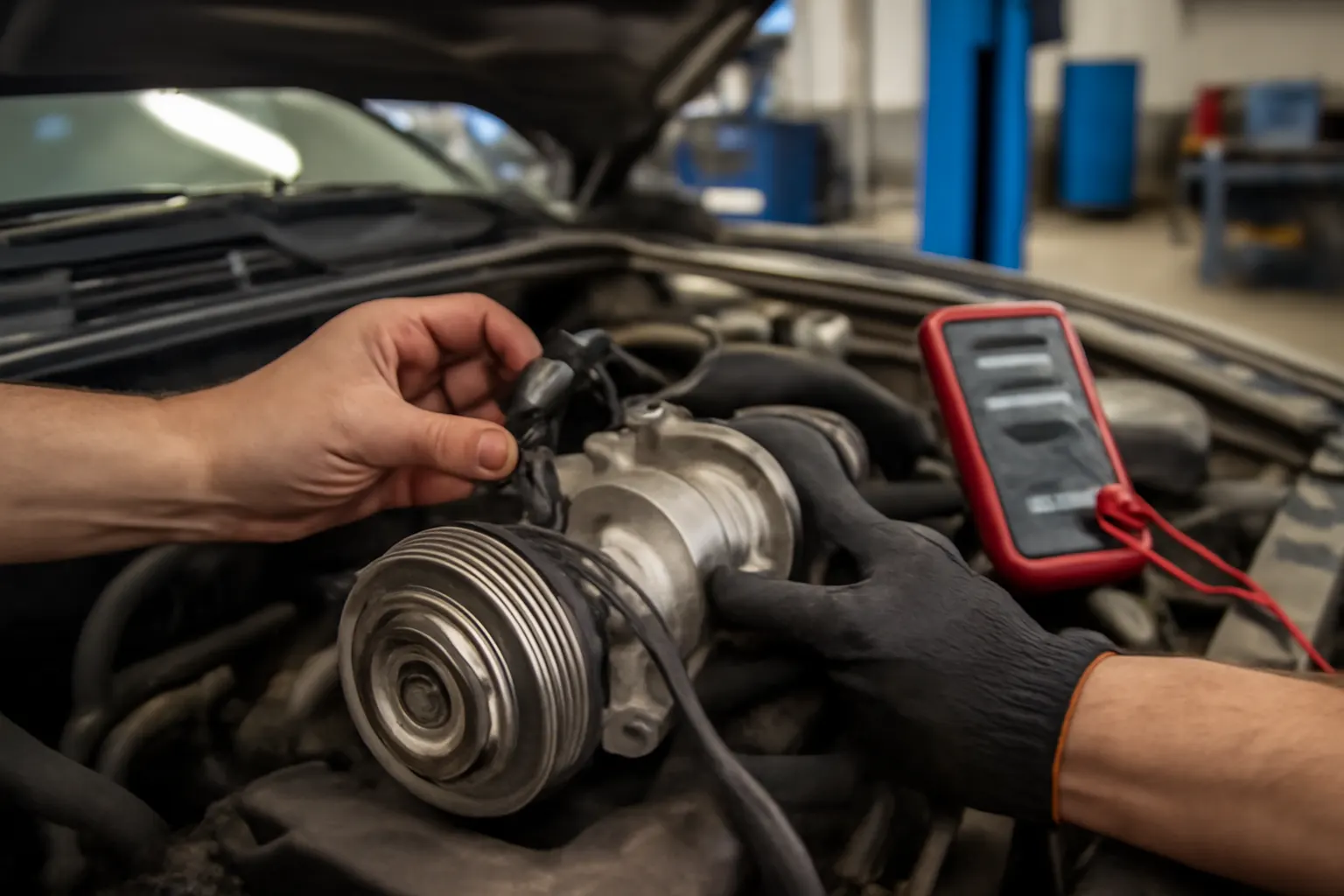
- Use a multimeter to check for continuity and resistance on suspect wires
- Test for voltage at key AC components (compressor clutch, fan relay, sensors)
Functional Testing
- Activate AC system and monitor for consistent engagement
- Check for error codes using a scan tool
- Replace suspect relays or fuses and observe for recurrence
Environmental Checks
- Look for signs of rodent activity (nests, droppings, chewed insulation)
- Inspect areas prone to moisture entry (firewall grommets, connectors near the condenser)
If the harness is found to be the root cause, replacement is often the most reliable solution.
The Cost of Ignoring AC Harness Issues
Delaying harness repairs can have cascading effects:
- Compressor damage: Without proper clutch control, the compressor may run dry or overheat.
- Fan failure: Loss of condenser fan operation can cause overheating and engine damage.
- Electrical system risk: Shorts can blow fuses or damage expensive control modules.
- Fuel efficiency loss: Malfunctioning AC can increase engine load or trigger limp mode, reducing fuel economy.
Addressing harness issues early is an investment in your vehicle’s reliability and performance.
How to Prevent AC Wiring Harness Failure
Prevention is always preferable to repair. Follow these best practices:
- Regular Inspections: Check harnesses at every oil change, focusing on areas near heat or moving parts.
- Use OEM or Quality Aftermarket Parts: Not all harnesses are equal—see our analysis OEM vs. Aftermarket: Choosing the Right AC Wiring Harness.
- Proper Routing and Securing: Ensure harnesses are clipped away from sharp or hot surfaces.
- Seal Connectors: Use dielectric grease and ensure weather seals are intact.
- Rodent Deterrents: Keep engine bays clean, and use rodent repellents or physical barriers if pests are a problem.
- Professional Repairs: Use proper crimp tools, heat-shrink tubing, and waterproof connectors for any splicing.
Advertisement
Replacement and Repair: What to Expect
When replacement is necessary, a quality harness will:
- Match original wire gauge, insulation rating, and connector type
- Include all required mounting clips and seals
- Be tested for continuity and fitment
The process typically involves:
- Disconnecting the battery
- Carefully removing old harness clips and connectors
- Routing the new harness along the original path
- Securing with all original clips and grommets
- Testing all AC functions before reassembly
For a comprehensive walkthrough, see our guide on Replacing Your AC Compressor and Harness Together.
Sourcing the Right AC Wiring Harness for Your Vehicle
Not all harnesses are interchangeable. Compatibility depends on:
- Year, make, and model (e.g., Acura, AMC, Alfa)
- Engine and AC system type
- Connector style and pin count
- Included features (sensors, relays, fan control)
Always use your VIN or consult your vehicle’s service manual to ensure correct fitment. The Wiring Harness (Air Conditioning): The Backbone of Reliable Climate Control page provides detailed listings and filters to help you find the exact part you need.
Installation Tips: Ensuring Long-Term Reliability
Professional installation is strongly recommended, but if you’re tackling the job yourself, remember:
- Label all connectors and take photos before removal
- Avoid stretching or sharply bending wires
- Replace any damaged clips or grommets
- Double-check all connections for tightness and alignment
- Test AC operation before final assembly
If you’re also replacing major components like the AC Compressor or AC Condenser, replace the harness simultaneously to avoid future labor costs and ensure system compatibility.
The Role of Harness Quality and Standards
High-quality harnesses adhere to strict engineering standards, such as those published by SAE International. These standards specify:
- Wire gauge and insulation thickness
- Connector engagement force and corrosion resistance
- Temperature and chemical resistance
- Testing protocols for vibration and fatigue
Choosing a harness that meets or exceeds these standards ensures maximum durability and system performance.
When to Replace the AC Wiring Harness: Red Flags
Replace your AC wiring harness if you observe:
- Multiple or recurring electrical issues after repairs
- Visible signs of rodent damage or severe abrasion
- Melted, cracked, or brittle insulation
- Corroded or broken connectors
- Previous DIY repairs with non-sealed splices
A failing harness is a ticking time bomb—addressing it proactively prevents costlier repairs down the road.
AutoPartEx: Your Partner for Reliable AC Harness Solutions
At AutoPartEx, we understand the critical role of the AC wiring harness in vehicle comfort, safety, and performance. Our curated selection covers OEM and rigorously tested aftermarket options for all major makes and models, including hard-to-find harnesses for older or specialty vehicles.
Our technical resources—like this blog and our Wiring Harness (Air Conditioning): The Backbone of Reliable Climate Control category—empower you with the knowledge and confidence to restore your AC system to peak condition. Whether you’re a DIY enthusiast or a professional technician, AutoPartEx is committed to providing the highest-quality parts, expert support, and up-to-date guidance.
Take Action: Next Steps for Diagnosing and Solving AC Harness Issues
- Inspect your AC harness during your next maintenance interval—don’t wait for a failure.
- Use the diagnostic checklist above to systematically rule out other causes.
- Source a quality replacement harness from a reputable supplier with fitment guarantees.
- Follow professional installation practices or consult a qualified technician.
- Stay informed—review our related guides and category pages for ongoing education.
For more in-depth troubleshooting or to explore replacement options, visit our Wiring Harness (Air Conditioning): The Backbone of Reliable Climate Control page or see our editorial on Diagnosing Electrical Issues in AC Systems.
References
- Fuel Efficiency, United States Department of Energy
- Materials Technologies, United States Department of Energy
- Vehicle Safety and Equipment, National Highway Traffic Safety Administration
- SAE Standards, SAE International
Advertisement