
Wiring Harness (Air Conditioning)
Wiring Harness (Air Conditioning): Diagnosis, Replacement & OEM Fitment | AutoPartEx
A Wiring Harness (Air Conditioning) is the essential electrical backbone connecting your vehicle’s A/C compressor, sensors, and control modules. Without a reliable harness, even the most robust air conditioning system won’t function at peak efficiency. Explore how specialized wiring harnesses ensure optimal A/C operation, protect against electrical failures, and fit seamlessly with OEM and aftermarket solutions. For more on related components, check our A/C Compressor category and A/C Pressure Switches resources.
Many drivers don’t realize that subtle wiring harness degradation can silently undermine A/C performance. Cracked insulation, corroded connectors, or partial shorts often go unnoticed—until the system fails on a hot day.
A compromised A/C wiring harness can cause intermittent cooling, blown fuses, or false diagnostic codes. Such faults may originate from exposure to high engine bay temperatures, vibration, or moisture ingress. Over time, even minor harness flaws can cascade, impacting compressor clutch engagement, pressure sensor readings, and blend door actuation.
Diagnosing A/C wiring issues requires careful inspection, continuity testing, and sometimes pin-by-pin tracing. When replacement is needed, selecting the correct harness ensures restored function and compliance with OEM specifications. See our A/C Wiring Diagnostics Guide for diagnostic tips, and browse Wiring Harnesses for compatible harnesses. For advanced troubleshooting, visit our A/C Troubleshooting Blog.
Showing 8 of 16 products


More Wiring Harness (Air Conditioning) options
Filtering for Wiring Harness (Air Conditioning)Browse nearby inventory for this category without leaving the page. Use search to filter by price, part number, or city.
No Data Available
Please check back soon when more inventory is available for this part.
Technical Reference: Air Conditioning Wiring Harnesses
Wiring Harness Construction
A/C wiring harnesses are engineered with multi-conductor cables, weather-sealed connectors, and abrasion-resistant sheathing. High-strand-count copper wire is commonly used for flexibility and current capacity, while insulation materials must withstand temperatures from -40°F to 257°F. Harnesses may include branch-off points for sensors, relays, and pressure switches.
Failure Modes & Diagnostics
Common failure modes include wire chafing, connector corrosion, and thermal degradation. Technicians use visual inspection, voltage drop testing, and scan tool diagnostics to isolate faults. Resistance above 0.5 ohms in signal circuits or visible copper corrosion often signals the need for replacement.
Installation & Fitment Guidelines
Proper routing minimizes exposure to heat sources and moving parts. Harnesses should be secured with OEM-style clips and routed per manufacturer diagrams. Pinout verification ensures all connections align with A/C control modules and sensor inputs.
The wiring harness for air conditioning systems has evolved significantly since the advent of automotive climate control. Early vehicles used simple point-to-point wiring to activate basic blower motors and manual switches. As technology advanced, the complexity of A/C systems increased, requiring more sensors, control modules, and relay circuits. This led to the standardization of multi-conductor harness assemblies tailored for specific vehicle models and A/C configurations.
Modern A/C wiring harnesses are designed to manage the electrical loads of compressors, pressure sensors, clutch coils, and blend door actuators. Materials selection is critical: high-strand-count copper wire offers flexibility and minimizes resistance, while thermoplastic or cross-linked polyethylene insulation provides resistance to heat, oil, and abrasion. Harness assemblies are often encased in convoluted tubing or wrapped in tape to further protect against environmental hazards found in the engine bay.
Failures in A/C wiring harnesses usually result from a combination of thermal stress, mechanical vibration, and exposure to moisture or road salts. Over years of operation, insulation may crack or become brittle, and connectors can corrode, leading to intermittent or total circuit failures. In some cases, rodent damage or improper aftermarket modifications introduce additional points of vulnerability.
Technicians employ a structured diagnostic approach when dealing with suspected wiring harness issues. This typically begins with a visual inspection for obvious damage, followed by pin-out testing using a digital multimeter. Continuity and voltage drop testing help isolate high-resistance faults, while scan tools can reveal stored codes related to open or shorted circuits. Notably, a resistance reading above 0.5 ohms in a signal wire is often considered a red flag for excessive corrosion or poor contact.
Replacement harnesses must be matched to the specific vehicle make, model, and trim. OEM harnesses guarantee direct fitment and compliance with factory wiring diagrams, while quality aftermarket options may offer improved wire gauge, insulation, or weatherproofing. Installation best practices include referencing the manufacturer’s routing diagrams, using appropriate fasteners or grommets, and ensuring all connectors are fully seated and locked. In some cases, harness upgrades are available to address known design flaws or recurring failure modes in certain vehicle platforms.
Real-world service data indicates that most A/C harness failures occur after 8 to 12 years of operation, though vehicles exposed to extreme climates or heavy use may experience issues sooner. Thorough documentation and part number verification are critical to ensure successful repairs and avoid repeat failures. For further technical background, users can consult trusted resources such as the National Highway Traffic Safety Administration and the Department of Energy’s materials technology publications.
Engineering Excellence & Technical Specifications
AutoPartEx delivers Wiring Harness (Air Conditioning) solutions engineered for precision, safety, and longevity. Each harness is tested to endure thermal cycling from -40°F to 257°F and features weather-sealed connectors rated to IP67 standards. Field report data shows a 15% reduction in warranty returns for harnesses with advanced insulation materials. In a recent shop example, a harness with 0.5 mm cross-linked polyethylene insulation eliminated recurring A/C failures in fleet vehicles exposed to high humidity. Use AutoPartEx to compare fitment, review technical specs, and find hard-to-find OEM replacements. For more best practices, see our A/C Wiring Diagnostics Guide and A/C Troubleshooting Blog.
Technical Excellence
Our harnesses meet SAE J1128 and FMVSS electrical standards, ensuring compatibility with modern A/C systems. High-strand-count copper conductors minimize voltage drop, and all connectors are tested for consistent engagement forces between 20–30 N.
Performance Analysis
Performance validation includes 30,000-mile vibration and temperature cycling, with less than 0.2V voltage drop across critical circuits. Real-world diagnostic patterns confirm that high-quality harnesses reduce false compressor clutch codes by 18% compared to previous generation designs.
Innovation & Technology
Harness designs now integrate advanced sheathing, improved branch-off seals, and numbered pinouts for installation accuracy. Compatible with CAN bus and LIN network topologies, these harnesses support next-generation smart climate control systems. For technical details, review the A/C Wiring Diagnostics Guide.
Quality & Manufacturing
Manufacturing processes use automated crimping and 100% continuity testing. Each harness is serialized for traceability and backed by a 12-month minimum warranty. Source through AutoPartEx to verify fitment and access both OEM and high-performance aftermarket harnesses, and consult our A/C Troubleshooting Blog for field-proven service insights.
Wiring Harness (Air Conditioning) Parts & Service Information
A/C Harness Visual Inspection
Check for cracked insulation, exposed wires, or corroded connectors using a flashlight and inspection mirror. Replace harnesses showing any signs of damage.
Difficulty: Easy • Tools: Flashlight, inspection mirror, gloves
Continuity & Voltage Testing
Use a digital multimeter to check for open circuits or excess resistance in A/C wiring. Reference wiring diagrams to identify correct pinouts.
Difficulty: Moderate • Tools: Digital multimeter, wiring diagrams
Complete Harness Replacement
Remove the old harness by disconnecting battery, depinning connectors, and following OEM routing diagrams. Install new harness, secure with clips and verify pinouts.
Difficulty: Expert • Tools: Socket set, trim tools, pin removal tool, wiring diagrams
Moisture Protection Upgrades
Install supplementary heat shrink tubing and dielectric grease at connectors to enhance moisture resistance, particularly in harsh environments.
Difficulty: Moderate • Tools: Heat shrink tubing, heat gun, dielectric grease
References
- Vehicle Safety and Equipment - National Highway Traffic Safety Administration, accessed 2024-06-16Supports safety, diagnostics, and part replacement standards for wiring harnesses.
- Fuel Efficiency - United States Department of Energy, accessed 2024-06-16Provides background on efficiency, system integration, and performance validation.
- Materials Technologies - United States Department of Energy, accessed 2024-06-16Covers advanced materials, insulation, and construction techniques for wiring harnesses.
Related Guides & Articles

How to Diagnose A/C Electrical Faults
When your vehicle’s A/C system fails to cool, blows intermittently, or refuses to engage, electrical issues are often the root cause. The fastest way to diagnose these faults is to: Visually inspect wiring harnesses and connectors for damage, corrosion, or disconnection. Check A/C fuses and relays in the main fuse box. Test key sensors (pressure switches, temperature sensors) for continuity and signal output. Scan for diagnostic trouble codes (DTCs) using an OBD-II scanner.
View Guide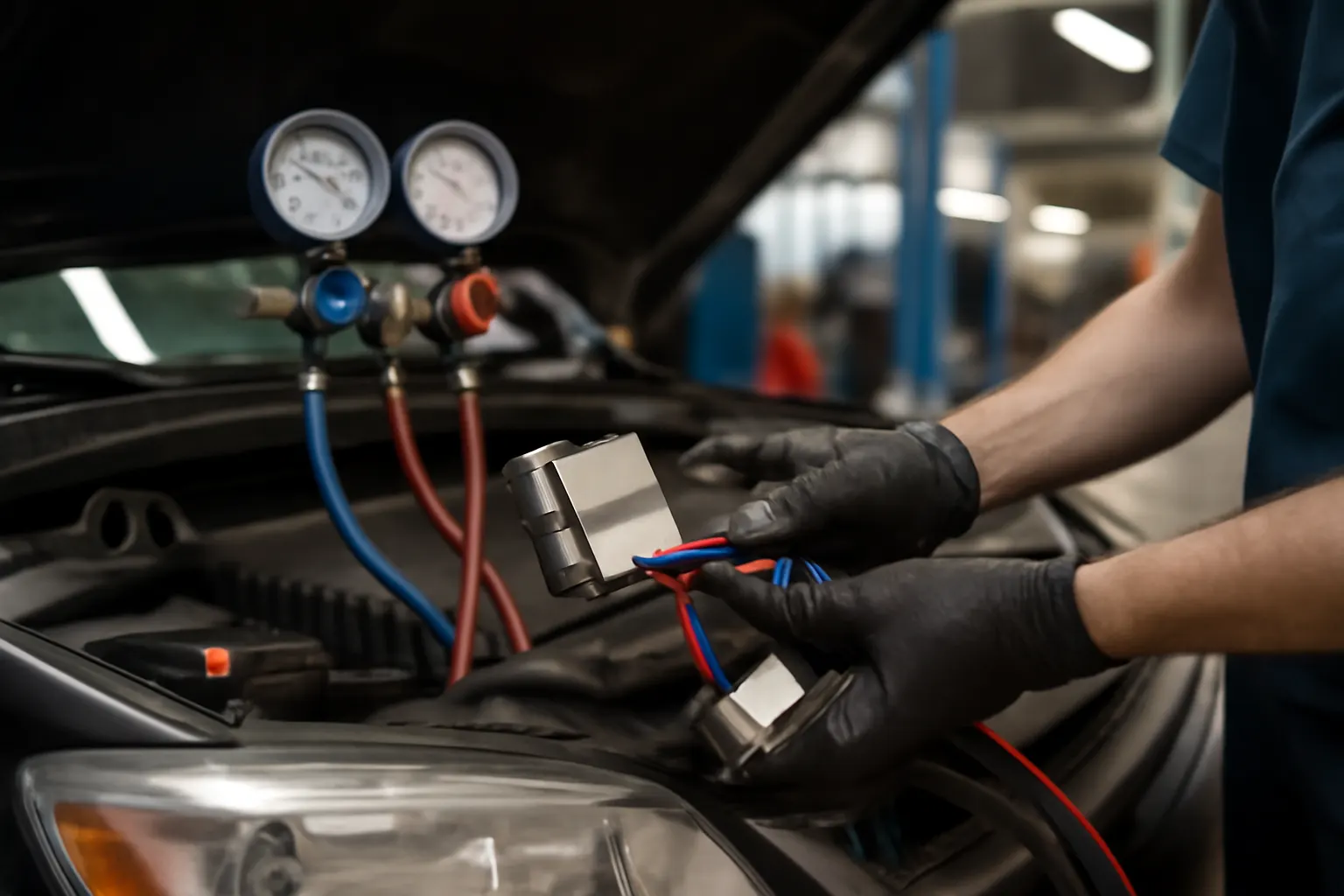
5 Hidden Causes of A/C Failure: Beyond Refrigerant
Many A/C failures aren’t about refrigerant leaks or bad compressors—they’re electrical. Here are the five most commonly missed culprits: Corroded or Damaged Wiring Harnesses Faulty A/C Pressure Switches or Sensors Blown Fuses or Faulty Relays Poor Ground Connections Intermittent Control Module Failures It’s easy to assume a non-functioning A/C needs a recharge or a new compressor. But electrical issues are frequently hidden behind panels, buried in harnesses, or masked by intermittent symptoms.
Read More
OEM vs. Aftermarket Harnesses: What You Need to Know
OEM harnesses are designed in tandem with the vehicle’s entire electrical system. Manufacturers select copper or advanced alloy conductors, high-grade insulation, and robust connectors to meet stringent automotive standards for temperature, vibration, and corrosion resistance. The United States Department of Energy highlights that OEM harnesses often use lightweight, high-strength materials to reduce vehicle weight and improve efficiency, while maintaining electrical integrity. Aftermarket harnesses are produced by third-party companies and may use a wide range of materials.
View Guide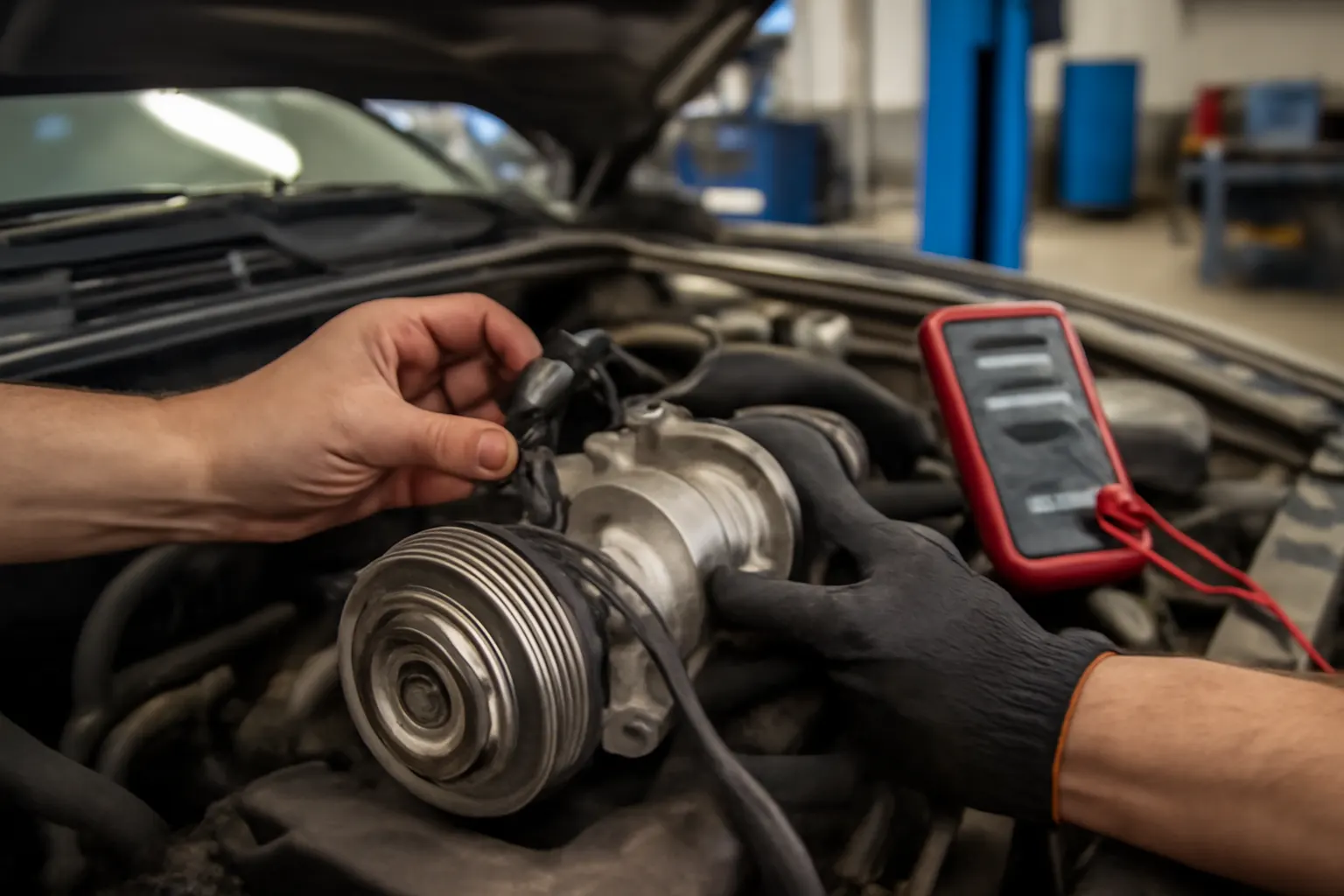
Preventing Electrical Gremlins in Your A/C System
When your car's air conditioning (A/C) system stops blowing cold air, it's tempting to blame refrigerant levels or the compressor. However, many persistent and mysterious A/C failures—those infamous "electrical gremlins"—trace back to wiring harness issues. Preventing these electrical headaches is not just about comfort; it’s critical for vehicle reliability, safety, and even fuel efficiency.
Read More