Advertisement
Preventing Electrical Gremlins in Your A/C System
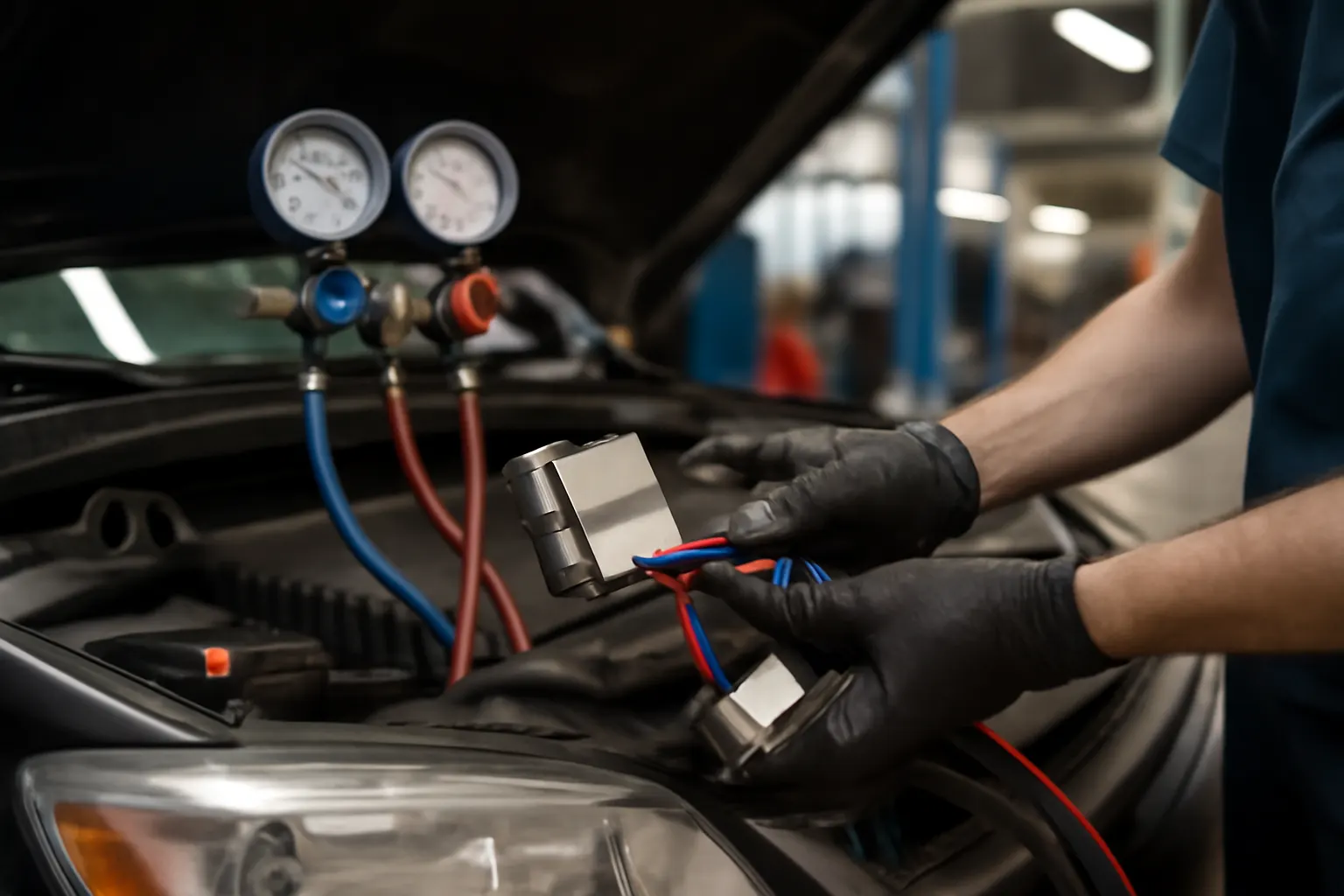
When your car's air conditioning (A/C) system stops blowing cold air, it's tempting to blame refrigerant levels or the compressor. However, many persistent and mysterious A/C failures—those infamous "electrical gremlins"—trace back to wiring harness issues. Preventing these electrical headaches is not just about comfort; it’s critical for vehicle reliability, safety, and even fuel efficiency. This guide delivers actionable maintenance tips, installation best practices, and diagnostic strategies to keep your A/C’s wiring harness in top shape, so you can avoid the most common—and the most frustrating—A/C electrical failures.
For a full overview of A/C wiring harness diagnosis, fitment, and replacement, visit the Wiring Harness (Air Conditioning): Diagnosis, Replacement & OEM Fitment | AutoPartEx page.
Why Wiring Harness Issues Cause A/C Electrical Gremlins
The wiring harness is the nervous system of your vehicle’s A/C. It connects the compressor, pressure switches, blower motor, control modules, and sensors. When wiring deteriorates, corrodes, or is poorly installed, it can cause:
- Intermittent A/C operation
- Faulty compressor engagement
- Blower motor malfunctions
- Sensor misreadings
- Sudden system shutdowns
Many A/C failures blamed on components or refrigerant are actually caused by harness faults—meaning that without proper harness care, you risk endless cycles of misdiagnosis and unnecessary parts replacement.
The Hidden Problem: Electrical Gremlins Are Often Invisible
Unlike a leaky hose or noisy compressor, wiring harness faults rarely leave obvious clues. Symptoms can be:
- Inconsistent: The A/C works one day, fails the next.
- Subtle: Blower speeds or vent temperatures fluctuate.
- Misleading: Error codes point to sensors or control units, not wiring.
These "gremlins" waste time and money. They also increase the risk of safety issues, as per NHTSA equipment guidelines, since a malfunctioning A/C can impair visibility (defogging) or distract the driver in extreme heat.
The Anatomy of A/C Wiring Harness Failures
Common Failure Points
A/C wiring harnesses are exposed to:
- High temperatures (especially near the engine bay)
- Vibration and movement (at mounting points and connectors)
- Moisture intrusion (from weather or condensate drains)
- Chemical exposure (oil, refrigerant, cleaning fluids)
Failure modes include:
- Corrosion: Moisture causes greenish or whitish deposits at connector pins.
- Broken Wires: Repeated flexing or vibration leads to internal breaks.
- Connector Loosening: Age or improper fit causes intermittent contact.
- Insulation Breakdown: Heat or chemicals degrade wire coating, leading to shorts.
How Minor Issues Become Major Gremlins
A tiny break in a ground wire, a single corroded pin, or a loose connector can trigger a cascade of electrical issues—sometimes only under certain conditions (hot weather, engine vibration, or after hitting a bump). These issues can be infuriatingly hard to trace without a systematic approach.
How Electrical Gremlins Impact Vehicle Performance and Safety
Electrical faults in the A/C system don’t just affect comfort—they can:
- Reduce Defogging Ability: A/C is essential for rapid windshield defogging. Electrical failures can compromise visibility in humid or rainy conditions.
- Increase Fuel Consumption: Faulty controls may cause the compressor to run needlessly, impacting fuel efficiency.
- Overload Circuits: Shorts or poor grounds can stress other electrical systems, risking blown fuses or even fire.
- Trigger False Diagnostics: Faulty sensor wiring can cause the ECU to misread system status, leading to unnecessary part replacements.
These risks underline the importance of robust A/C harness maintenance and correct installation.
Proactive Maintenance: Keeping A/C Wiring Harnesses Healthy
Routine maintenance is the first line of defense against A/C electrical gremlins. Here’s how to keep your harness in top condition:
Advertisement
Visual Inspection Checklist
- Check connectors for discoloration, corrosion, or loose fit.
- Inspect wire insulation for cracks, brittleness, or soft spots.
- Look for pinched or stretched wires where harnesses run near moving parts.
- Examine mounting points for secure harness routing and protection from vibration.
- Scan for moisture around connectors, especially near the firewall or under the dash.
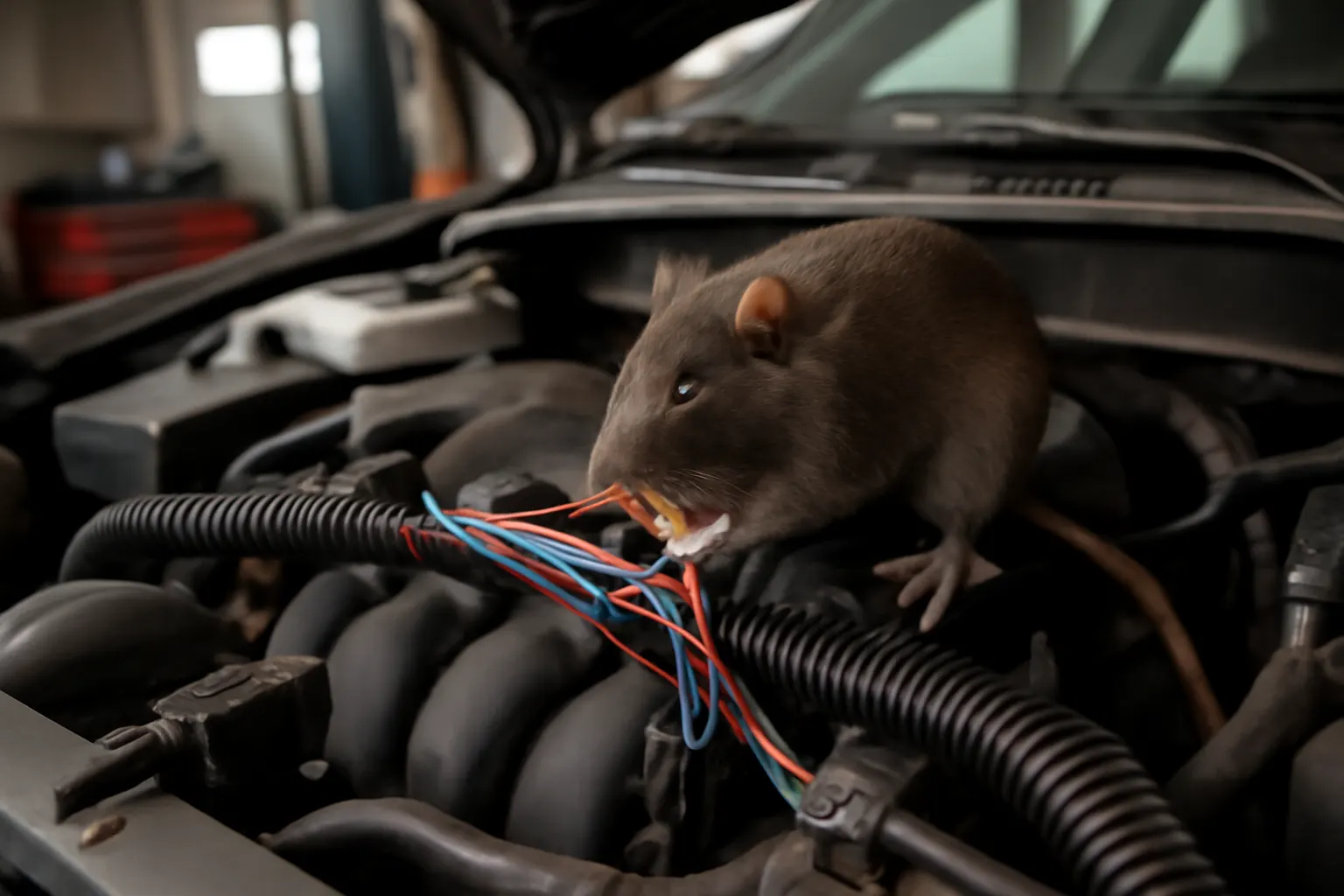
- Check for rodent damage (chewed wires are a frequent culprit).
Perform this inspection at least annually, or any time you notice A/C irregularities.
Cleaning and Protection
- Use electrical contact cleaner (never WD-40) on connector pins.
- Apply dielectric grease to connectors to prevent moisture intrusion.
- Secure loose wiring with zip ties or proper clips—avoid over-tightening.
Diagnosing Electrical Issues in A/C Systems
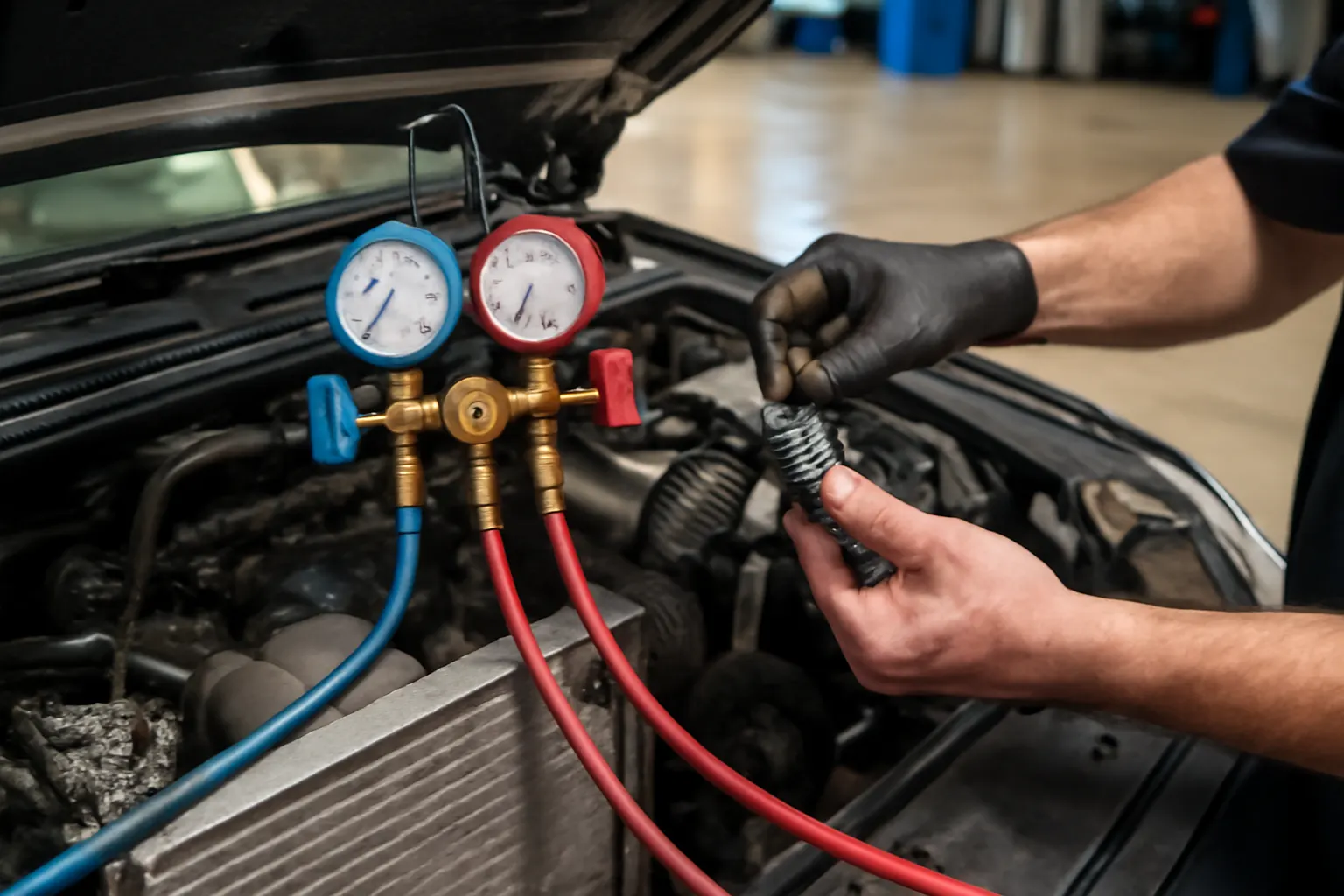
When symptoms appear, a systematic diagnostic approach is essential. See our How to Diagnose A/C Electrical Faults guide for a deep dive, but here’s a practical outline:
Step-by-Step Diagnostic Process
- Check Fuses and Relays: Start simple. Inspect A/C-related fuses and relays for signs of overheating or corrosion.
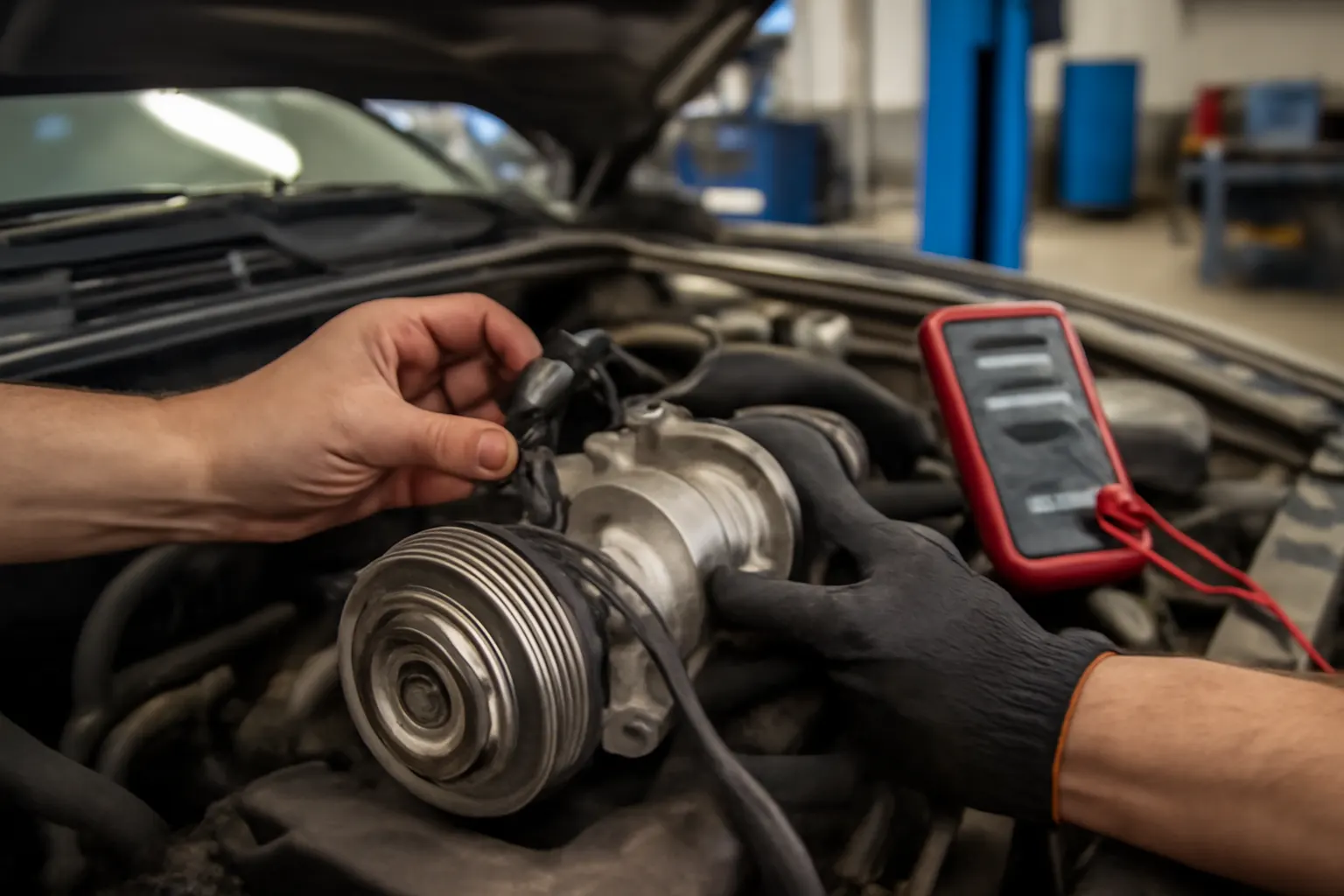
- Test for Voltage: Use a multimeter to check for power at the compressor clutch, blower motor, and pressure switch connectors.
- Inspect Grounds: Verify that all harness grounds are clean, tight, and corrosion-free.
- Scan for Codes: Use an OBD-II scanner to retrieve A/C-related error codes—note that wiring faults often trigger sensor or control module codes.
- Wiggle Test: With the system powered, gently move harness sections and connectors. If the A/C cuts in or out, you’ve found a likely trouble spot.
- Continuity Testing: For persistent issues, unplug both ends of the harness and test wire continuity with a multimeter.
Pro Tip: Always reference the vehicle’s wiring diagram for accurate pinouts and color codes.
Installation: Preventing Harness Headaches From Day One
A significant percentage of A/C electrical gremlins are caused by poor installation—either during original assembly or when replacing parts. Follow these best practices:
Installation Best Practices
- Use OEM-quality harnesses: Aftermarket options can be tempting, but poor fitment or subpar materials lead to trouble. For more, see OEM vs. Aftermarket Harnesses: What You Need to Know.
- Route harnesses away from heat: Avoid engine manifolds, exhaust pipes, and other hot zones.
- Protect against abrasion: Use loom, tape, or conduit where the harness passes through bulkheads or near moving parts.
- Ensure proper connector seating: Listen/feel for a positive click. Never force connectors.
- Label new connections: If you’re splicing or adapting, label wires and document changes for future reference.
- Torque mounting bolts properly: Over-tightening can damage grounds; under-tightening can lead to loose connections.
Sourcing the Right Harness: What to Look For
Harness quality is not negotiable. Here’s how to ensure you’re buying the right part:
Key Sourcing Criteria
- OEM fit and pinout: Confirm compatibility with your vehicle’s make, model, and year.
- Material quality: Look for high-temperature, oil-resistant insulation and corrosion-resistant terminals.
- Proper length and routing: Avoid “universal” harnesses unless you’re prepared to custom-fit and terminate each wire.
- Supplier reputation: Choose suppliers who meet industry standards, such as those listed by SAE International.
For a curated selection, browse Wiring Harnesses specific to your A/C system.
Common Installation Mistakes That Cause Electrical Gremlins
Even experienced technicians sometimes overlook these pitfalls:
- Failing to disconnect the battery: Always disconnect before working on wiring to avoid shorts and accidental airbag deployment.
- Reusing old connectors: Brittle or corroded connectors should be replaced, not reused.
- Improper splicing: Twisting wires together and taping is not enough. Use solder and heat-shrink or proper crimp connectors.
- Neglecting ground paths: A bad ground is a common source of intermittent faults.
- Over-tensioning harnesses: Wires should have enough slack for movement and thermal expansion.
Avoiding these mistakes is crucial for long-term reliability.
Advertisement
The Role of Materials and Technology in Harness Longevity
Modern vehicles use advanced materials for wire insulation, connector housings, and protective looms. According to the U.S. Department of Energy’s Materials Technologies initiative, advances in polymers and corrosion-resistant alloys have significantly improved harness longevity and performance. However, these benefits are only realized when:
- The correct harness is chosen for your application.
- Installation follows best practices.
- Maintenance is performed regularly.
Choosing cheap or generic harnesses can negate these technological advances, increasing the risk of gremlins.
When to Replace Instead of Repair
Some harness faults can be repaired with splicing, new connectors, or cleaning. However, replacement is often the safer long-term solution if:
- Multiple wires are damaged or corroded.
- Connectors are melted, cracked, or won’t stay seated.
- The harness has suffered water or rodent damage.
- Previous repairs have failed.
Replacement harnesses are designed to restore factory performance and reliability. See our Wiring Harness (Air Conditioning): Diagnosis, Replacement & OEM Fitment guide for more on replacement options.
Step-by-Step: Annual A/C Harness Maintenance Checklist
Regular maintenance prevents most electrical gremlins. Use this annual checklist, or schedule it alongside major A/C service:
| Task | Details/Tools Needed | Frequency |
|---|---|---|
| Disconnect battery | 10mm wrench | Every service |
| Visually inspect harness and connectors | Flashlight, mirror | Annually |
| Clean connectors with contact cleaner | Electrical contact cleaner | Annually |
| Apply dielectric grease | Small brush/applicator | Annually |
| Check for secure mounting and routing | Socket set, zip ties | Annually |
| Test continuity of suspect wires | Multimeter | If symptoms |
| Inspect for rodent or water damage | Inspection mirror, flashlight | Annually |
| Re-torque ground connections | Torque wrench | Annually |
| Document any repairs or changes | Notebook or digital record | Every repair |
Advanced Troubleshooting: Dealing with Persistent Gremlins
If you’ve followed all maintenance and installation tips but still face intermittent A/C issues, it’s time for advanced diagnostics:
- Thermal Testing: Use a heat gun or hair dryer to warm harness sections while monitoring system function. Faults that appear only at certain temperatures indicate heat-related wire or connector failure.
- Oscilloscope Analysis: For sensor or control wire issues, an automotive oscilloscope can reveal voltage dropouts or signal noise not visible with a multimeter.
- Component Substitution: Temporarily swap suspect harness sections with known-good ones to isolate the problem.
If these steps do not resolve the issue, consult a specialist or consider a full harness replacement.
Integrating Harness Maintenance with Other A/C Service
Harness inspection and care should be routine whenever you:
- Replace the A/C compressor (A/C Compressor category)
- Service the A/C pressure switches (A/C Pressure Switches)
- Recharge refrigerant or evacuate the system
- Diagnose blower motor or control head issues
This integrated approach maximizes reliability and reduces the risk of repeat failures.
AutoPartEx: Your Partner in Reliable A/C Wiring Solutions
At AutoPartEx, we understand that diagnosing and preventing A/C electrical gremlins requires more than just parts—it demands expertise, fitment accuracy, and ongoing support. Our catalog features only high-quality, OEM-fit harnesses and connectors, backed by technical resources and a commitment to helping you solve even the most persistent electrical problems.
Whether you’re a DIYer or a professional technician, our Wiring Harness (Air Conditioning) and Wiring Harnesses pages offer the tools, guides, and components you need for a job done right. For deeper diagnostic insights, check out 5 Hidden Causes of A/C Failure: Beyond Refrigerant.
Expert Action: Stay Ahead of A/C Electrical Gremlins
Don’t wait for the next heatwave or defogging emergency to address A/C wiring harness issues. Proactive inspection, correct installation, and quality parts are your best defense against electrical gremlins that can leave you sweating—or worse, stranded. Use the checklists and strategies above to keep your system reliable, and always source your harnesses from trusted, standards-compliant suppliers. For the latest fitment data and expert support, trust AutoPartEx as your automotive electrical partner.
References
Advertisement