Advertisement
Preventing Rodent Damage to Vehicle Wiring
Rodent damage to vehicle wiring is a costly and increasingly common problem, especially for modern vehicles using advanced wiring harnesses—including those critical to air conditioning systems. Immediate action is essential: if you suspect rodent activity under your hood or in your cabin, inspect your wiring harnesses for bite marks, exposed copper, or insulation debris. Early detection and preventive measures can save you thousands in repairs and prevent sudden failures of essential systems like your A/C. For vehicle owners and technicians seeking targeted solutions, this guide delivers actionable strategies, real-world case studies, and a step-by-step prevention checklist. For further information on specific harness fitment and diagnostics, visit our Wiring Harness (Air Conditioning) OEM Fitment, Diagnostics & Replacement category page.
Why Rodents Target Vehicle Wiring: The Hidden Problem
While it might seem odd that mice, rats, and squirrels are interested in your car, there are real, technical reasons behind this behavior. Modern vehicle wiring harnesses often use soy-based or plant-derived insulation materials. These are more environmentally friendly and cost-effective, but unfortunately, they’re also more attractive to rodents, who are drawn to the scent and taste.
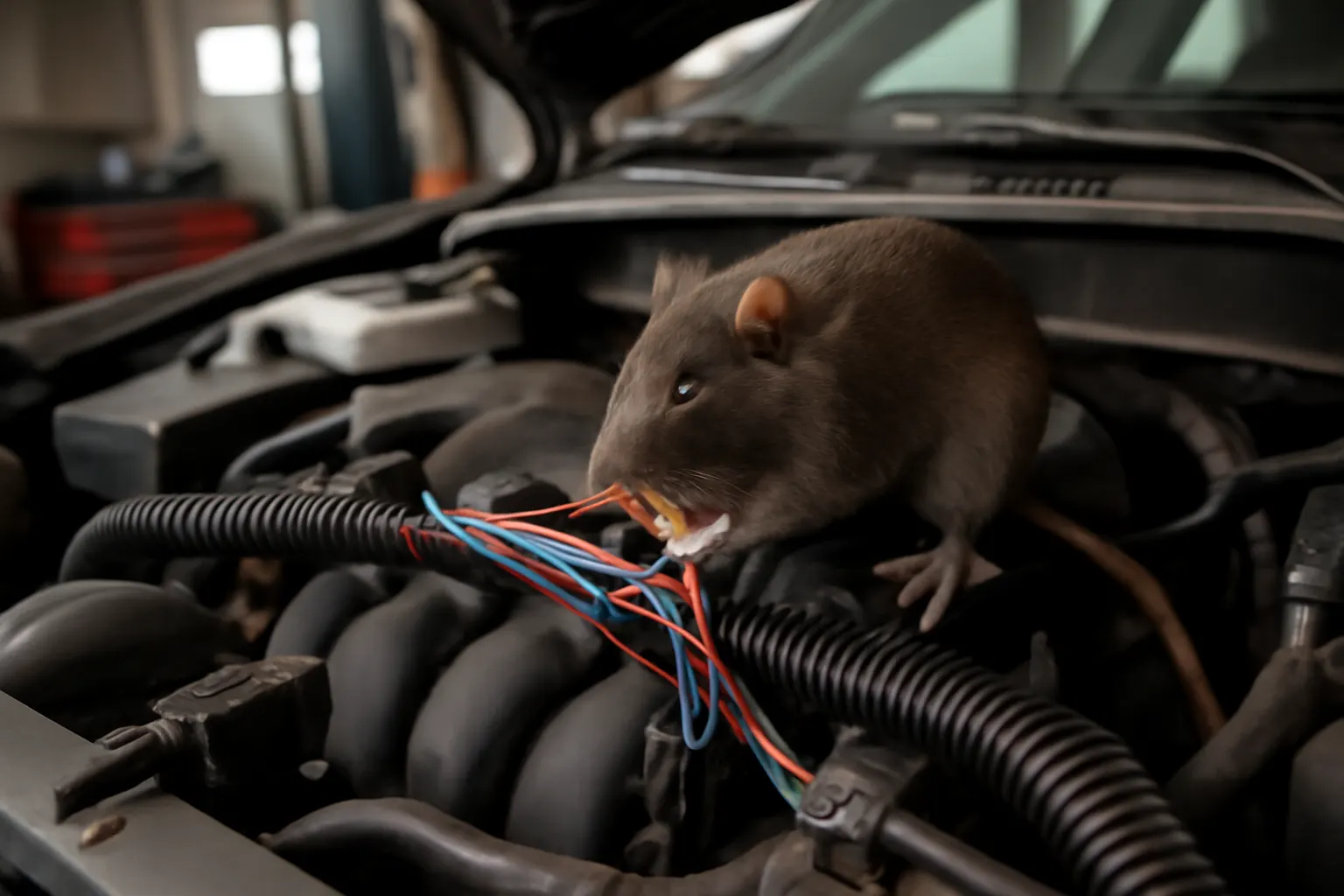
Rodents seek shelter in engine bays, HVAC plenums, and beneath dashboards—especially during colder months. The warmth, safety from predators, and abundance of chewable materials make vehicles an ideal nesting site. Once inside, rodents gnaw on wiring both to manage their ever-growing teeth and, in some cases, because the wiring insulation itself is a food source.
The consequences are far from trivial. Chewed wiring can lead to:
- Malfunctioning air conditioning and HVAC controls
- Sudden electrical faults and warning lights
- Stalling, hard starting, or no-start conditions
- Short circuits and, in rare cases, fire hazards
- Expensive diagnostics and replacement of main or subsystem harnesses
The True Scope: How Big Is the Rodent Wiring Problem?
According to data from the National Highway Traffic Safety Administration (NHTSA), wiring harness failures are a recurring cause of safety recalls and service campaigns, with rodent damage being a notable contributor [Vehicle Safety and Equipment]. The transition to plant-based insulation materials, while beneficial for sustainability and weight reduction (a key focus of the U.S. Department of Energy’s Materials Technologies), has inadvertently increased the vulnerability of harnesses to rodent attacks.
Automotive service professionals report that rodent-related wiring failures are now among the top electrical repair issues in both urban and rural settings. Insurance claims for rodent damage have risen significantly over the past decade, with repairs often costing from a few hundred to several thousand dollars—especially when main harnesses or integrated HVAC wiring are affected.
Key Areas at Risk: HVAC and Air Conditioning Wiring Harnesses
Rodent damage is not limited to one area of the vehicle, but certain systems are especially vulnerable. For owners concerned about air conditioning performance, it’s vital to understand where rodents are most likely to attack:
- Engine Bay: The main wiring harness, including the A/C compressor clutch wiring, pressure switches, and temperature sensors.
- Cabin HVAC Module: Blend door actuators, blower motor wiring, and control circuits running behind the dash.
- Firewall Pass-Throughs: Areas where wiring enters the cabin, often hidden but easily accessible to rodents.
- Underbody and Wheel Wells: Harnesses routed along the chassis, especially near the evaporator drain or HVAC intake.
In each of these locations, even minor rodent damage can cause intermittent faults, disable the A/C system, or trigger a cascade of diagnostic trouble codes (DTCs).
Early Signs of Rodent Damage: What to Watch For
Early detection is critical for minimizing the impact of rodent activity. Vehicle owners and technicians should be alert to the following signs:
- Unusual Smells: The scent of urine, nesting material, or decaying food under the hood or in the cabin.
- Visual Clues: Bits of insulation, chewed plastic, or shredded paper around wiring runs.
- Electrical Faults: Flickering dashboard lights, HVAC blower not working, or A/C compressor not engaging.
- Unexpected Noises: Scratching, squeaking, or rustling sounds—especially after the vehicle has been sitting.
- Check Engine or HVAC Fault Codes: Diagnostic scans revealing open circuits, shorted sensors, or actuator failures.
If you notice any of these symptoms, inspect your main wiring harness and HVAC circuits immediately.
Case Study: Diagnosing a Rodent-Damaged A/C Harness
Let’s examine a real-world scenario involving a late-model sedan with intermittent A/C operation. The customer reported that the A/C would sometimes fail to engage, and the HVAC controls would reset randomly.
Diagnostic Steps:
Advertisement
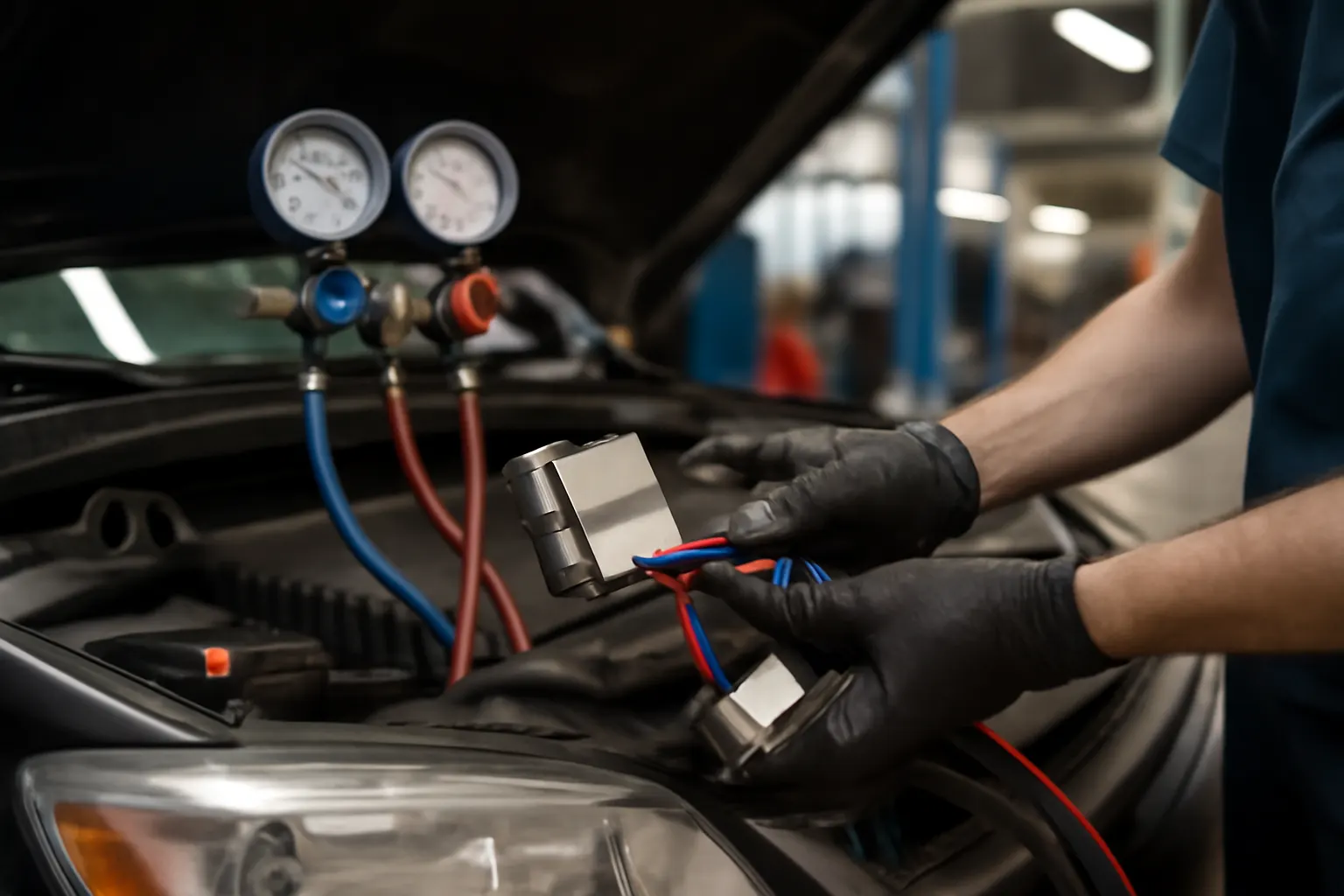
- Visual Inspection: Opened the hood and removed the cowl panel to check the harness running to the A/C compressor and pressure switch. Found chewed insulation near the compressor clutch connector.
- Scan Tool Analysis: Retrieved DTCs indicating open circuit on the A/C pressure switch and intermittent CAN communication errors from the HVAC module.
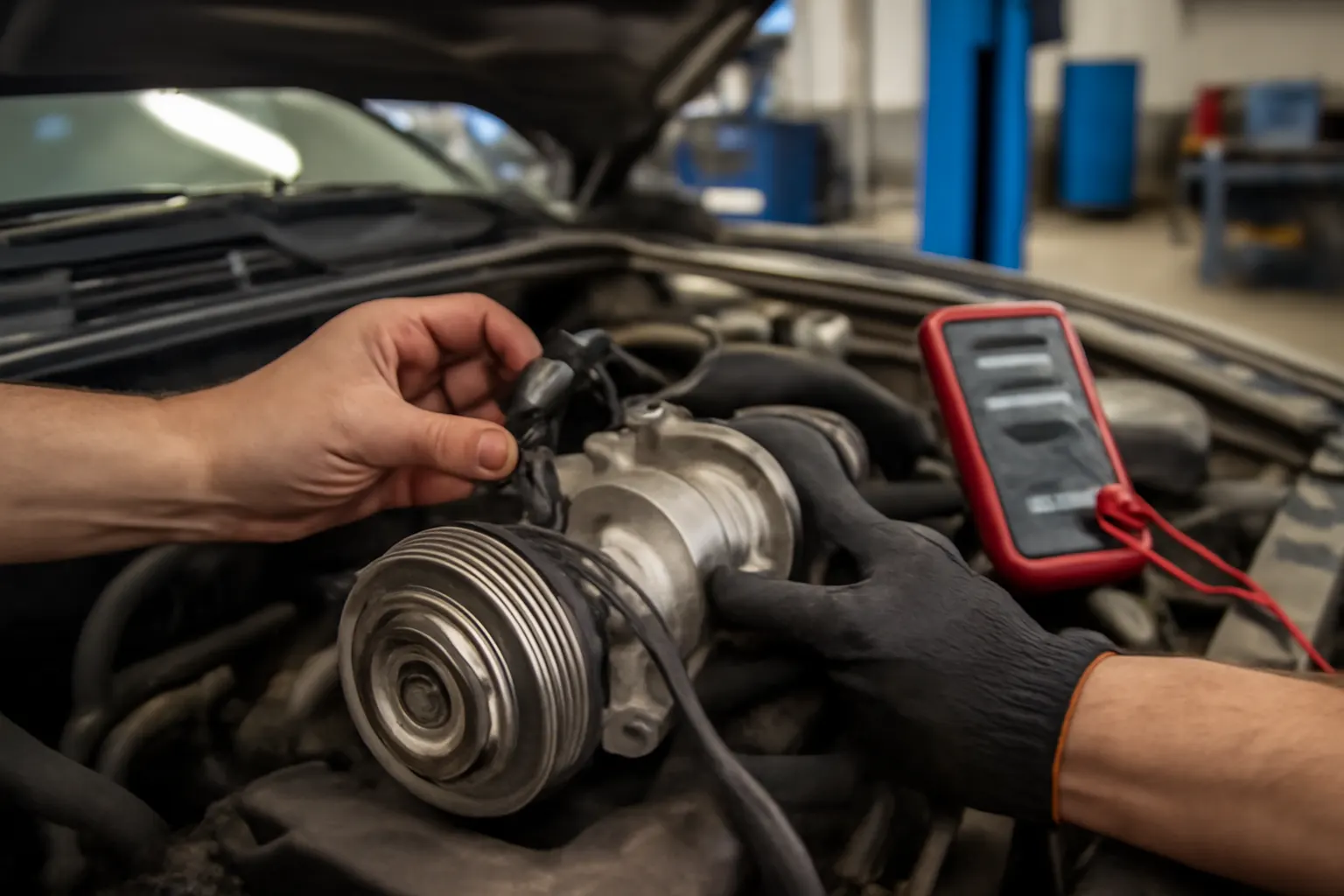
- Continuity Testing: Used a multimeter to confirm high resistance and intermittent continuity in the affected wires.
- Further Inspection: Discovered nesting material behind the HVAC control panel, with additional damage to the blend door actuator wiring.
Resolution: The technician replaced the damaged sections of harness with OEM-spec wire, applied rodent deterrent tape, and thoroughly cleaned out nesting material. The A/C system returned to normal operation, and no further faults were recorded after a week of monitoring.
Technical Deep Dive: Why Modern Wiring Is More Vulnerable
The shift to plant-derived wiring insulation is driven by regulatory and environmental goals. Soy-based and other biodegradable polymers reduce the environmental impact of vehicle manufacturing and disposal, as highlighted by the Department of Energy’s Materials Technologies. These materials are lighter and less toxic than traditional PVC, contributing to better fuel efficiency, but they also emit odors that attract rodents.
Additionally, modern harnesses are often thinner, more tightly bundled, and routed through complex chassis and HVAC assemblies. This makes them both easier for rodents to access and harder for technicians to inspect or repair. The result is a perfect storm: more attractive insulation, more hiding places, and higher stakes if a harness is compromised.
Prevention Strategies: Protecting Your Vehicle’s Wiring
While no solution is 100% foolproof, a layered approach offers the best defense against rodent damage. Here are practical, field-tested strategies:
1. Physical Barriers
- Rodent Mesh: Install stainless steel mesh over HVAC intake vents, fresh air ducts, and underbody openings.
- Wire Looms and Conduits: Use split loom tubing or spiral wrap on exposed harness sections, especially near the firewall and engine bay.
- Sealing Gaps: Apply expanding foam or silicone sealant to gaps around wiring pass-throughs.
2. Deterrent Treatments
- Rodent-Repellent Tape: Specialized tapes (often infused with capsaicin or bitter agents) can be wrapped around vulnerable harnesses.
- Sprays and Powders: Commercial rodent repellents (peppermint oil, naphthalene, or predator scent) can be applied to engine bays and undercarriage areas.
- DIY Solutions: Some owners use home remedies like dryer sheets or mothballs, but these are less effective than purpose-made products.
3. Environmental Controls
- Garage Storage: Park indoors when possible, and keep garage floors clean and free of food waste.
- Vehicle Use: Drive the vehicle regularly—stationary cars are more likely to attract nesting rodents.
- Landscaping: Trim vegetation and remove debris near parking areas to reduce rodent habitats.
4. Regular Inspection and Maintenance
- Monthly Checks: Inspect under the hood, in the cabin (especially under the dash), and along the undercarriage for signs of rodent activity.
- Diagnostic Scans: Use OBD-II or manufacturer-specific scan tools to check for hidden electrical faults.
- Professional Detailing: Have a technician perform a thorough cleaning and inspection during routine maintenance.
Checklist: Rodent-Proofing Your Vehicle Wiring
Use this actionable checklist to systematically protect your vehicle’s wiring harnesses:
| Step | Action Item | Frequency |
|---|---|---|
| Inspect engine bay and HVAC intake | Look for droppings, nesting, or chewed insulation | Monthly |
| Apply rodent-repellent tape | Wrap vulnerable harnesses (A/C, main, firewall pass-throughs) | Every 6 months |
| Install mesh over air intakes | Block HVAC intake and underbody entry points with stainless mesh | Once (inspect yearly) |
| Use deterrent sprays | Treat engine bay, wheel wells, and undercarriage | Every 2-3 months |
| Seal wiring entry points | Use silicone or foam to close gaps at firewall and floor | Once (inspect yearly) |
| Park indoors or in open areas | Avoid overgrown, debris-filled parking spots | Ongoing |
| Perform diagnostic scans | Check for electrical faults or intermittent codes | At each service visit |
| Clean engine bay and cabin | Remove food wrappers, seeds, or debris | Every oil change |
Diagnosing Rodent Damage: Step-by-Step for Technicians
If you suspect rodent damage, follow this diagnostic protocol:
- Visual Inspection: Remove engine and cabin covers. Look for chewed wires, exposed copper, and insulation debris.
- Smell Test: Rodent urine and nesting have a distinct odor—trace it to likely entry points.
- Wiring Harness Manipulation: Gently wiggle harnesses while monitoring for intermittent faults or flickering lights.
- Scan Tool Analysis: Retrieve and record all stored and pending DTCs. Pay attention to codes for open circuits, shorted sensors, and HVAC control faults.
- Continuity and Resistance Testing: Use a multimeter to check for breaks or high resistance in suspect wires—especially at connectors and bends.
- Component Testing: Test affected actuators, sensors, and relays independently to rule out secondary damage.
- Documentation: Photograph all damage for insurance and future reference.
Advertisement
If the damage is extensive, consider replacing the entire affected harness with an OEM or high-quality aftermarket equivalent. For air conditioning wiring, see our A/C Compressor Replacement: Wiring & Integration Tips for best practices.
Repairing Rodent-Damaged Harnesses: Best Practices
When rodent damage is confirmed, effective repair is essential for both safety and reliability:
- Sectional Repair: For minor damage, cut out affected wire sections and splice in new wire using solder and heat-shrink tubing.
- Connector Replacement: If terminals are chewed or corroded, replace the connector and ensure a weatherproof seal.
- Harness Replacement: For extensive or inaccessible damage (especially in integrated HVAC harnesses), replace the entire harness with an OEM-fit unit.
- Protective Wrapping: After repair, wrap the harness with rodent-repellent tape and install additional loom or conduit as needed.
- Functional Testing: Verify all circuits with a scan tool and by operating the A/C and HVAC systems through their full range.
Sourcing Quality Replacement Harnesses and Parts
Not all wiring harnesses are created equal. When replacing damaged sections, always source components that meet or exceed OEM specifications. Look for:
- OEM Fitment: Harnesses that match your vehicle’s make, model, and year, ensuring plug-and-play installation.
- Material Quality: Insulation materials rated for automotive temperature, oil, and abrasion resistance.
- Certifications: Parts that comply with standards from organizations like SAE International [SAE Standards] and NHTSA [Vehicle Safety and Equipment].
- Supplier Reputation: Purchase from trusted vendors with a track record in automotive electrical systems.
For air conditioning harnesses, see our Wiring Harness (Air Conditioning): OEM Fitment, Diagnostics & Replacement section for direct-fit solutions and application guides.
Advanced Prevention: Dealer and Manufacturer Solutions
Many manufacturers are aware of the rodent problem and offer dealer-installed solutions:
- Rodent-Repellent Tape Kits: Some automakers provide OEM-branded tapes specifically for their wiring harnesses.
- Service Bulletins: Check for technical service bulletins (TSBs) addressing rodent damage prevention—these may include recommended retrofit parts or procedures.
- Engine Compartment Shields: Aftermarket and OEM shields can be installed to block common rodent entry points.
Advertisement
Dealers may also offer professional cleaning and inspection services, especially after a rodent incident. Always ask about warranty implications before installing aftermarket deterrents.
Integration with Other A/C and HVAC Repairs
Rodent damage often affects more than just wiring. When diagnosing HVAC or A/C issues, consider the broader system:
- Actuator and Sensor Checks: Rodents may chew on blend door actuators, temperature sensors, or pressure switches—test each component individually.
- A/C Compressor Control: Damaged wiring to the compressor clutch or pressure switch will prevent A/C engagement. For details, see our A/C compressor parts and related guides.
- System Recalibration: After repairs, recalibrate HVAC actuators and clear all stored fault codes with a scan tool.
If you encounter persistent electrical faults after a rodent incident, consult our How to Diagnose HVAC Electrical Faults for a structured troubleshooting approach.
AutoPartEx: Your Partner in Wiring Harness Protection and Repair
At AutoPartEx, we understand the frustration and expense caused by rodent-related wiring failures. Our curated selection of OEM-fit harnesses, diagnostic tools, and expert guides empowers both DIYers and professional technicians to restore and protect critical systems—especially those related to air conditioning and HVAC performance.
Whether you’re dealing with a chewed-through harness or want to proactively shield your vehicle, our wiring harness air conditioning category provides detailed application data, fitment checks, and technical support. We also link you to the latest standards and materials advances, so you can make informed decisions about repairs and upgrades.
When to Seek Professional Help
While many prevention steps are DIY-friendly, extensive wiring repairs or persistent electrical faults should be handled by an experienced automotive electrician. Professional technicians have the tools and expertise to:
- Isolate hidden wiring faults using advanced diagnostic equipment
- Source and install exact-fit replacement harnesses
- Ensure all repairs meet safety and regulatory standards
- Advise on long-term prevention strategies tailored to your vehicle and environment
Don’t wait until a minor rodent issue escalates into a major system failure. If you’re unsure about your ability to diagnose or repair wiring damage, schedule an inspection with a qualified shop.
Conclusion: Take Action to Protect Your Vehicle’s Wiring
Rodent damage to vehicle wiring is more than an inconvenience—it’s a real threat to the reliability, safety, and comfort of your car. With proactive inspection, layered prevention, and high-quality repairs, you can avoid the most common pitfalls and keep your air conditioning and HVAC systems running flawlessly.
Stay vigilant, use the checklist provided, and consult AutoPartEx for all your wiring harness needs. For further reading on related electrical issues and system failures, don’t miss our Top 5 A/C System Failures and Fixes guide.
References
Advertisement