Advertisement
5 Hidden Causes of A/C Failure: Beyond Refrigerant
When your car’s air conditioning (A/C) stops blowing cold air, the first suspect is usually low refrigerant. But what if your refrigerant level is fine and your A/C still doesn’t work? The answer often lies deep within your vehicle’s electrical systems—especially the wiring harnesses, switches, and connections that control every aspect of modern climate control. In this comprehensive guide, AutoPartEx uncovers five hidden causes of A/C failure that most drivers—and even some seasoned technicians—overlook. If you’re seeking real-world shop insights and actionable solutions, read on for the technical breakdown and a proven path to diagnosis and repair. For foundational background, see our Wiring Harness (Air Conditioning): Diagnosis, Replacement & OEM Fitment | AutoPartEx page.
The Fast Answer: 5 Overlooked Electrical Causes of A/C Failure
Many A/C failures aren’t about refrigerant leaks or bad compressors—they’re electrical. Here are the five most commonly missed culprits:
- Corroded or Damaged Wiring Harnesses
- Faulty A/C Pressure Switches or Sensors
- Blown Fuses or Faulty Relays
- Poor Ground Connections
- Intermittent Control Module Failures
Each of these can silently cripple your A/C, often with symptoms that mimic more expensive mechanical problems.
Why Electrical Faults Are So Often Missed
It’s easy to assume a non-functioning A/C needs a recharge or a new compressor. But electrical issues are frequently hidden behind panels, buried in harnesses, or masked by intermittent symptoms. According to the National Highway Traffic Safety Administration (NHTSA), electrical system failures are a leading cause of vehicle equipment recalls and safety issues, yet they remain underdiagnosed in A/C repair scenarios[^1].
The Hidden Problem
Modern vehicles rely on complex, multiplexed wiring harnesses and a network of sensors and modules to run the A/C. Even a minor wiring fault or corroded connector can cause a total system shutdown—without triggering a check engine light or a diagnostic trouble code (DTC) specific to the A/C. This not only frustrates drivers, but can lead to unnecessary part replacements and wasted labor.
Expanding the Problem: Why A/C Electrical Failures Are Rising
As vehicle systems become more integrated, A/C wiring harnesses often share circuits with other critical controls. The U.S. Department of Energy notes that advancements in vehicle materials and electronics have increased system complexity, making electrical issues harder to isolate and more likely to create cascading failures[^2][^3].
Real-World Shop Insights
- Intermittent failures: A loose ground or pinched wire can cause the A/C to work sporadically, confusing even experienced techs.
- Corrosion and moisture: Harnesses routed through fender wells or under the dash are prone to water intrusion, especially in humid or snowy climates.
- Aftermarket installations: Remote starters, alarms, or audio upgrades often disrupt or overload A/C circuits, leading to subtle wiring faults.
Hidden Cause #1: Corroded or Damaged Wiring Harnesses
The wiring harness is the nervous system of your A/C. Even a single corroded pin or broken wire can stop the system cold.
Symptoms
- A/C clutch does not engage
- Blower motor works, but no cold air
- Intermittent or total loss of A/C function, especially after rain or washing
Technical Explanation
A/C harnesses carry low-voltage signals between the control panel, pressure switches, compressor clutch, and relays. Corrosion increases resistance, reducing signal strength and causing voltage drops. Damaged insulation can lead to short circuits or open circuits, both of which prevent the compressor and fans from operating.
Advertisement
Checklist: Diagnosing Harness Issues
- Inspect harnesses visually for cracked insulation, green/white powder (corrosion), or melted spots
- Wiggle test: gently move harnesses with A/C on—intermittent operation indicates internal breaks
- Check for water or moisture near connectors, especially at the firewall or under carpets
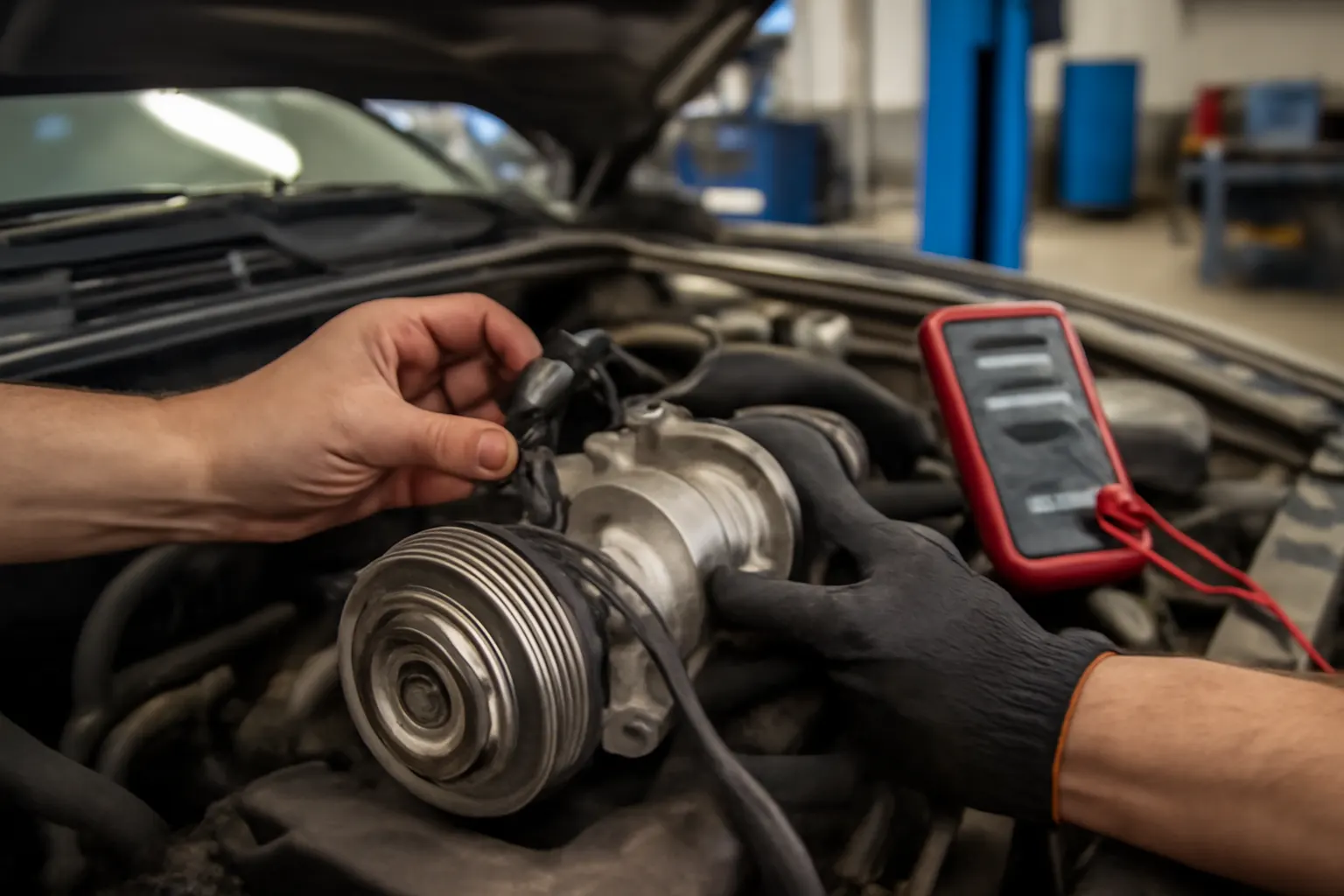
- Use a multimeter to test for continuity and voltage drop across suspect wires
For more detailed diagnosis, see our guide: How to Diagnose A/C Electrical Faults.
Hidden Cause #2: Faulty A/C Pressure Switches or Sensors
Pressure switches monitor refrigerant levels and system pressures, shutting down the compressor to prevent damage. But if a switch or its wiring fails, the system can be disabled even when pressures are normal.
Symptoms
- A/C cycles on and off rapidly
- Compressor does not engage, but system is fully charged
- No DTCs or only generic electrical codes
Technical Explanation
A/C pressure switches are typically located on the high- and low-pressure lines. They send binary or analog signals to the ECU or a dedicated climate control module. Corrosion, vibration, or connector damage can cause the switch to send false readings, leading to a “no operation” condition.
Diagnostic Steps
- Check switch connectors for corrosion, loose pins, or broken wires
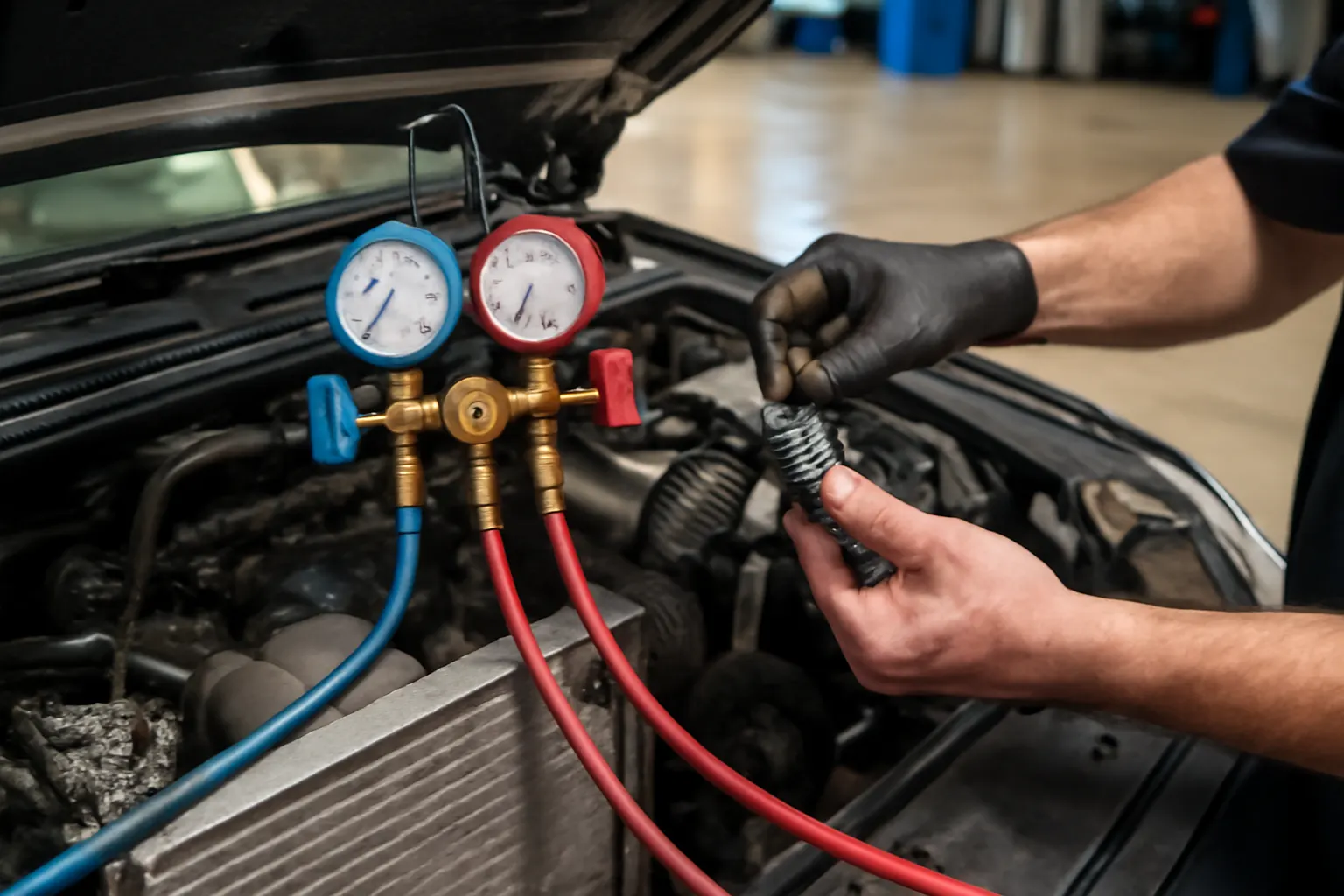
- Use a scan tool to monitor live pressure readings versus actual gauge readings
- Bypass the switch (for testing only) to confirm the compressor clutch circuit
For replacement options, visit our A/C Pressure Switches category.
Hidden Cause #3: Blown Fuses or Faulty Relays
A/C systems rely on dedicated fuses and relays to protect and control high-current circuits like the compressor clutch and blower motor.
Symptoms
- Total loss of A/C function after a jump-start or electrical short
- No power at compressor or blower motor
- Audible clicking from relay but no compressor engagement
Technical Explanation
A blown fuse will interrupt power to the A/C clutch, control panel, or module. Relays can fail internally, sticking open or closed, or develop high resistance across contacts. These failures can be intermittent, especially with aged or corroded relay contacts.
Checklist: Fuse and Relay Diagnosis
- Locate A/C fuses and relays in underhood and interior fuse boxes (consult owner’s manual)
- Inspect fuses for visible breaks or discoloration
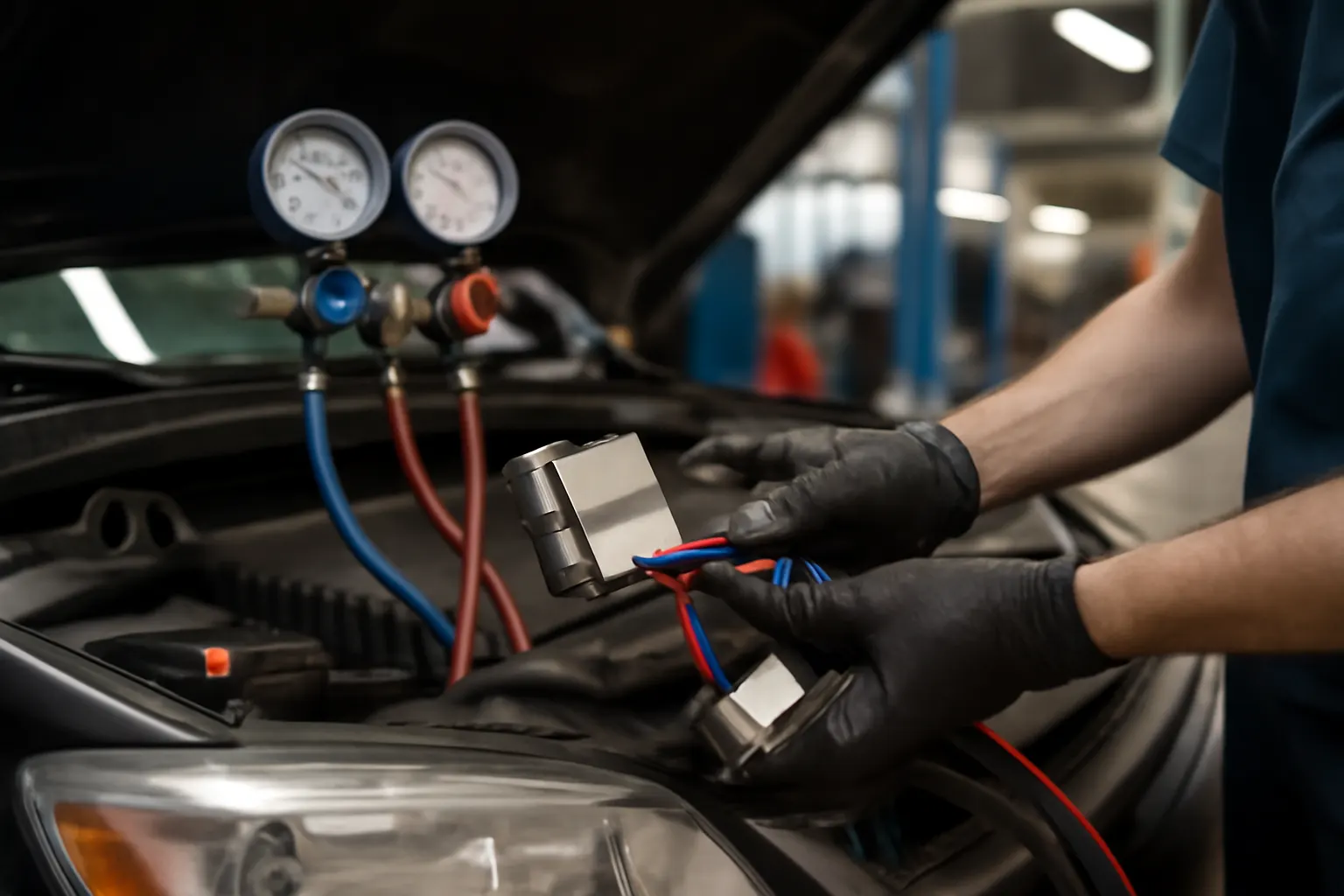
- Swap relays with identical ones (e.g., horn relay) to test function
- Use a relay tester or jumper wire to confirm relay operation
Hidden Cause #4: Poor Ground Connections
Ground circuits are the unsung heroes of every automotive electrical system. A bad ground can disrupt any A/C component, from the clutch to the control module.
Symptoms
- A/C works only at certain fan speeds or intermittently
- Voltage readings fluctuate at A/C components
- Other electrical issues coincide with A/C failure (headlights dim, radio cuts out)
Technical Explanation
A/C circuits often share ground points with other vehicle systems. Corrosion, loose bolts, or paint under ground lugs increases resistance, causing unpredictable failures. Modern vehicles may have multiple ground points for redundancy, but a single bad connection can still cause chaos.
Ground Connection Diagnostic Steps
- Identify all ground points used by the A/C system (service manual/diagrams)
- Inspect for rust, corrosion, or loose connections at ground lugs
- Clean contact surfaces with a wire brush and apply dielectric grease
- Use a voltage drop test (multimeter) between ground point and battery negative
Hidden Cause #5: Intermittent Control Module Failures
With the rise of electronic climate control, A/C operation is increasingly managed by body control modules (BCMs) or dedicated climate control units.
Symptoms
- A/C works after a battery reset but fails again after driving
- Inconsistent blower speeds or temperature control
- No communication with A/C module on scan tool
Technical Explanation
Modules can develop internal faults due to age, voltage spikes, or software glitches. Poor power or ground supply, or corrupted CAN bus communications, can also cause modules to misbehave—even if the rest of the system is healthy.
Advertisement
Diagnostic Steps
- Scan for stored or pending codes in body/climate modules
- Check for software updates or known technical service bulletins (TSBs)
- Confirm module power, ground, and communication circuit integrity
- Substitute a known-good module (if available) for testing
Comprehensive Diagnostic Approach: Don’t Skip the Wiring
While the above causes often fly under the radar, a systematic electrical diagnosis can save hours of guesswork and hundreds in unnecessary parts. Here’s a proven approach used by professional shops:
Step-by-Step Diagnostic Checklist
-
Visual Inspection
- Check harnesses, connectors, and grounds
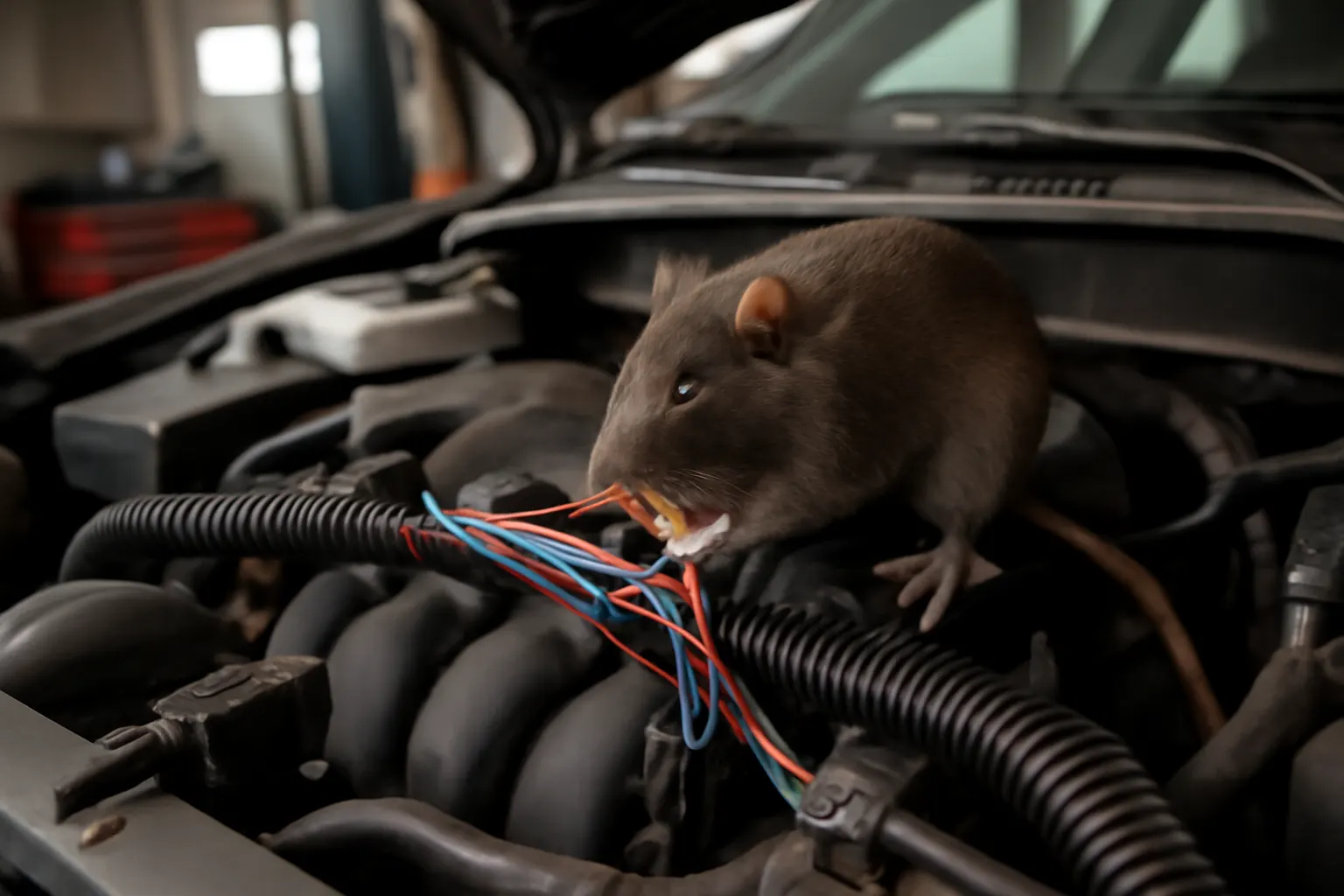
- Look for signs of water intrusion, rodent damage, or aftermarket modifications
-
Basic Electrical Tests
- Verify battery voltage and charging system health
- Test all A/C-related fuses and relays
-
Component Testing
- Test pressure switches, sensors, and control panel outputs
- Confirm compressor clutch operation with direct power
-
Advanced Circuit Testing
- Use a wiring diagram to trace circuits
- Perform voltage drop and continuity tests
- Check for CAN bus or module communication errors
-
Functional Testing
- Reassemble and test system operation under all modes and conditions
- Monitor live data with a scan tool during operation
For an in-depth walkthrough, see How to Diagnose A/C Electrical Faults.
The Role of OEM vs. Aftermarket Harnesses in A/C Reliability
Not all wiring harnesses are created equal. When replacing damaged A/C harnesses, the choice between OEM and aftermarket parts can make or break long-term reliability.
OEM Harnesses
- Designed to exact vehicle specifications
- Use high-quality connectors and proper wire gauges
- Typically more expensive, but better fit and finish
Aftermarket Harnesses
- Can offer savings, but may use lower-grade materials
- Fitment and connector quality can vary widely
- May lack proper shielding or weatherproofing
For a detailed comparison, see OEM vs. Aftermarket Harnesses: What You Need to Know.
Preventing Future A/C Electrical Issues
Proactive maintenance and careful installation are key to avoiding repeat failures.
Prevention Tips
- Routinely inspect and clean A/C wiring harnesses and connectors
- Use dielectric grease on all connections exposed to moisture
- Secure harnesses away from moving parts and heat sources
- Avoid splicing or modifying A/C circuits unless absolutely necessary
For more prevention strategies, check out Preventing Electrical Gremlins in Your A/C System.
When to Replace the A/C Wiring Harness
If you find corrosion, broken wires, or repeated intermittent faults, replacement is often the best solution. Modern harnesses are modular, and many are available as direct replacements.
Replacement Guidance
- Match the harness part number to your exact make, model, and year
- Inspect replacement harnesses for correct connector types and pin counts
- Follow manufacturer routing and securing instructions to prevent future damage
Browse our Wiring Harnesses category for direct-fit options.
Installation Best Practices for A/C Harnesses
Proper installation ensures long-term reliability:
- Disconnect the battery before any electrical work
- Label connectors and take photos during disassembly
- Use factory clips and grommets to secure harnesses
- Test all functions before reassembling trim or panels
The AutoPartEx Advantage: Technical Support and Quality Parts
At AutoPartEx, we specialize in OEM-fit and premium aftermarket wiring harnesses for air conditioning and other critical systems. Our technical editorial team and customer support staff are ready to assist with part selection, diagnosis, and installation tips. See our full Wiring Harness (Air Conditioning) category for direct-fit harnesses, pressure switches, and expert guides.
Take Action: Don’t Let Hidden Electrical Faults Defeat Your A/C
If your A/C isn’t working and refrigerant isn’t the issue, it’s time to dig deeper. Follow the checklists above, use quality diagnostic tools, and don’t hesitate to replace suspect wiring or modules. With the right approach—and help from AutoPartEx—you can restore ice-cold air and avoid repeat failures.
References
Advertisement