Advertisement
Your vehicle’s strut assembly—often referred to as the “knee assembly”—plays a pivotal role in ride comfort, steering precision, and overall safety. Recognizing the right time to replace your strut assembly is essential for optimal handling and to avoid expensive collateral damage. In this comprehensive guide, the AutoPartEx Technical Editorial Team delivers immediate, actionable answers, then dives deep into the technical, diagnostic, and maintenance considerations that every driver, DIYer, and automotive professional needs to know. If you’re seeking an authoritative resource, start here and reference our Knee Assembly (Strut Assy) Technical Guide: The Backbone of Modern Suspension Systems for foundational insights.
Immediate Answer: When Should You Replace Your Strut Assembly?
Strut assemblies should be replaced when you observe persistent symptoms of wear—such as excessive bouncing, clunking noises, uneven tire wear, or visible oil leaks—or at manufacturer-recommended mileage intervals, which typically range from 50,000 to 100,000 miles. However, severe road conditions, aggressive driving, or heavy loads can accelerate wear, making earlier replacement necessary. Regular inspections, particularly during routine maintenance or when you notice handling changes, are crucial for timely intervention.
The Hidden Problem: Why Strut Assembly Wear Is Often Overlooked
Many drivers delay strut replacement because symptoms emerge gradually and can be mistaken for unrelated issues—such as tire imbalance, worn bushings, or brake problems. Modern vehicles equipped with advanced suspension designs further mask early warning signs. As a result, strut degradation is frequently ignored until it triggers secondary failures or compromises safety. Unaddressed strut wear can lead to premature tire wear, increased stopping distances, and even loss of vehicle control during emergency maneuvers.
Understanding the Strut Assembly’s Role in Modern Suspension
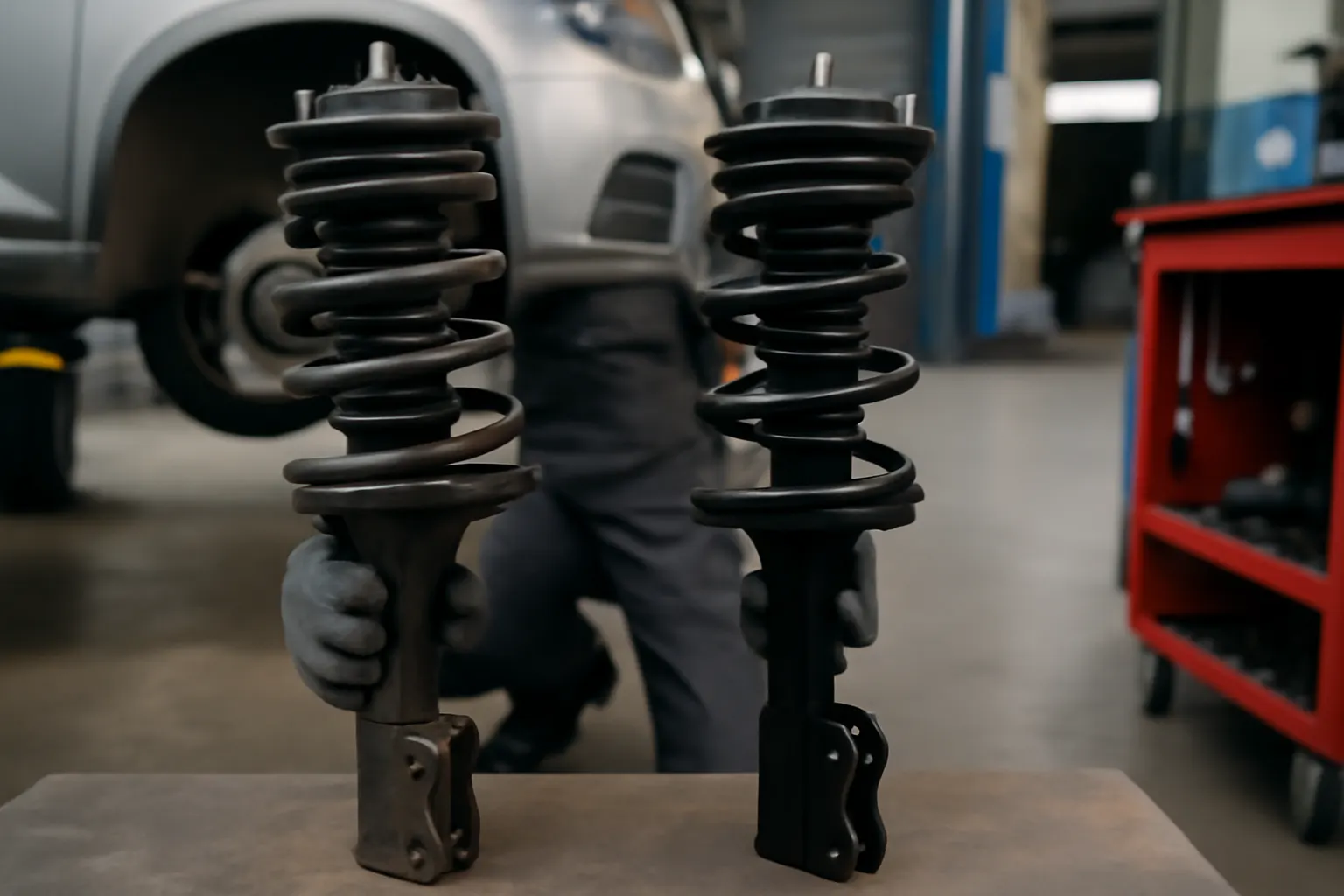
The strut assembly, or “knee assembly,” integrates the shock absorber, coil spring, and structural support for the wheel hub. It absorbs road impacts, maintains tire contact, and stabilizes the chassis during braking, cornering, and acceleration. In many vehicles, especially front-wheel drive and unibody designs, the strut assembly is a load-bearing component that directly affects suspension geometry and alignment. Advances in materials and engineering—such as high-strength steel and lightweight alloys—have improved strut durability, but no strut is immune to fatigue and environmental stressors (DOE Materials Technologies).
Key Warning Signs of Strut Assembly Wear
To prevent costly repairs and preserve safety, it’s essential to recognize the early warning signs of strut assembly wear. Below is a detailed checklist of symptoms that indicate your strut assembly may require inspection or replacement:
Strut Assembly Wear Checklist:
- Excessive Bouncing: The vehicle continues to oscillate after hitting a bump.
- Clunking or Knocking Noises: Audible sounds from the suspension, especially over rough roads or speed bumps.
- Leaking Hydraulic Fluid: Visible oil on the exterior of the strut body.
- Uneven Tire Wear: Cupping, scalloping, or rapid tread wear on tires.
- Nose Diving or Squatting: Excessive front-end dip during braking or rear squat on acceleration.
- Poor Steering Response: Increased body roll, delayed steering input, or wandering.
- Vehicle Sagging: Noticeable lowering of the vehicle at one or more corners.
- ABS or Traction Control Alerts: Strut failure can affect sensors or cause warning lights to illuminate.
If you notice any of these symptoms, prompt diagnosis and corrective action are essential. For a more in-depth approach to identifying suspension noises, see our guide on How to Diagnose Suspension Noise: Knee Assembly Edition.
Recommended Replacement Intervals: Manufacturer and Usage Considerations
While most automakers recommend strut replacement between 50,000 and 100,000 miles, actual service life varies based on vehicle type, driving style, and operating environment. Factors influencing replacement intervals include:
Advertisement
- Road Conditions: Frequent driving on rough, unpaved, or potholed roads accelerates wear.
- Driving Habits: Aggressive cornering, hard braking, or carrying heavy loads increase strut fatigue.
- Climate: Exposure to road salt, moisture, and extreme temperatures can corrode strut components and seals.
- Vehicle Design: Some models feature sport-tuned or heavy-duty suspensions with shorter or longer service intervals.
Always consult your owner’s manual or manufacturer’s service schedule for model-specific recommendations. If you operate in severe conditions, consider more frequent inspections and earlier replacement.
The Consequences of Delayed Strut Assembly Replacement
Ignoring worn struts can compromise multiple aspects of vehicle performance and safety. Common risks include:
- Extended Stopping Distances: Worn struts reduce tire contact, increasing braking distances.
- Loss of Traction: Degraded damping allows tires to lose contact over bumps, especially during emergency maneuvers.
- Premature Tire and Suspension Wear: Unstable suspension accelerates wear on tires, ball joints, bushings, and steering components.
- Alignment Issues: Strut fatigue can alter suspension geometry, leading to persistent alignment problems.
- Increased Risk of Accidents: Compromised handling and braking elevate the risk of loss-of-control incidents.
The National Highway Traffic Safety Administration (NHTSA) emphasizes the importance of maintaining all safety-critical equipment, including suspension components (NHTSA Vehicle Safety and Equipment).
Technical Deep Dive: How Strut Assemblies Fail
Strut assemblies are subject to complex mechanical and environmental stresses. Key failure modes include:
- Seal Degradation: The hydraulic seal wears out, causing fluid leaks and loss of damping.
- Spring Fatigue: Coil springs lose tension or break, resulting in sagging or uneven ride height.
- Internal Piston Wear: Repeated cycles cause piston and cylinder wear, reducing shock absorption.
- Corrosion: Moisture, salt, and debris corrode the strut body or mounting points, especially in rust-prone regions.
- Mount and Bushing Wear: Upper strut mounts and bushings deteriorate, leading to noise and misalignment.
Modern struts are engineered for longevity, but even premium assemblies ultimately succumb to material fatigue and mechanical stress.
Diagnosing Strut Assembly Problems: A Step-by-Step Approach
Proper diagnosis is critical before committing to replacement. Here’s a systematic diagnostic process:
- Visual Inspection: Examine the strut body for leaks, dents, or rust. Check coil springs for cracks or breaks.
- Bounce Test: Push down firmly on each corner of the vehicle and release. More than one or two oscillations indicate worn struts.
- Road Test: Listen for noises over bumps and assess handling during braking and cornering.
- Tire Analysis: Inspect tires for abnormal wear patterns, which may signal strut or alignment issues.
- Lift Inspection: With the vehicle on a lift, check for play in the strut mount, bushings, and hardware.
- Electronic Diagnostics: For vehicles with adaptive or electronic struts, scan for error codes related to suspension sensors.
Document all findings to determine whether replacement is warranted or if another suspension component is at fault.
Choosing the Right Replacement: OEM vs. Aftermarket Strut Assemblies
Selecting the correct replacement strut assembly is crucial for restoring factory ride quality and safety. Consider the following:
- OEM (Original Equipment Manufacturer): Guarantees direct fit and OE performance, but typically costs more.
- Aftermarket: Offers broader selection and potential performance upgrades, but quality varies. Reputable brands often meet or exceed OE standards.
- Compatibility: Confirm the assembly matches your vehicle’s make, model, year, and trim. Pay special attention to differences in suspension packages (e.g., sport vs. standard).
- Component Completeness: Many modern assemblies are sold as complete units (strut, coil spring, mount, boot, and bump stop), simplifying installation and reducing labor time.
For a detailed comparison, visit our editorial on OEM vs Aftermarket Knee Assemblies: What Matters Most?.
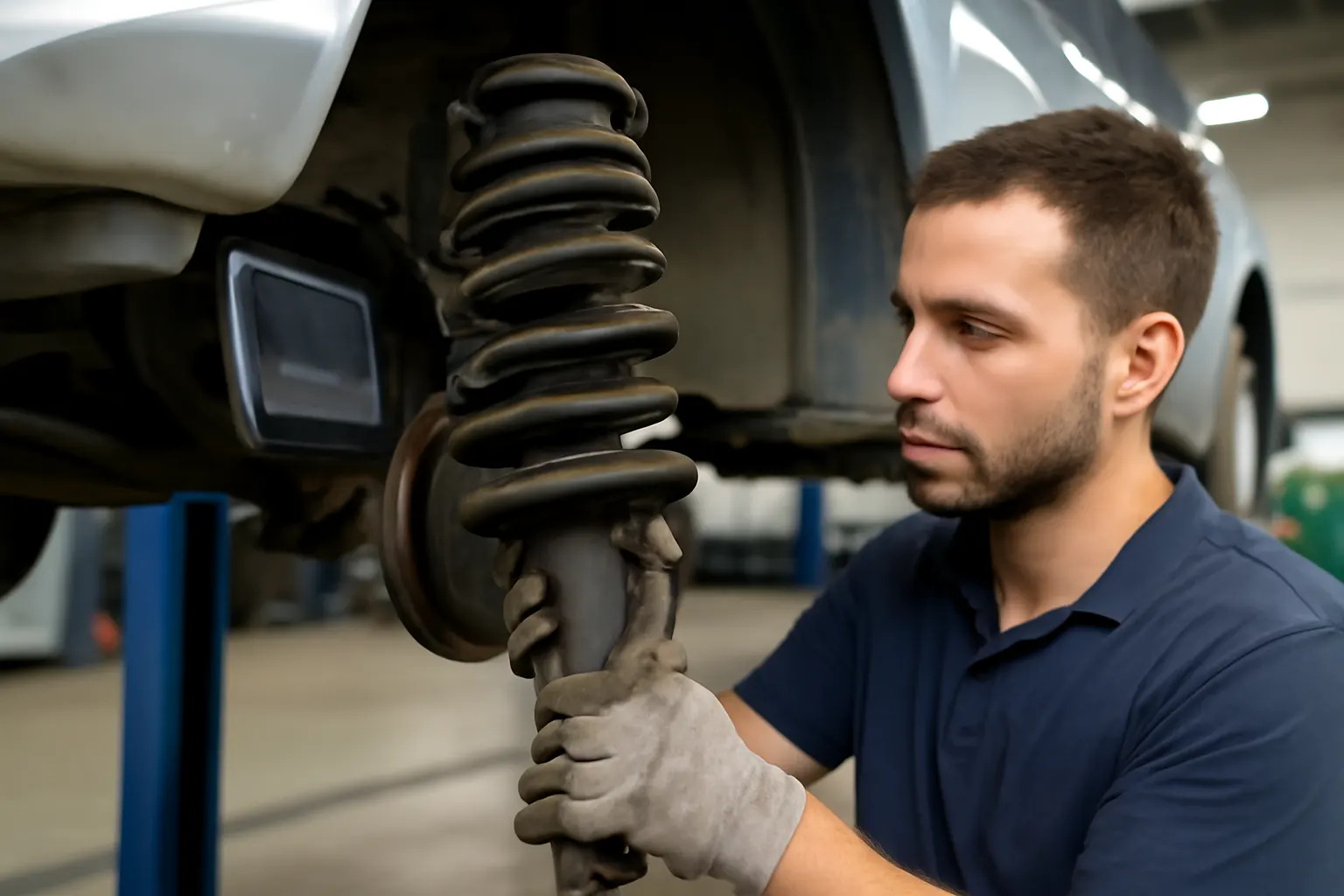
Installation Considerations: Professional vs. DIY Strut Replacement
Replacing a strut assembly requires specialized tools and safety precautions, especially when dealing with compressed coil springs. Key considerations include:
Advertisement
- Spring Compression: Use a quality spring compressor to avoid injury. Pre-assembled (loaded) strut units minimize risk.
- Torque Specifications: Follow manufacturer torque specs for all fasteners and mounts.
- Alignment: Strut replacement almost always necessitates a wheel alignment to restore suspension geometry.
- Electronic Calibration: Vehicles with adaptive suspensions may require recalibration after replacement.
Unless you have advanced mechanical experience and the proper equipment, professional installation is recommended to ensure safety and optimal performance. For post-installation steps, see our guide on Suspension Alignment After Knee Assembly Replacement.
Maintenance Tips to Maximize Strut Assembly Life
Routine maintenance extends strut service life and helps prevent premature failure. Adopt these best practices:
- Regular Inspections: Check struts during tire rotations or oil changes, especially after winter or harsh conditions.
- Keep Components Clean: Remove debris and road salt from suspension components to prevent corrosion.
- Monitor Vehicle Height: Uneven ride height may indicate spring fatigue or mounting issues.
- Address Issues Early: Resolve minor noises or handling changes promptly to prevent escalation.
Proactive care reduces the likelihood of sudden failures and supports long-term vehicle safety.
Frequently Asked Questions: Strut Assemblies and Replacement
Q: Can I replace just one strut assembly, or should they be done in pairs?
A: For balanced handling and even wear, always replace struts in pairs (front or rear). Mixing new and old struts can cause unpredictable handling.
Q: How do I know if my strut assembly is covered by a recall?
A: Check your vehicle’s VIN against the NHTSA Recalls Database for any suspension-related recalls. Strut defects are rare but do occur.
Q: What is the difference between a strut and a shock absorber?
A: Struts integrate the shock absorber with structural and alignment functions, while shocks only dampen movement. Most modern vehicles use struts in the front and shocks in the rear.
Q: Does replacing my strut assembly improve ride comfort?
A: Yes—new struts restore original ride quality, reduce noise, and improve handling.
Advanced Topics: Materials and Technology Trends in Strut Assemblies
Recent advancements in materials and manufacturing have improved strut assembly performance and longevity:
- High-Strength Steel and Alloys: Reduce weight while maintaining structural integrity.
- Composite Materials: Used in mounts and isolators to enhance durability and NVH (noise, vibration, harshness) characteristics.
- Electronic Damping: Adaptive struts adjust stiffness in real time for improved comfort and handling.
- Corrosion-Resistant Coatings: Extend strut life in harsh climates.
These innovations are driven by regulatory and consumer demands for safety, efficiency, and ride quality (DOE Materials Technologies).
The AutoPartEx Solution Path: Ensuring a Safe and Confident Ride
At AutoPartEx, we know that timely strut assembly replacement is a cornerstone of vehicle safety and performance. Our platform connects you with trusted OE and aftermarket strut assemblies, comprehensive fitment data, and expert technical resources. Whether you’re a professional technician or a passionate DIYer, our parts catalog and editorial guides empower you to make informed, confident decisions. Begin your search with our Knee Assembly (Strut Assy) Technical Guide: The Backbone of Modern Suspension Systems or explore related solutions for your make, such as Acura or AMC, to ensure the right fit for your vehicle.
Expert Action: What to Do Next
- Inspect Your Struts: Use the checklist above during your next maintenance session.
- Schedule Replacement: If you notice symptoms or are approaching the recommended mileage, plan your replacement.
- Choose Quality Parts: Source your assemblies from reputable suppliers, using AutoPartEx fitment tools for confidence.
- Follow Up with Alignment: Always align your suspension after strut replacement.
- Stay Informed: Regularly check your vehicle for recalls and keep up with the latest suspension technology.
By staying proactive and informed, you’ll maximize safety, ride quality, and the long-term value of your vehicle.
References
Advertisement