Advertisement
OEM vs Aftermarket Knee Assemblies: What Matters Most?
When it comes to knee assemblies (also known as strut assemblies), your choice between Original Equipment Manufacturer (OEM) parts and aftermarket alternatives can have a profound impact on your vehicle’s ride quality, safety, and long-term reliability. For drivers and technicians alike, understanding the real-world differences between these two categories is essential for making an informed, cost-effective, and safety-conscious decision. This guide dives deep into the technical, practical, and regulatory distinctions between OEM and aftermarket knee assemblies, empowering you with the knowledge to select the right component for your needs.
If you’re new to the world of Knee Assembly (Strut Assy), this article builds on foundational concepts covered in our technical guide. Let’s break down what truly matters when choosing between OEM and aftermarket knee assemblies.
The Immediate Answer: What’s the Real Difference?
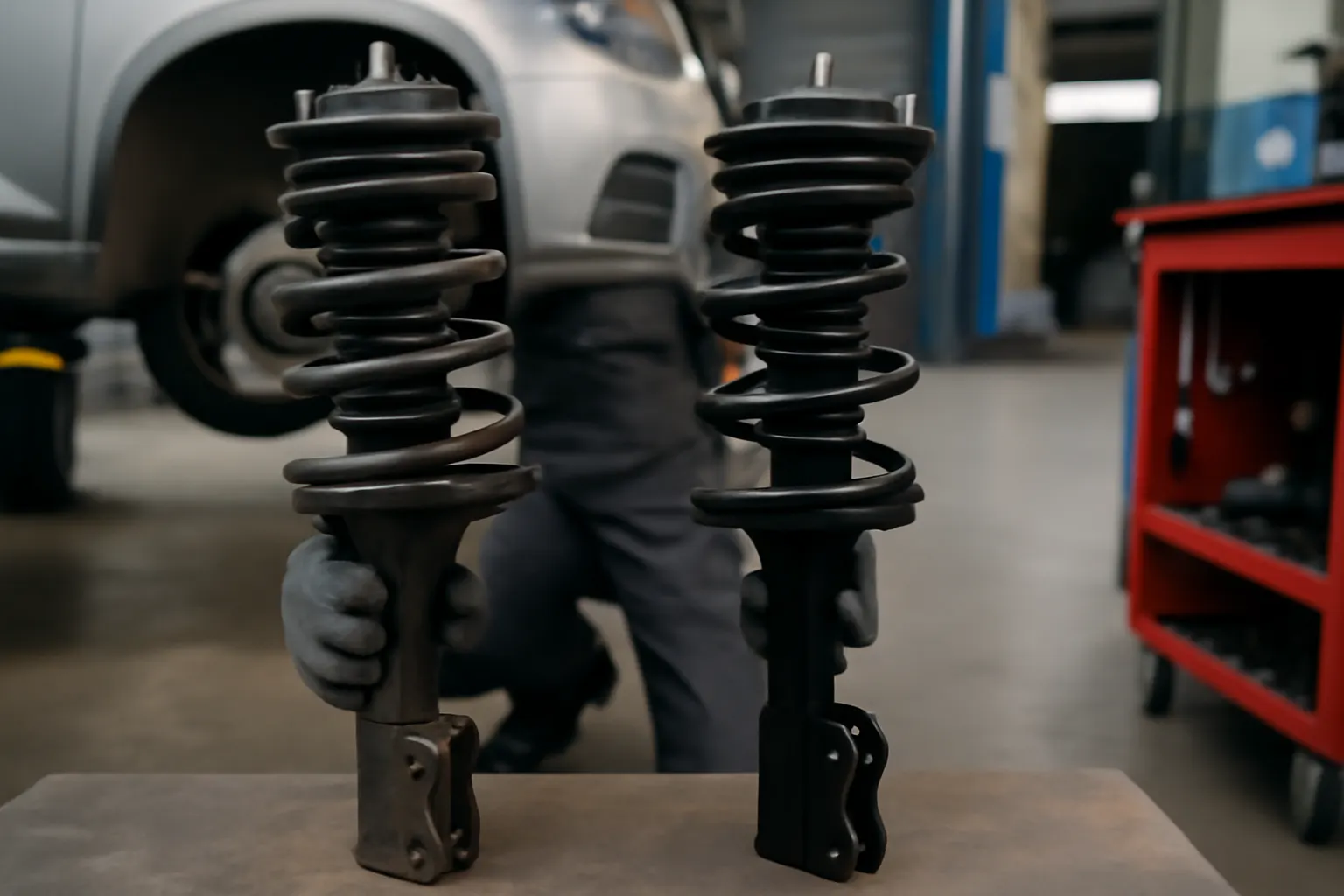
At first glance, both OEM and aftermarket knee assemblies perform the same function: they support your vehicle’s suspension, absorb road shocks, and maintain critical alignment. However, the real difference lies in their design precision, material quality, fitment accuracy, and long-term durability.
- OEM knee assemblies are designed and produced by the vehicle’s original manufacturer or a designated supplier, ensuring exact fitment and adherence to strict quality standards.
- Aftermarket knee assemblies are produced by third-party companies, offering a range of quality levels, price points, and sometimes, performance enhancements or cost savings.
In short: OEM assemblies offer guaranteed fit and factory-spec performance, while aftermarket options can range from high-quality upgrades to budget alternatives with variable results.
The Hidden Problem: Not All Knee Assemblies Are Created Equal
The challenge isn’t simply picking between two boxes on a shelf. The aftermarket parts industry is vast and diverse, with products ranging from premium, rigorously-tested assemblies to low-cost, minimally regulated imports. Without a clear understanding of the differences, you risk compromising your vehicle’s handling, safety, and even fuel efficiency.
Moreover, not all aftermarket knee assemblies are engineered to meet the same standards as OEM parts. This can result in:
- Subtle misalignments that affect tire wear and steering response
- Inconsistent damping or spring rates, altering ride comfort and safety
- Material inconsistencies that impact long-term durability
These hidden variables can manifest as annoying noises, premature component wear, or—worst-case scenario—safety-critical failures that put you and your passengers at risk.
Expanding the Problem: Technical and Regulatory Factors
The Role of Materials and Manufacturing
The knee assembly is a complex, load-bearing component. Its structural integrity is determined by the quality of materials and the precision of manufacturing. According to the United States Department of Energy’s Materials Technologies, advanced materials like high-strength steel and specialized alloys are crucial for balancing strength, weight, and performance in modern suspension systems.
OEM manufacturers rigorously control their supply chains and manufacturing processes, ensuring that each assembly meets stringent specifications for strength, fatigue resistance, and corrosion protection. Aftermarket manufacturers may use different materials, production methods, or tolerances—sometimes to reduce cost, sometimes to improve upon the original, but often with varying results.
Safety and Compliance
The National Highway Traffic Safety Administration (NHTSA) maintains strict guidelines for vehicle safety and equipment, including replacement suspension components (NHTSA Equipment). OEM knee assemblies are certified to meet or exceed these standards by design. Aftermarket parts must also comply with safety regulations, but enforcement and testing can be inconsistent, especially with budget or off-brand products.
Fitment and Alignment
A knee assembly isn’t just a strut. It’s a critical node connecting the wheel hub, lower control arm, and steering knuckle. Even minor deviations in geometry can affect wheel alignment, leading to uneven tire wear, poor handling, and increased fuel consumption (DOE Fuel Efficiency). OEM parts are guaranteed to match factory dimensions, while aftermarket fitment can vary—sometimes requiring additional shims or modifications for proper alignment.
Digging Deeper: How to Evaluate Knee Assembly Options
1. Quality of Materials
- OEM: Uses manufacturer-specified steel, rubber, and bushings, tested for fatigue and corrosion.
- Aftermarket: Quality varies widely; premium brands may match or exceed OEM specs, while budget options might cut corners on materials or finish.
Advertisement
2. Engineering and Testing
- OEM: Subjected to rigorous validation, including finite element analysis, real-world durability testing, and compliance with SAE standards (SAE Standards).
- Aftermarket: Some leading brands invest in engineering and testing, but many generic options rely on simplified designs and limited validation.
3. Precision and Fitment
- OEM: Guaranteed to fit the make, model, and trim exactly, with all mounting points and geometry intact.
- Aftermarket: May require slight modifications, spacers, or additional alignment work. Poor fitment can cause noise, binding, or premature wear.
4. Warranty and Support
- OEM: Backed by the vehicle manufacturer’s warranty and service network.
- Aftermarket: Warranty varies—premium brands may offer competitive coverage, but many low-cost options offer minimal or no support.
Diagnostic Checklist: Is Your Knee Assembly Up to Standard?
Before replacing your knee assembly, use this checklist to assess the current component and evaluate potential replacements:
| Diagnostic Step | OEM Assembly | Aftermarket Assembly |
|---|---|---|
| Visual Inspection (Cracks, Rust) | Rare | Varies |
| Bushing Condition | Factory-grade rubber | May vary |
| Mounting Point Accuracy | Exact | May need adjustment |
| Ride Quality (Noise, Harshness) | Smooth, consistent | Variable |
| Alignment After Installation | Usually minimal work | May require tuning |
| Compatibility with Sensors/ABS | Guaranteed | May require research |
| Warranty Coverage | OEM or dealership | Brand-dependent |
If you notice deviations from factory specs—such as unusual noises, misalignment, or premature bushing wear—consider whether the issue might be related to a non-OEM knee assembly or a subpar aftermarket part.
Installation Considerations: What to Expect
OEM Knee Assembly Installation
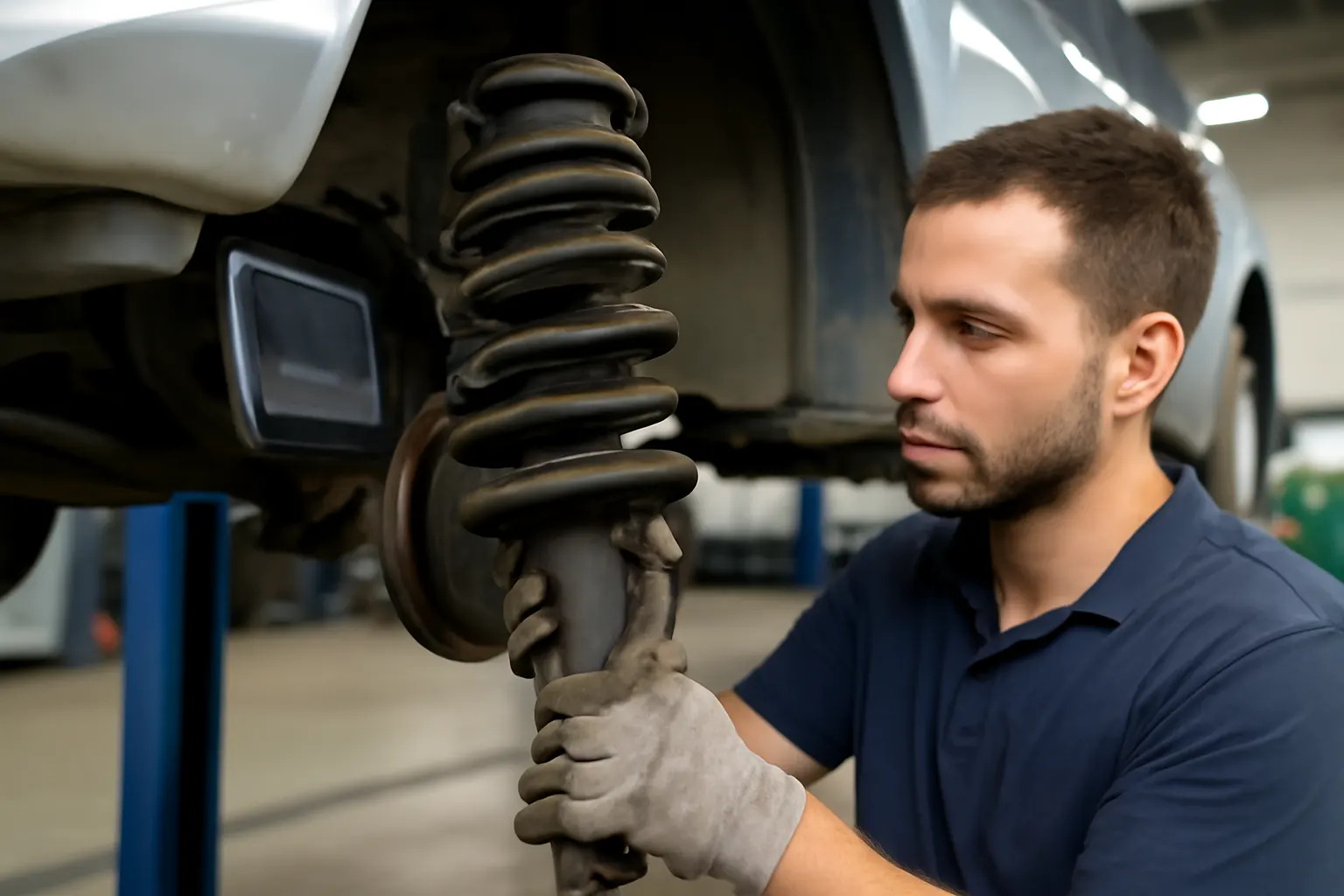
- Fitment: Typically bolt-in, with all mounting points and hardware matching factory specifications.
- Time: Faster installation due to perfect alignment; minimal adjustments required.
- Tools: Standard automotive tools; no special modifications needed.
- Calibration: Sensors and electronic aids (like ABS or ride height sensors) integrate seamlessly.
Aftermarket Knee Assembly Installation
- Fitment: May require test fitting, minor modifications, or additional shims to achieve proper alignment.
- Time: Installation can take longer due to adjustment needs.
- Tools: Sometimes requires extra tools for custom fitting or sensor adaptation.
- Calibration: Some aftermarket assemblies may lack provisions for all factory sensors, requiring workarounds or additional components.
A correct installation is critical for both safety and performance. If you’re unsure, consult a professional or reference our detailed guide on Suspension Alignment After Knee Assembly Replacement.
Cost Analysis: Is Cheaper Always Better?
While aftermarket knee assemblies often come with a lower upfront price, the total cost of ownership can tell a different story. Consider:
- Labor Costs: If an aftermarket part requires additional labor for fitting or alignment, savings on the part itself may be offset by higher installation costs.
- Longevity: Lower-quality materials or inconsistent bushings may lead to earlier failure, requiring more frequent replacements.
- Tire Wear and Fuel Efficiency: Misalignment or geometry deviations can increase tire wear and reduce fuel efficiency, adding to long-term expenses (DOE Fuel Efficiency).
For fleet vehicles or those prioritizing long-term value, OEM or high-quality aftermarket options are often the more economical choice over the vehicle’s lifespan.
Performance and Ride Quality: Can Aftermarket Be an Upgrade?
Not all aftermarket knee assemblies are created for cost savings alone. Some are engineered for improved performance, offering:
- Sport-Tuned Damping: For enthusiasts seeking sharper handling.
- Adjustable Ride Height: For custom suspension setups.
- Heavy-Duty Construction: For off-road or high-load applications.
However, with these benefits come trade-offs. Aftermarket performance assemblies may sacrifice ride comfort, introduce more vibration, or require additional tuning for optimal results. Always verify that the chosen part is compatible with your vehicle's intended use and consult manufacturer data or SAE Standards for technical details.
Safety and Compliance: Regulatory Realities
Safety is paramount. According to NHTSA Equipment, all replacement suspension components must meet federal safety standards. However, enforcement can be inconsistent for off-brand or imported aftermarket assemblies. Risks include:
- Uncertified Materials: Subpar metals or bushings that fail under load.
- Improper Geometry: Affecting ABS function, steering response, or crashworthiness.
- Recall Risk: Some aftermarket parts may be subject to recalls (NHTSA Recalls), with limited manufacturer support.
Advertisement
Whenever possible, choose assemblies from reputable brands with documented compliance to NHTSA and SAE standards.
Maintenance and Longevity: What to Watch For
Proper maintenance extends the life of any knee assembly, but the requirements may differ:
- OEM: Follow the manufacturer’s service intervals and inspection routines. Expect consistent performance over the rated lifespan.
- Aftermarket: Inspect more frequently, especially for bushing wear, corrosion, and fastener integrity. Performance assemblies may require additional checks for preload, alignment, and torque.
Regularly check for:
- Unusual noises or vibrations
- Visible corrosion or cracking
- Leaking struts or worn bushings
- Changes in ride height or wheel alignment
If issues arise soon after installation, consider whether the knee assembly’s quality or fitment is to blame.
Sourcing and Authenticity: Avoiding Counterfeits
The rise of online marketplaces has made it easier to source both OEM and aftermarket parts—but also increases the risk of counterfeit or substandard assemblies. To ensure authenticity:
- Buy from Authorized Dealers: Whether OEM or premium aftermarket, stick to verified sources.
- Check Labels and Part Numbers: Genuine parts will have clear markings, serial numbers, and manufacturer data.
- Research the Brand: Look for documented compliance with NHTSA and SAE standards, and review user feedback or professional tests.
Counterfeit knee assemblies may look similar but can fail dramatically under load, posing serious safety risks.
Practical Buying Guidance: Choosing the Right Knee Assembly
Here’s a step-by-step approach to selecting the right knee assembly for your vehicle:
- Identify Your Priorities: Are you seeking factory-spec reliability, cost savings, or performance upgrades?
- Research Fitment: Use your vehicle’s VIN and consult manufacturer fitment charts to avoid compatibility issues.
- Verify Compliance: Ensure the assembly meets NHTSA and SAE standards.
- Compare Brands: Look for reputable OEM or aftermarket brands with proven track records.
- Evaluate Warranty: Consider the length and coverage of any warranty offered.
- Inspect Before Installing: Check for defects, proper labeling, and correct hardware.
- Plan for Alignment: Budget for a professional alignment after installation to protect tires and suspension.
Common Pitfalls and How to Avoid Them
Mistakes in sourcing or installing a knee assembly can lead to costly or dangerous outcomes. Common pitfalls include:
- Choosing the Cheapest Option: Saving a few dollars can mean sacrificing safety or longevity.
- Ignoring Alignment: Failing to realign after installation can ruin new tires and degrade handling.
- Overlooking Sensor Compatibility: Modern vehicles depend on integrated sensors for ABS, stability control, and ride height—ensure your assembly accommodates all necessary connections.
- Skipping the Test Drive: Always test drive after installation to check for noises, vibrations, or pulling.
For more on diagnosing suspension issues, see our guide: How to Diagnose Suspension Noise: Knee Assembly Edition.
When to Replace: Warning Signs and Intervals
Knowing when to replace your knee assembly is as important as choosing the right one. Warning signs include:
- Clunking or knocking noises over bumps
- Excessive body roll or poor handling
- Uneven or accelerated tire wear
- Visible damage, corrosion, or leaking fluid
For a full breakdown of warning signs and recommended replacement intervals, refer to our dedicated resource: When to Replace Your Strut Assembly: Warning Signs and Intervals.
AutoPartEx Positioning: Your Trusted Source for Knee Assemblies
At AutoPartEx, we understand that your vehicle’s safety and performance depend on every component—especially the knee assembly. We stock a curated selection of both OEM and premium aftermarket knee assemblies, with detailed fitment data, compliance documentation, and expert support to guide your purchase. Whether you’re restoring factory ride quality or upgrading your suspension, our platform connects you with the right part, every time.
For a deeper technical dive and to explore our full product range, visit our Knee Assembly (Strut Assy) Technical Guide: The Backbone of Modern Suspension Systems.
The Expert Action: Make the Informed Choice
Choosing between OEM and aftermarket knee assemblies is not a one-size-fits-all decision. Consider your vehicle’s requirements, your driving style, and your long-term expectations. Prioritize safety, fitment, and compliance with established standards. When in doubt, consult professional resources or trusted suppliers like AutoPartEx.
Remember: a high-quality knee assembly is an investment in your vehicle’s performance, safety, and longevity. Don’t leave it to chance—make the informed choice.
References
Advertisement