
Knee Assembly (see also Strut Assy)
Knee Assembly (see also Strut Assy): What to Know Before You Buy
Many vehicle owners overlook the knee assembly when addressing suspension issues, yet this component plays a crucial role in ride quality and safety. Understanding what a knee assembly is, how it interacts with strut assemblies, and what to look for when selecting a replacement can help you avoid costly mistakes. This guide provides a comprehensive look at knee assemblies, practical steps for selection, and evidence-based advice for informed decisions.
Showing 1–8 of 339 products


More Knee Assembly (see also Strut Assy) options
Filtering for Knee Assembly (see also Strut Assy)Browse nearby inventory for this category without leaving the page. Use search to filter by price, part number, or city.
No Data Available
Please check back soon when more inventory is available for this part.
Knee Assembly (see also Strut Assy): What to Know Before You Buy
Why the Knee Assembly Deserves Your Attention
When considering suspension repairs or upgrades, most drivers immediately think of shocks, struts, or control arms. However, the knee assembly—sometimes referred to in conjunction with the strut assembly—is a critical, often overlooked component. This part forms the structural backbone for mounting various suspension elements, and its condition can directly affect alignment, steering feel, and even braking performance. Overlooking the knee assembly during routine checks or repairs can lead to persistent issues that are difficult to diagnose and resolve.
Many owners are unaware that the knee assembly can sustain damage from impacts, corrosion, or previous repairs. Unlike more visible components, the knee assembly’s problems may not be immediately obvious. Subtle bends or wear can go unnoticed until they manifest as uneven tire wear, vague steering, or recurring alignment problems. These symptoms are often misattributed to other parts, leading to repeated, ineffective repairs.
Given its central role in suspension geometry, the knee assembly’s integrity is vital for proper vehicle operation. Ignoring this component can compromise not only ride comfort but also safety. Recognizing the importance of the knee assembly is the first step toward ensuring a complete and effective suspension repair or upgrade. In the following sections, we’ll explore common problems, technical context, and practical steps for selection and replacement.

Understanding Knee Assembly Issues and Their Impact
The knee assembly serves as the mounting point for the strut, wheel hub, and sometimes the lower control arm. It is designed to maintain precise alignment angles and absorb forces from the road. When this component is compromised—whether by accident, wear, or corrosion—the entire suspension system can be affected. Even a slight deviation in the knee assembly’s geometry can lead to persistent alignment issues that are difficult to correct with standard adjustments.
Common signs of knee assembly problems include abnormal tire wear, steering pull, or noises during suspension movement. These symptoms often overlap with those caused by worn struts or bushings, making diagnosis challenging. For example, a bent knee assembly may cause a vehicle to consistently drift to one side, even after multiple alignments. In some cases, the issue is only discovered after replacing other suspension parts without resolving the underlying problem.
The knee assembly is also subject to corrosion, especially in regions where road salt is used. Rust can weaken mounting points or cause the assembly to deform under load. This can lead to clunks, squeaks, or even catastrophic failure if left unaddressed. Visual inspection may not always reveal subtle bends or cracks, so a thorough evaluation is essential when diagnosing persistent suspension issues.
Another overlooked issue is the compatibility of replacement knee assemblies. Salvage or aftermarket parts may vary in design, material quality, or wear history. Using an incompatible or damaged assembly can introduce new problems, such as improper fitment or altered suspension geometry. This is why it’s crucial to verify the part’s condition and compatibility with your specific vehicle model and year before installation.
Replacing the knee assembly is not a routine maintenance task; it is typically performed after collision damage or when severe wear is detected. However, failure to address a compromised knee assembly can lead to repeated part failures and increased repair costs over time. It’s important to understand that this component is integral to the vehicle’s safety and handling, not just its ride comfort.
Technical guidance for knee assembly replacement is often less detailed than for struts or control arms. This can leave even experienced technicians uncertain about best practices for inspection and installation. As a result, some repairs may overlook the need for a new knee assembly, focusing instead on more commonly serviced parts. Awareness of these challenges helps owners and technicians make more informed decisions when addressing suspension problems.
Practical Steps for Selecting and Replacing a Knee Assembly
The first step in addressing potential knee assembly issues is a thorough inspection. Look for signs of impact damage, corrosion, or deformation around the mounting points. If you notice uneven tire wear, persistent alignment problems, or unexplained suspension noise, consider the knee assembly as a possible culprit. Use a straightedge or alignment tools to check for subtle bends that may not be visible to the naked eye. If you’re unsure, consult a technician with experience in your vehicle’s make and model.
When selecting a replacement knee assembly, it’s important to verify compatibility with your specific vehicle. Part numbers, mounting hole locations, and design features can vary between model years or trim levels. Salvage parts are a common choice, but their condition should be carefully evaluated. Look for evidence of prior damage or repairs, and avoid assemblies with excessive rust or worn bushings. If possible, request detailed photographs or inspect the part in person before purchase.
Consider whether to use an OEM, aftermarket, or salvage knee assembly. OEM parts are designed to match the original specifications, while aftermarket options may offer different materials or construction methods. Salvage assemblies can be cost-effective but require careful inspection for hidden defects. Weigh the pros and cons of each option based on your budget, desired longevity, and the availability of quality parts. For more on this topic, see our guide on OEM vs Aftermarket Knee Assemblies: What Matters Most?.
Before installation, gather a written repair estimate that outlines the work to be performed, the parts to be used, and the anticipated labor charges. The Federal Trade Commission (FTC) recommends this practice for all major repairs, as it helps clarify expectations and protects against unexpected costs. If the repair is complex or expensive, consider seeking a second opinion from another qualified shop. Ask whether the technician has experience with your specific make and model, as this can impact the quality of the repair.
Once the knee assembly is installed, a professional suspension alignment is essential. Even minor deviations in the assembly’s position can affect camber, caster, and toe angles. Driving without proper alignment can lead to rapid tire wear and compromised handling. For detailed alignment procedures after knee assembly replacement, refer to our guide on Suspension Alignment After Knee Assembly Replacement.
After the repair, obtain a completed repair order that lists the work performed, parts used, total costs, and odometer readings. This documentation is important for warranty claims, resale value, and future maintenance. Compare the completed work with the original estimate and the manufacturer’s recommended maintenance schedule. If additional services were performed, ask why they were necessary and whether they align with your vehicle’s needs.
Stay proactive by monitoring your vehicle for any recurring symptoms. If you notice new noises, alignment issues, or uneven tire wear after replacing the knee assembly, return to the repair shop for a follow-up inspection. Persistent problems may indicate an underlying issue with installation, part quality, or compatibility. Keeping detailed records and communicating clearly with your technician can help resolve issues efficiently.
Finally, remember that knee assembly replacement is a specialized task. Not all repair shops have the experience or equipment to perform this work correctly. Choose a shop with a track record of successful suspension repairs on your vehicle type. If you’re purchasing a used or salvage assembly, request documentation of its origin and condition. Taking these steps can help ensure a safe, reliable repair and avoid unnecessary costs down the road.
Published Evidence and Guidance for Knee Assembly Repairs
The National Highway Traffic Safety Administration (NHTSA) provides comprehensive consumer guidance on vehicle recalls and safety issues. According to the NHTSA’s official recall information, vehicle owners can use their VIN to check for open recalls affecting specific components, including suspension parts like the knee assembly. However, the NHTSA database does not confirm that a particular vehicle or knee assembly is subject to a recall unless a specific VIN search reveals an open case. This means that while recall lookups are valuable for identifying known safety defects, they do not guarantee that any given knee assembly is free from issues or has been previously repaired. Owners should use the NHTSA’s resources as part of a broader due diligence process when evaluating replacement parts or used vehicles NHTSA: Vehicle Recalls.
The NHTSA also outlines the process by which safety complaints lead to investigations and potential recalls. If multiple owners report similar problems with knee assemblies or related suspension components, the agency may open an investigation to determine if a defect exists. Manufacturers are then required to notify owners and provide a remedy, which could include repair, replacement, or refund. However, many knee assembly issues may not rise to the level of a formal recall, especially if they result from wear, collision damage, or improper installation rather than a manufacturing defect. This underscores the importance of thorough inspection and documentation when replacing these components NHTSA: Vehicle Recalls.
The Federal Trade Commission (FTC) offers general repair advice that is directly relevant to knee assembly replacement. The FTC recommends obtaining a written repair estimate that details the condition to be repaired, the parts needed, and anticipated labor charges. This practice helps ensure transparency and allows consumers to compare recommendations from different shops. The FTC further advises asking whether the technician has experience with the same make or model, which is particularly important for specialized components like knee assemblies FTC: Auto Repair Basics.
The FTC also distinguishes between new, remanufactured, and salvage parts. Salvage knee assemblies, which come from other vehicles without alteration, can be a cost-effective option but require careful evaluation for wear or hidden damage. The FTC does not endorse any particular type of part but emphasizes the importance of understanding what you are buying and ensuring that the part meets your needs. This guidance is especially relevant when considering used or aftermarket knee assemblies, as quality and compatibility can vary significantly FTC: Auto Repair Basics.
Neither the NHTSA nor the FTC provides vehicle-specific technical specifications or repair intervals for knee assemblies. Instead, they focus on consumer rights, transparency, and safety. This means that owners and technicians must rely on manufacturer service manuals, shop experience, and careful inspection when diagnosing and replacing knee assemblies. Comparing shop recommendations with the manufacturer’s maintenance schedule is advised, but there is no substitute for a detailed, vehicle-specific inspection when persistent suspension issues arise FTC: Auto Repair Basics.
The evidence from these sources establishes a clear framework for responsible knee assembly replacement. Owners should use recall databases to check for known safety issues, obtain detailed repair estimates, and verify the experience of their chosen technician. There is no standard warranty on repairs, so it is essential to understand any coverage offered by the shop or part supplier and get it in writing. These steps help protect against unexpected costs and ensure that repairs are performed to a high standard FTC: Auto Repair Basics.
It is important to note what the published evidence does not establish. Neither the NHTSA nor the FTC provides statistics on knee assembly failure rates, typical repair costs, or the effectiveness of specific aftermarket brands. They do not guarantee fitment or performance for any particular knee assembly. As such, buyers must rely on careful inspection, documentation, and communication with sellers and technicians to ensure a successful repair. When in doubt, seek a second opinion and request detailed information about the part’s condition and history before making a purchase or authorizing installation FTC: Auto Repair Basics.
Take the Next Step Toward a Confident Repair
If you suspect a knee assembly issue or are considering a replacement, start by gathering detailed information about your vehicle and the part in question. Use recall databases, request written repair estimates, and consult experienced technicians to ensure the right fit and quality. For more guidance, explore our resources on knee assemblies, including selection tips, diagnostic guides, and alignment procedures. Taking these steps empowers you to make informed decisions, protect your investment, and restore your vehicle’s safety and performance.
References
- NHTSA: Vehicle Recalls
- FTC: Auto Repair Basics
References
- NHTSA: Vehicle Recalls - NHTSA, accessed 2026-11-01
- FTC: Auto Repair Basics - FTC, accessed 2026-11-01
Related Guides & Articles

How to Diagnose Suspension Noise: Knee Assembly Edition
Suspension noise is a common complaint that can signal anything from harmless quirks to critical safety issues. If you’re hearing clunks, rattles, or squeaks from your vehicle—especially near the wheels—the knee assembly (also known as the strut assembly) is a prime suspect. This AutoPartEx guide delivers a step-by-step approach to precisely diagnosing and resolving suspension noises originating from the knee and strut assemblies, drawing on industry standards and best practices.
View Guide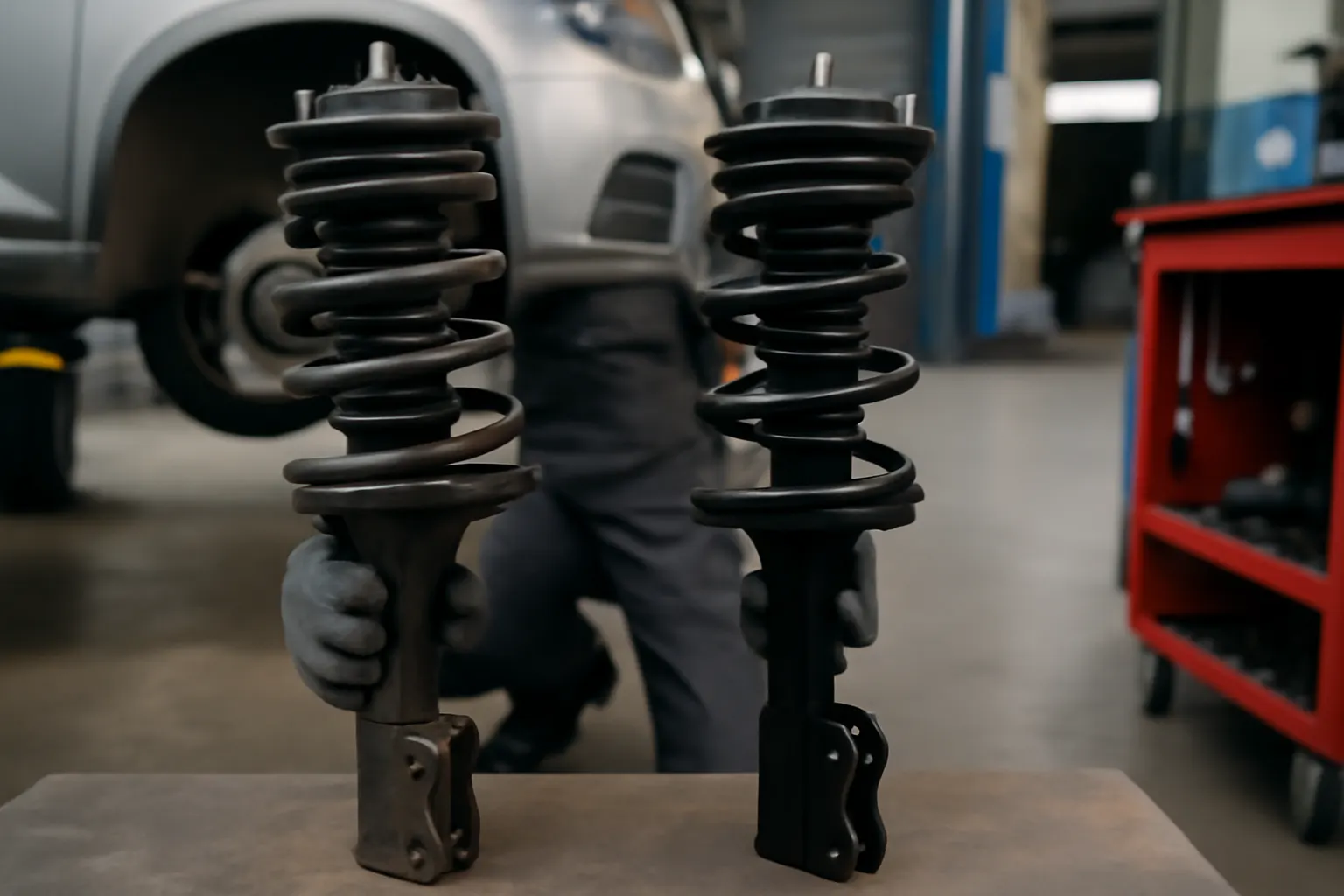
OEM vs Aftermarket Knee Assemblies: What Matters Most?
When it’s time to replace your vehicle’s knee assembly—commonly known as the strut assembly—one question dominates: should you choose an Original Equipment Manufacturer (OEM) part, or is a quality aftermarket assembly up to the task? The answer impacts your vehicle's safety, handling, ride quality, and long-term maintenance costs. In this comprehensive guide, we’ll break down the real-world differences between OEM and aftermarket knee assemblies, revealing what truly matters for your car, your driving experience, and your peace of mind.
Read More
Suspension Alignment After Knee Assembly Replacement
Replacing your vehicle’s knee assembly (also known as a strut assembly) is a major suspension repair—one that immediately alters your wheel alignment and the overall geometry of your suspension system. Proper suspension alignment after knee assembly replacement is not just recommended; it is absolutely essential for safety, tire longevity, and optimal vehicle performance.
View Guide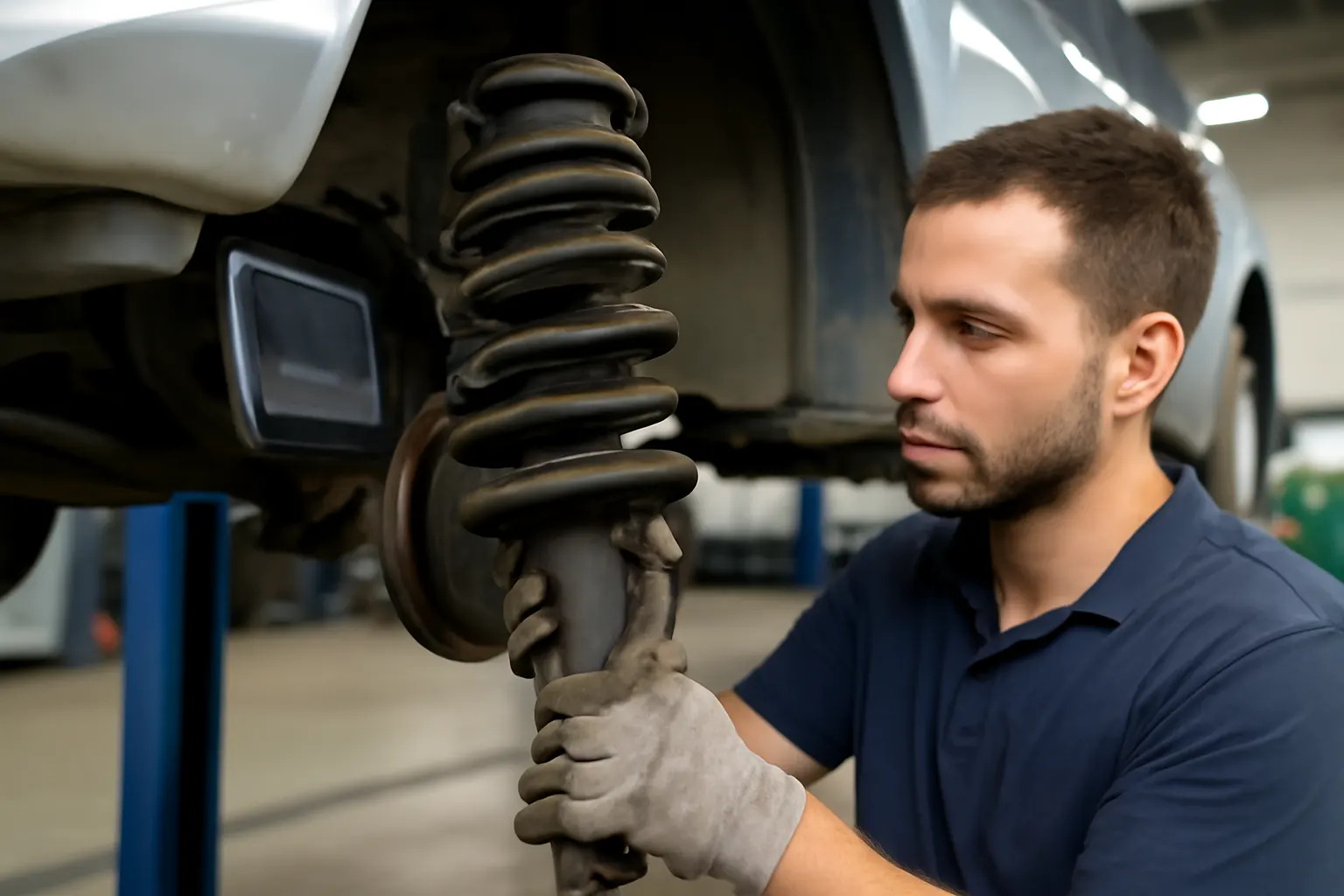
When to Replace Your Strut Assembly: Warning Signs and Intervals
To prevent costly repairs and preserve safety, it’s essential to recognize the early warning signs of strut assembly wear. Below is a detailed checklist of symptoms that indicate your strut assembly may require inspection or replacement: Strut Assembly Wear Checklist: Excessive Bouncing: The vehicle continues to oscillate after hitting a bump. Clunking or Knocking Noises: Audible sounds from the suspension, especially over rough roads or speed bumps. Leaking Hydraulic Fluid: Visible oil on the exterior of the strut body.
Read More