Advertisement
Is your vehicle suddenly misfiring, struggling to start, or experiencing rough idling? These symptoms are more than just minor annoyances—they’re often the first warning signs that your ignitor or ignition coil is on its way out. Ignitor/coil systems are vital for engine performance, fuel efficiency, and overall vehicle reliability. Recognizing the top signs your ignitor/coil needs replacement—and acting quickly—can save you from costly engine repairs and prevent dangerous roadside breakdowns. In this comprehensive guide, AutoPartEx experts break down the key symptoms, explain why they matter, and show you the most effective steps for diagnosis and replacement.
For a deeper dive into the role ignitor/coil systems play in modern vehicles, visit our Ignitor/Coil Systems: The Heart of Reliable Spark and Engine Performance category page.
The Immediate Answer: Top Warning Signs of Failing Ignitor/Coil
When an ignitor or ignition coil begins to fail, your vehicle will usually send clear signals. Here are the most common and urgent signs that indicate your ignitor/coil needs replacement:
- Engine Misfires: Sudden loss of power, sputtering, or hesitation, especially during acceleration.
- Difficulty Starting: The engine cranks but takes longer to start, or fails to start altogether.
- Rough Idling: Noticeable vibration or uneven engine operation when stopped.
- Poor Fuel Economy: Increase in fuel consumption without a change in driving habits.
- Check Engine Light: Illumination of the dashboard warning, often with error codes related to ignition or misfire.
- Loss of Power: Reduced engine performance, particularly under load or at higher speeds.
- Backfiring or Popping Sounds: Unburned fuel igniting in the exhaust due to incomplete combustion.
- Visible Damage: Cracks, corrosion, or burns on the coil pack or ignitor module.
If you notice any of these symptoms, prompt diagnosis and replacement are critical to prevent further engine damage and maintain vehicle safety.
The Hidden Problem: Ignitor/Coil Failure Is More Than a Minor Inconvenience
While a failing ignitor or coil might initially seem like a minor issue, the risks of ignoring these warning signs are substantial. Ignitor/coil systems are responsible for delivering the high-voltage spark necessary for efficient fuel combustion. When these components deteriorate, it’s not just performance that suffers—your engine’s health and your safety are also at stake.
Why Immediate Action Matters:
- Engine Damage: Persistent misfires can lead to raw fuel entering the exhaust system, damaging the catalytic converter—a costly component to replace.
- Fuel Waste: Poor ignition leads to incomplete combustion, dramatically reducing fuel efficiency and increasing operating costs. According to the U.S. Department of Energy, ignition system health is directly linked to optimal fuel economy.
- Safety Risks: Sudden loss of power or stalling can create hazardous situations, especially at highway speeds or in intersections.
- Emission Failures: Faulty ignition systems lead to higher emissions, potentially causing your vehicle to fail regulatory inspections.
Understanding that a faulty ignitor/coil is a hidden threat to your vehicle’s longevity and your safety is the first step toward proactive maintenance.
Technical Deep Dive: How Ignitor/Coil Systems Work and Why They Fail
To appreciate the significance of these warning signs, it helps to understand the critical role ignitor/coil systems play in modern engines.
The Ignitor/Coil’s Role in Spark Generation
The ignition coil transforms the 12V battery voltage into the 20,000–40,000 volts required to ignite the air-fuel mixture in the combustion chamber. The ignitor (sometimes called the ignition control module) precisely times and controls this spark event.
- Coil-on-Plug Systems: Each cylinder has its own coil, improving reliability and spark accuracy.
- Distributor-Based Systems: A single coil distributes spark to each cylinder in sequence.
Modern engines rely on precise spark timing for maximum efficiency, power, and emissions control. Even slight deviations caused by a weak or failing coil/ignitor can have outsized negative effects.
Common Causes of Ignitor/Coil Failure
- Heat and Vibration: High under-hood temperatures and constant vibration cause insulation breakdown and internal shorts.
- Moisture Intrusion: Water or oil leaks can corrode contacts or cause shorts.
- Aging and Wear: Over time, electrical windings and insulation degrade, especially if spark plugs are overdue for replacement.
- Poor Electrical Connections: Loose or corroded terminals increase resistance and stress the coil.
Advertisement
Understanding how and why these failures occur enables more accurate diagnosis and prevention.
Symptom Breakdown: What Each Warning Sign Really Means
Each symptom of ignitor/coil failure points to specific technical issues within the ignition system. Here’s what to look for and why it matters:
1. Engine Misfires
A misfire occurs when the air-fuel mixture in one or more cylinders fails to ignite. This leads to rough running, loss of power, and increased emissions. Persistent misfires can overheat and damage the catalytic converter.
2. Hard Starting or No-Start Condition
If the coil cannot provide a strong enough spark, the engine may crank but not start. This is especially common in cold weather, when battery voltage is lower and spark demand is higher.
3. Rough Idling
Unstable or lumpy idling often points to inconsistent spark delivery, usually from a coil or ignitor that’s breaking down under load.
4. Poor Fuel Economy
Incomplete combustion means unburned fuel passes through the engine, reducing efficiency. According to the Department of Energy, a well-maintained ignition system is essential for optimal fuel use.
5. Check Engine Light
Modern vehicles monitor ignition system health and will trigger codes such as P0300 (random misfire), P0351–P0358 (coil circuit faults), or P1300-series codes for ignitor issues.
6. Loss of Power
If the coil cannot keep up with engine demand—especially during acceleration or at high RPM—the engine will feel sluggish or unresponsive.
7. Backfiring
Unburned fuel reaching the exhaust can ignite, causing loud pops or bangs. This is a classic sign of severe ignition failure.
8. Visible Physical Damage
Cracks, melted plastic, or corrosion on the coil or ignitor are clear indicators that replacement is necessary.
Diagnostic Checklist: How to Confirm Ignitor/Coil Failure
Before replacing your ignitor/coil, use this step-by-step diagnostic checklist to confirm the problem:
| Step | Action | What to Look For |
|---|---|---|
| 1 | Scan for Codes | Use an OBD-II scanner to check for ignition/misfire codes. |
| 2 | Visual Inspection | Look for cracks, burns, or corrosion on the coil and wiring. |
| 3 | Spark Test | Use a spark tester to check for strong, blue spark at each cylinder. |
| 4 | Swap Test | On coil-on-plug systems, swap coils between cylinders and see if the misfire follows. |
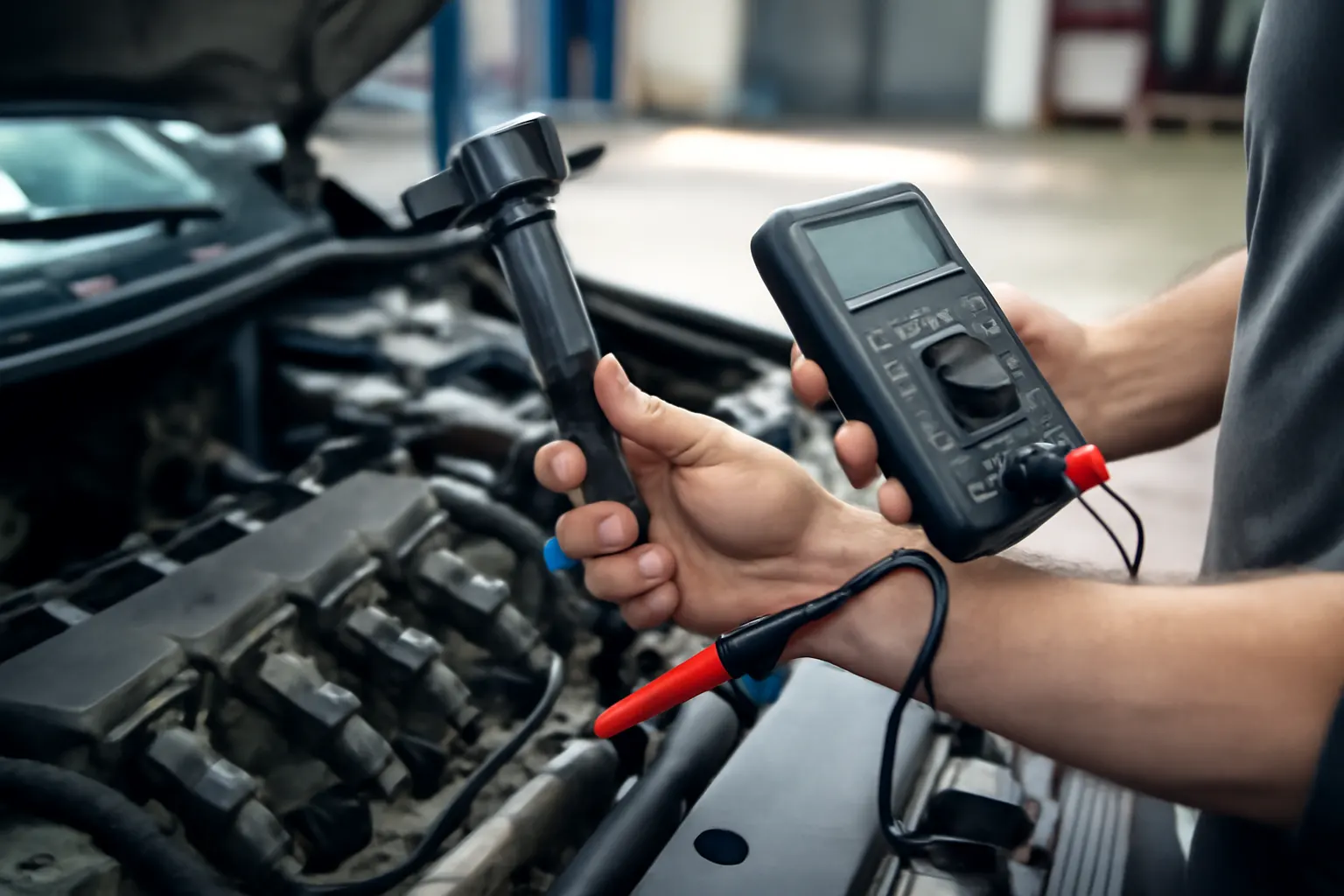
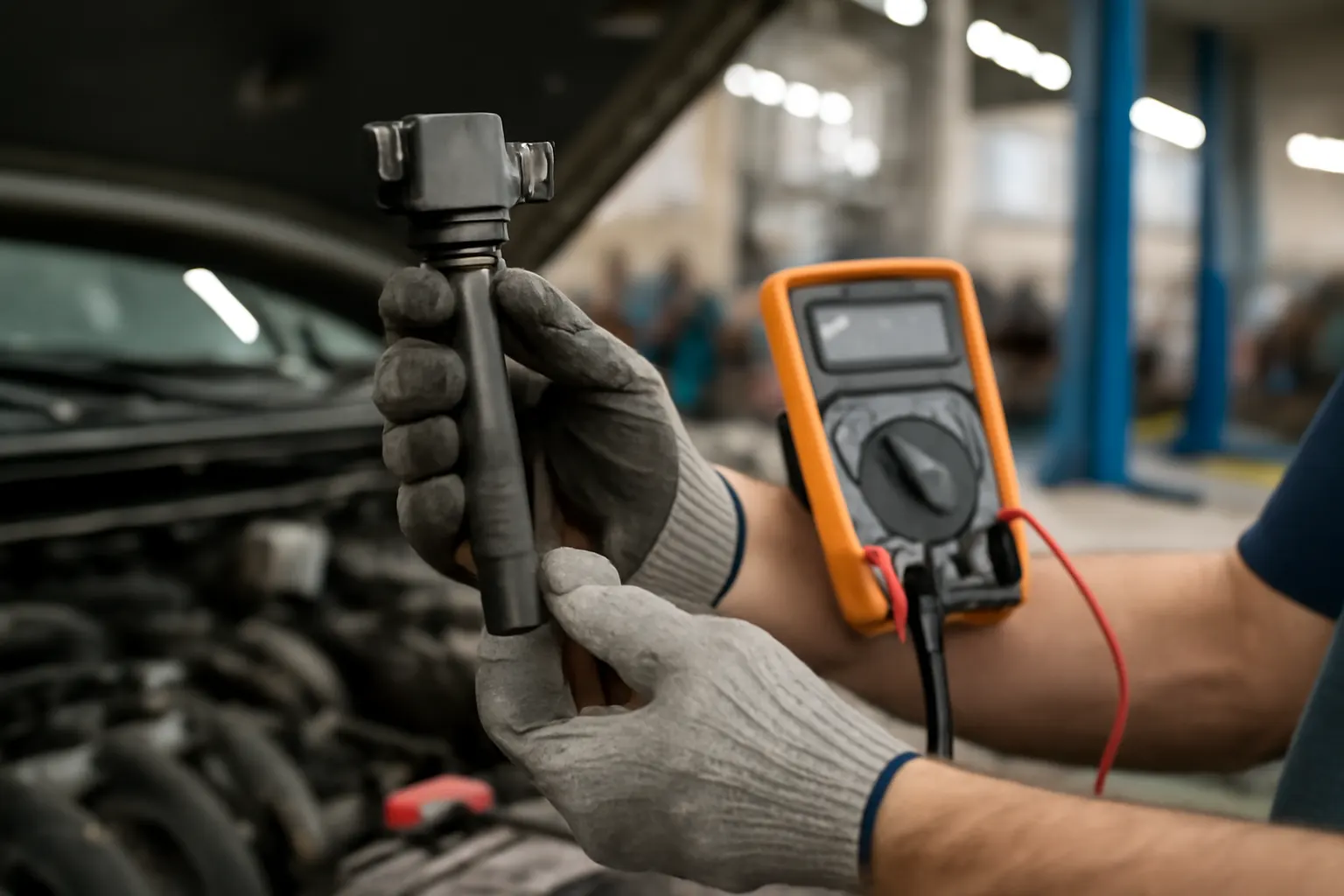
| 5 | Resistance Test | Measure primary/secondary coil resistance with a multimeter (compare to spec). |
| 6 | Connector Check | Inspect ignitor/coil connectors for looseness, corrosion, or broken wires. |
| 7 | Plug Condition | Remove spark plugs and check for fouling or uneven wear. |
| 8 | Moisture Check | Look for signs of water or oil intrusion around the coil/ignitor. |
If two or more steps point to the coil or ignitor, replacement is strongly recommended.
The Cost of Delay: What Happens If You Ignore the Signs?
Delaying ignitor/coil replacement can escalate a simple fix into a major repair. Let’s break down the risks:
- Catalytic Converter Damage: Unburned fuel from misfires overheats and destroys the converter, often costing $1,000+ to replace.
- Engine Damage: Persistent misfires can cause detonation, piston damage, or cylinder washdown.
- Stranded Vehicle: Complete coil/ignitor failure can leave you unable to start the engine, risking safety and requiring a tow.
- Failed Emissions/Inspection: You may not pass state-required emissions testing, leading to fines or registration issues.
- Increased Fuel Costs: Even a minor ignition issue can drop fuel economy by 10–20%, costing hundreds per year.
Proactive replacement is always less expensive than dealing with the aftermath of a catastrophic failure.
The Solution Path: How to Replace Your Ignitor/Coil Safely
When diagnosis confirms a failing ignitor or coil, follow these best practices to ensure a safe and effective replacement:
Step 1: Gather the Right Parts
- OEM vs. Aftermarket: Consult our guide on OEM vs Aftermarket Ignition Coils: What You Need to Know to determine the best fit for your vehicle.
- Vehicle-Specific Fitment: Always match the part number and connector type to your vehicle’s make, model, and year.
Advertisement
Step 2: Prepare for Replacement
- Disconnect the battery to prevent accidental shorts.
- Allow the engine to cool completely before handling ignition components.
- Gather necessary tools: socket set, screwdrivers, dielectric grease, and a torque wrench.
Step 3: Remove the Old Ignitor/Coil
- Carefully disconnect the electrical connector.
- Remove mounting bolts or screws, noting their locations.
- Gently wiggle the coil/ignitor free—do not force or pry aggressively.
Step 4: Install the New Component
- Apply a thin layer of dielectric grease to the connector (if recommended).
- Position the new coil/ignitor and secure with the original hardware, torquing to manufacturer specs.
- Reconnect the electrical connector firmly.
Step 5: Final Checks
- Reconnect the battery.
- Start the engine and verify smooth operation—no misfires, rough idle, or warning lights.
- Clear any stored diagnostic codes with your OBD-II scanner.
Preventive Maintenance: Extend the Life of Your Ignitor/Coil
Preventing premature ignitor/coil failure is possible with smart maintenance:
- Change Spark Plugs on Schedule: Old plugs increase coil workload and heat.
- Inspect and Replace Wires: On distributor systems, worn wires can overload coils.
- Seal Against Moisture: Ensure coil boots and connectors are tight and free of oil or water leaks.
- Use Quality Parts: Cheap, off-brand coils often fail early. Stick to reputable brands or OEM parts.
- Regular Visual Inspections: Check coils, ignitors, and wiring at every oil change.
Routine attention can double the lifespan of your ignition system and prevent unexpected breakdowns.
Choosing the Right Ignitor/Coil: Fitment and Quality Matters
Selecting the correct replacement part is crucial for reliable performance:
- Check Compatibility: Use your VIN or consult your owner’s manual for exact match.
- Review Manufacturer Standards: Ensure the part meets or exceeds SAE Standards for ignition components.
- Consider Upgrades: Some performance coils offer higher voltage or improved durability—ideal for high-performance or older engines.
- Avoid Counterfeits: Buy from trusted sources to avoid substandard or fake parts.
For a curated selection by make and model, browse our Ignitor/Coil Systems category.
Advanced Diagnostics: When to Seek Professional Help
While many ignition coil or ignitor replacements are DIY-friendly, some scenarios require expert attention:
- Persistent Misfires After Replacement: May indicate deeper issues such as ECU faults, wiring harness damage, or fuel system problems.
- Complex Engine Layouts: V6, V8, or turbocharged engines often have hard-to-reach coils best handled by professionals.
- Intermittent Electrical Issues: Diagnosing intermittent failures often requires advanced diagnostic tools and experience.
If you’re unsure, consult a qualified technician or visit a reputable service center.
Real-World Examples: Case Studies in Ignitor/Coil Failure
Case 1: Sudden Highway Power Loss
A 2015 sedan experienced a sudden loss of power and flashing check engine light while merging onto the highway. A scan revealed a P0302 misfire code. Swapping the ignition coil between cylinders moved the misfire, confirming coil failure. Immediate replacement restored full power and avoided catalytic converter damage.
Case 2: Hard Starting in Cold Weather
An SUV owner reported hard starting and rough idle every morning. Visual inspection revealed a cracked coil housing with visible moisture intrusion. Replacing the coil and sealing the area with dielectric grease resolved the issue and improved cold-weather reliability.
Case 3: Repeated Coil Failures
A high-mileage pickup experienced multiple coil failures over two years. Investigation found worn spark plugs and oil leaking into the plug wells, overloading the coils. Replacing plugs, fixing the valve cover gasket, and installing new coils solved the recurring problem.
Related Reading: Stay Ahead of Ignition Issues
Keep your ignition system in top shape with these essential resources:
- Diagnosing Ignition System Failures: Step-by-step troubleshooting for ignition-related problems.
- How Coil-On-Plug Technology Changed Modern Engines: Explore the evolution of ignition technology and its impact on performance.
- OEM vs Aftermarket Ignition Coils: What You Need to Know: Make informed choices for your next replacement.
AutoPartEx: Your Trusted Partner for Ignitor/Coil Solutions
At AutoPartEx, we understand how critical your ignition system is to overall vehicle health, safety, and efficiency. Our expert-curated inventory of ignitor/coils ensures you get the exact fit, highest quality, and latest technology—whether you're driving an Acura, AMC, Alfa, or any other make. Our guides and technical resources empower you to diagnose, replace, and maintain your ignition system with confidence.
For the best in fitment, performance, and reliability, trust AutoPartEx—where every part counts.
References
Advertisement