Advertisement
Modern engines owe much of their efficiency, reliability, and performance to advances in ignition systems—none more transformative than coil-on-plug (COP) technology. By eliminating traditional ignition wires and placing a dedicated ignition coil directly above each spark plug, COP setups have become the industry standard for gasoline-powered vehicles worldwide. This innovation not only enhances combustion precision but also delivers measurable gains in fuel economy, emissions, and long-term durability. If you’re interested in maximizing your engine’s performance or troubleshooting ignition issues, understanding coil-on-plug technology is essential.
For a broader look at how ignition systems impact your vehicle’s reliability and spark quality, visit our Ignitor/Coil Systems: The Heart of Reliable Spark and Engine Performance category page.
The Immediate Answer: Why Coil-On-Plug Technology Matters
Coil-on-plug (COP) technology revolutionized ignition systems by assigning a dedicated ignition coil to each spark plug. This direct approach improves spark timing accuracy, maximizes combustion efficiency, and virtually eliminates the high-voltage losses and misfires common with older distributor-based or coil pack systems. COP technology is now standard in most modern gasoline engines, supporting better fuel economy, lower emissions, and more consistent engine performance.
Key Benefits of Coil-On-Plug:
- Improved Spark Precision: Each plug receives a tailored spark, reducing misfire risk.
- Enhanced Fuel Efficiency: Better combustion leads to more power per drop of fuel.
- Lower Emissions: Cleaner, more complete burns reduce harmful exhaust gases.
- Increased Reliability: Fewer moving parts and less wiring mean fewer failure points.
The Hidden Problem: Why Did Ignition Systems Need to Evolve?
Traditional ignition systems relied on a single coil and distributor, connected to spark plugs via long, high-voltage wires. While functional, these setups introduced several hidden problems:
-
Voltage Loss: Long wires and distributor contacts resulted in energy losses before reaching the spark plug.
-
Timing Drift: Mechanical distributors suffered from wear, leading to inconsistent spark timing.
-
Misfires: Poor insulation, moisture, or wire degradation increased the risk of misfires, reducing efficiency.
-
Maintenance Overhead: Frequent replacement of wires, caps, and rotors was required to maintain performance.
As engines became more sophisticated, these limitations became bottlenecks for further advances in efficiency, emissions, and reliability.
The Technical Evolution: From Distributor to Coil-On-Plug
Early Ignition Systems: The Distributor Era
The earliest automotive ignition systems used a single coil and mechanical distributor to route high-voltage sparks to each cylinder. While revolutionary at the time, this approach introduced several technical challenges:
-
Mechanical Wear: Distributor caps, rotors, and points wore out, requiring regular adjustment or replacement.
-
Voltage Drop: High-voltage wires could lose energy, especially as insulation aged.
-
Crossfire and Interference: Electrical interference between wires sometimes caused unintended firing.
The Rise of Distributorless Ignition
By the 1980s and 1990s, distributorless ignition systems (DIS) began to replace traditional distributors. These systems used coil packs—groups of ignition coils—firing pairs of cylinders simultaneously. While this improved reliability and reduced moving parts, it still relied on high-voltage wires and shared coils.
The Leap to Coil-On-Plug
Coil-on-plug technology took the next logical step: placing a dedicated coil directly atop each spark plug. This eliminated the need for high-voltage wires, minimized energy loss, and enabled precise electronic control of spark timing for each cylinder. The result was a significant leap in ignition system efficiency and reliability.
How Coil-On-Plug Improves Engine Efficiency
COP technology directly influences fuel efficiency and emissions, two of the most critical metrics in modern vehicle design.
Direct Spark, Direct Benefits
With a coil dedicated to each cylinder, the electrical energy delivered to each spark plug is maximized. This allows:
-
Stronger, More Consistent Sparks: Ensures reliable ignition, especially under high-load or high-RPM conditions.
-
Precise Timing Control: Modern engine control units (ECUs) can fine-tune ignition timing for each cylinder, optimizing combustion.
Real-World Impact on Fuel Economy
According to the United States Department of Energy, ignition system improvements—including the move to COP—play a direct role in boosting fuel economy and reducing emissions. More complete combustion means each drop of fuel is used more efficiently, translating to real-world savings at the pump.
Advertisement
Cleaner Emissions
Better ignition control also means cleaner exhaust. By ensuring every cylinder fires at the optimal moment, COP systems help engines meet increasingly strict emissions standards.
Reliability and Maintenance: Fewer Failures, Lower Costs
Reducing Points of Failure
Traditional ignition systems contained multiple components prone to failure—distributor caps, rotors, wires, and a single coil. Each was a potential source of misfire or no-start conditions. COP systems, by comparison, have only two primary components per cylinder: the coil and the spark plug.
Maintenance Simplified
With fewer moving parts and no high-voltage wires, maintenance is streamlined:
-
No More Plug Wires: Eliminates one of the most common sources of ignition failure.
-
Longer Service Intervals: Modern COP coils and plugs often last 60,000 to 100,000 miles before replacement.
-
Easier Diagnostics: On-board diagnostics (OBD-II) systems can pinpoint failing coils or plugs quickly.
Reliability in Harsh Conditions
COP systems are less affected by moisture, vibration, and heat—common culprits in traditional ignition failures. This means more reliable starts and smoother operation in all weather conditions.
Diagnosing Coil-On-Plug Issues: A Practical Checklist
Even the most advanced systems can fail. Here’s a practical checklist for diagnosing COP-related problems:
Coil-On-Plug Diagnostic Checklist
- Check Engine Light (CEL) On: Use an OBD-II scanner to retrieve fault codes. Misfire codes (P0300–P0308) often indicate coil or plug issues.
- Engine Misfire or Rough Idle: Listen and feel for rough running, especially under acceleration or load.
- Hard Starting or No Start: A failed coil can prevent one or more cylinders from firing.
- Decreased Fuel Economy: Unburned fuel from misfires can reduce efficiency.
- Visible Coil Damage: Inspect each coil for cracks, corrosion, or melting.
- Spark Plug Condition: Remove and inspect spark plugs for fouling, wear, or deposits.
- Swap Test: Swap suspect coils with known-good ones. If the misfire moves, the coil is faulty.
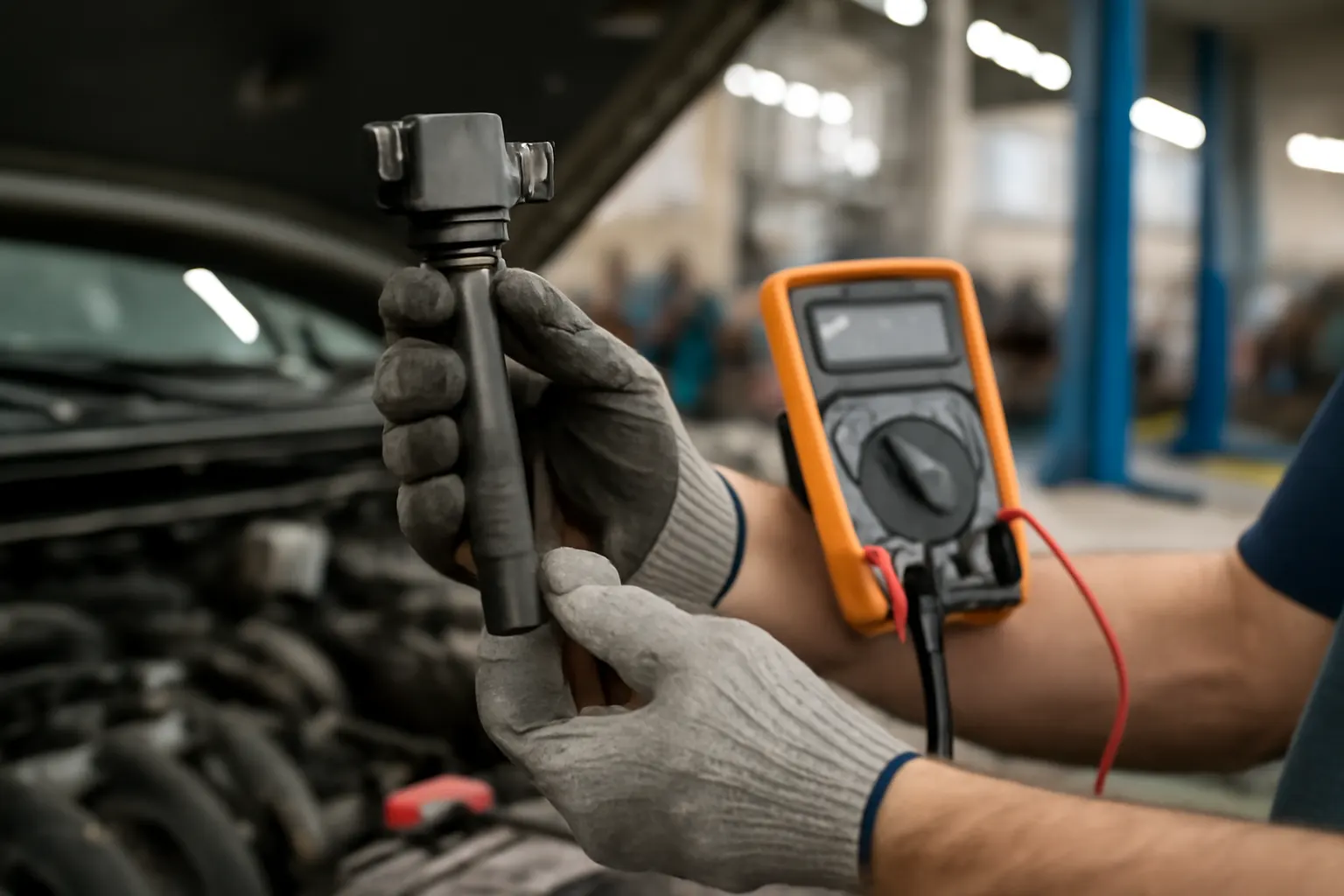
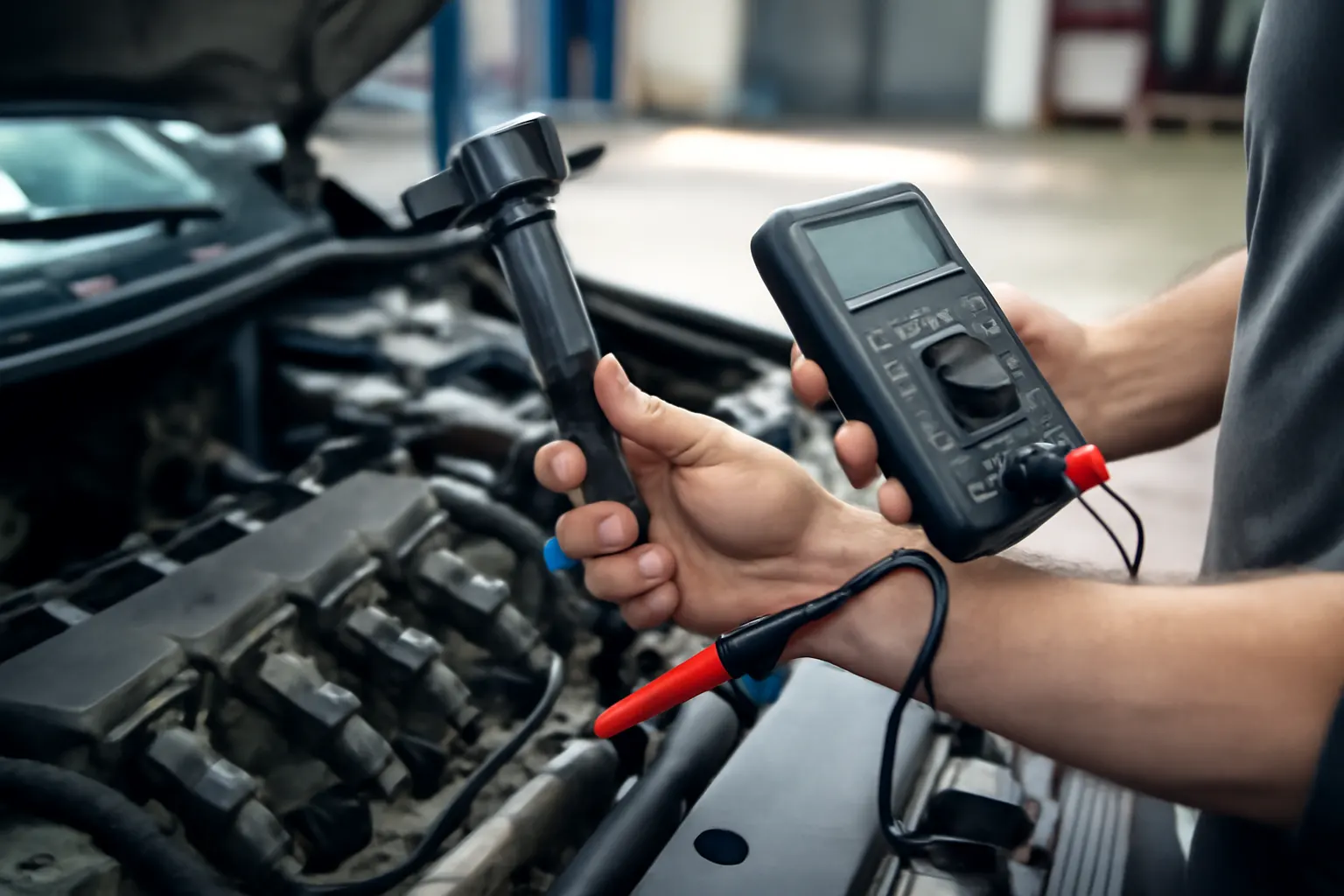
- Test with Multimeter: Measure coil resistance per manufacturer specs.
- Check for Oil or Water Intrusion: Moisture or oil in the plug well can short out coils.
Regular inspection and prompt replacement of failing coils or plugs can prevent further engine damage and restore peak performance. For a deeper dive into ignition diagnostics, see our guide on Diagnosing Ignition System Failures.
Installation Best Practices: Getting the Most from Your COP System
Preparation Before Replacement
- Gather the Right Tools: Ratchet, extension, spark plug socket, dielectric grease, and a torque wrench.
- Obtain OEM-Quality Parts: Use high-quality coils and spark plugs designed for your vehicle’s make and model.
- Work on a Cool Engine: Prevent burns and avoid stripping threads.
Step-by-Step Installation
- Disconnect the Battery: Prevent accidental shorts.
- Remove Engine Covers: Access the ignition coils and spark plugs.
- Disconnect Coil Connectors: Carefully unclip the electrical connectors.
- Remove Coils: Unscrew and gently pull coils from the spark plug wells.
- Inspect and Replace Spark Plugs: Check for wear and replace as needed.
- Install New Coils: Apply dielectric grease to the inside of the coil boot, then seat the coil over the plug.
- Reconnect Connectors and Covers: Reassemble and reconnect the battery.
- Start Engine and Check for Codes: Ensure smooth operation and clear any stored fault codes.
Post-Installation Tips
- Test Drive: Confirm smooth acceleration and idle.
- Monitor for Recurring Faults: If issues persist, recheck installation and inspect wiring harnesses.
Performance Upgrades: When to Consider Aftermarket Coils
COP systems can be upgraded for performance applications, especially in turbocharged or high-RPM engines. Aftermarket coils often offer:
-
Higher Voltage Output: For more complete combustion under higher cylinder pressures.
-
Improved Materials: Better insulation and heat resistance.
-
Custom Fitments: For modified or swapped engines.
However, not all aftermarket coils are created equal. For guidance on choosing between OEM and aftermarket options, see OEM vs Aftermarket Ignition Coils: What You Need to Know.
Common Failure Modes and Longevity of COP Systems
What Causes Coil-On-Plug Failures?
- Heat Degradation: Coils are exposed to high engine temperatures, leading to insulation breakdown over time.
- Moisture Intrusion: Water or oil in the spark plug well can short out the coil.
- Vibration: Engine movement can weaken electrical connections.
- Spark Plug Gap: Excessive gap increases coil workload, shortening lifespan.
Advertisement
Signs of Imminent Failure
- Intermittent Misfires: Especially when hot or under load.
- Loss of Power: Noticeable drop in acceleration.
- Illuminated CEL: Persistent misfire codes.
Extending COP System Life
- Regular Inspection: Check coils and plugs every 30,000 miles.
- Prompt Replacement: Address misfires immediately to prevent catalytic converter damage.
- Keep Plug Wells Clean: Prevent oil and water intrusion.
Comparing COP to Other Ignition Systems
Traditional Distributor Systems
- Pros: Simpler, cheaper to repair.
- Cons: Frequent maintenance, less precise timing, higher energy losses.
Distributorless Ignition (Coil Packs)
- Pros: Fewer moving parts, improved reliability over distributor systems.
- Cons: Still uses high-voltage wires, shared coils can still cause multi-cylinder misfires.
Coil-On-Plug
- Pros: Maximum spark precision, minimal energy loss, best for modern emissions and efficiency standards.
- Cons: Higher upfront cost, more complex diagnostics if issues arise.
Materials, Design, and Engineering Advances
COP systems have benefited from advances in materials and manufacturing. According to the Department of Energy’s Materials Technologies, lighter and more heat-resistant materials have allowed coils to last longer and perform reliably under extreme conditions. Modern coil housings use advanced polymers, while internal windings and connectors are engineered for optimal conductivity and durability.
Engineering for Modern Engines
- Compact Design: Enables use in tight engine bays.
- Integrated Electronics: Some COP units include built-in ignition control modules for even finer timing control.
- Thermal Management: Improved venting and heat sinks extend component life.
Safety and Compliance: Meeting Modern Standards
COP systems play a vital role in ensuring vehicles meet safety and emissions standards. The National Highway Traffic Safety Administration (NHTSA) recognizes ignition system reliability as critical to vehicle safety and performance.
Regulatory Benefits
- Consistent Emissions Compliance: Reliable ignition reduces the risk of failing emissions inspections.
- Diagnostic Readiness: COP-equipped vehicles provide more accurate data for OBD-II emissions and safety diagnostics.
- Recall Management: Fewer components mean fewer recall-prone parts, simplifying compliance for manufacturers.
Buying and Sourcing Coil-On-Plug Components
What to Look for When Buying COP Coils
- OEM Compatibility: Always match the coil to your vehicle’s make, model, and engine code.
- Quality Assurance: Look for parts tested to SAE standards or equivalent.
- Warranty Support: Reputable brands offer warranties against premature failure.
- Supplier Reputation: Buy from trusted sources with a proven track record.
Avoiding Counterfeit or Inferior Coils
- Check Packaging: OEM and reputable aftermarket coils have clear, tamper-proof packaging.
- Inspect Build Quality: Poorly finished connectors or housings are red flags.
- Verify Part Numbers: Cross-check with the manufacturer’s catalog.
When to Replace
- At Manufacturer-Recommended Intervals: Typically every 60,000 to 100,000 miles.
- At First Sign of Misfire: Don’t delay; a single failed coil can damage your catalytic converter or engine.
Maintenance Tips for Long-Term Reliability
- Regularly Inspect Spark Plug Wells: Keep them dry and free of debris.
- Use Dielectric Grease: Prevent moisture intrusion at the coil boot.
- Replace Spark Plugs with Coils: Worn plugs can overload coils, causing premature failure.
- Monitor Engine Performance: Address CELs and misfire symptoms promptly.
For more on when to replace your ignition coil, see Top Signs Your Ignitor/Coil Needs Replacement.
The AutoPartEx Advantage: Supporting Your Ignition System Needs
At AutoPartEx, we specialize in sourcing, diagnosing, and supplying high-quality ignition components for every application—from daily drivers to high-performance builds. Our extensive catalog covers OEM and premium aftermarket coil-on-plug units, spark plugs, and related hardware for all major makes and models, including Acura, AMC, and more.
Why Choose AutoPartEx?
- Expert Guidance: Our technical team can help you diagnose and solve ignition issues quickly.
- Vetted Suppliers: We only stock parts that meet or exceed industry standards.
- Comprehensive Support: From troubleshooting guides to fitment checks, we’re your ignition system partner.
Visit our Ignitor/Coil Systems: The Heart of Reliable Spark and Engine Performance page to explore our full range of products, technical resources, and expert advice.
Conclusion: The Lasting Impact of Coil-On-Plug Technology
Coil-on-plug technology has fundamentally reshaped the automotive ignition landscape. By delivering more precise, reliable, and efficient spark, COP systems support the performance, fuel economy, and emissions goals of modern engines. Whether you’re maintaining your daily driver or upgrading a performance vehicle, understanding and properly servicing your COP ignition system is essential for long-term reliability and optimal engine function.
Stay informed, use quality components, and trust AutoPartEx for all your ignition needs.
References
Advertisement