
Ignitor/Coil
Ignitor/Coil: What to Know Before Replacing This Key Ignition Part
Many drivers overlook the crucial role the ignitor/coil plays in engine performance until a misfire or hard start occurs. If you’re considering a replacement, it’s important to understand both the technical context and the practical steps involved. This guide covers what often goes unnoticed, the real issues behind ignition failures, and how to make a confident, evidence-based decision when choosing a new ignitor/coil.
Showing 1–8 of 285 products


More Ignitor/Coil options
Filtering for Ignitor/CoilBrowse nearby inventory for this category without leaving the page. Use search to filter by price, part number, or city.
No Data Available
Please check back soon when more inventory is available for this part.
Ignitor/Coil: What to Know Before Replacing This Key Ignition Part
A Hidden Factor in Engine Reliability: The Ignitor/Coil
When discussing engine reliability, most drivers focus on visible components like spark plugs or fuel injectors. However, the ignitor/coil—tucked away in the ignition system—often escapes attention until problems manifest. This part is responsible for transforming battery voltage into the high-voltage pulse that fires each spark plug. Without a properly functioning ignitor/coil, even a well-maintained engine can struggle to start or run smoothly. Overlooking this component can lead to misdiagnosis or unnecessary repairs elsewhere in the ignition system.
Many vehicle owners are surprised to learn that symptoms such as rough idling, hesitation, or intermittent stalling can be traced back to a failing ignitor/coil. These issues are sometimes mistaken for fuel delivery problems or sensor faults, leading to wasted time and money. Recognizing the ignitor/coil’s role is essential for accurate troubleshooting and long-term engine health. Yet, because it is not a routine maintenance item, its importance is frequently underestimated until a failure disrupts daily driving.
A closer look at the ignitor/coil reveals its critical position in both traditional distributor-based and modern coil-on-plug ignition systems. As engine technology has evolved, so too have the demands placed on this component. Understanding the subtle warning signs—and the technical context—can help you avoid being caught off guard by an unexpected ignition failure. Before you consider a replacement, it’s worth examining why this part deserves more attention in your maintenance strategy.

Recognizing Ignition Issues: How Ignitor/Coil Failures Present
Ignitor/coil problems can masquerade as a host of other engine issues, making them particularly challenging to diagnose. Common symptoms include misfires, difficulty starting, reduced fuel efficiency, and even sudden engine shutdowns. Because these symptoms overlap with other potential faults, such as bad spark plugs or failing fuel injectors, pinpointing the ignitor/coil as the culprit requires a systematic approach. Ignoring early warning signs can lead to more severe engine damage or leave you stranded unexpectedly.
Modern vehicles often use coil-on-plug systems, which integrate the coil directly onto each spark plug. This design improves ignition efficiency but also means that a single failed coil can affect only one cylinder, making the symptoms less obvious than in older distributor-based systems. In both cases, the ignitor/coil’s failure can trigger a check engine light, but the underlying cause may not be immediately clear without further investigation. This complexity underscores the importance of understanding how your vehicle’s ignition system is configured.
The technical context for ignitor/coil failures is shaped by both electrical and mechanical factors. High operating temperatures, vibration, and voltage spikes can degrade the coil’s insulation or internal wiring over time. Additionally, poor connections or moisture intrusion can accelerate wear. These stressors are not always visible during a routine inspection, leading some owners to overlook the ignitor/coil when troubleshooting engine problems. Recognizing these risk factors is the first step toward an accurate diagnosis.
Another layer of complexity arises from the variety of ignitor/coil designs across different makes and models. Some vehicles use a single coil to power all cylinders, while others employ individual coils for each spark plug. This diversity affects not only the likelihood of failure but also the diagnostic process. For instance, a misfire in a coil-on-plug system may be isolated to one cylinder, whereas a single-coil system could cause a complete engine shutdown. Understanding your vehicle’s specific configuration is crucial when assessing potential ignitor/coil problems.
Owners sometimes rely on generic diagnostic codes or online forums to identify ignition issues, but these sources may not account for the nuances of your particular vehicle. While a misfire code can point to a problem in the ignition system, it doesn’t confirm that the ignitor/coil is at fault. A more thorough approach involves inspecting the coil for visible damage, testing resistance values, and considering the vehicle’s maintenance history. Without this level of detail, there’s a risk of replacing the wrong part or missing an underlying issue.
In summary, the ignitor/coil’s role in engine performance is both critical and complex. Its failure can mimic other problems, and its design varies widely between vehicles. By understanding the specific symptoms and technical context, you can avoid common pitfalls in diagnosis and ensure that any replacement addresses the real issue. This foundation is essential before moving on to practical selection and service steps.
Selecting and Replacing an Ignitor/Coil: Practical Steps
When faced with ignition issues, a systematic diagnostic process is key to determining whether the ignitor/coil is truly at fault. Begin by consulting your vehicle’s owner manual for the ignition system layout and any manufacturer-specific troubleshooting tips. If a check engine light is present, use an OBD-II scanner to retrieve diagnostic codes. While codes related to misfires or ignition circuits can suggest a coil problem, further testing is necessary to confirm the diagnosis. This might include checking coil resistance with a multimeter or swapping coils between cylinders to see if the problem follows the part.
If you determine the ignitor/coil is the likely culprit, the next step is selecting a suitable replacement. Options include new, remanufactured, or salvage parts. The Federal Trade Commission (FTC) advises consumers to understand the differences: new parts are unused and typically offer the longest service life, remanufactured or rebuilt parts have been restored to working condition, and salvage parts are taken from another vehicle without alteration. Each choice has implications for cost, reliability, and warranty coverage. Always ask for a written estimate and clarify the type of part being installed FTC: Auto Repair Basics.
Compatibility is paramount when choosing an ignitor/coil. Not all coils are interchangeable, even within the same vehicle brand. Use your vehicle’s VIN to verify part compatibility, and consult reputable parts catalogs or dealership resources. If considering aftermarket options, compare specifications and reviews to ensure the part meets or exceeds OEM standards. For rare or older models, sourcing the correct part may require additional research or consultation with a specialist. Avoid assuming that a part labeled for your make and model will automatically fit—always confirm with the supplier before purchase.
Installation of a new ignitor/coil varies depending on your vehicle’s design. In some cases, the coil is easily accessible and can be replaced with basic hand tools. For coil-on-plug systems, each coil is mounted directly on top of a spark plug and secured with bolts or clips. Take care to disconnect the battery before beginning work to prevent electrical shock or damage. If you’re not comfortable performing the replacement yourself, seek a qualified technician with experience on your vehicle’s make and model. Always request a completed repair order detailing the work performed, parts used, and associated costs FTC: Auto Repair Basics.
After installation, it’s important to verify that the issue has been resolved. Clear any diagnostic codes and test drive the vehicle under various conditions to ensure smooth operation. If symptoms persist, further investigation may be needed to rule out related issues such as faulty spark plugs, wiring problems, or ECU faults. Documenting each step of the process—including diagnostic findings and repair actions—will help if additional troubleshooting is required or if warranty claims arise. Keeping thorough records also benefits future maintenance and resale value.
For those comparing OEM and aftermarket ignitor/coils, weigh the pros and cons of each. OEM parts are designed to match original specifications and often come with better support, while aftermarket options may offer cost savings or enhanced performance features. However, not all aftermarket parts are created equal; quality and fitment can vary significantly. Researching supplier reputation, customer reviews, and warranty terms can help you make an informed decision. When in doubt, consult with a trusted mechanic or parts specialist before committing to a purchase.
If you suspect a systemic issue—such as a manufacturer defect or widespread recall—check for open recalls using your VIN through the National Highway Traffic Safety Administration (NHTSA) database. While a recall does not guarantee your specific vehicle is affected, it provides valuable context for known problems and available remedies. If a recall applies, repairs are typically performed free of charge by authorized dealers. Stay informed by registering for recall alerts and periodically checking your vehicle’s status NHTSA: Vehicle Recalls.
Finally, preventive maintenance can extend the life of your ignition system. Keep electrical connections clean and dry, replace spark plugs at recommended intervals, and address any check engine lights promptly. While the ignitor/coil is not a routine replacement item, being proactive about related maintenance reduces the risk of unexpected failures. Regularly reviewing your owner manual and service records helps ensure that your vehicle’s ignition system remains reliable for years to come.
Evidence and Guidance: What the Experts and Regulators Say
The Federal Trade Commission (FTC) provides clear guidance for consumers navigating auto repairs, including ignition system components like the ignitor/coil. According to the FTC, it’s essential to obtain a written repair estimate that details the condition to be repaired, the required parts, and anticipated labor charges. For complex repairs, such as diagnosing ignition failures, seeking a second opinion is advised. The FTC also distinguishes between new, remanufactured, and salvage parts, emphasizing that consumers should understand what type of part is being installed and the implications for warranty and reliability. This advice is not specific to any vehicle make, model, or year but serves as a foundational approach for all auto repairs FTC: Auto Repair Basics.
The FTC further recommends that consumers request a completed repair order listing the work performed, parts used, costs, and odometer readings. This documentation is crucial for tracking maintenance history and supporting future warranty claims. The FTC does not provide technical specifications or failure rates for ignitor/coils, nor does it endorse specific brands or suppliers. Instead, the focus is on informed decision-making and transparency throughout the repair process. By following these guidelines, vehicle owners can reduce the risk of misunderstandings or disputes with repair shops and ensure that repairs are performed to a satisfactory standard FTC: Auto Repair Basics.
The National Highway Traffic Safety Administration (NHTSA) offers resources for identifying safety recalls related to ignition components, including ignitor/coils. By searching your vehicle’s VIN in the NHTSA database, you can determine if there are any open recalls requiring manufacturer action. This process does not guarantee that your vehicle is subject to a recall, but it provides a reliable method for checking known safety issues. NHTSA emphasizes that manufacturers are responsible for notifying owners and remedying defects at no cost when a recall is issued. This system is a key safeguard for consumers but does not substitute for routine maintenance or diagnostic diligence NHTSA: Vehicle Recalls.
NHTSA’s recall process involves several stages, beginning with consumer complaints and progressing through investigation, analysis, and recall management. If a defect is identified, manufacturers must notify registered owners and offer a remedy, which may include repair, replacement, or refund. Vehicle owners are encouraged to register for recall alerts and to check their recall status twice a year. However, not all defects result in recalls, and some issues may not be covered if they fall outside the recall scope or time frame. This underscores the importance of proactive maintenance and informed part selection NHTSA: Vehicle Recalls.
Neither the FTC nor NHTSA provides vehicle-specific technical data, such as resistance values, installation procedures, or common failure patterns for ignitor/coils. Instead, their guidance centers on consumer rights, transparency, and safety. For technical specifications or detailed diagnostic procedures, owners should consult manufacturer service manuals or seek advice from experienced technicians. This distinction is important: general consumer advice supports informed decision-making but does not replace the need for technical expertise or model-specific information when diagnosing or repairing ignition systems.
When comparing ignitor/coil options, the lack of standardized warranties or fitment guarantees means that buyers must rely on supplier documentation and direct verification. The FTC explicitly states that there is no standard warranty on repairs and advises consumers to understand the coverage and get it in writing. This applies equally to new, remanufactured, and salvage parts. Buyers should also be aware that catalog listings do not prove compatibility; always verify fitment using your VIN and consult with the supplier before purchase. This approach minimizes the risk of receiving an incorrect or incompatible part FTC: Auto Repair Basics.
In summary, the most reliable guidance for selecting and replacing an ignitor/coil comes from a combination of consumer protection agencies and technical resources. The FTC and NHTSA provide frameworks for transparency, safety, and informed purchasing, while technical manuals and experienced professionals offer the detailed procedures necessary for successful repairs. By integrating these sources, vehicle owners can confidently address ignition issues and choose the right ignitor/coil for their needs.
Take the Next Step Toward Reliable Ignition Performance
If you suspect your vehicle’s ignitor/coil may be failing, don’t wait for a complete breakdown. Start by reviewing your owner manual and gathering relevant diagnostic information. Use your VIN to verify part compatibility and check for any open recalls through the NHTSA database. Request written estimates and repair documentation, and compare new, remanufactured, and salvage part options before making a decision. For more detailed guidance, explore our Ignitor/Coil category or consult our guides on Diagnosing Ignition System Failures and OEM vs Aftermarket Ignition Coils: What You Need to Know. Taking these steps will help ensure a smooth and reliable repair.
References
- NHTSA: Vehicle Recalls
- FTC: Auto Repair Basics
References
- NHTSA: Vehicle Recalls - NHTSA, accessed 2026-11-01
- FTC: Auto Repair Basics - FTC, accessed 2026-11-01
Related Guides & Articles

Diagnosing Ignition System Failures
Ignition system failures are among the most common—and most frustrating—sources of poor engine performance, hard starts, and complete no-start conditions. This comprehensive AutoPartEx guide gives you immediate, actionable steps to identify and resolve ignition system issues, with a focus on diagnosing coil and ignitor faults. Whether you’re a professional technician or a hands-on vehicle owner, this resource takes you from quick checks to deep technical solutions, ensuring your vehicle’s spark system delivers reliable performance.
View Guide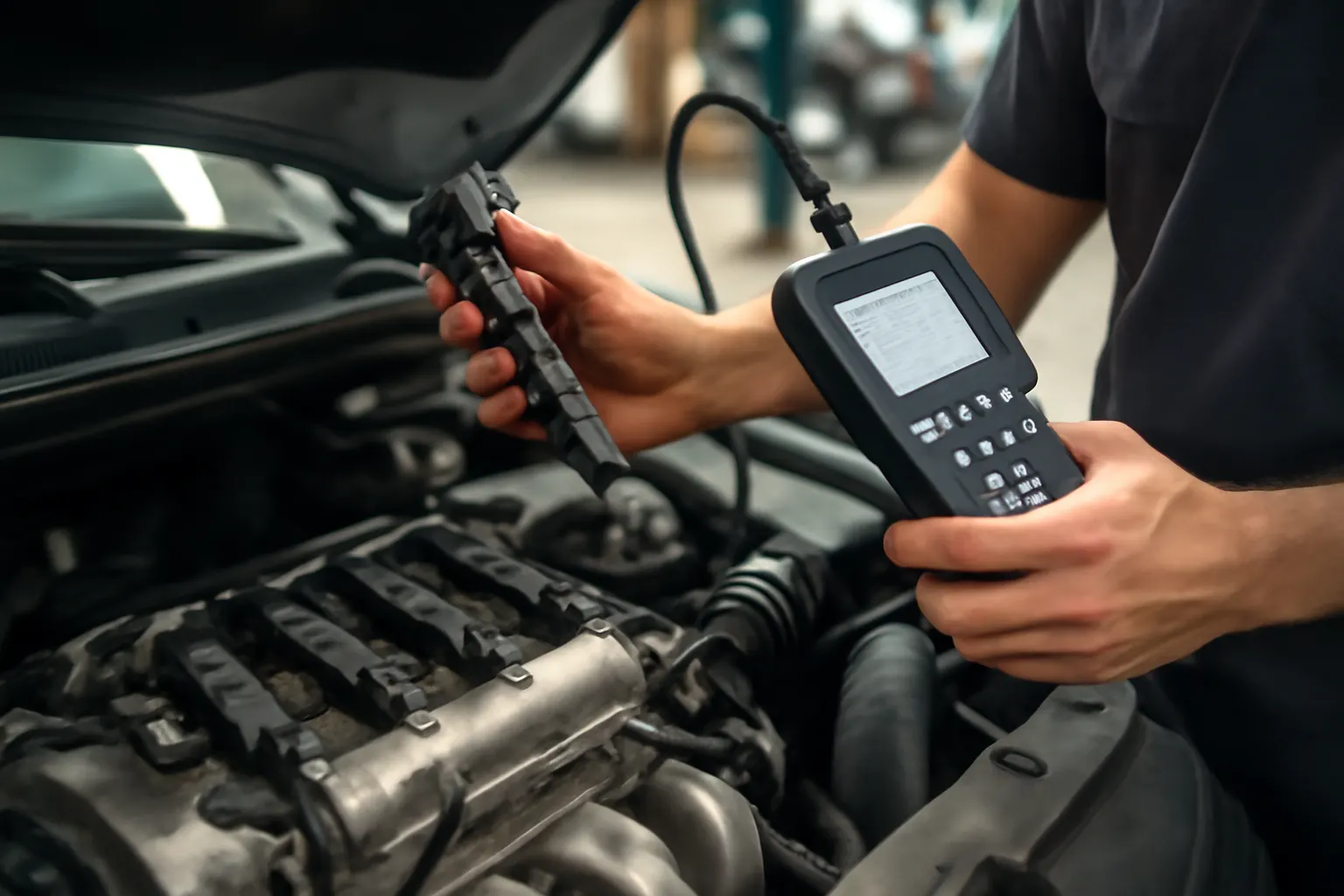
How Coil-On-Plug Technology Changed Modern Engines
Coil-on-plug (COP) ignition technology dramatically transformed modern engine performance, reliability, and efficiency. By integrating the ignition coil directly onto each spark plug, COP systems eliminate the need for high-voltage spark plug wires, reduce energy loss, and enable precise ignition timing. This innovation is now standard in nearly all new vehicles, contributing to better fuel economy, reduced emissions, and improved drivability.
Read More
OEM vs Aftermarket Ignition Coils: What You Need to Know
When your engine misfires, runs rough, or displays a check engine light, a failing ignition coil is often the culprit. Choosing between OEM and aftermarket ignition coils is a critical decision that impacts performance, reliability, and long-term vehicle health. This comprehensive AutoPartEx guide delivers a technical comparison, so you can make an informed choice about your ignition system.
View Guide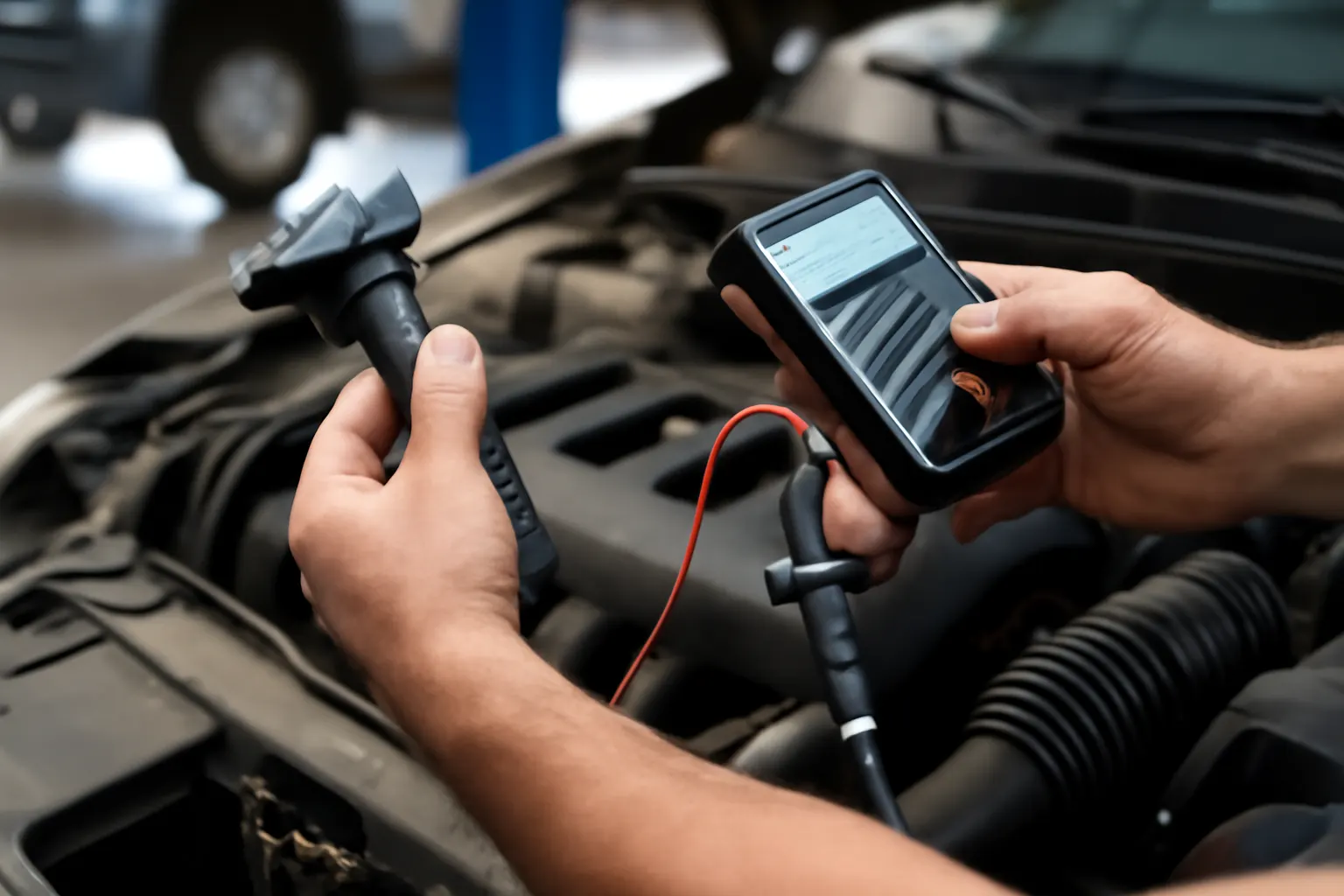
Top Signs Your Ignitor/Coil Needs Replacement
When your vehicle starts to misfire, hesitate, or lose fuel efficiency, a failing ignitor or ignition coil is often at the root of the problem. Recognizing the warning signs early can prevent costly engine damage and ensure your vehicle remains safe and reliable on the road. In this comprehensive guide, the AutoPartEx Technical Editorial Team explains how to identify the top symptoms of ignitor/coil failure, why these components are critical, and the best steps for diagnosis and replacement.
Read More