Advertisement
Coil-on-plug (COP) ignition technology dramatically transformed modern engine performance, reliability, and efficiency. By integrating the ignition coil directly onto each spark plug, COP systems eliminate the need for high-voltage spark plug wires, reduce energy loss, and enable precise ignition timing. This innovation is now standard in nearly all new vehicles, contributing to better fuel economy, reduced emissions, and improved drivability. If you’re looking to understand how this upgrade impacts your vehicle, or if you’re considering ignition system repairs or upgrades, this guide breaks down the essentials. For a deeper dive into related systems, visit our Ignitor/Coil Systems: The Heart of Reliable Spark and Engine Performance category.
The Immediate Answer: Why Coil-On-Plug Matters
The shift from traditional distributor-based and coil pack ignition systems to coil-on-plug technology addresses critical needs in modern engine design:
- Enhanced Spark Precision: Each cylinder gets its own coil, allowing for optimal spark timing and energy delivery.
- Improved Fuel Efficiency: COP systems contribute to more complete combustion, directly impacting fuel economy (DOE Fuel Efficiency).
- Reduced Maintenance: Fewer moving parts and no high-tension wires mean fewer failure points and longer service intervals.
- Lower Emissions: By ensuring more efficient combustion, COP systems help vehicles meet stricter emissions standards.
- Compact and Lightweight: Integrating the coil onto the plug frees up space and reduces weight, supporting modern materials and packaging strategies (DOE Materials Technologies).
The Hidden Problem: Limitations of Legacy Ignition Systems
Before COP, most vehicles used either a single ignition coil with a distributor or a coil pack with spark plug wires. These setups, while functional, introduced several challenges:
- Voltage Losses and Interference: High-tension wires could degrade, increasing resistance and reducing the voltage reaching each spark plug.
- Timing Inaccuracy: Mechanical distributors were prone to wear, leading to inconsistent spark timing, especially as engines aged.
- Maintenance Overload: Spark plug wires, distributor caps, and rotors required regular inspection and replacement.
- Limited Adaptability: Older systems couldn’t easily accommodate modern engine management strategies like variable ignition timing or cylinder deactivation.
These issues often manifested as misfires, rough idling, poor fuel economy, and increased emissions—problems that COP technology was engineered to solve.
A Deeper Look: How Coil-On-Plug Systems Work
At the heart of COP technology is the concept of assigning an individual ignition coil to each spark plug. Here’s how the system operates:
- Direct Mounting: Each coil is mounted directly on top of its corresponding spark plug, eliminating the need for long, high-voltage wires.
- Electronic Control: The engine control unit (ECU) sends a precise signal to each coil, dictating exactly when to fire.
- Optimized Spark Energy: With a dedicated coil, each spark plug receives maximum available voltage, ensuring reliable ignition even under demanding conditions.
- Feedback and Diagnostics: Modern COP systems often include built-in diagnostics, allowing the ECU to monitor coil function and trigger fault codes if issues arise.
This design is a leap forward in both mechanical simplicity and electronic sophistication, making it ideal for today’s high-efficiency, low-emission engines.
The Evolution of Ignition: From Distributor to COP
To appreciate the impact of COP, it’s helpful to trace the evolution of ignition systems:
- Mechanical Distributor Systems: Early engines relied on a single coil and a rotating distributor to send spark to each cylinder. Timing was set mechanically, and wear was a constant issue.
- Electronic Distributor Systems: Later designs replaced mechanical points with electronic triggers, improving reliability but still relying on a central coil and spark plug wires.
- Distributorless Ignition Systems (DIS): Coil packs replaced the distributor, with each pack serving two or more cylinders. This reduced moving parts but retained spark plug wires.
- Coil-On-Plug (COP) Systems: Each cylinder gets its own coil, controlled precisely by the ECU, with no high-tension wires or distributor.
Advertisement
COP represents the culmination of decades of refinement, aligning ignition technology with the demands of modern engine management.
The Technical Advantages of COP
1. Improved Fuel Efficiency
By delivering a stronger, more reliable spark, COP systems support more complete combustion. This leads to:
- Reduced Fuel Consumption: Engines can run leaner without misfiring, enhancing overall fuel economy (DOE Fuel Efficiency).
- Optimized Power Delivery: Precise spark timing allows for maximum power extraction from each combustion event.
2. Lower Emissions
COP technology helps engines burn fuel more completely, reducing the output of unburned hydrocarbons (HC), carbon monoxide (CO), and nitrogen oxides (NOx). This is essential for compliance with ever-tightening emissions regulations.
3. Enhanced Reliability and Durability
With fewer moving parts and no high-voltage wires to degrade, COP systems are less susceptible to wear and environmental damage. This results in:
- Longer Service Intervals: Coils and plugs last longer, reducing maintenance costs.
- Consistent Performance: Spark energy remains stable over time, minimizing misfires and rough running.
4. Compact Design and Weight Savings
Integrating the coil onto the plug allows for more efficient engine packaging and can contribute to overall vehicle weight reduction—a key factor in performance and efficiency (DOE Materials Technologies).
Diagnosing COP System Issues: What Can Go Wrong?
While COP systems are robust, they’re not immune to problems. Common issues include:
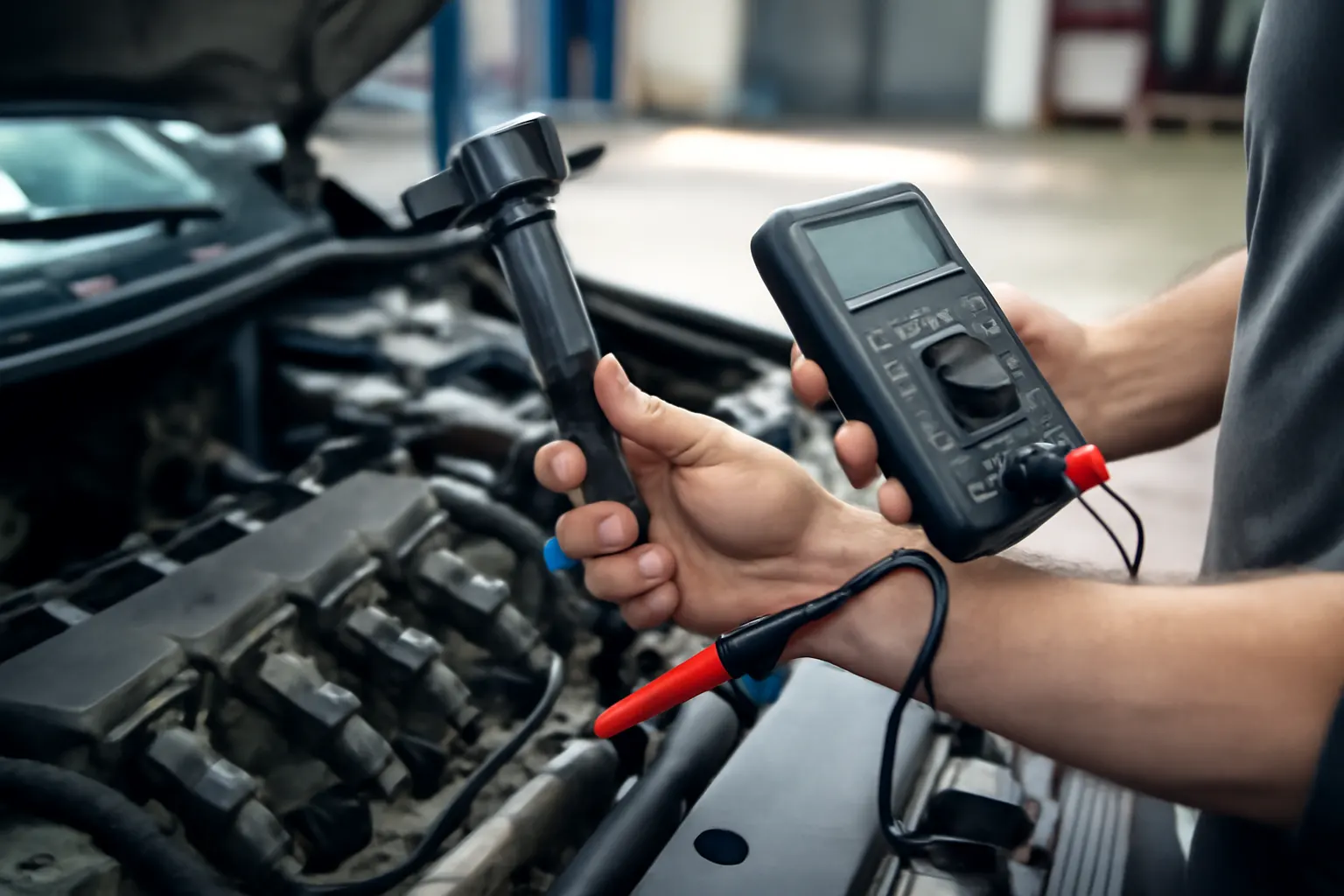
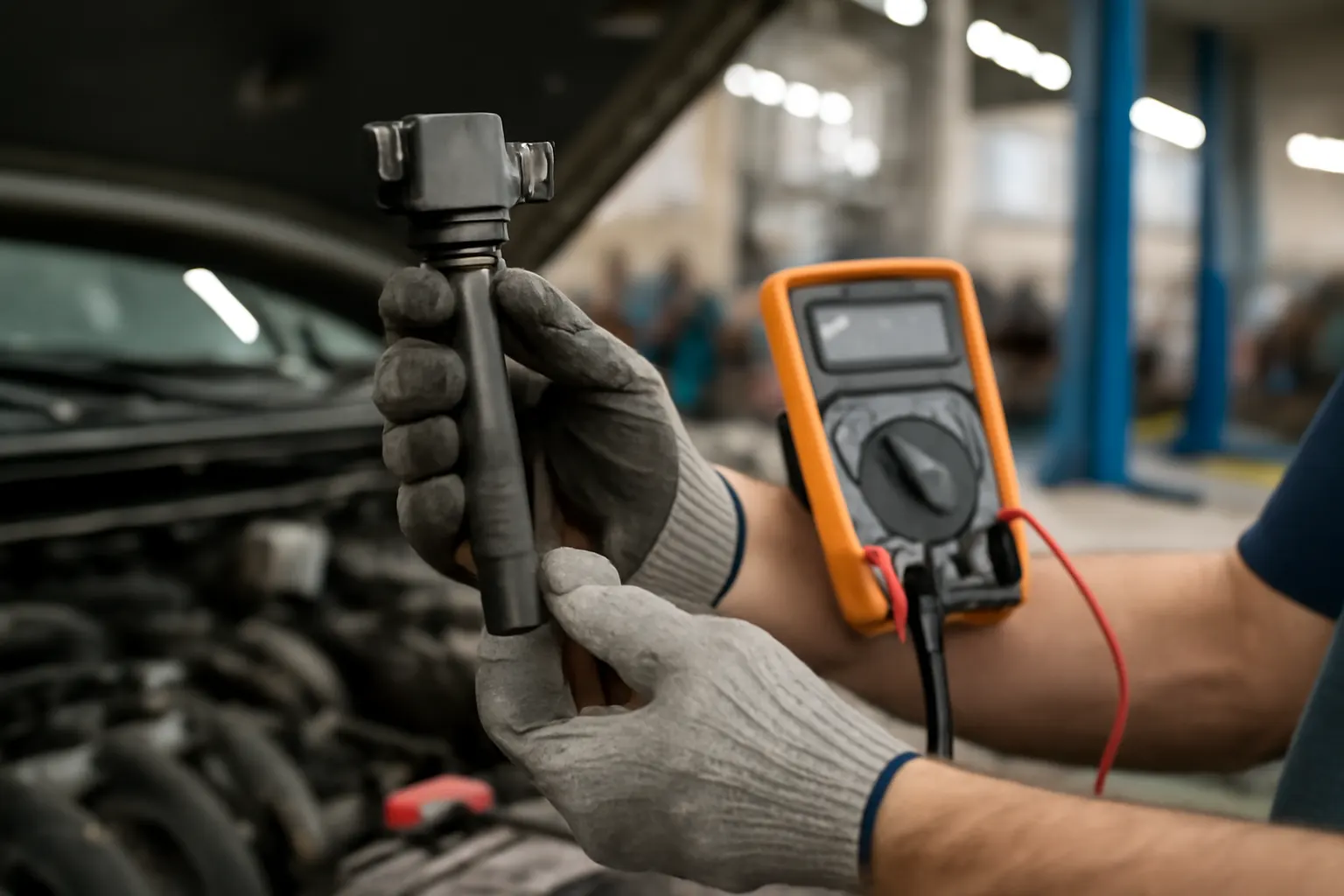
- Coil Failure: Heat, vibration, or internal shorts can cause a coil to fail, leading to misfires.
- Connector or Harness Issues: Damaged or corroded connectors can interrupt the signal from the ECU.
- Spark Plug Problems: Worn or fouled plugs can overload the coil and degrade performance.
- ECU Faults: Although rare, a malfunctioning ECU can send incorrect signals to the coils.
Diagnostic Checklist for COP Systems
Use this checklist to diagnose common COP-related issues:
| Symptom | Possible Cause | Diagnostic Action |
|---|---|---|
| Engine misfire | Faulty coil, bad plug | Swap coil with another cylinder, check for code movement |
| Rough idle | Coil or connector issue | Inspect connectors, scan for codes |
| Poor fuel economy | Weak spark, misfire | Check plug condition, test coil output |
| Hard starting | Multiple coil failures | Scan ECU, check power/ground supply |
| Check Engine Light (CEL) | Misfire detected | Read codes, pinpoint affected cylinder |
For a step-by-step guide to troubleshooting, see our Diagnosing Ignition System Failures resource.
Installation and Replacement: Key Steps for DIYers and Technicians
Replacing a faulty COP unit is typically straightforward, but attention to detail is critical. Here’s a stepwise approach:
- Safety First: Disconnect the negative battery terminal before starting.
- Access the Coils: Remove any engine covers or intake components as needed.
- Unplug the Connector: Carefully disconnect the electrical connector from the coil.
- Remove the Coil: Unbolt and gently pull the coil from the spark plug.
- Inspect the Spark Plug: Check for signs of fouling or wear; replace if necessary.
- Install the New Coil: Seat the new coil on the plug, bolt it down, and reconnect the wiring.
- Reassemble and Test: Reinstall covers, reconnect the battery, and start the engine to verify smooth operation.
Pro Tips
- Use Dielectric Grease: Apply a small amount to the inside of the coil boot to prevent moisture intrusion and ease future removal.
- Torque Specs: Always follow manufacturer torque specs for coil bolts to avoid overtightening.
Maintenance Best Practices for COP Ignition Systems
COP systems require less routine maintenance than older ignition setups, but regular attention ensures optimal performance:
- Inspect Coils at Each Tune-Up: Look for cracks, corrosion, or carbon tracking.
- Replace Spark Plugs on Schedule: Worn plugs can overload coils, leading to premature failure.
- Check for Oil or Coolant Leaks: Leaks can damage coil insulation and connectors.
- Monitor for Warning Signs: Address misfires, CELs, or rough running promptly to avoid catalytic converter damage.
Maintenance Checklist
- Inspect ignition coils every 30,000 miles or as recommended.
- Replace spark plugs at manufacturer intervals.
- Clean or replace coil boots if contaminated.
- Use OEM-quality parts for replacements.
Advertisement
For more details on replacement intervals and part selection, see Top Signs Your Ignitor/Coil Needs Replacement.
Buying Guidance: Choosing the Right COP Ignition Coils
When sourcing replacement coils, consider these factors:
- OEM vs. Aftermarket: OEM coils ensure factory fit and performance, while quality aftermarket options can offer cost savings (OEM vs Aftermarket Ignition Coils: What You Need to Know).
- Compatibility: Confirm fitment for your specific make, model, and engine. Mismatched coils can cause misfires or mounting issues.
- Material Quality: Look for coils with high-quality insulation and robust connectors to withstand heat and vibration.
- Warranty: Choose suppliers who stand behind their products with a solid warranty.
Sourcing Checklist
| Consideration | OEM Coils | Aftermarket Coils |
|---|---|---|
| Fitment | Exact | Varies, check application guides |
| Performance | Factory-spec | Can match or exceed OEM |
| Cost | Higher | Often lower |
| Availability | Dealer or specialist | Widely available |
Safety, Standards, and Regulations
COP systems are designed to meet stringent safety and durability standards. The National Highway Traffic Safety Administration (NHTSA) and SAE International provide guidelines and standards for ignition system components (NHTSA Vehicle Safety and Equipment, SAE Standards).
- Electrical Safety: High-voltage components are insulated and shielded to prevent accidental shock.
- Diagnostic Support: Modern vehicles monitor coil performance and alert drivers to misfires or failures, enhancing safety and emissions compliance.
- Replacement Protocols: Always use parts that meet or exceed OEM and regulatory standards.
The Role of COP in Modern Engine Design
The move to COP ignition systems aligns with broader trends in automotive engineering:
- Variable Valve Timing and Advanced Engine Controls: COP enables precise spark delivery, supporting complex engine management strategies.
- Turbocharging and Downsizing: Reliable ignition at high cylinder pressures is essential for small, high-output engines.
- Hybrid and Alternative Powertrains: COP systems are adapted for use in hybrid applications, where engine stop-start cycles demand robust ignition reliability.
COP technology is a foundational element in achieving the performance, efficiency, and emissions goals of today’s automotive industry.
Common Myths and Misconceptions About COP Ignition
Despite its widespread adoption, some myths persist:
- “COP systems never fail.” While more reliable, coils can still fail due to heat, vibration, or electrical issues.
- “All COP coils are the same.” Quality and design vary—using the wrong coil can lead to poor fitment or performance.
- “No maintenance required.” While maintenance needs are reduced, periodic inspection is still essential.
Understanding these realities prevents costly mistakes and ensures long-term engine health.
Integrating COP Upgrades: When and Why to Retrofit
Some older engines can be upgraded to COP ignition for improved performance and reliability. Consider a retrofit if:
- You’re experiencing chronic misfires or ignition issues.
- You’re upgrading the engine for higher performance or efficiency.
- You want to reduce maintenance by eliminating spark plug wires.
Retrofitting requires careful selection of compatible COP components, adaptation of the engine wiring harness, and ECU recalibration. Consult a qualified technician or ignition specialist for best results.
AutoPartEx: Your Partner for Ignitor/Coil Solutions
At AutoPartEx, we specialize in supplying high-quality ignition components, including OEM and premium aftermarket COP coils. Our catalog covers a wide range of makes and models, ensuring you find the right fit for your vehicle. Whether you’re looking for diagnostic support, installation guides, or expert advice, our technical team is here to help.
Explore our full range of Ignitor/Coil Systems or browse related categories like Air Box/Air Cleaner for comprehensive engine solutions. Trust AutoPartEx for reliable parts, technical expertise, and industry-leading support.
Conclusion: The Lasting Impact of Coil-On-Plug Technology
Coil-on-plug technology represents a significant leap forward in ignition system design, providing modern engines with the spark reliability, efficiency, and adaptability required by today’s performance and emissions standards. By understanding how COP works, recognizing its advantages, and following best practices for diagnosis, maintenance, and replacement, you can ensure your vehicle runs at its best for years to come.
For further reading on ignition system diagnostics and coil replacement, check out our related editorial resources and stay ahead of common ignition pitfalls. When it comes to keeping your engine performing at its peak, the right ignition system makes all the difference.
References
Advertisement