Advertisement
Power seat switches are essential for modern vehicle comfort and safety, allowing precise adjustment for drivers and passengers. When these switches fail, the result is more than just inconvenience—seat positions can become stuck, movement may become erratic, and in some cases, safety is compromised. This guide delivers a comprehensive, step-by-step approach to diagnosing and resolving common power seat switch problems, from stuck seats to intermittent seat movement. For a broader look at seat switch replacement options and OEM fitment, refer to our Seat Switch Replacement & OEM Fitment Guide | AutoPartEx.
Fast Answer: Diagnosing and Resolving Power Seat Switch Failures
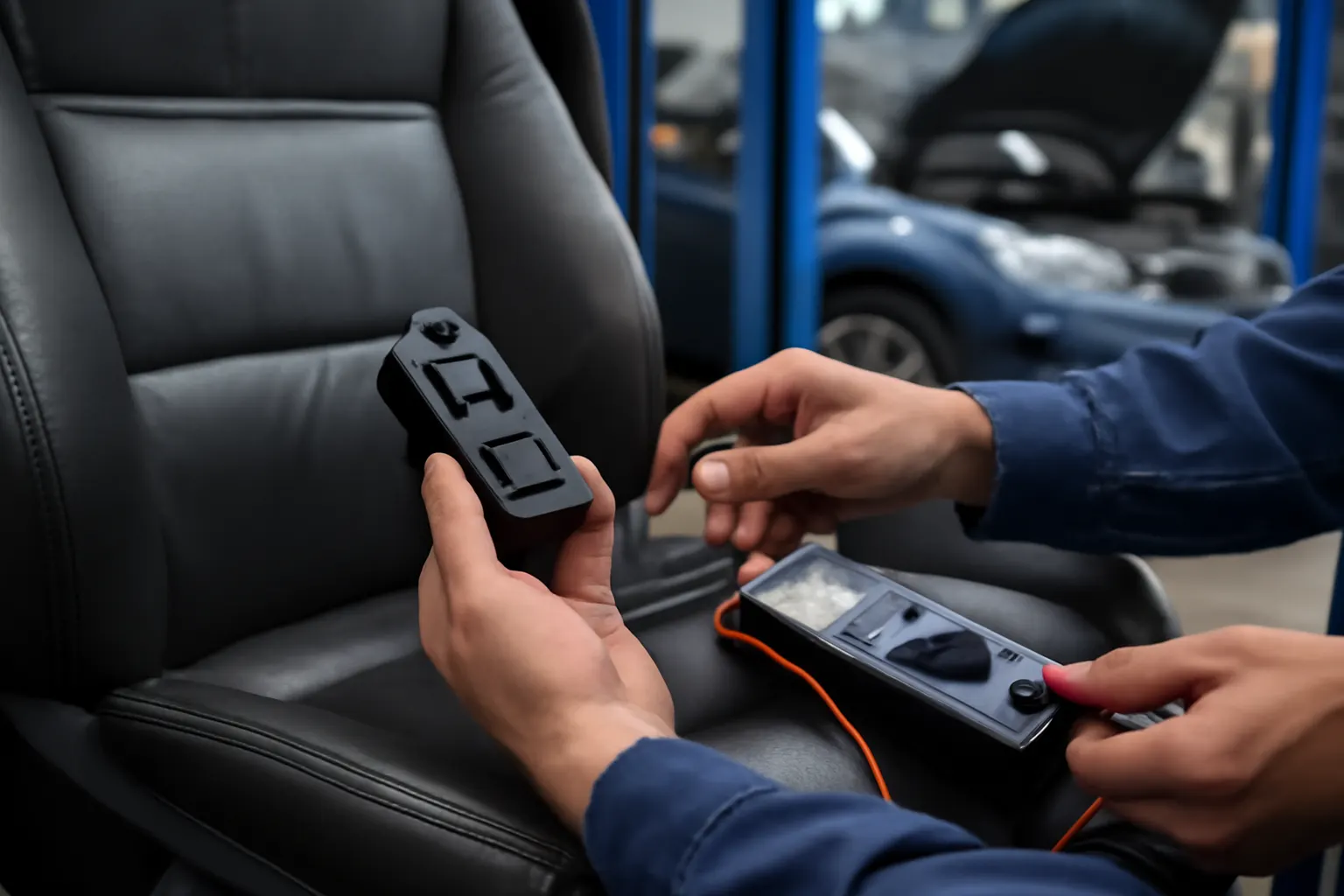
If your power seat is stuck, moves intermittently, or fails to respond, the most likely causes are a faulty seat switch, wiring issue, blown fuse, or a malfunctioning seat motor. Begin by checking for obvious obstructions and listen for motor noise when the switch is pressed. If the seat doesn’t move or only works in certain directions, inspect the seat switch and its wiring harness for continuity and corrosion. Test the switch with a multimeter, and if it fails, replace it with an OEM-quality unit for best fitment and reliability.
The Hidden Problem: Why Power Seat Switch Failures Are More Serious Than They Seem
While a nonfunctional seat switch may seem like a minor annoyance, it can have significant implications for both safety and comfort. According to the National Highway Traffic Safety Administration, proper seat adjustment is critical for maintaining correct driving posture, effective airbag deployment, and safe pedal operation. A stuck or misadjusted seat can increase the risk of injury in a collision or even contribute to driver fatigue and distraction. Furthermore, electrical faults in seat switches can sometimes be symptomatic of broader wiring or control module issues, which, if ignored, may affect other vehicle systems.
Understanding Power Seat Switch Systems
Power seat switches are complex electrical components designed to control multiple seat motors, enabling forward/backward movement, seat height adjustment, lumbar support, and seatback recline. Most switches use a combination of rocker or toggle contacts, relays, and circuit boards to send signals to seat motors.
Key Components:
- Switch Assembly: The user interface, typically located on the seat’s side.
- Wiring Harness: Connects the switch to seat motors and the vehicle’s power supply.
- Seat Motors: Convert electrical signals into mechanical movement.
- Fuses and Relays: Protect the circuit from overloads and manage power delivery.
Understanding how these elements interact is crucial for effective troubleshooting and successful repair.
Common Symptoms of Power Seat Switch Failure
Identifying the exact symptoms is the first step in diagnosis. Seat switch failures typically present in several distinct ways:
- No Response: Pressing the switch produces no seat movement or noise.
- Intermittent Operation: Seat moves only sometimes, or only in certain directions.
- Stuck Position: Seat is frozen in one position, despite switch actuation.
- Partial Functionality: Some seat adjustments work (e.g., backrest), but others do not (e.g., height).
- Unusual Noises: Clicking, buzzing, or grinding sounds when the switch is activated.
Each symptom points to different potential faults, ranging from electrical supply issues to physical switch wear.
Initial Checks: The Quick Diagnostic Checklist
Before diving into advanced diagnostics, perform these basic checks:
Power Seat Switch Diagnostic Checklist
- Visual Inspection
- Are there any visible obstructions under the seat?
- Is the switch physically damaged or loose?
- Are any wires pinched, frayed, or disconnected?
- Electrical Check
- Does the seat move when the ignition is in the ON position?
- Is the seat fuse intact (check fuse box diagram)?
- Is there any sign of corrosion on connectors?
- Operation Test
- Does the seat move in any direction at all?
- Are other seat functions (lumbar, recline) working?
- Is there a clicking or buzzing noise when the switch is pressed?
If the answer to any of these is “yes,” you’ve already narrowed down the likely culprit.
Deeper Diagnostics: Electrical Testing and Switch Evaluation
If the initial checklist doesn’t reveal the problem, move on to systematic electrical testing:
Advertisement
Step 1: Test for Power at the Switch
- Remove the switch panel (typically held by screws or clips).
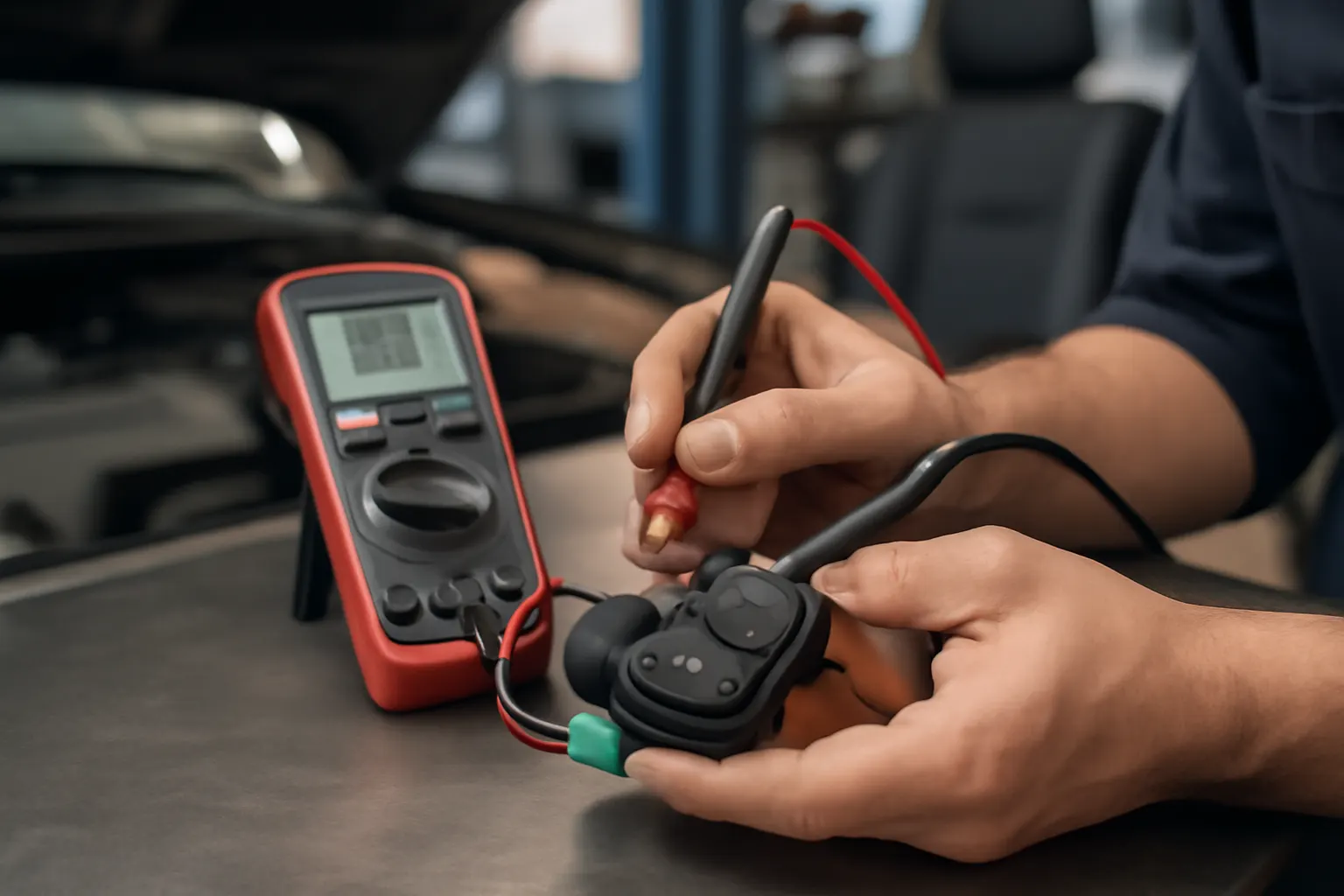
- With the ignition ON, use a multimeter to check for 12V at the power input wire of the switch.
- No Power: Trace back to the fuse, relay, or wiring harness for continuity.
- Power Present: Proceed to switch function tests.
Step 2: Switch Continuity Testing
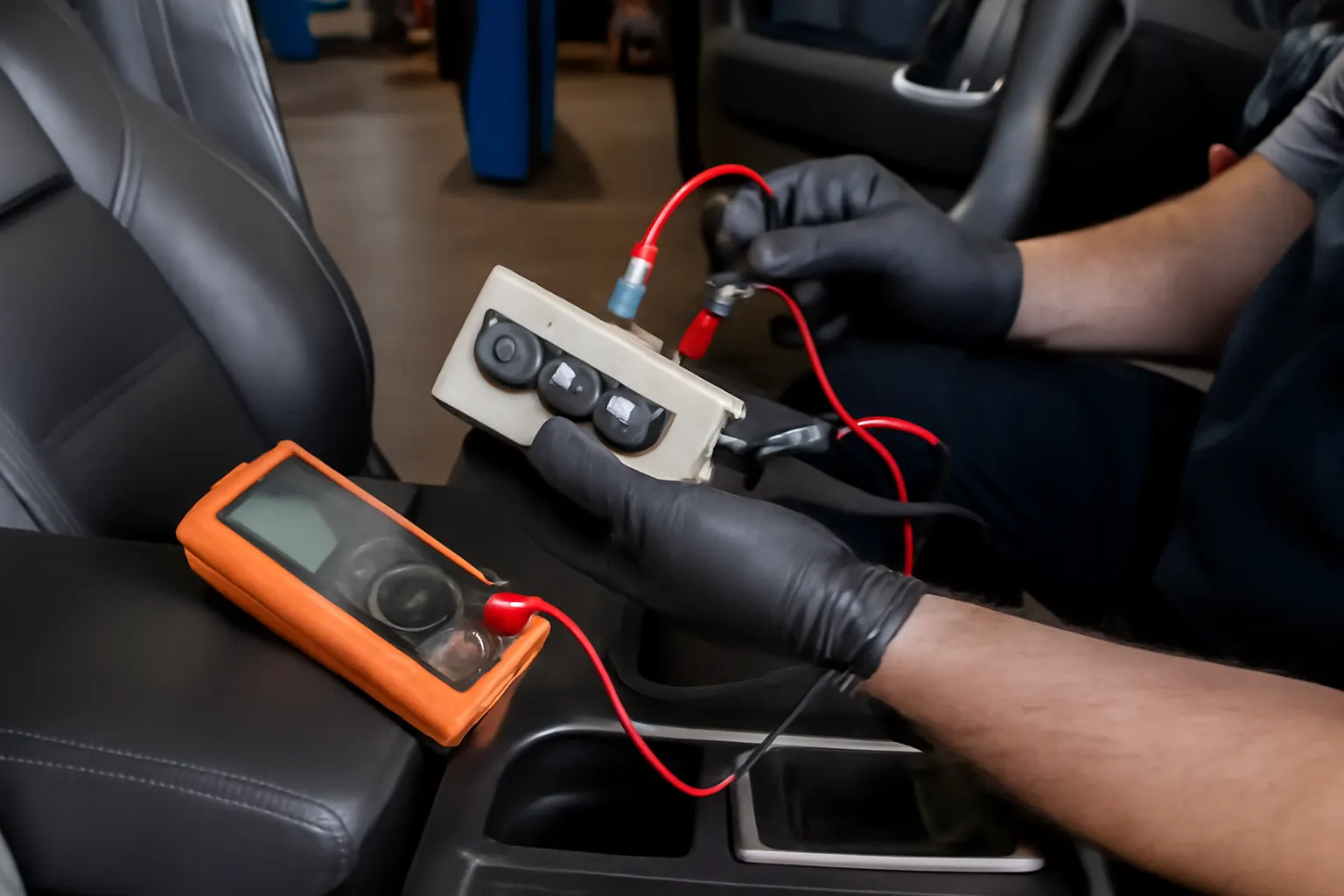
- With the switch removed, test continuity between the switch’s output terminals as you actuate each function.
- If continuity is not achieved when the switch is pressed, the internal contacts may be worn or corroded.
Step 3: Motor and Wiring Test
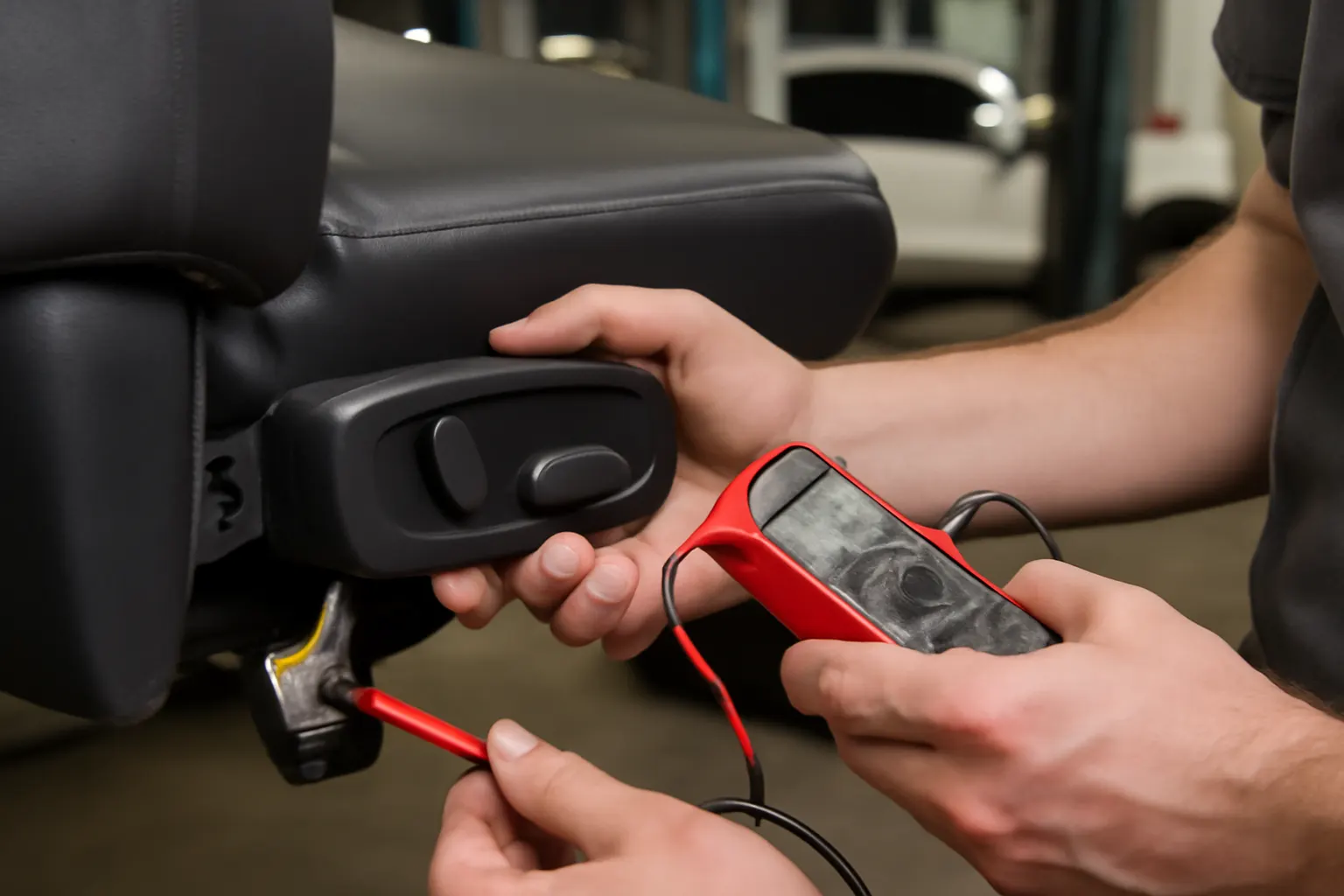
- If the switch tests good, check for voltage at the seat motor terminals when the switch is pressed.
- No Voltage: Wiring harness may be broken or pinched.
- Voltage Present, No Movement: Motor may be seized or faulty.
This process isolates the fault to the switch, wiring, or seat motor.
Mechanical vs. Electrical Failures: How to Tell the Difference
Not all seat movement problems are electrical. Mechanical binding or obstruction can also prevent seat movement. Here’s how to distinguish:
- Electrical Failure: No sound from seat motor, no movement in any direction, fuse may be blown.
- Mechanical Failure: Motor can be heard running, but seat doesn’t move or moves only partially; foreign objects or debris under the seat are common culprits.
Always check for coins, pens, or other debris trapped in seat tracks before assuming an electrical fault.
When to Replace the Power Seat Switch
If continuity tests fail or the switch is physically damaged (broken toggles, melted plastic, etc.), replacement is necessary. Always use an OEM or high-quality aftermarket switch to ensure proper fitment and electrical compatibility. Inferior switches can cause poor connections, leading to intermittent function or further electrical issues.
For guidance on selecting the right part for your vehicle, see the Seat Switch Replacement & OEM Fitment Guide | AutoPartEx.
Seat Switch Removal and Installation: Step-by-Step
Once the faulty switch is confirmed, follow these steps for safe removal and installation:
Tools Needed
- Trim removal tool
- Screwdriver set
- Digital multimeter
- Protective gloves
Removal Process
- Disconnect the Battery: Prevent accidental short circuits by disconnecting the negative terminal.
- Remove Trim Panel: Use a trim tool to gently pry off the seat side panel.
- Unscrew and Disconnect: Remove screws securing the switch, then carefully disconnect the wiring harness.
- Inspect Connectors: Look for corrosion or bent pins; clean or repair as needed.
Installation Process
- Connect New Switch: Attach the wiring harness to the new switch, ensuring a firm, click-in connection.
- Secure Switch and Trim: Screw the switch into place and reinstall the trim panel.
- Reconnect Battery: Restore power and test all seat functions before finalizing.
For a detailed installation walkthrough, reference our Seat Switch Installation: Step-by-Step Guide.
Preventing Future Power Seat Switch Failures
Proactive maintenance can significantly extend the life of your seat switch and associated components. Consider the following best practices:
- Regular Cleaning: Vacuum under and around seats to prevent debris buildup.
- Moisture Control: Avoid spilling liquids on seat controls; moisture can corrode electrical contacts.
- Gentle Operation: Avoid forcing the seat switch; if resistance is met, investigate rather than persist.
- Annual Inspection: During routine service, have a technician inspect seat switch wiring and connectors for wear.
These measures reduce the risk of sudden failures and help maintain safe, comfortable seating positions.
The Role of Seat Switches in Vehicle Safety and Ergonomics
Seat switches do more than adjust comfort—they play a vital role in occupant safety and vehicle ergonomics. Proper seat positioning ensures optimal airbag deployment, visibility, and pedal reach, all of which are critical for accident avoidance and injury mitigation. The National Highway Traffic Safety Administration emphasizes that seat adjustment systems must meet stringent safety standards, and malfunctions should be addressed promptly to maintain compliance.
Furthermore, ergonomic seat adjustment reduces driver fatigue on long journeys, improving alertness and overall control. This is especially important for professional drivers and those with specific physical requirements.
Sourcing the Right Power Seat Switch: OEM vs. Aftermarket
Selecting the correct replacement is crucial. Here’s what to consider:
- OEM Switches: These are designed to the manufacturer’s specifications, ensuring exact fit and function. They often cost more but provide maximum reliability.
- Aftermarket Switches: Quality varies widely. High-end aftermarket switches can be as reliable as OEM, but low-cost options may use inferior materials or lack proper electrical ratings.
Advertisement
Key Fitment Factors:
- Vehicle make, model, and year
- Number of seat adjustment functions
- Connector pin configuration
When in doubt, consult your vehicle’s service manual or use the fitment lookup on AutoPartEx’s seat switch category page.
Advanced Troubleshooting: Control Modules and CAN Bus Issues
Modern vehicles often integrate seat switches with body control modules (BCMs) or communicate seat position via the CAN bus. Faults in these systems can mimic switch failure symptoms.
Signs of Control Module Issues:
- Multiple seat functions fail simultaneously across both driver and passenger seats.
- Diagnostic trouble codes (DTCs) related to seat position or communication errors.
- Other accessories (mirrors, windows) also show erratic behavior.
Diagnostic Path:
- Use an OBD-II scanner to check for relevant DTCs.
- Inspect BCM connectors for corrosion or water intrusion.
- Reset the control module if required, following manufacturer procedures.
If control module or network faults are suspected, professional diagnostic equipment and expertise may be needed.
Addressing Intermittent and Hard-to-Diagnose Seat Switch Problems
Some seat switch failures are not constant but occur sporadically, making them especially frustrating. Causes include:
- Loose Connectors: Vibration can cause intermittent contact.
- Broken Solder Joints: Repeated use can crack solder inside the switch.
- Temperature Sensitivity: Expansion/contraction can temporarily restore or break connections.
Troubleshooting Tips:
- Wiggle the switch and harness while testing for continuity.
- Check for heat-related failures by operating the seat after the car has been parked in the sun.
- Inspect the switch circuit board for visible cracks or burn marks.
Persistent intermittent issues often require switch replacement, even if the fault cannot be reproduced on the bench.
The Impact of Materials and Environmental Factors
Power seat switches are subject to wear from both mechanical use and environmental exposure. According to the U.S. Department of Energy’s Materials Technologies, modern vehicles use advanced plastics and metals to improve durability and reduce weight. However, exposure to UV, humidity, and temperature fluctuations can degrade these materials over time.
Advertisement
What To Watch For:
- Fading or cracking of switch housings
- Stiff or sticky switch movement
- Corrosion on metal contacts
Replacing switches with components that meet or exceed OEM material specifications helps ensure longevity.
How Power Seat Switch Issues Affect Fuel Efficiency and Vehicle Systems
While seat switch problems do not directly impact fuel efficiency, unresolved electrical faults can cause parasitic battery drain or even affect vehicle electronics if short circuits develop. The U.S. Department of Energy’s Fuel Efficiency guidelines recommend addressing electrical issues promptly to prevent unnecessary power loss and maintain optimal vehicle operation.
Additionally, a seat stuck in an inefficient driving position may contribute to driver discomfort, leading to suboptimal driving habits and decreased alertness—both of which can indirectly impact fuel consumption and safety.
Integrating Power Seat Switch Repairs into Routine Maintenance
For fleet operators, dealerships, or anyone maintaining multiple vehicles, integrating seat switch checks into regular maintenance schedules can prevent downtime and costly repairs. Include seat switch function tests during:
- Annual safety inspections
- Pre-delivery vehicle checks
- Post-detailing or upholstery work
Document any issues and address them proactively to maintain vehicle value and occupant safety.
AutoPartEx: Your Partner in Reliable Seat Switch Solutions
At AutoPartEx, we understand the critical role that seat switches play in vehicle safety, comfort, and value. Our curated selection of OEM and premium aftermarket seat switches ensures a perfect fit for nearly every make and model. We provide fitment verification tools, technical guidance, and step-by-step installation resources to support both DIYers and professional technicians.
When you need expert advice or the right part, our Seat Switch Replacement & OEM Fitment Guide | AutoPartEx and Seat Switch Installation: Step-by-Step Guide are available to streamline your repair process. For broader electrical troubleshooting, see Electrical Switches: Beyond the Seat.
Expert Action: Final Steps and Professional Support
If troubleshooting and repair do not resolve your seat switch issue, it may be time to consult a professional technician. Persistent electrical problems, especially those involving control modules or networked vehicle systems, require specialized diagnostic tools and expertise. Always prioritize safety—disconnect the battery before working on electrical systems, and never bypass fuses or relays as a shortcut.
By following the structured diagnostic approach detailed in this guide, most power seat switch failures can be resolved efficiently, restoring both comfort and safety to your vehicle.
References
Advertisement