
Seat Switch
Understanding and Replacing Your Vehicle's Seat Switch
Many drivers overlook the humble seat switch until it fails, leaving them stuck with an immobile seat and a frustrating repair. Understanding the unique role this component plays in your vehicle’s comfort and safety can help you spot early warning signs and make informed repair decisions. This guide explores what makes seat switch problems distinct, how to diagnose them, and what steps you can take to restore full seat function.
Showing 1–8 of 89 products


More Seat Switch options
Filtering for Seat SwitchBrowse nearby inventory for this category without leaving the page. Use search to filter by price, part number, or city.
No Data Available
Please check back soon when more inventory is available for this part.
Understanding and Replacing Your Vehicle's Seat Switch
Why Seat Switches Deserve More Attention Than You Think
Most vehicle owners rarely consider the seat switch until something goes wrong. This small, often inconspicuous component controls a range of seat adjustments, directly impacting both comfort and safety. When it malfunctions, the inconvenience can be immediate and severe, especially if you rely on precise seat positioning for visibility or physical support. Yet, because seat switches are hidden within the seat trim or console, their importance is frequently underestimated, and warning signs often go unnoticed until the switch fails altogether.
Unlike more prominent vehicle controls, seat switches operate quietly in the background, rarely drawing attention unless there’s a problem. Many drivers may not realize that a seat switch is a complex electrical device, subject to wear, contamination, and electrical faults. Over time, repeated use, exposure to moisture, or even accidental spills can degrade its performance. This makes early detection challenging, as symptoms may be subtle, such as sluggish movement or intermittent response, before a complete failure occurs.
Ignoring minor seat switch issues can lead to more significant problems. A malfunctioning seat switch not only affects your comfort but can also create safety risks, particularly if you cannot adjust your seat for optimal control of the vehicle. Furthermore, delayed repairs can sometimes result in more costly damage to related components, such as seat motors or wiring harnesses. Recognizing the early signs and understanding the seat switch’s role is the first step toward maintaining both comfort and safety in your vehicle.

The Real Impact of Seat Switch Malfunctions
When a seat switch fails, the consequences extend beyond mere inconvenience. The inability to adjust your seat can compromise driving posture, limit access to vehicle controls, and even impair visibility. For drivers who share vehicles or need frequent adjustments due to physical needs, a non-functioning seat switch can be a daily frustration. This is especially true for vehicles with advanced power seat functions, where a single faulty switch can disable multiple adjustments at once.
Seat switch problems are not always obvious at first. Symptoms may start with slow or uneven seat movement, or the seat may only respond intermittently to switch inputs. In some cases, certain directions (such as forward or tilt) may stop working while others remain functional. These early warning signs can be mistaken for motor fatigue or wiring issues, leading to misdiagnosis and unnecessary repairs if the root cause—the switch itself—is overlooked.
Diagnosing seat switch issues can be complicated by the interconnected nature of modern vehicle electronics. Power seat systems often share circuits with other interior electronics, such as memory modules or airbag sensors. A malfunctioning seat switch can sometimes trigger warning lights or interfere with other features, making it difficult to isolate the problem without a systematic approach. This complexity underscores the need for careful troubleshooting and evidence-based repair decisions.
Many vehicle owners are unaware that seat switch failures can sometimes be linked to broader safety concerns. For example, the National Highway Traffic Safety Administration (NHTSA) tracks complaints and recall investigations related to seat controls, especially where a defect could pose a safety risk. While not every seat switch problem leads to a recall, persistent issues reported by multiple owners can prompt manufacturers to investigate and, if necessary, issue corrective actions. This highlights the importance of documenting symptoms and checking for recall information before proceeding with repairs.
The cost and complexity of seat switch repairs can vary widely depending on the vehicle make, model, and seat configuration. Some switches are integrated with the seat trim and require specialized tools or disassembly, while others are more accessible. Labor costs can increase if the switch is part of a larger module or if diagnosis requires extensive electrical testing. Understanding these variables is crucial for setting realistic expectations and avoiding unnecessary expenses.
Finally, neglecting a faulty seat switch can have long-term consequences for both comfort and resale value. Prospective buyers may view a non-functioning seat as a sign of poor maintenance or hidden electrical problems, potentially lowering the vehicle’s value. Addressing seat switch issues promptly not only restores comfort but also helps maintain the overall integrity and appeal of your vehicle.
Practical Steps to Diagnose and Replace a Seat Switch
The first step in addressing a suspected seat switch issue is to observe the symptoms carefully. Note whether the problem affects all seat adjustments or just specific directions, and whether the issue is constant or intermittent. This information will help narrow down the cause and determine whether the switch, motor, or wiring is at fault. If possible, test the seat adjustments with the vehicle both running and in accessory mode, as voltage fluctuations can sometimes affect performance.
Next, consult your vehicle’s owner manual or service documentation to locate the seat switch and understand its configuration. Some vehicles have separate switches for different seat functions, while others use a single multi-directional switch. Identifying the exact switch involved will streamline the diagnostic process and ensure you order the correct replacement part. If you’re unsure, take a clear photograph of the switch and compare it to catalog listings or consult a knowledgeable parts supplier.
Before removing the seat switch, check for any visible signs of damage or contamination. Spilled liquids, dirt, or corrosion can sometimes cause poor contact or intermittent operation. In some cases, carefully cleaning the switch and its connectors may restore function without the need for replacement. However, if the switch feels loose, sticky, or unresponsive, replacement is usually the best option. Always disconnect the vehicle battery before working on electrical components to prevent accidental short circuits or airbag deployment.
If the seat switch is integrated with the seat trim or console, removal may require specialized tools such as trim panel removers or Torx drivers. Follow step-by-step guides or manufacturer instructions to avoid damaging surrounding materials. Label any wiring connectors before disconnecting them, as incorrect reassembly can lead to further electrical issues. Take your time and document each step with photographs if necessary, especially if this is your first time working on interior electronics.
Once the faulty switch is removed, compare it side-by-side with the replacement part to ensure compatibility. Check that the connectors, mounting points, and actuator buttons match exactly. Salvage or used switches can be a cost-effective option, but inspect them carefully for wear or damage before installation. If purchasing new or remanufactured parts, verify the warranty terms and return policy in case of defects or incorrect fitment.
Install the new seat switch by reversing the removal steps. Make sure all connectors are securely attached and that the switch is properly seated in its mounting location. Reconnect the vehicle battery and test all seat adjustment functions before reassembling the trim. If any adjustments still do not work, double-check the wiring and consult troubleshooting guides or a professional technician. Document the repair with a completed work order, including the part number and odometer reading, for future reference.
If you encounter persistent problems after replacing the seat switch, further diagnosis may be necessary. Issues such as blown fuses, damaged wiring, or faulty seat motors can mimic switch failures. Use a multimeter to check for continuity and voltage at the switch connectors, and consult wiring diagrams if available. If the problem remains unresolved, seek a second opinion from a qualified technician with experience in your vehicle make and model. This approach aligns with Federal Trade Commission (FTC) advice to compare shop recommendations and request written estimates for complex repairs.
Finally, check for any open recalls or manufacturer service bulletins related to seat switches or power seat systems. The National Highway Traffic Safety Administration (NHTSA) provides a searchable database where you can enter your vehicle’s VIN to see if repairs are covered under a recall. This step can save you time and money, as manufacturers are required to remedy safety-related defects at no cost to the owner. Always document your findings and keep records of any recall-related repairs for future reference.
Evidence-Based Guidance for Seat Switch Repairs
The National Highway Traffic Safety Administration (NHTSA) serves as a primary resource for identifying safety-related defects and recalls involving seat switches and related components. According to the NHTSA, owners can search for recall information by entering their vehicle’s VIN or by browsing by make, model, and year. This process helps determine whether a seat switch issue is part of a broader safety concern addressed by the manufacturer. However, the NHTSA database does not guarantee that every seat switch problem is covered by a recall; it only lists open, unrepaired recalls and relevant investigations. This means that while a recall lookup is an essential step, it does not confirm that your specific vehicle or seat switch is affected by a known defect. NHTSA: Vehicle Recalls
The NHTSA also outlines the process by which safety defects are investigated and recalls are initiated. When multiple owners report similar problems—such as seat switches failing to operate or causing unintended seat movement—the agency may open an investigation. If a defect is confirmed, the manufacturer is required to notify owners and provide a remedy, which could include repair, replacement, or reimbursement. Importantly, the NHTSA’s process is driven by consumer complaints and documented cases, not by isolated incidents. Therefore, if you experience a seat switch failure, reporting it to the NHTSA can contribute to broader safety monitoring and potential corrective action. NHTSA: Vehicle Recalls
The Federal Trade Commission (FTC) offers general guidance for consumers facing auto repairs, emphasizing the importance of written estimates, second opinions, and clear documentation. The FTC advises that for expensive or complicated repairs—such as those involving integrated seat switches or advanced power seat systems—owners should seek a second opinion and ensure the technician has experience with the specific make and model. This approach helps prevent unnecessary repairs and ensures that the root cause of the problem is accurately identified. The FTC also distinguishes between new, remanufactured, and salvage parts, recommending that consumers understand the origin and warranty coverage of replacement components. FTC: Auto Repair Basics
While the FTC provides valuable consumer protection advice, it does not offer technical specifications or repair procedures for specific vehicles or seat switches. Instead, its guidance centers on the repair process itself—such as obtaining a completed repair order, comparing shop recommendations to the manufacturer’s maintenance schedule, and clarifying any extra services proposed by the shop. This means that while the FTC’s advice is broadly applicable, owners must rely on manufacturer documentation, service manuals, or reputable repair guides for technical details specific to their seat switch and vehicle. FTC: Auto Repair Basics
Neither the NHTSA nor the FTC provides direct evidence of seat switch failure rates, typical repair costs, or owner beliefs about reliability. Instead, both organizations focus on process—NHTSA on defect investigation and recall management, FTC on consumer rights and repair documentation. This underscores the importance of gathering concrete information about your specific seat switch issue, such as part numbers, symptom descriptions, and repair history, before committing to a repair or replacement. Owners should avoid making assumptions based solely on catalog listings or anecdotal reports.
For buyers comparing seat switch options, it is essential to verify compatibility through part numbers, connector types, and physical dimensions. Catalog names alone do not guarantee fitment, as variations may exist even within the same vehicle model year. When considering salvage or used switches, inspect for visible wear, corrosion, or damage, and request a return policy in case the part does not function as expected. For new or remanufactured parts, review the seller’s warranty terms and ensure you receive a detailed invoice or repair order documenting the transaction.
Finally, when diagnosing seat switch problems, use a systematic approach supported by published troubleshooting guides and service documentation. Avoid inferring technical details or repair intervals from general advice or catalog entries. If technical evidence is unavailable, focus on gathering detailed symptom information, consulting experienced technicians, and documenting each step of the repair process. This evidence-based approach not only increases the likelihood of a successful repair but also provides a clear record in case further action—such as a recall claim or warranty request—is needed.
Take the Next Step Toward Restoring Your Seat Function
If you’re experiencing seat switch problems, don’t wait for minor inconveniences to become major issues. Start by documenting your symptoms, checking for recalls, and comparing your repair options using reliable resources. Explore our Seat Switch catalog for compatible parts, or consult our guides on How to Diagnose Power Seat Issues and Replacing a Seat Switch: Tools & Techniques for step-by-step instructions. Taking prompt, informed action will help restore your vehicle’s comfort and safety while protecting its long-term value.
References
- NHTSA: Vehicle Recalls
- FTC: Auto Repair Basics
References
- NHTSA: Vehicle Recalls - NHTSA, accessed 2026-11-01
- FTC: Auto Repair Basics - FTC, accessed 2026-11-01
Related Guides & Articles

How to Diagnose Power Seat Issues
If your vehicle’s power seat has stopped working or is acting unpredictably, begin your diagnosis with these immediate checks: Verify the seat’s power supply: Ensure the vehicle’s ignition is on, and check for blown seat-related fuses. Test the seat switch: Operate all seat adjustment functions. If none respond, the issue may be power or the main switch. If only some movements fail, suspect the switch or motor for that axis.
View Guide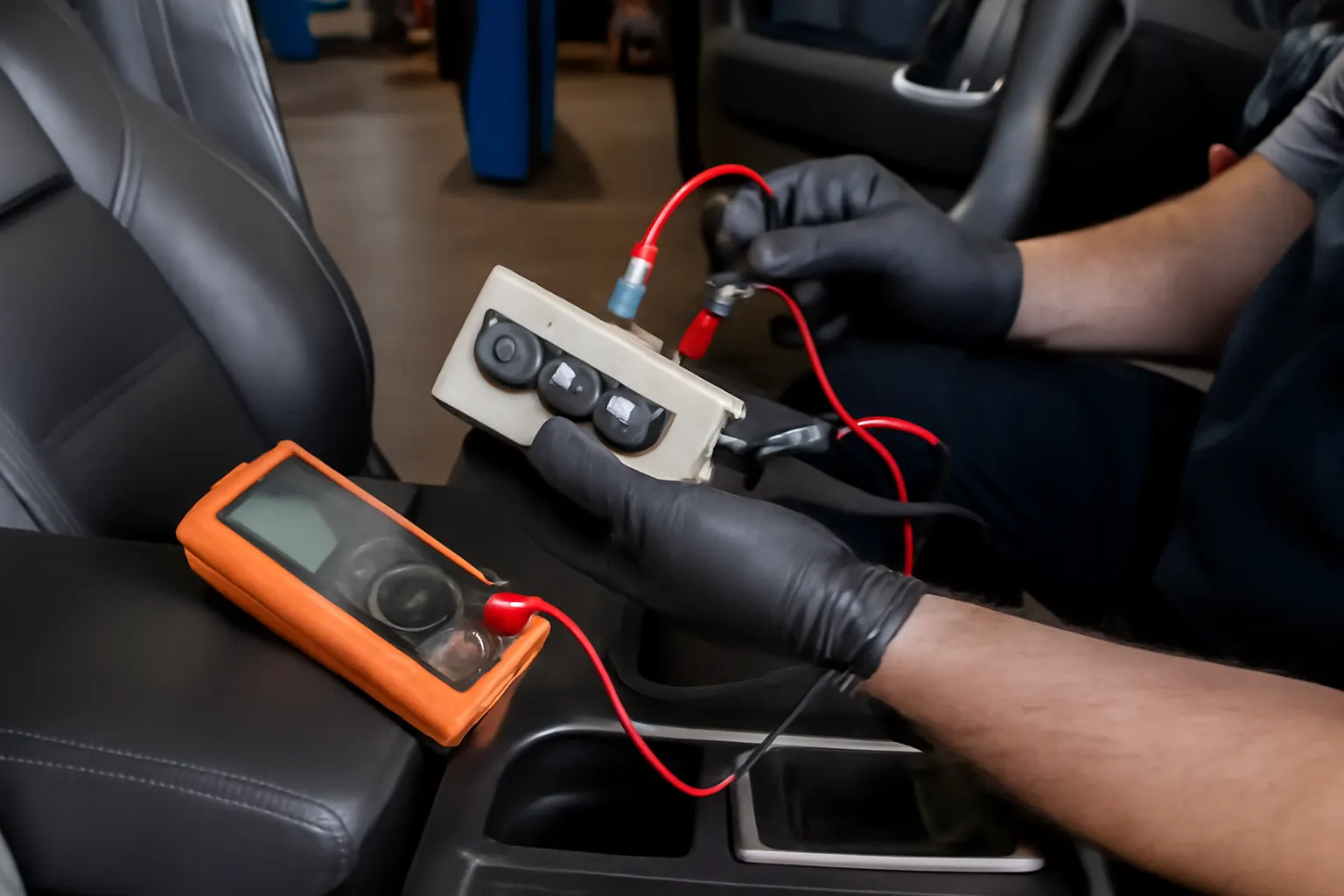
Interior Electronics: Troubleshooting Tips
Interior electronics are the nerve center of modern vehicles, controlling everything from seat adjustments to infotainment systems. When seat switches, power seat motors, or other cabin controls fail, quick and accurate troubleshooting is essential for safety, comfort, and functionality. This guide delivers immediate, actionable advice for diagnosing and repairing common issues with seat controls and other interior electronic components.
Read More
Replacing a Seat Switch: Tools & Techniques
Replacing a malfunctioning seat switch is a straightforward process for most vehicle owners and technicians when equipped with the right tools, knowledge, and best practices. This guide from the AutoPartEx Technical Editorial Team delivers step-by-step instructions, safety tips, and professional insights to help you confidently replace seat switches across a wide range of vehicle models. Whether you’re a seasoned technician or a DIY enthusiast, this comprehensive resource provides everything needed to restore full seat adjustment functionality and ensure long-term reliability.
View Guide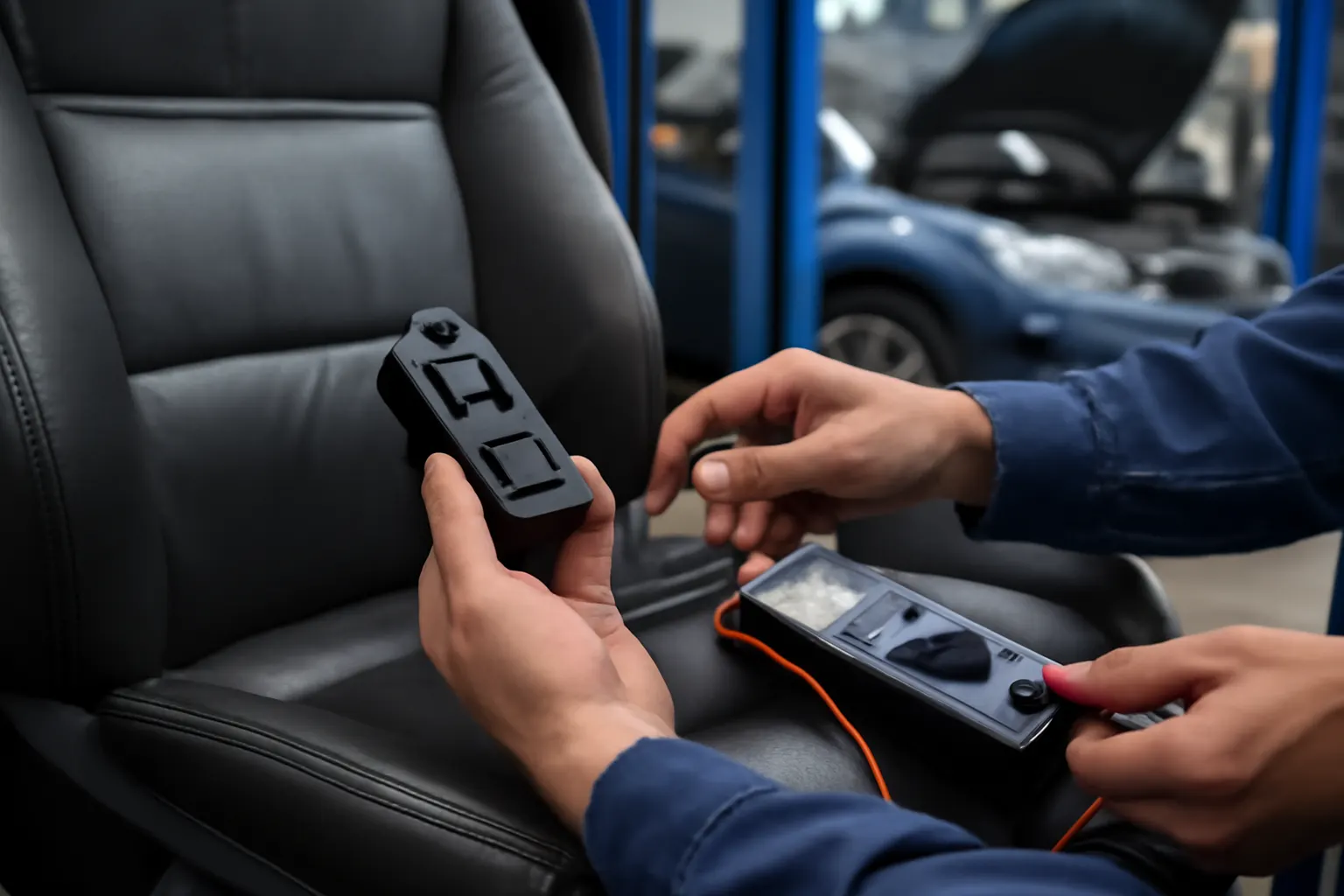
What Causes Seat Switch Failures?
Seat switch failures most often stem from a combination of electrical wear, moisture intrusion, physical damage, and wiring faults. The primary causes include: Internal switch contact wear or corrosion Moisture or liquid spills seeping into the switch assembly Broken or fatigued wiring and connectors under the seat Physical abuse (forceful operation, impact, or debris) Faulty seat motors or actuators, sometimes misdiagnosed as switch failure While many drivers notice if their seat won’t move, the underlying issues leading to switch failure are frequently missed until the switch is completely inoperative.
Read More