Advertisement
Electrical Switches: Beyond the Seat
Electrical switches are the unsung heroes of modern vehicles, providing the critical interface between drivers, passengers, and the complex electronic systems that keep cars safe, comfortable, and efficient. While seat switches are a familiar touchpoint, the network of electrical switches extends far beyond the seat, controlling everything from lighting and climate to safety and infotainment systems. Understanding the scope, function, and maintenance of these components is essential for reliability, safety, and optimal vehicle performance. If you're looking for seat switch replacement or OEM fitment guides, visit our Seat Switch Replacement & OEM Fitment Guide | AutoPartEx for more detailed information tailored to your vehicle.
In this comprehensive guide, we explore the critical role of electrical switches throughout your vehicle, why quality matters, what can go wrong, and how to ensure long-term reliability—whether you're a DIY enthusiast, a technician, or simply want to understand your car better.
The Immediate Answer: Why Electrical Switches Matter in Every Vehicle
Electrical switches are integral to virtually every function in a modern automobile. They enable the driver and passengers to interact with systems ranging from power windows and door locks to lighting, climate control, and advanced safety features. The quality and reliability of these switches directly impact your daily driving experience and, more importantly, your vehicle's safety and operational integrity.
- Control and Safety: Switches manage critical safety features such as airbags, ABS, and stability control, as well as everyday conveniences like seat adjustments and entertainment.
- Reliability: A single faulty switch can disable entire subsystems, leading to inconvenience or, in the worst case, a safety hazard.
- OEM Fitment: Correct fitment and compatibility are essential to ensure switches operate as intended and integrate with your vehicle's wiring and control modules.
The Hidden Problem: Overlooked Switch Failures Lead to Systemic Issues
While most drivers notice a malfunctioning window or seat switch, many are unaware of the broader impact a faulty electrical switch can have. The hidden problem lies in the interconnectedness of vehicle electronics. A single failed switch can:
- Render essential safety features inoperative.
- Cause parasitic battery drain due to stuck relays or circuits.
- Trigger false warning lights or diagnostic trouble codes (DTCs).
- Lead to cascading failures in related modules or systems.
Many switch failures go unnoticed until they cause a major inconvenience or a costly repair. Early diagnosis and understanding the broader network of switches in your car can save time, money, and frustration.
Electrical Switches: The Network Beyond Seat Controls
Electrical switches are distributed throughout your vehicle, each serving a specific function. Key categories include:
1. Interior Convenience Switches
- Window and Door Lock Switches: Control power windows and central locking. Failure can compromise security and convenience.
- Mirror Adjustment Switches: Allow precise positioning of side mirrors for visibility and safety.
- Lighting Controls: Operate dome, reading, and dashboard lights.
2. Safety and Security Switches
- Airbag and Seatbelt Sensors: Detect occupant presence and seatbelt engagement, ensuring airbags deploy correctly.
- Ignition Switches: Enable engine start/stop and may serve as a theft deterrent.
- Brake Light and Clutch Switches: Critical for signaling and for enabling starting in manual transmissions.
3. Environmental and Comfort Switches
- Climate Control Switches: Manage HVAC settings, blower speeds, and air distribution.
- Heated Seat and Steering Wheel Switches: Activate comfort features.
- Sunroof and Convertible Top Switches: Operate complex mechanical assemblies.
4. Advanced and Infotainment Switches
- Touchscreen and Multifunction Controls: Centralize operation of navigation, media, and vehicle settings.
- Steering Wheel Controls: Provide safe access to audio, cruise control, and phone functions.
Each switch is designed to withstand specific environmental conditions and usage cycles, but they all share the risk of wear, contamination, and electrical failure.
Technical Deep Dive: How Switches Integrate with Modern Vehicle Electronics
Modern vehicles rely on complex electrical architectures, often using multiplexed communication networks (such as CAN bus) to reduce wiring and enable advanced features. Switches have evolved from simple on-off devices to smart components with integrated logic, diagnostics, and feedback.
Integration with Control Modules
- Direct vs. Networked Switches: Some switches operate directly (e.g., window switches), while others send signals to electronic control units (ECUs), which then actuate relays or motors.
- Feedback Loops: Many switches provide status feedback to the vehicle’s main computer for monitoring and diagnostics.
- Safety Interlocks: Critical systems (airbags, ignition) require switch signals to meet strict timing and redundancy standards, as specified by bodies like SAE International.
Advertisement
Failure Modes and Diagnostics
- Open/Short Circuits: Physical wear, corrosion, or wiring faults can disrupt switch operation.
- Debouncing and Signal Integrity: Modern switches include circuitry to prevent false triggers from vibration or contact bounce.
- Self-Diagnostics: Many ECUs monitor switch health and can store DTCs when faults are detected, aiding in troubleshooting.
Common Signs and Symptoms of Electrical Switch Failure
Recognizing the early warning signs of switch failure can prevent more serious issues. Common symptoms include:
- Intermittent or Non-Responsive Operation: Windows, locks, or seats that work sporadically often indicate switch contact wear.
- Unusual Noises: Clicking, buzzing, or relay chatter may signal a failing switch or associated relay.
- Warning Lights: Airbag or ABS warning lights can be triggered by faulty safety switches or sensors.
- Accessory Malfunctions: Climate control, lights, or infotainment features that don’t respond to user inputs.
Prompt attention to these symptoms can prevent further damage and ensure continued safety and functionality.
Diagnosing Electrical Switch Issues: Step-by-Step Checklist
A systematic approach to diagnosing switch problems can save time and avoid unnecessary part replacements. Use this checklist as a guide:
Electrical Switch Diagnostic Checklist
-
Visual Inspection
- Check switch and surrounding trim for physical damage or signs of liquid intrusion.
- Inspect wiring harnesses for fraying, corrosion, or loose connectors.
-
Function Test
- Operate the switch in all positions and note any inconsistencies.
- Listen for relay activation or motor response.
-
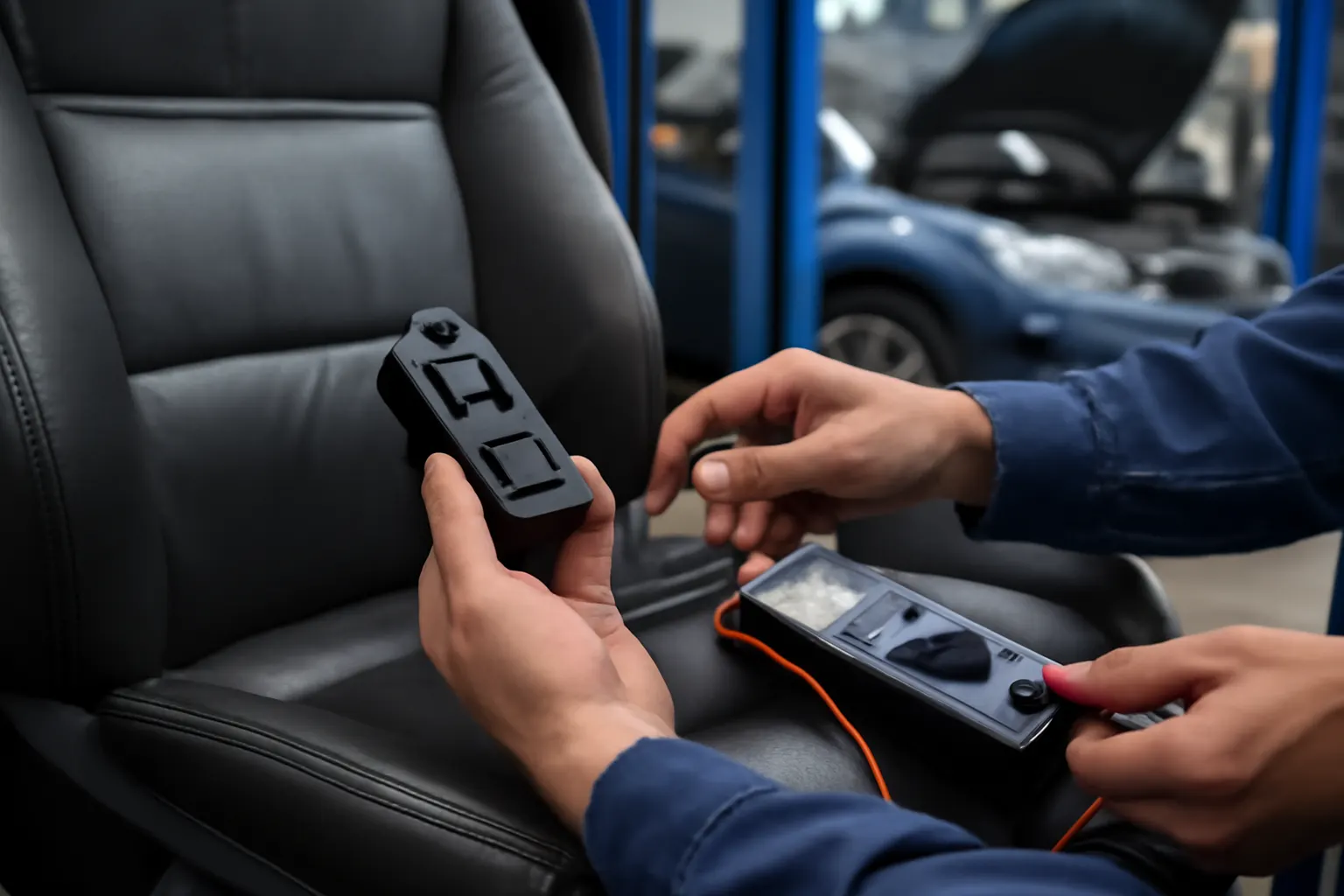
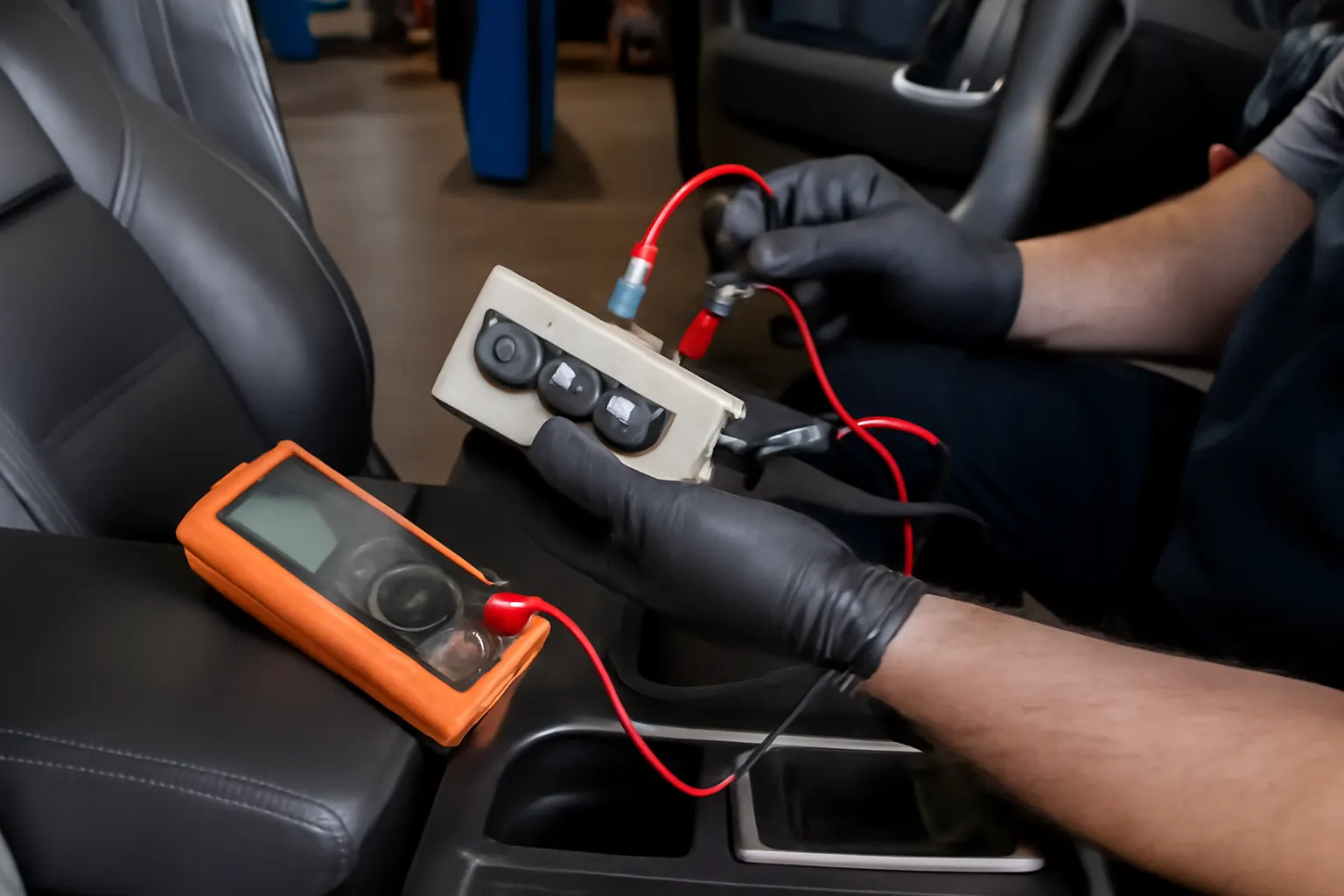
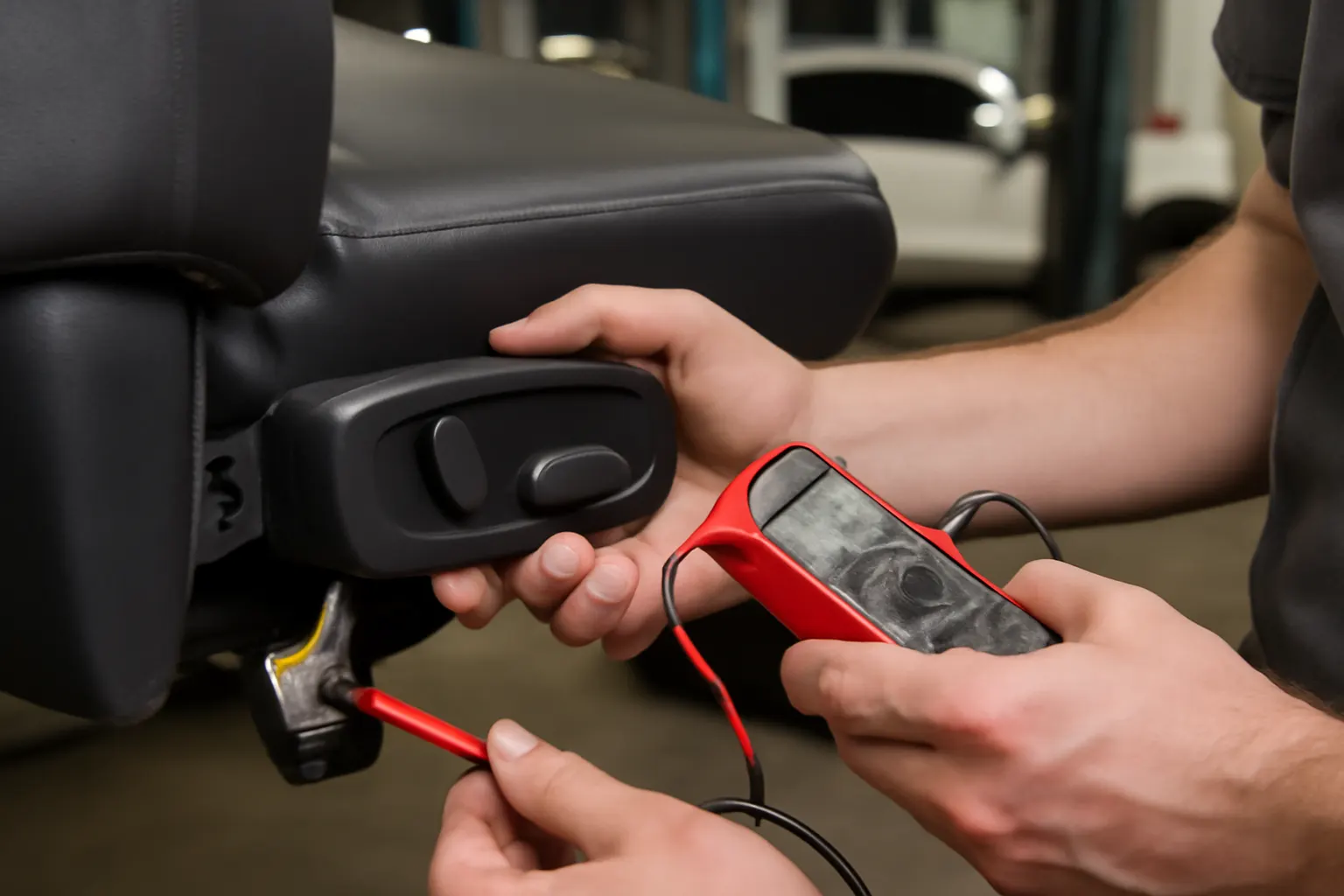
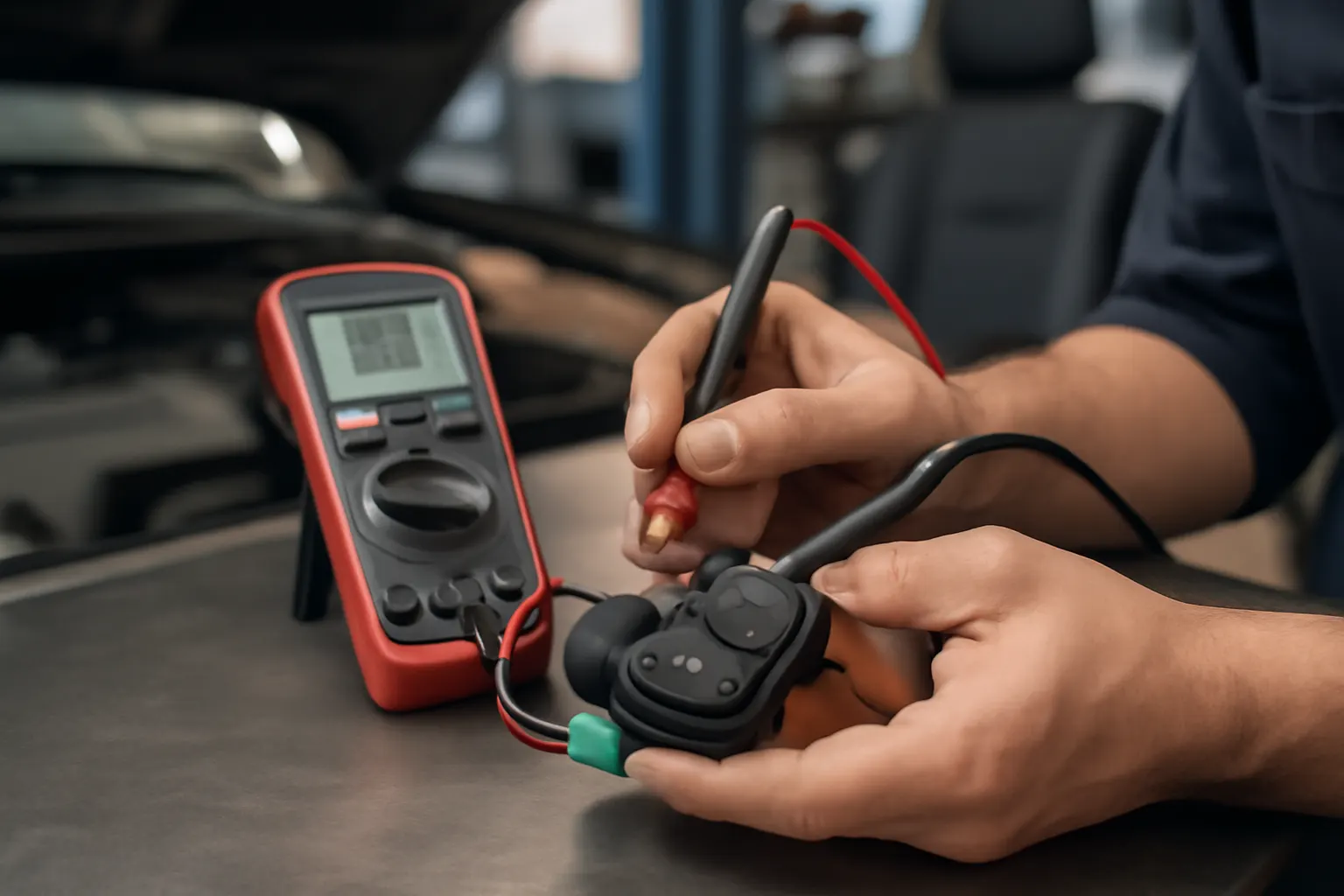
Multimeter Testing
- Test for continuity across switch terminals.
- Check for proper voltage supply and ground.
-
Scan for Diagnostic Trouble Codes (DTCs)
- Use an OBD-II scanner to check for stored codes related to the affected system.
-
Bypass/Jump Test
- Carefully bypass the switch with a jumper wire to determine if downstream components are functional.
-
Consult Vehicle Wiring Diagrams
- Identify the correct pinouts and trace circuits as needed.
-
Replace or Service as Needed
- Replace faulty switches with OEM-quality parts.
- Clean or lubricate contacts if appropriate.
Installation Guidance: Ensuring Correct Fitment and Function
Replacing a faulty switch is often straightforward, but attention to detail is critical for proper operation and safety. Here’s how to approach installation:
1. OEM vs. Aftermarket Switches
- OEM (Original Equipment Manufacturer): Ensures exact fit, correct electrical characteristics, and compatibility with vehicle systems.
- Aftermarket: May offer cost savings but can vary in quality and fitment. Always verify specifications and certifications.
2. Preparation
- Disconnect the vehicle battery to prevent accidental short circuits or airbag deployment.
- Gather appropriate tools: trim removal tools, screwdrivers, and multimeter.
3. Removal and Replacement
- Carefully remove trim panels to access the switch without damaging clips or connectors.
- Disconnect the old switch, noting the orientation and wiring.
- Install the new switch, ensuring all connectors are fully seated.
4. Testing
- Reconnect the battery and verify full operation of the switch and associated systems.
- Clear any DTCs using a scan tool.
For a detailed seat switch installation process, see our Seat Switch Installation: Step-by-Step Guide.
Maintenance Practices to Extend Switch Life
Regular maintenance can prevent premature switch failure and maintain optimal function:
- Keep Switches Clean: Dust, dirt, and liquid spills are leading causes of switch failure. Clean switches and surrounding areas regularly.
- Inspect for Wear: Periodically check for sticky or loose switches, which may indicate internal wear or contamination.
- Protect from Moisture: Use floor mats and window seals to prevent water intrusion, especially in high-traffic areas like door and seat switches.
- Gentle Operation: Avoid excessive force when using switches to prevent mechanical damage.
Sourcing Quality Switches: What to Look For
When replacing electrical switches, quality and compatibility are paramount. Consider these factors:
- Vehicle-Specific Fitment: Ensure the replacement switch matches your vehicle’s year, make, model, and trim. Use VIN lookup tools where available.
- Certifications and Standards: Look for switches that meet or exceed SAE International standards for safety and performance.
- Supplier Reputation: Buy from reputable suppliers or directly from OEM channels to avoid counterfeit or substandard parts.
- Warranty and Support: Choose parts with clear warranty terms and technical support options.
Advertisement
AutoPartEx specializes in OEM-fitment switches and provides detailed compatibility data to ensure you get the right part the first time.
The Role of Switches in Modern Vehicle Safety
Electrical switches are critical to the operation of safety systems. The National Highway Traffic Safety Administration (NHTSA) emphasizes the importance of reliable equipment in maintaining vehicle safety standards. Faulty switches can:
- Disable airbags or seatbelt pretensioners, increasing injury risk in a crash.
- Prevent activation of anti-lock brakes or stability control.
- Cause false alarms or mask real issues, leading to misdiagnosis.
Routine inspection and timely replacement of worn or damaged switches are essential to meet safety regulations and protect vehicle occupants. For more on vehicle equipment safety, see the NHTSA’s equipment page.
Electrical Switches and Vehicle Efficiency
While switches are not typically associated with fuel efficiency, their proper function supports the overall efficiency of vehicle systems. For example:
- Efficient Climate Control: Responsive HVAC switches ensure the system operates only when needed, reducing parasitic load.
- Lighting Controls: Functional switches prevent unnecessary battery drain and extend the life of lighting components.
- Smart Power Management: Modern vehicles use switches to enable power-saving modes and manage accessory loads.
According to the U.S. Department of Energy, efficient operation of vehicle subsystems contributes to overall energy savings and reduced emissions. Learn more about the relationship between efficient equipment and fuel economy on the DOE’s fuel efficiency portal.
Materials and Durability: What Sets Quality Switches Apart
The longevity and reliability of a switch depend on the materials and engineering behind it:
- Contact Materials: High-quality switches use precious metal contacts for corrosion resistance and long service life.
- Housing and Seals: Durable plastics and robust sealing prevent moisture and dust intrusion.
- Cycle Life: OEM switches are tested for tens of thousands of cycles under real-world conditions.
Advancements in materials technology, as highlighted by the Department of Energy, have improved the durability and performance of automotive electrical components. For more on materials in vehicle systems, visit the DOE’s materials technologies resource.
Advertisement
Preventing Recalls and Ensuring Compliance
Recalls due to faulty switches are not uncommon and can affect safety, reliability, and resale value. The NHTSA maintains a comprehensive database of recalls, many of which are related to defective electrical switches (e.g., power window switches causing fires, ignition switches causing stalling).
- Stay Informed: Regularly check your vehicle’s recall status using the NHTSA VIN lookup tool.
- Replace Faulty Parts Promptly: Address recall notices and replace affected switches with certified components.
- Document Repairs: Keep records of switch replacements and repairs for future reference and warranty claims.
When to Call an Expert: Recognizing Complex Switch Issues
While many switch replacements are straightforward, some symptoms indicate deeper electrical or networked system issues requiring expert attention:
- Multiple Switch Failures: Simultaneous problems in unrelated switches may signal a wiring or control module fault.
- Persistent Warning Lights: If warning indicators return after switch replacement, further diagnosis is needed.
- CAN Bus or Communication Errors: Advanced vehicles may require specialized diagnostic tools to trace networked switch issues.
Certified technicians have the tools and expertise to diagnose and repair complex electrical faults, ensuring your vehicle’s systems remain safe and functional.
AutoPartEx: Your Partner in Reliable Electrical Switch Solutions
At AutoPartEx, we know that reliable switches are the backbone of your vehicle’s safety and convenience systems. Our curated selection of OEM and high-quality aftermarket switches is backed by fitment assurance, technical support, and comprehensive guides. Whether you need a seat switch, window control, or advanced safety switch, we provide:
- Expert Fitment Data: Detailed compatibility checks based on your vehicle’s specific configuration.
- Installation Resources: Step-by-step guides and troubleshooting articles, such as our Troubleshooting Power Seat Switch Failures.
- Quality Assurance: All parts meet or exceed industry standards for performance and durability.
Explore our full range of electrical switches and accessories in the Seat Switch Replacement & OEM Fitment Guide | AutoPartEx to ensure your next repair is done right.
Conclusion: Don’t Underestimate the Power of Quality Switches
Electrical switches may seem simple, but their role in modern vehicles is foundational. From safety to comfort, their reliability determines the effectiveness of countless systems. Proactive maintenance, quality parts, and informed installation are the keys to keeping your vehicle running safely and efficiently. Trust AutoPartEx for the expertise, parts, and support you need to master every switch—beyond the seat.
References
Advertisement