Advertisement
Rear door window switches are small, often-overlooked components that play a crucial role in your vehicle’s convenience, safety, and electrical integrity. Knowing when to replace a rear door window switch can prevent frustrating malfunctions and protect your vehicle from more complex electrical problems. In this comprehensive guide, we’ll outline the key symptoms of a failing rear door window switch, explain why timely replacement is critical, and provide step-by-step advice for diagnostics, sourcing, and installation. Whether you drive a late-model sedan or a high-mileage SUV, understanding the lifecycle and maintenance needs of these switches will help ensure reliable window operation and support overall vehicle safety.
If you’re searching for OE-fitment rear door window switches or want to compare options by manufacturer and model, visit our Rear Door Window Switches: Diagnostics, Replacement & OEM Fitment | AutoPartEx category page for detailed applications and buying guidance.
Quick Answer: When Should You Replace a Rear Door Window Switch?
Replace your rear door window switch at the first sign of intermittent operation, unresponsive buttons, or inconsistent window movement—especially if cleaning electrical contacts or resetting the master switch does not restore function. Symptoms like windows that don’t respond from the rear switch but do from the master control, slow or “sticky” window action, or complete inoperability are strong indicators of switch failure. Timely replacement is essential to prevent further electrical issues, avoid passenger inconvenience, and maintain regulatory compliance with safety standards (NHTSA).
The Hidden Problem: Why Rear Door Window Switch Failure Matters
It’s easy to dismiss a malfunctioning rear door window switch as a minor annoyance. However, a faulty switch can mask deeper electrical issues, contribute to wiring harness failures, or even create safety hazards by disabling emergency egress for rear passengers. In fleet and family vehicles, inoperative rear windows can also hinder child safety features and increase driver distraction. The longer a failing switch is left unaddressed, the greater the risk of cascading electrical problems and regulatory noncompliance with vehicle safety equipment standards (NHTSA).
Understanding Rear Door Window Switch Functionality
A rear door window switch is a low-voltage electrical device integrated into the door trim. It allows rear seat occupants to control their window’s up and down movement. Most modern vehicles use a “momentary contact” switch that completes a circuit only when pressed, sending a signal to the window motor or the body control module (BCM). In many designs, these switches are networked to a master control switch at the driver’s door, which can override or lock rear window operation.
The switch’s internal contacts can degrade over time due to repeated use, exposure to moisture, or contamination from dust and spilled beverages. This wear eventually leads to intermittent or total failure. Recognizing the early warning signs is essential for timely intervention.
Common Symptoms of Rear Door Window Switch Failure
Identifying a failing rear door window switch is the first step toward a reliable fix. Here are the most common symptoms:
- Intermittent Operation: The window works only occasionally or after repeated presses.
- Unresponsive Button: Pressing the switch yields no movement or sound from the window motor.
- One-Direction Failure: The window goes up but not down (or vice versa) from the rear switch, but works from the master switch.
- Delayed Response: There is a noticeable lag between pressing the switch and window movement.
- Physical Damage: The switch feels loose, sticks, or has visible cracks.
- Electrical Arcing: Audible “clicking” or visible sparking when the switch is pressed.
If you notice any of these issues, further diagnostic steps are warranted.
Diagnostic Checklist: Is It the Switch or Something Else?
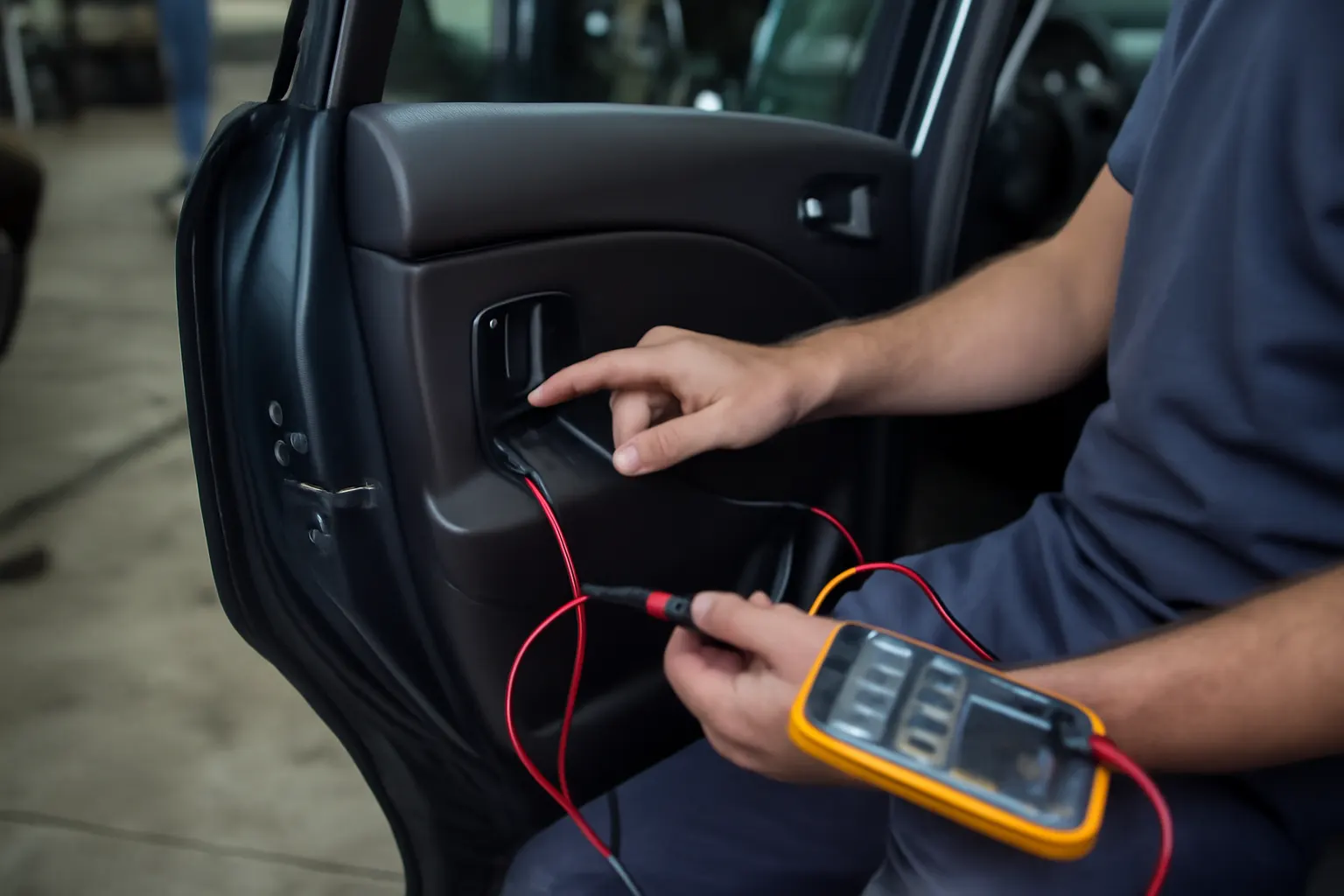
Before replacing the rear door window switch, confirm that it is the root cause of the issue—not a blown fuse, faulty window motor, or wiring fault. Use this checklist to isolate the problem:
Rear Door Window Switch Diagnostic Checklist
Advertisement
| Step | Action | Result | Next Step |
|---|---|---|---|
| 1 | Test window from rear switch | No response | Go to Step 2 |
| 2 | Test window from master (driver's) switch | Window works | Likely rear switch failure |
| 3 | Test window from both switches | No response | Check fuse, wiring, or window motor |
| 4 | Swap rear switch with known-good front switch (if compatible) | Window works | Confirmed switch failure |
| 5 | Inspect switch for debris, corrosion, or water ingress | Found contamination | Clean and retest, replace if no improvement |
| 6 | Check for audible relay click or window motor noise | No sound | Possible wiring or motor issue |
| 7 | Use a multimeter to test switch continuity | No continuity | Switch is faulty |
If these diagnostics point to the switch, replacement is the most effective solution. For more in-depth electrical troubleshooting, see our Diagnosing Power Window Switch Failures guide.
Deeper Technical Explanation: How Rear Door Window Switches Fail
Rear door window switches are subject to rigorous use and environmental exposure. Their failure modes can be traced to several technical factors:
1. Contact Wear and Oxidation
Switch contacts are thin metal plates that close the circuit when pressed. Repeated cycles cause micro-arcing, which erodes the contact surface and leads to increased resistance. Over time, this prevents sufficient current from reaching the window motor.
2. Moisture and Corrosion
Rear door switches are vulnerable to water intrusion from open windows, car washes, or spilled drinks. Moisture accelerates oxidation and can cause short circuits or intermittent operation.
3. Plastic Fatigue and Mechanical Failure
Plastic actuator arms and pivot points can crack or deform after years of use, resulting in a loose or non-functional button.
4. Circuit Board Damage
In vehicles with advanced networked window controls, the switch may contain a printed circuit board (PCB). Voltage spikes, reverse polarity, or static discharge can damage sensitive components, especially in multiplexed systems.
Understanding these failure pathways highlights the importance of both preventive maintenance and correct part selection during replacement.
Consequences of Delaying Rear Door Window Switch Replacement
Ignoring a faulty rear door window switch can have cascading effects:
- Electrical Overload: A switch with high internal resistance can overheat, risking damage to the wiring harness or BCM.
- Window Motor Damage: Repeated attempts to operate the window with a failing switch can strain the window motor or regulator.
- Safety Compliance Issues: Inoperable rear windows may violate safety standards, especially in fleet, ride-share, or child-transport vehicles (NHTSA).
- Driver Distraction: Passengers unable to control their windows may distract the driver, impacting overall vehicle safety.
- Security Risks: A stuck open window can invite theft or water damage to the interior.
Timely switch replacement is essential for maintaining both convenience and compliance.
Selecting the Right Replacement Rear Door Window Switch
Choosing the correct replacement switch is not just about fit—it’s about function, longevity, and safety. Here’s what to consider:
1. OE vs. Aftermarket Quality
Original Equipment (OE) switches are designed to match the exact specifications of your vehicle, ensuring seamless fitment and electrical compatibility. Aftermarket options can offer cost savings, but may vary in quality and longevity. For a detailed comparison, see OEM vs. Aftermarket: Rear Window Switch Comparison.
2. Vehicle Compatibility
Always verify the switch’s compatibility with your make, model, and year. Some vehicles share switch designs between front and rear doors, but many do not. Check for trim-level or feature-specific variations (e.g., child lock integration).
3. Electrical Connector Type
Inspect the connector pin count and layout. Mismatched connectors can cause installation headaches or even damage to the vehicle’s electrical system.
4. Durability and Materials
Look for switches with robust contact materials (e.g., silver alloy) and UV-resistant plastics, especially if your vehicle is frequently exposed to sunlight or moisture (DOE Materials Technologies).
Step-by-Step: How to Replace a Rear Door Window Switch
Replacing a rear door window switch is a straightforward DIY task on most vehicles. Here’s a general procedure:
Advertisement
- Disconnect the Battery: Prevent accidental short circuits by disconnecting the negative battery terminal.
- Remove Door Trim: Use a trim removal tool to carefully pry off the door panel or switch bezel. Avoid damaging clips or trim pieces.
- Unplug the Old Switch: Depress the wiring connector tab and pull gently.
- Install the New Switch: Align the connector and press firmly until it clicks into place.
- Test Operation: Reconnect the battery and verify that the window responds to both the rear and master switches.
- Reinstall Door Trim: Ensure all clips are secure and the trim fits flush.
Refer to your vehicle’s service manual for model-specific instructions. If you encounter unusual wiring or integrated child lock features, consult a professional or see our Master Control Switches and Rear Window Integration guide.
Preventive Maintenance for Rear Door Window Switches
To maximize the lifespan of your new switch and avoid repeat failures:
- Regular Cleaning: Gently clean around the switch with a dry brush or compressed air to prevent dust buildup.
- Moisture Control: Avoid operating windows during heavy rain and promptly dry any spills.
- Periodic Operation: Exercise all window switches monthly to prevent contact corrosion.
- Inspect Weather Seals: Ensure door weatherstripping is intact to block water ingress.
Routine care can extend switch life and maintain reliable window operation.
Advanced Diagnostics: When the Problem Persists
If replacing the rear door window switch does not resolve the issue, further investigation is needed. Potential causes include:
- Wiring Harness Faults: Broken or corroded wires in the door jamb can interrupt power delivery.
- Window Motor Failure: A seized or worn-out window motor will not respond, even with a new switch.
- Body Control Module (BCM) Issues: In modern vehicles, the BCM coordinates window functions. A fault here may require professional diagnostics.
- Fuse or Relay Problems: Check the vehicle’s fuse box for blown fuses or faulty relays associated with the power window circuit.
For persistent or complex issues, a professional technician with access to wiring diagrams and diagnostic tools may be necessary.
Fitment and Sourcing: Ensuring a Seamless Replacement
Accurate fitment is critical for both function and appearance. Here’s how to ensure you get the right part:
- Use VIN Lookup: Many reputable suppliers, including AutoPartEx, offer VIN-based lookup tools to match parts precisely to your vehicle.
- Compare Switch Images: Check product photos for button layout, iconography, and connector shape.
- Read Application Notes: Look for notes about trim-level compatibility, color options, and included hardware.
- Verify Return Policy: In case of misfit, ensure the supplier offers a straightforward return process.
For tailored fitment guidance by manufacturer and model, browse our Rear Door Window Switches: Diagnostics, Replacement & OEM Fitment | AutoPartEx page.
Regulatory and Safety Considerations
Rear door window switches are covered by federal vehicle safety equipment standards. Functioning power windows are essential for:
- Passenger Egress: Allowing rear passengers to exit the vehicle in an emergency.
- Child Safety: Enabling or disabling rear window operation via the master switch.
- Driver Focus: Minimizing distractions by ensuring passengers can control their own windows.
Failure to maintain operable window switches may result in noncompliance with safety regulations, especially for commercial or passenger-carrying vehicles (NHTSA Vehicle Safety and Equipment).
The AutoPartEx Advantage: Expert Support and OE-Fitment Assurance
At AutoPartEx, we understand that reliability, safety, and fitment are non-negotiable when it comes to rear door window switches. Our catalog features OE-grade and carefully vetted aftermarket switches for a wide range of makes and models, all backed by industry-leading fitment data and technical support. Whether you need a direct replacement or are comparing options for your vehicle, our team can help you navigate compatibility, installation, and maintenance questions.
For broader window switch needs, including front door and master control solutions, explore our front door window switch and Master Control Switches and Rear Window Integration resources.
Expert Action: What to Do Next
If you’re experiencing any of the warning signs outlined above, don’t delay. Use the diagnostic checklist to confirm the switch is at fault, then source a high-quality replacement matched to your vehicle’s specifications. Follow safe installation practices, and maintain the switch with regular cleaning and inspection. For persistent issues, seek professional diagnostics to rule out deeper electrical problems.
For OE-fitment rear door window switches and comprehensive technical support, AutoPartEx is your trusted partner in automotive electrical solutions.
References
- Vehicle Safety and Equipment – National Highway Traffic Safety Administration
- Materials Technologies – United States Department of Energy
- Fuel Efficiency – United States Department of Energy
Advertisement