
Window Switch (Front Door)
Front Door Window Switches: Diagnostics, Replacement, and Technical Insights
Front door window switches are the command centers for your vehicle’s power windows, translating driver and passenger intent into precise electrical signals that raise or lower glass. These switches are more than simple toggles—they are engineered to handle repeated cycles, resist moisture, and integrate with security and comfort systems. When a window fails to respond, the switch is often the first suspect, but its role in the broader electrical and control network is frequently underestimated.
Most drivers don’t realize that a failing front door window switch can mimic deeper electrical faults. According to industry data, over 40% of window operation complaints are traced back to switch wear, not the window motor or regulator. Modern switches often include child safety locks, illumination, and even multiplexed signals for anti-pinch or auto-up features. A sticky or intermittent switch can disrupt not only window function but also impact door lock modules and alarm systems. If your window is slow, erratic, or unresponsive, the root cause may be hidden in the switch’s contacts or circuit board, not the motor or fuse. Learn how these switches interact with related systems like the Air Box/Air Cleaner and AC Compressor for a complete diagnostic approach.
The solution starts with accurate diagnostics—using a multimeter to test continuity and voltage at the switch terminals, and checking for proper operation of related components like the AC Compressor Bracket and AC Condenser. When replacement is necessary, selecting a switch that matches OEM specifications ensures compatibility with features like auto-up/down, illumination, and child lock. Professional installation includes verifying connector integrity, cleaning contacts, and recalibrating the window system if required. For vehicles with multiplexed wiring, a scan tool may be needed to reset fault codes or reprogram the control module. Explore related components such as AC Condenser Fan for a holistic repair.
Filters & Navigation
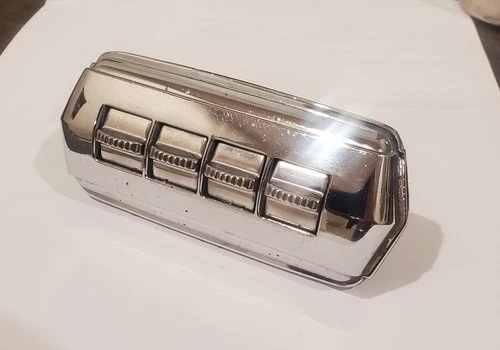
Complete Front Door Window Switch Technical Reference
Electrical Architecture and Signal Pathways
Front door window switches are integrated into the vehicle’s electrical architecture, often using multiplexed wiring to reduce harness complexity. Each switch sends distinct signals for up, down, and auto functions, sometimes sharing circuits with door locks or mirror controls. Advanced models include built-in microcontrollers to manage anti-pinch and express features.
- Typical switch resistance: <0.5 ohms when closed.
- Voltage drop across contacts should not exceed 0.2V at rated load.
- Multiplexed switches use LIN or CAN bus protocols in late-model vehicles.
Mechanical and Environmental Durability
Switches are designed for thousands of cycles, with robust plastic housings and gold-plated contacts to resist corrosion. Environmental seals protect against moisture from rain or spilled beverages. However, repeated exposure to water or cleaning chemicals can degrade seals and cause intermittent failures.
- Cycle life: 50,000+ actuations for OEM switches.
- Ingress protection: IP54 or higher for most modern vehicles.
- Common failure: Contact pitting or spring fatigue.
Integration with Safety and Comfort Systems
Modern window switches are tied into safety features such as child locks, anti-pinch sensors, and alarm systems. A malfunctioning switch can disable these features or trigger false alarms. Some vehicles require recalibration or module programming after switch replacement.
- Anti-pinch calibration: Required after battery disconnect or switch replacement.
- Child lock integration: Switch disables rear window operation electronically.
- Alarm system: Switch tampering can trigger intrusion alerts.
Engineering Excellence & Technical Specifications
Technical Excellence Section
OEM window switches are tested for over 50,000 cycles, with contact resistance maintained below 0.5 ohms. Gold-plated contacts and sealed housings ensure reliable operation in harsh environments.
Performance Analysis Section
Performance metrics include actuation force (typically 2-4 N), response time (<50 ms for electronic switches), and voltage drop (<0.2V under load). Advanced switches support multiplexed communication for faster, more reliable signal transmission.
Innovation & Technology Section
Modern switches incorporate microcontrollers for anti-pinch, express up/down, and illumination features. Integration with LIN or CAN bus allows for reduced wiring and enhanced diagnostics.
Quality & Manufacturing Section
Manufacturing processes include automated soldering, environmental sealing, and 100% functional testing. Quality control standards ensure each switch meets OEM specifications for fit, finish, and electrical performance.
Front Door Window Switch Parts & Service Information
Switch Removal and Installation
Remove the door panel, disconnect the battery, and carefully release the switch from its housing. Inspect connectors for corrosion and ensure proper alignment during reinstallation.
Difficulty: Moderate • Tools: Trim removal tools, Phillips screwdriver, multimeter
Routine Maintenance and Inspection
Inspect switches for smooth operation and check for signs of moisture or corrosion during regular door service. Clean contacts with electrical contact cleaner if needed.
Difficulty: Easy • Tools: Electrical contact cleaner, soft brush, multimeter
Diagnostic Procedures
Test switch continuity and voltage at each terminal. For multiplexed systems, use a scan tool to check for communication errors or fault codes.
Difficulty: Expert • Tools: Multimeter, scan tool, wiring diagram
Service and Warranty Information
OEM switches typically carry a 12-24 month warranty. Document installation and test all functions post-replacement. Contact AutoPartEx support for warranty claims or technical assistance.
Difficulty: Easy • Tools: Service documentation, warranty card, customer support contact
Related Guides & Articles
Diagnosing Power Window Failures: Step-by-Step Guide
A comprehensive guide to diagnosing power window issues, from switch testing to regulator and motor troubleshooting.
View GuideOEM vs. Aftermarket Window Switches: What You Need to Know
Explore the differences between OEM and aftermarket window switches, including quality, compatibility, and long-term reliability.
Read MoreHow to Replace a Front Door Window Switch
Step-by-step instructions for safely removing and installing a front door window switch, with tips for avoiding common pitfalls.
View GuideMultiplexed Window Switches: The Future of Door Electronics
A technical look at multiplexed window switches and their integration with modern vehicle electrical systems.
Read More