Advertisement
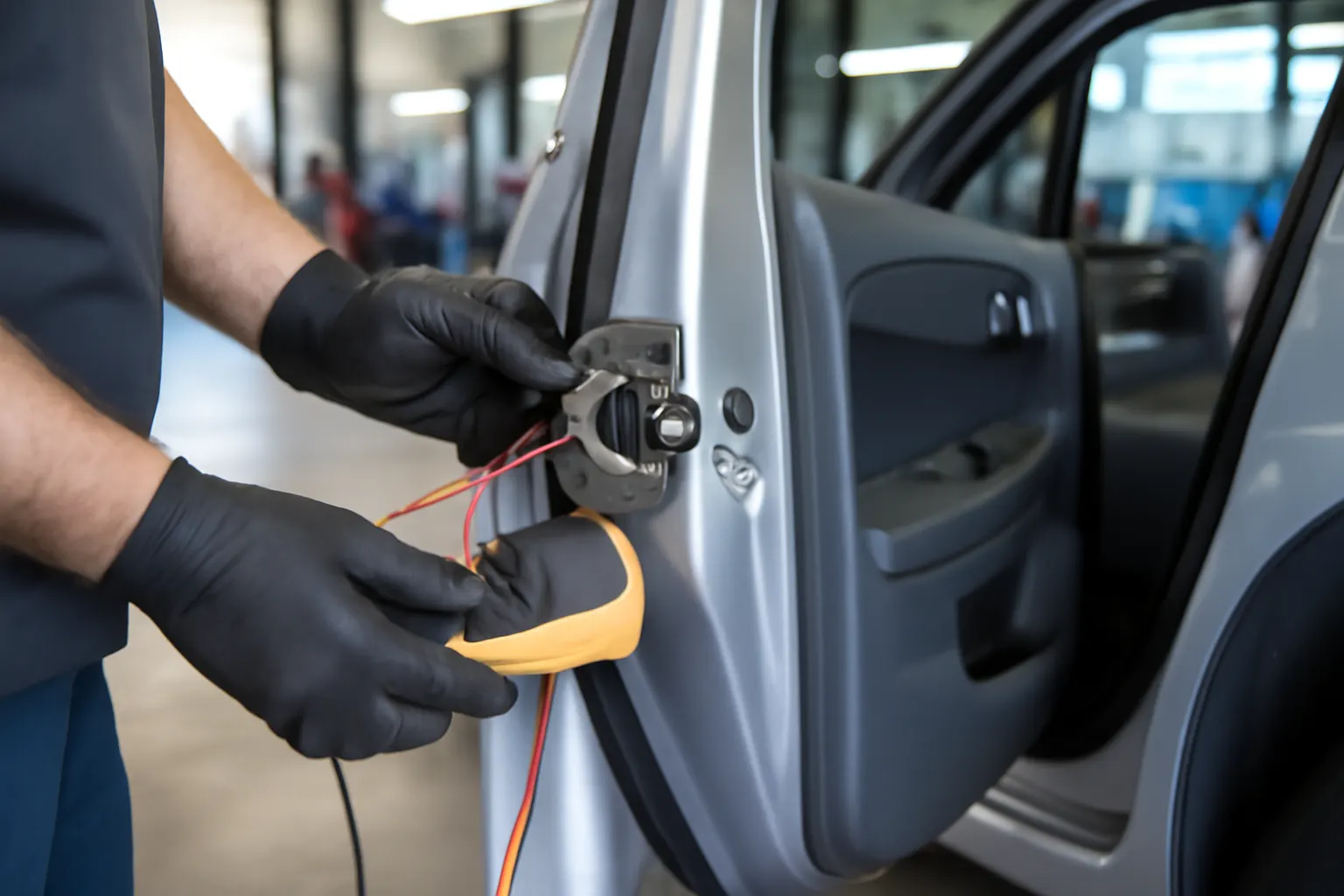
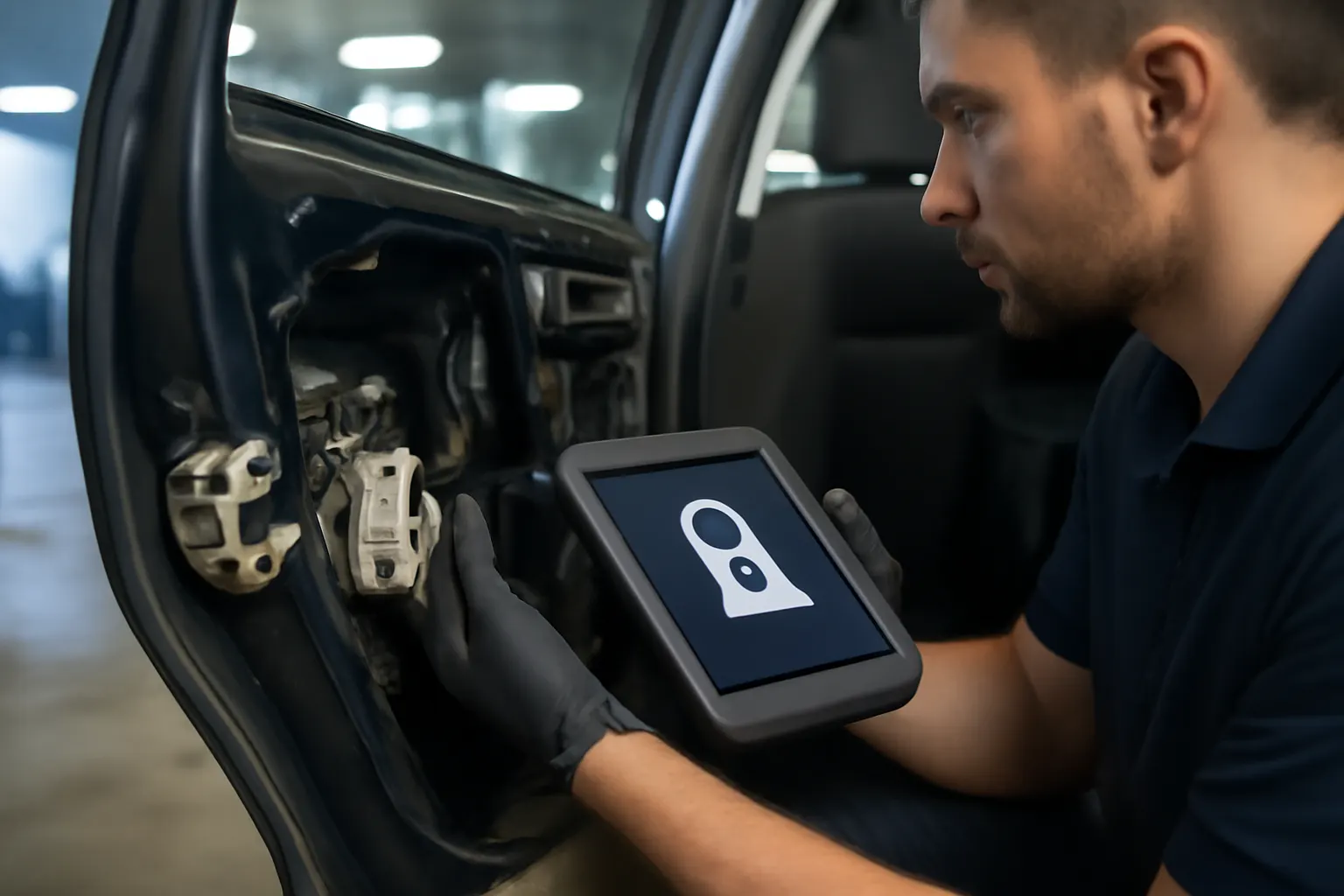
Rear door latches are more than simple mechanical fasteners—they are a frontline defense in modern vehicle security. The evolution of rear door latch design has dramatically influenced how vehicles resist theft, protect occupants, and comply with ever-tightening safety standards. In this article, we’ll break down how rear door latch engineering shapes security outcomes, why overlooked latch vulnerabilities can become security liabilities, and how the latest designs integrate with advanced anti-theft systems. We’ll also provide practical guidance for diagnosing, sourcing, and maintaining high-security rear door latches. For a deep dive into latch system categories, see our Rear Door Latch Systems: Security, Safety, and Precision Engineering page.
The Immediate Answer: Why Rear Door Latch Design Matters for Security
Rear door latch systems are critical to vehicle security because they directly prevent unauthorized access to the vehicle’s cabin and cargo area. Modern latches are engineered to withstand forced entry, resist tampering, and integrate with electronic anti-theft systems. A robust rear door latch design:
- Increases resistance to prying, picking, and forced manipulation.
- Supports child safety locks and emergency release mechanisms.
- Interfaces with central locking, alarm, and immobilizer systems.
- Meets or exceeds regulatory safety standards for occupant protection.
Choosing a vehicle or replacement latch with advanced design features significantly reduces theft risk and increases occupant safety.
The Hidden Problem: Latch Weaknesses as Security Liabilities
While the front doors often receive attention for security upgrades, rear door latches are frequently overlooked by both owners and thieves. This oversight creates a hidden vulnerability, as rear latches may be less robust or outdated compared to front door mechanisms. Thieves often target rear doors, exploiting weak latch housings, simple locking cams, or exposed rods to gain entry quickly and quietly.
Common hidden problems include:
- Outdated latch designs lacking anti-tamper features.
- Plastic components that can be easily forced or broken.
- Poor integration with modern electronic security systems.
- Wear and tear leading to decreased latch engagement strength.
Unless regularly inspected and upgraded, rear door latches can become the weakest link in a vehicle’s security chain.
Evolution of Rear Door Latch Technology
From Simple Cams to Complex Mechatronics
Rear door latches have evolved from basic mechanical cam-and-lever assemblies to complex mechatronic systems. Early designs relied on simple metal hooks and springs, which could be forced open with basic tools. Over the decades, manufacturers have introduced:
- Hardened steel housings to resist drilling and prying.
- Double- or triple-stage locking mechanisms.
- Enclosed latch modules to prevent access to linkage rods.
- Integrated sensors for door-ajar detection and alarm triggers.
Electronic Integration
Modern latches often include electric actuators, position sensors, and communication with the vehicle’s body control module (BCM). This integration enables features like remote locking, alarm arming, and real-time security monitoring. As anti-theft technology advances, rear door latches have become a critical interface between mechanical and electronic vehicle security systems.
How Latch Design Interfaces with Anti-Theft Systems
Mechanical and Electronic Synergy
A secure rear door latch does not operate in isolation. It is part of a broader anti-theft ecosystem, including:
- Central locking systems.
- Alarm sensors (shock, movement, or door-ajar).
- Immobilizers that prevent ignition if unauthorized entry is detected.
Modern latch modules often include micro-switches that signal the BCM when the door is opened or tampered with. If the latch is forced or bypassed, this triggers the alarm, disables the starter, or locks down other vehicle systems.
Fail-Safe Features
Some advanced latches include anti-slam and anti-jam features, ensuring that the door cannot be closed and locked if the latch is not fully engaged. This prevents partial latching, which could be exploited to bypass the lock.
Advertisement
Regulatory Standards and Compliance
NHTSA and SAE Requirements
Rear door latches must meet stringent safety and security standards, such as those set by the National Highway Traffic Safety Administration (NHTSA) and SAE International. Key requirements include:
- Minimum force resistance to prevent forced entry.
- Child safety lock mechanisms.
- Emergency egress capability from inside the vehicle.
- Durability and corrosion resistance over the vehicle’s lifespan.
Failure to comply can result in recalls and legal liability for manufacturers. For details on recalls and equipment standards, see the NHTSA Equipment and NHTSA Recalls resources.
Impact on Insurance and Resale Value
Vehicles with substandard or recalled latch systems may face higher insurance premiums and reduced resale value. Security ratings often consider latch design and integration with anti-theft systems.
Common Latch Failure Modes and Security Risks
Mechanical Wear and Tear
Over time, latch components can wear out, especially in high-use fleet or family vehicles. Common failure points include:
- Worn pawls or cams leading to insufficient engagement.
- Broken springs causing incomplete locking.
- Corroded latch housings reducing strength.
Electronic Malfunctions
Latch-integrated sensors and actuators can fail due to electrical issues, moisture intrusion, or wiring faults. Symptoms include:
- Doors not locking or unlocking reliably.
- False alarm triggers.
- Inaccurate door-ajar warnings.
These failures not only inconvenience owners but also create exploitable security gaps.
Diagnosing Rear Door Latch Security Weaknesses
A systematic approach is essential to identify and address rear door latch vulnerabilities. Use this checklist to evaluate your vehicle’s latch security:
Rear Door Latch Security Diagnostic Checklist
| Task | What to Check | Why It Matters |
|---|---|---|
| Visual Inspection | Check for damage, corrosion, or loose mounting bolts. | Physical wear can reduce latch strength. |
| Manual Operation | Open and close the door, test lock/unlock function. | Sticking or incomplete engagement signals wear/failure. |
| Electronic Test | Activate central locking, check for response and alarm triggers. | Confirms proper integration with anti-theft systems. |
| Tamper Test | Lightly pry or manipulate the latch area (without damage). | Reveals susceptibility to forced entry techniques. |
| Child Lock Function | Engage/disengage child safety lock. | Ensures safety and prevents unauthorized rear access. |
| Emergency Egress | Test inside emergency release. | Confirms compliance with safety standards. |
If any step fails, further inspection or replacement may be required. For a step-by-step troubleshooting guide, see Diagnosing Door Latch Failures: Step-by-Step.
Materials and Engineering: The Backbone of Latch Security
Material Selection
The strength and longevity of a rear door latch depend heavily on material choice. High-security latches use:
- Hardened steel or alloy for resistance to cutting and prying.
- Corrosion-resistant coatings for durability.
- Reinforced polymers in non-structural areas for weight reduction.
Material advancements, as highlighted by the U.S. Department of Energy, have enabled lighter yet stronger latch assemblies, improving both security and fuel efficiency.
Precision Manufacturing
Tight manufacturing tolerances ensure that latch components fit securely and resist manipulation. Poorly manufactured or aftermarket latches with loose tolerances can be easier to bypass or fail prematurely.
Integration with Modern Vehicle Architectures
Body Control Modules (BCMs) and CAN Bus
Rear door latches in modern vehicles are often networked via the Controller Area Network (CAN) bus and managed by the BCM. This enables:
- Centralized locking/unlocking commands.
- Real-time monitoring of latch status.
- Automated alarm and immobilizer activation.
Smart Key and Passive Entry Systems
Advanced latches work in tandem with smart key systems, allowing for keyless entry and ignition. If the latch is tampered with while the system is armed, the vehicle may lock down, sound an alarm, or send an alert to the owner’s smartphone.
Upgrading and Replacing Rear Door Latches for Enhanced Security
When to Upgrade
Consider upgrading your rear door latches if:
- Your vehicle is more than 10 years old and lacks electronic integration.
- The latch is visibly worn, corroded, or loose.
- You have experienced a break-in or attempted theft.
- You are upgrading your central locking or alarm system.
Advertisement
Sourcing Secure Replacement Latches
When replacing a rear door latch, ensure the new part:
- Is OEM or high-quality aftermarket, meeting or exceeding SAE and NHTSA standards.
- Includes anti-tamper features, such as shielded rods and reinforced housings.
- Integrates with your vehicle’s electronic security systems.
For installation tips, see Replacing Rear Door Latches: Tools and Tips.
Installation and Fitment Guidance
DIY vs. Professional Installation
While many rear door latches can be replaced with basic tools, integration with electronic systems may require advanced skills. Consider the following:
- Mechanical-only latches: Often DIY-friendly, requiring screwdrivers, pliers, and patience.
- Mechatronic latches: May necessitate scan tools for system initialization or BCM programming.
Installation Steps Overview
- Disconnect the battery to prevent electrical shorts.
- Remove the door trim and vapor barrier.
- Unbolt and disconnect the old latch (mechanical linkages and electrical connectors).
- Install the new latch, ensuring all rods and connectors are secure.
- Reassemble the door and test all functions (locking, alarm, emergency release).
Incorrect installation can result in malfunction or reduced security. If in doubt, consult a qualified technician.
Maintenance Strategies to Maximize Latch Security
Regular Inspection and Lubrication
- Inspect latches every 12 months for signs of wear, corrosion, or damage.
- Lubricate moving parts with a manufacturer-approved lubricant to prevent sticking or premature wear.
- Test all electronic features (locking, alarm, child safety) after maintenance.
Addressing Water Ingress and Rattles
Water leaks and rattles can accelerate latch wear and reduce security. Ensure door seals are intact and promptly repair any water ingress. For tips, see Preventing Rear Door Rattles and Water Leaks.
Recognizing and Responding to Recall Notices
Staying Informed
Manufacturers periodically issue recalls for latch defects that could compromise security or safety. To protect your vehicle:
- Check your VIN against the NHTSA Recalls Database annually.
- Respond promptly to recall notices—repairs are typically free at authorized dealers.
- Keep records of all latch-related repairs and upgrades.
Ignoring recall notices can leave your vehicle vulnerable and may impact insurance coverage.
Buying Guide: Choosing the Right Rear Door Latch for Security
Key Features to Look For
- Multi-stage locking: Prevents partial engagement and forced bypass.
- Reinforced housings: Hardened steel or alloy for maximum strength.
- Integrated electronics: Compatibility with alarms and central locking.
- Child safety locks: Essential for family vehicles.
- Emergency release: Meets safety regulations for occupant escape.
Where to Buy
- OEM parts from authorized dealers ensure fitment and compliance.
- Certified aftermarket suppliers may offer enhanced security features and materials.
- Avoid generic or unbranded latches, which may not meet safety or security standards.
The AutoPartEx Advantage: Securing Your Vehicle with Precision
At AutoPartEx, we understand that rear door latch systems are not just small components—they are critical to your vehicle’s overall security and safety. Our curated selection of rear door latches meets or exceeds industry standards, ensuring you get the right fit, performance, and peace of mind. Our technical resources, such as the Rear Door Latch Systems: Security, Safety, and Precision Engineering category, help you make informed decisions whether you’re upgrading for security or replacing a worn-out latch.
Our expert guides, diagnostic checklists, and maintenance tips empower vehicle owners and technicians to prevent security lapses before they happen. If you have questions about fitment, compatibility, or installation, our technical support team is ready to assist.
Expert Action: Steps to Secure Your Rear Door Latches Today
- Inspect your rear door latches for wear, corrosion, or outdated design.
- Test all locking and electronic functions regularly.
- Upgrade to a modern, high-security latch if your current system is lacking.
- Respond to recall notices and replace defective latches promptly.
- Maintain your latches with regular lubrication and inspection.
A secure vehicle starts with robust rear door latch design and proactive maintenance. Don’t let a hidden vulnerability compromise your safety or your vehicle’s value—act today to ensure your rear doors are as secure as your front line of defense.
References
Advertisement