Advertisement
Rear door latch systems are far more than simple mechanical closures—they are a critical barrier between your vehicle’s interior and the outside world. Modern rear door latch design is a frontline defense against theft, unauthorized access, and even accidental opening during a collision. As materials, electronics, and anti-theft technologies advance, understanding the impact of rear door latch design on vehicle security is essential for both automotive professionals and everyday drivers. This article explores the evolution, engineering, and maintenance of rear door latches, revealing how their design choices directly contribute to your vehicle’s overall security profile.
If you’re seeking a deep dive into latch technologies or considering upgrades and replacements, start with our Rear Door Latch Systems: Security, Safety, and Precision Engineering category for expert guidance and premium part sourcing.
The Immediate Answer: Rear Door Latch Design as a Security Backbone
The rear door latch is one of the most overlooked, yet vital, elements of vehicle security. Its design determines how well your vehicle resists forced entry, how it integrates with central locking and alarm systems, and even how it performs in crash scenarios. Modern latches use a combination of robust mechanical components and advanced electronics to ensure that rear doors stay locked when needed, open smoothly when intended, and resist tampering from would-be thieves.
Key Security Roles of Rear Door Latch Design:
- Physical Barrier: Strong latch mechanisms prevent prying, jimmying, and brute-force entry.
- Electronic Integration: Many rear latches now work with keyless entry, alarms, and immobilizers.
- Crash Safety: Secure latches prevent doors from opening in collisions, protecting occupants.
The Hidden Problem: Evolving Threats and Latch Vulnerabilities
Despite technological progress, rear door latches remain a target for thieves and a potential weak point if neglected or poorly designed. As anti-theft systems grow more sophisticated, so do the methods used to bypass them. Older vehicles with basic latches are especially vulnerable to forced entry, while even newer models can face issues due to latch wear, electronic faults, or manufacturing defects.
Common Vulnerabilities:
- Aging and Wear: Mechanical fatigue can reduce latch strength, making forced entry easier.
- Electronic Failures: Faulty actuators or wiring leave doors unlocked or unresponsive.
- Design Flaws: Some latches are easier to manipulate with slim jims or lock-picking tools.
- Recalls and Defects: Poorly designed latches may be subject to safety recalls, posing both security and safety risks.
Ignoring these hidden problems can turn your rear door latch from a security asset into a liability.
Engineering Evolution: From Simple Catches to Smart Latch Systems
The rear door latch has evolved from a basic metal catch to a sophisticated component at the intersection of mechanical engineering, materials science, and electronics. Understanding this evolution helps explain why modern latches are more secure—and what can still go wrong.
Early Mechanical Latches
Traditional latches relied on robust steel hooks and plates, actuated by manual levers or rods. While simple and durable, these designs were vulnerable to physical manipulation and offered little resistance to determined thieves.
Central Locking and Power Latches
The introduction of central locking systems brought the first wave of electronic integration. Electric actuators allowed all doors to lock or unlock simultaneously, improving convenience and security. However, early systems were prone to actuator failures and could sometimes be defeated by accessing exposed rods within the door cavity.
Smart and Anti-Theft Latch Technologies
Today’s high-security latches often feature:
- Reinforced housings and tamper-resistant fasteners.
- Shielded linkages to prevent slim jim attacks.
- Integration with alarm systems, immobilizers, and even GPS tracking.
- Child safety locks and crash sensors for occupant protection.
These advances have raised the bar for thieves but also increased the complexity of diagnosis and repair.
Advertisement
Security Standards and Regulatory Requirements
Rear door latch systems are governed by stringent safety and security standards. In the U.S., the National Highway Traffic Safety Administration (NHTSA) sets requirements for latch strength, child safety, and crashworthiness. Additionally, international standards from SAE International specify performance, materials, and testing protocols to ensure that latches resist both forced entry and accidental release.
Key Regulatory Focus Areas:
- Latch Strength: Must withstand defined pulling forces.
- Crash Performance: Latches must remain engaged during collisions.
- Child Safety: Rear latches must support child lock features.
- Recall Protocols: Defective latches are subject to mandatory recalls, which are tracked and enforced by NHTSA.
For details on current standards, see Vehicle Safety and Equipment and SAE Standards.
Technical Anatomy: How Modern Rear Door Latches Work
A rear door latch system typically consists of:
- Latch Mechanism: The heart of the system, with a pawl and catch that engage when the door closes.
- Lock Cylinder or Actuator: Either a manual key cylinder or an electric actuator for locking and unlocking.
- Linkages and Cables: Connect internal and external handles to the latch.
- Electronic Sensors: Monitor latch position and communicate with the vehicle’s body control module.
- Child Safety Lock: A manual or electronic switch that disables the interior handle.
Operation Sequence:
- Door closes, compressing the latch pawl into the catch.
- Locking mechanism (manual or electronic) secures the pawl, preventing release.
- Unlocking (via key, remote, or central locking) retracts the pawl, allowing the door to open.
The integration of sensors and actuators allows the latch to interact with alarm systems, immobilizers, and even passive entry/start features.
Security Weak Points: Diagnosing and Addressing Latch Failures
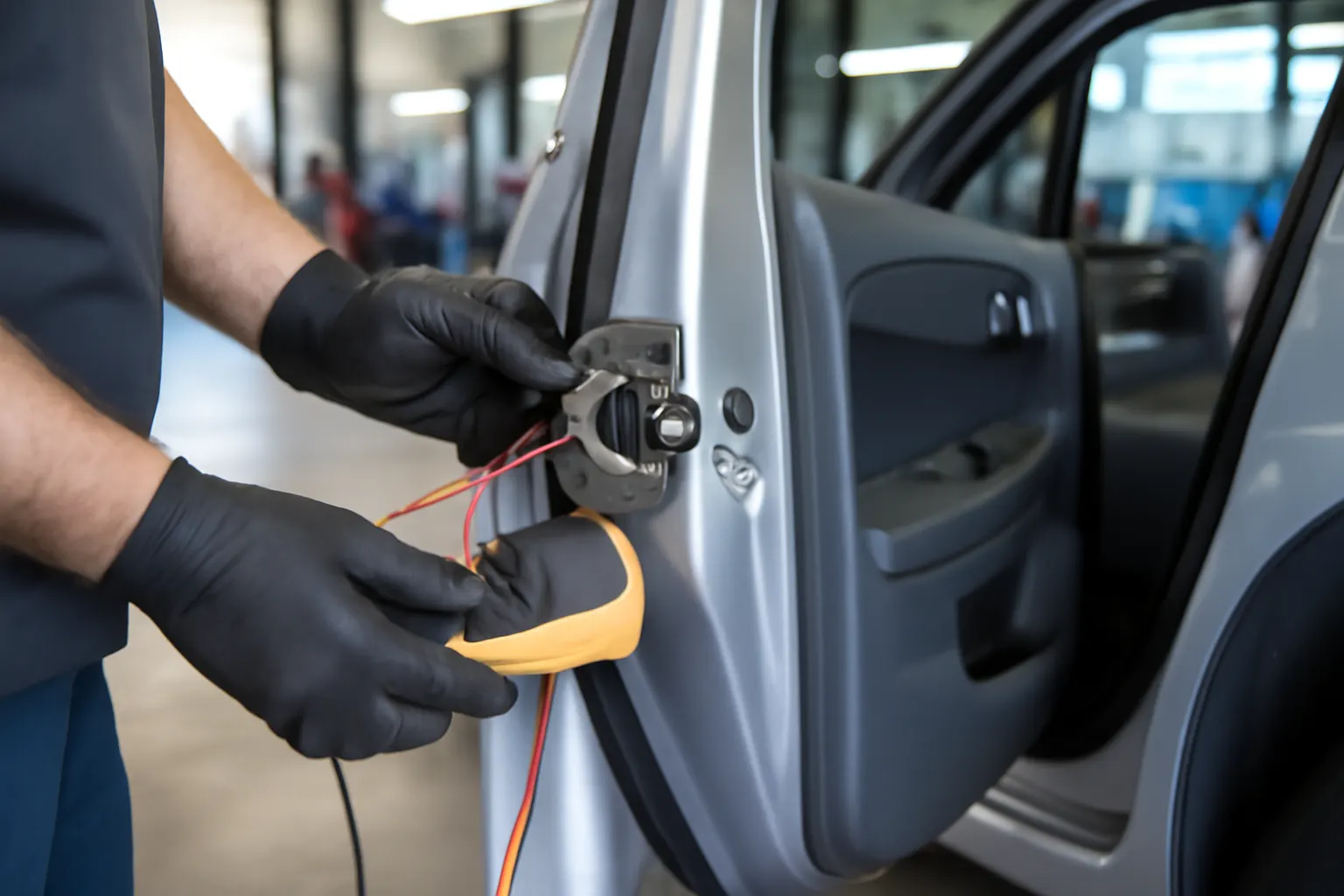
Even the best-designed rear door latch can become a security risk if it malfunctions. Common failure modes include:
- Latch Sticking: Dirt, corrosion, or lack of lubrication causes the pawl to stick, preventing proper locking.
- Actuator Failure: Electric actuators can fail due to wiring faults or worn motors, leaving the door unlocked.
- Handle or Linkage Wear: Excessive play in handles or linkages can make the latch easier to force open.
- Sensor Malfunction: Faulty sensors may fail to trigger alarms or indicate an unlocked status.
Latch Security Diagnostic Checklist
Use this checklist to assess the security of your rear door latch:
| Inspection Point | What to Look For | Action if Problem Found |
|---|---|---|
| Latch Engagement | Door fully closes and latches securely | Adjust or replace latch |
| Lock/Unlock Function | Responds to key/remote/central locking | Diagnose actuator or linkage |
| Handle Resistance | Feels solid, no excessive play | Inspect and tighten/replace handle/linkage |
| Child Lock Operation | Engages/disengages as intended | Repair or replace child lock mechanism |
| Physical Security | No visible signs of tampering or damage | Replace latch and inspect for intrusion |
| Sensor Feedback | Alarm and dashboard show correct status | Diagnose sensor or wiring |
For a deeper diagnostic guide, see Diagnosing Door Latch Failures: Step-by-Step.
Materials Matter: The Role of Advanced Alloys and Polymers
Latch strength and resistance to tampering depend heavily on materials selection. Modern rear door latches use a mix of high-strength steel, zinc alloys, and engineered polymers to balance durability, weight, and corrosion resistance.
- High-Strength Steel: Used for pawls and catches, resists deformation under force.
- Zinc/Aluminum Alloys: Offer corrosion resistance and precision casting for complex shapes.
- Reinforced Polymers: Used for housings and linkages to reduce weight without sacrificing strength.
Advances in materials technologies, such as those outlined in Materials Technologies, allow for lighter yet stronger latches, which also contribute to overall vehicle fuel efficiency.
Electronic Integration: The Double-Edged Sword
While electronic actuators and sensors have enhanced latch security, they also introduce new vulnerabilities. Hackers have demonstrated ways to bypass keyless entry systems, and electronic failures can leave doors unlocked or inoperable.
Best Practices for Electronic Latch Security:
Advertisement
- Ensure firmware and software updates are applied to address known vulnerabilities.
- Regularly test all door lock/unlock functions—including rear doors—using both physical keys and remote systems.
- Monitor for warning lights or error codes related to door locks.
If you experience intermittent or unresponsive locking, it may indicate actuator or control module issues requiring professional diagnosis.
Recalls and Defect Risks: Staying Informed and Protected
Rear door latches are frequently the subject of manufacturer recalls due to security or safety concerns. Typical recall triggers include:
- Latch mechanisms that fail to remain latched in a crash.
- Electronic actuators that intermittently fail, leaving doors unlocked.
- Child safety locks that do not engage properly.
Owners should regularly check for recalls affecting their vehicle using the NHTSA recall database. Prompt recall repairs are critical to maintaining both security and occupant safety.
Upgrading or Replacing Rear Door Latches: What to Look For
If your rear door latch is worn, malfunctioning, or outdated, upgrading can significantly enhance security. When sourcing a replacement, consider:
- OEM vs. Aftermarket: OEM latches are designed to original specifications, while premium aftermarket options may offer enhanced security or materials.
- Compatibility: Ensure the latch fits your vehicle’s make, model, and year—consult fitment guides or ask an expert.
- Security Features: Look for reinforced housings, tamper-resistant fasteners, and compatibility with central locking/alarm systems.
- Installation Complexity: Some latches require specialized tools or programming; review installation guides before purchase.
For detailed replacement procedures and tool recommendations, see Replacing Rear Door Latches: Tools and Tips.
Maintenance and Longevity: Keeping Your Latch Secure
Routine maintenance is essential for rear door latch longevity and security. Neglected latches are more prone to sticking, corrosion, and mechanical failure.
Maintenance Tips:
- Lubricate latch mechanisms annually with a high-quality, non-gumming lubricant.
- Inspect for signs of rust, wear, or damage during routine vehicle checks.
- Test lock/unlock and child safety lock operation regularly.
- Address any resistance, sticking, or unusual noises immediately.
Preventative maintenance not only extends latch life but also ensures your vehicle’s security features remain effective.
Preventing Rear Door Rattles, Water Leaks, and Security Compromises
A poorly sealing or rattling rear door is more than an annoyance—it can signal latch misalignment or wear that compromises both security and weather resistance.
Prevention Strategies:
- Adjust latch and striker alignment if the door does not close flush.
- Replace worn weatherstripping to prevent water ingress.
- Inspect for loose fasteners or play in the latch mechanism.
For more on this topic, read Preventing Rear Door Rattles and Water Leaks.
The AutoPartEx Advantage: Sourcing Secure Rear Door Latch Solutions
At AutoPartEx, we understand that rear door latches are a linchpin of vehicle security. Our curated selection includes OEM and high-grade aftermarket latches engineered for tamper resistance, robust locking, and seamless integration with modern anti-theft systems. Whether you’re restoring a classic or upgrading a late-model vehicle, our fitment tools and expert support ensure you get the right latch for your application.
Explore the full range and technical guidance in our Rear Door Latch Systems: Security, Safety, and Precision Engineering section.
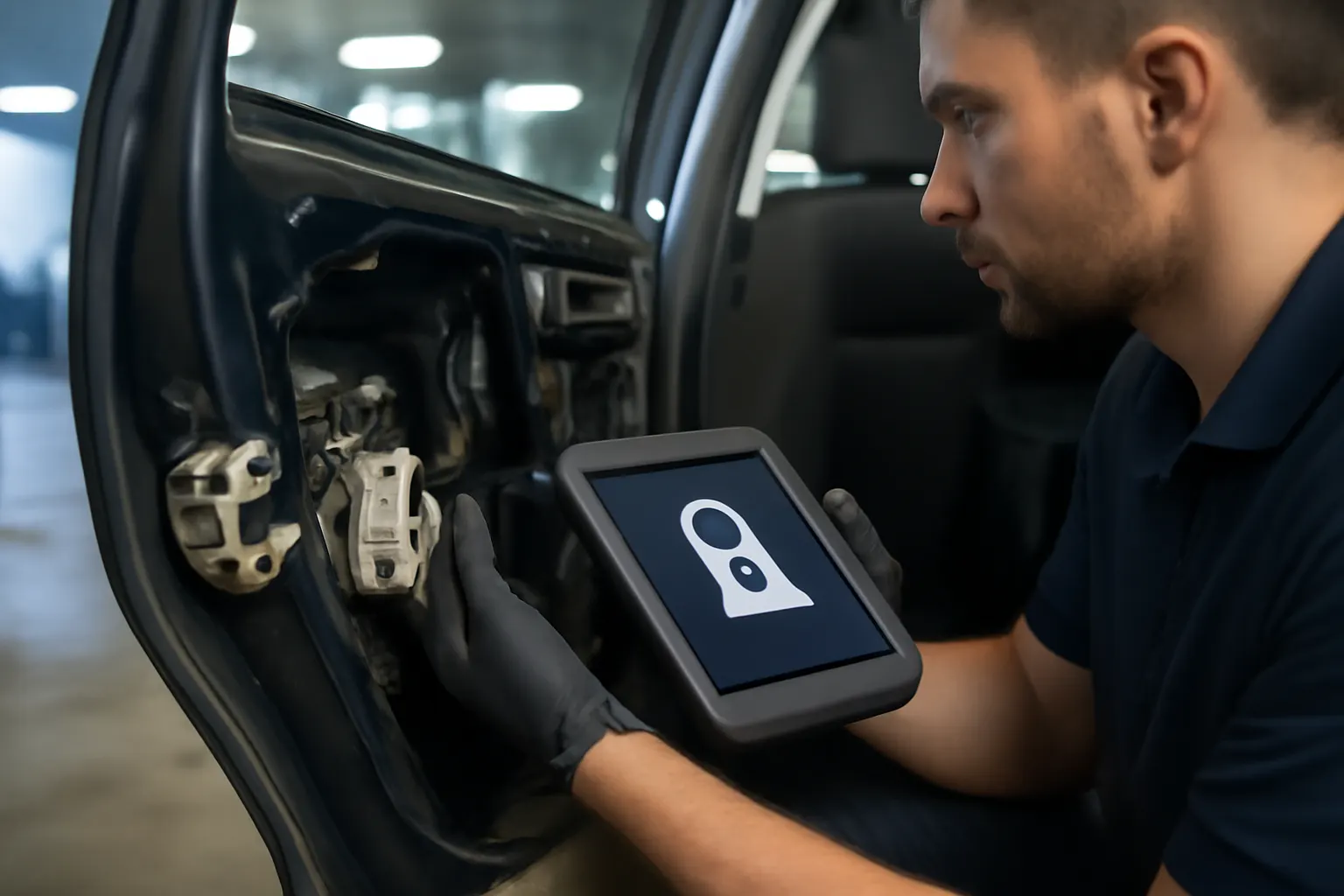
When to Seek Professional Help: Recognizing Complex Latch Issues
While many latch issues can be diagnosed or even repaired by skilled DIYers, certain symptoms signal the need for professional intervention:
- Electronic latch modules that require reprogramming or replacement.
- Doors that refuse to open, even with manual override.
- Evidence of attempted theft or severe mechanical damage.
Certified automotive technicians have the tools and expertise to safely diagnose, repair, or replace complex latch assemblies and ensure your vehicle’s security systems are fully functional.
Conclusion: Security Starts at the Latch
Rear door latch design is a cornerstone of modern vehicle security. Advances in materials, electronics, and engineering have made today’s latches more robust than ever, but vigilance is still required. Regular inspection, timely maintenance, and prompt attention to recalls or malfunctions are essential to keeping your vehicle—and everything inside—safe.
For the latest in secure, precision-engineered latch systems, rely on AutoPartEx for quality parts, technical resources, and expert support at every step.
References
- Vehicle Safety and Equipment – National Highway Traffic Safety Administration
- Vehicle, Car Seat, Tire, and Equipment Recalls – National Highway Traffic Safety Administration
- Materials Technologies – United States Department of Energy
- SAE Standards – SAE International
- Fuel Efficiency – United States Department of Energy
Advertisement