Advertisement
Rear door rattles and water leaks are among the most frustrating—and avoidable—issues for vehicle owners. Addressing these problems starts with understanding the pivotal role rear door latch systems play in maintaining cabin comfort, structural integrity, and vehicle safety. Proper latch maintenance and timely intervention can eliminate annoying noises, prevent costly water damage, and ensure your ride remains secure and quiet for years. This guide delivers actionable solutions, technical insights, and a comprehensive checklist to help you diagnose, prevent, and resolve rear door rattles and water leaks—before they become major headaches.
If you’re looking for a deep dive into latch systems and their engineering, visit our Rear Door Latch Systems: Security, Safety, and Precision Engineering category page for more technical resources.
Why Rear Door Rattles and Water Leaks Demand Immediate Attention
Annoying rattles and unexpected water intrusion are more than minor irritations—they signal underlying issues that can affect your vehicle’s safety, comfort, and resale value. Rear door latches are engineered not just for security, but for precise alignment and sealing. When these components fail or degrade, the results can be persistent noise, interior damage, and even compromised occupant safety.
The Immediate Impact
- Noise Distraction: Rattles can make every drive unpleasant, especially on rough roads.
- Water Damage: Even minor leaks can result in soaked carpets, electrical faults, and mold growth.
- Safety Risk: A poorly secured door may not protect occupants in an accident, and leaks can obscure rear visibility.
Addressing these issues quickly preserves your vehicle’s value and ensures a safe, comfortable driving experience.
The Hidden Problem: Latch Degradation and Seal Failure
Most owners focus on obvious culprits like worn weatherstripping or loose trim, but rear door rattles and leaks often start with subtle latch misalignment or internal latch wear. Modern rear door latches are complex assemblies designed to keep the door tightly shut, align body panels, and maintain a weather-tight seal. Over time, small shifts in latch position, wear on internal components, or corrosion can break this critical chain, leading to both rattles and water ingress.
How Latch Issues Trigger Rattles and Leaks
- Micro-Movements: Worn or misaligned latches allow the door to shift slightly while driving, producing rattles.
- Seal Compression: If the latch doesn’t pull the door tightly against the seal, water can seep in during rain or a car wash.
- Latch Mechanism Wear: Internal play in the latch assembly can both reduce security and amplify noise.
Ignoring these problems can accelerate wear on adjacent components, multiplying repair costs.
Expanding the Problem: Consequences of Neglect
Unchecked rattles and water leaks are more than a nuisance—they compromise your vehicle’s long-term reliability, safety, and even fuel efficiency.
Safety and Structural Risks
- Reduced Crash Protection: A door that doesn’t latch securely may open or deform in a collision, risking occupant ejection or injury. The National Highway Traffic Safety Administration (NHTSA) emphasizes latch integrity as a core safety standard.
- Corrosion and Mold: Persistent leaks foster rust in door frames and mold in carpets, both of which are costly to remediate.
- Electrical Damage: Many modern vehicles route wiring through door panels; leaks can short out locks, windows, or speakers.
Economic and Comfort Impacts
- Decreased Resale Value: Water stains and rattling doors are red flags to used-car buyers and dealers.
- Increased Noise: Rattles degrade the perceived quality of your vehicle, making even short trips unpleasant.
- Fuel Efficiency: While less obvious, air and water leaks can disrupt cabin aerodynamics, slightly impacting overall fuel efficiency.
How Rear Door Latch Systems Are Engineered for Security and Sealing
To appreciate why latch maintenance matters, it helps to understand how rear door latch systems are engineered. Modern latches are not just simple hooks—they are precision mechanisms that combine mechanical, structural, and sometimes electronic components.
Advertisement
Key Engineering Features
- Multi-Stage Latching: Most rear doors use a primary and secondary latch to ensure redundancy and tight closure.
- Alignment Guides: Integrated alignment pins or wedges help position the door for consistent sealing.
- Weather Seals: The latch’s pull force is calibrated to compress the door seal evenly, blocking water and noise.
- Corrosion-Resistant Materials: Components are often zinc-coated or made from stainless steel to resist rust.
For more on engineering standards, see SAE Standards.
Diagnosing Rear Door Rattles: Step-by-Step
Pinpointing the source of a rear door rattle requires a methodical approach. While some noises originate from trim or loose objects, latch-related rattles have distinct characteristics.
Checklist: Diagnosing Rear Door Rattles
- Listen for Patterns:
- Rattle occurs only when driving? Check for latch play.
- Noise present when closing/opening? Inspect latch engagement.
- Check Door Movement:
- With the door closed, gently push and pull the door. Any movement indicates possible latch or striker wear.
- Inspect Latch Alignment:
- Look for uneven gaps between the door and body.
- Check if the door sits flush with adjacent panels.
- Test Latch Operation:
- Open and close the door slowly. It should latch smoothly with a solid “click.”
- If the door requires extra force or doesn’t latch easily, internal wear is likely.
- Examine Seals and Weatherstripping:
- Compressed, torn, or missing seals can allow movement and noise.
- Check for Loose Fasteners:
- Inspect latch mounting bolts and striker screws for tightness.
If you need a more detailed guide, see our Diagnosing Door Latch Failures: Step-by-Step.
Detecting and Tracing Water Leaks in Rear Doors
Water leaks can be elusive, sometimes appearing far from their true source. A systematic inspection helps identify whether the latch, seal, or door structure is to blame.
Common Leak Entry Points
- Latch/Striker Area: Misaligned latches break the seal at the door edge.
- Weatherstripping: Cracked or flattened seals fail to block water.
- Door Drain Holes: Blocked drains allow water to pool and overflow into the cabin.
- Window Seals: Leaks at the glass can channel water down to the latch area.
Leak Detection Steps
- Visual Inspection:
- Look for water trails, stains, or rust near the latch and lower door edge.
- Hose Test:
- With the door closed, run water over the latch and window area. Check for drips inside.
- Talcum Powder Method:
- Dust the door seal with powder before spraying water; leaks leave a visible trail.
- Check for Dampness:
- Feel carpets and door trim for moisture after rain or washing.
Persistent leaks usually point to a failed latch seal or misalignment, not just aging weatherstripping.
Key Causes of Rear Door Latch-Related Rattles and Leaks
Understanding what leads to latch-related issues will help you prevent them.
Main Culprits
- Wear and Tear: Years of repeated use can loosen internal latch components.
- Corrosion: Moisture and road salt accelerate rust, especially in climates with harsh winters.
- Misalignment: Minor impacts, slammed doors, or body flex can shift the latch or striker.
- Improper Repairs: Aftermarket or DIY repairs without proper adjustment often leave latches out of spec.
Signs of Trouble
- Door feels loose even when shut
- Door requires extra force to latch
- Visible rust or debris around latch
- Water marks or stains near latch mechanism
Preventive Maintenance for Rear Door Latch Systems
Routine inspection and maintenance are crucial for preventing both rattles and leaks. A few minutes of attention each season can save hours of repairs and hundreds in damage.
Maintenance Checklist
- Lubricate Latch Mechanism: Use a silicone-based spray or manufacturer-approved lubricant every 6-12 months to keep moving parts smooth.
- Inspect and Tighten Fasteners: Check latch and striker bolts for tightness. Use a torque wrench to manufacturer specifications.
- Clean Weatherstripping: Wipe seals with a damp cloth and mild soap. Avoid petroleum-based cleaners that degrade rubber.
- Check for Corrosion: Spray rust-prone areas with a light anti-corrosion spray, especially after winter.
- Test Door Closure: Ensure the door closes firmly and evenly, with no extra play.
Advertisement
Seasonal Reminders
- Inspect after winter for salt-induced corrosion.
- Check after any bodywork or accident for proper alignment.
- Lubricate before rainy seasons to ensure weather-tight closure.
Adjusting and Repairing Rear Door Latches
If diagnostics reveal a latch or alignment issue, prompt adjustment or replacement is essential.
Basic Adjustment Steps
- Align the Striker:
- Loosen striker bolts slightly.
- Move the striker plate in small increments to achieve even door gaps.
- Retighten to specified torque.
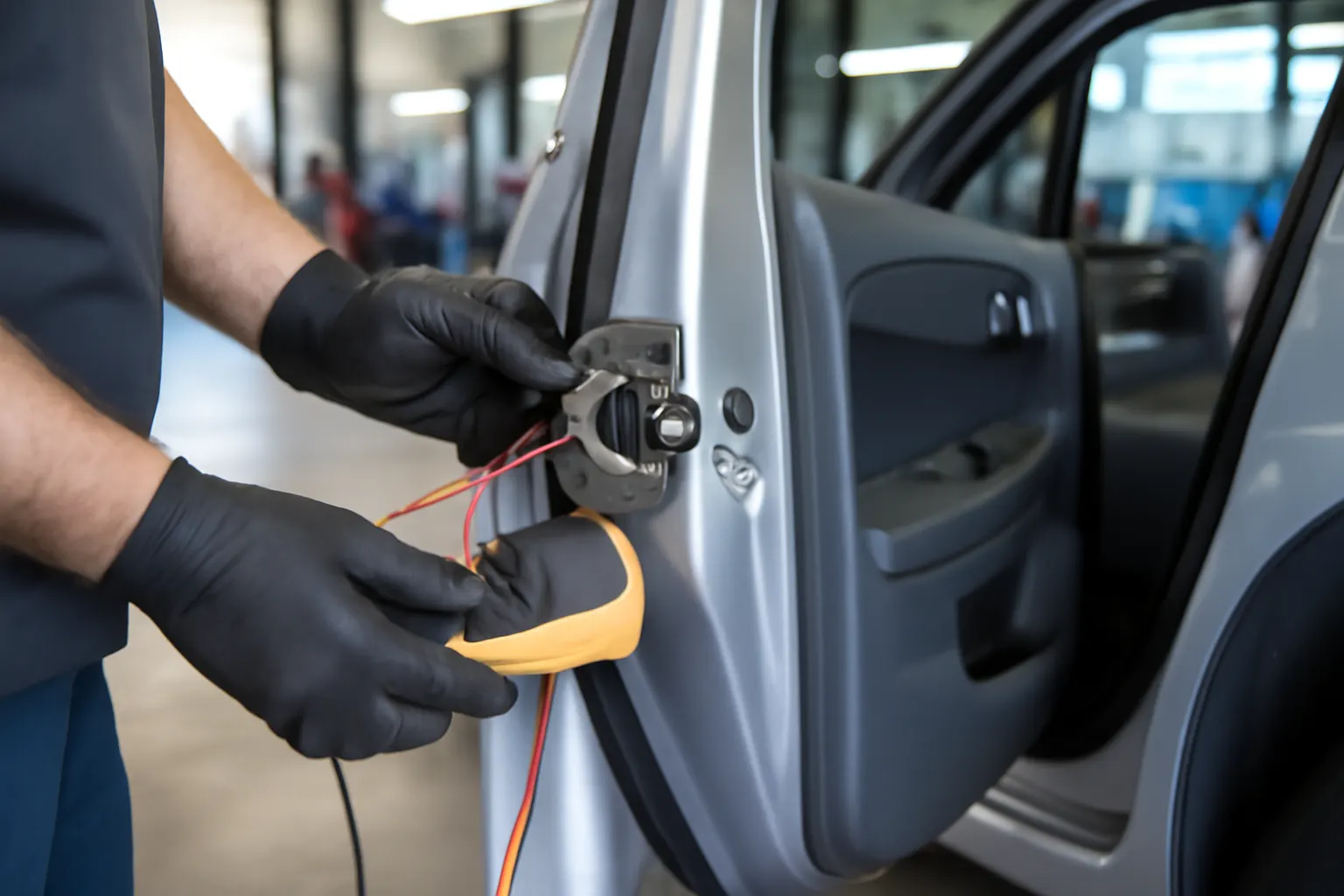
- Replace Worn Latch Assemblies:
- Remove inner door trim to access the latch.
- Disconnect linkages and electrical connectors.
- Install new latch, ensuring proper engagement.
- Test for Proper Fit:
- Close the door and check for flush alignment, smooth operation, and secure latching.
- Perform a hose test to confirm water tightness.
For a detailed guide on replacement, visit Replacing Rear Door Latches: Tools and Tips.
Selecting Quality Replacement Latches and Seals
Not all latches and seals are created equal. Choosing OEM or high-quality aftermarket parts ensures lasting results.
What to Look For
- OEM or Certified Aftermarket: Look for parts that meet or exceed SAE Standards.
- Corrosion-Resistant Materials: Zinc or stainless steel construction resists rust.
- Precision Fit: Accurate tolerances prevent misalignment and ensure a snug seal.
- Warranty and Certification: Reputable brands offer warranties and compliance with NHTSA safety standards.
Where to Source
- Authorized Dealers: Guarantee OEM fit and finish.
- Trusted Online Suppliers: Ensure parts are certified and returnable if not compatible.
The Role of Materials and Engineering in Latch Performance
The longevity and effectiveness of a rear door latch system depend heavily on the materials and engineering behind each component.
Material Advances
- High-Strength Steels: Used for critical latch components to resist deformation and wear.
- Polymer Coatings: Reduce friction and protect against moisture.
- Composite Seals: Modern seals combine rubber and synthetic materials for better durability and flexibility.
For more on how material choices impact automotive performance, see Materials Technologies.
Engineering Standards
- SAE and OEM Specifications: Ensure latches withstand repeated cycles, temperature extremes, and impact forces.
- Testing Protocols: Latches are subjected to vibration, water ingress, and salt-spray tests to verify durability.
When to Consider Professional Help
While many latch and seal issues can be addressed by a skilled DIYer, certain situations call for professional expertise.
Seek a Pro If:
- The door won’t close or latch at all.
- Water leaks persist after replacing seals and adjusting the latch.
- There’s visible structural damage to the door or body.
- The vehicle is under recall for latch-related issues (check the NHTSA recall database).
Professional technicians have specialized tools and alignment jigs to ensure perfect fitment and sealing—critical for both safety and comfort.
AutoPartEx: Your Partner in Rear Door Latch Solutions
AutoPartEx is dedicated to precision-engineered solutions for rear door latch systems. Whether you’re sourcing OEM-quality latches, premium weatherstripping, or need expert guidance on diagnostics and repair, our curated catalog and technical resources ensure you get the right fit for your vehicle. Explore our Rear Door Latch Systems: Security, Safety, and Precision Engineering page for in-depth guides, product recommendations, and the latest in latch technology.
Extending the Life of Your Rear Door Latch System
To maximize the lifespan and performance of your rear door latch system, adopt a proactive approach:
- Inspect and maintain regularly.
- Address rattles and leaks at the first sign.
- Choose quality parts and follow technical guidelines.
By investing a little time and attention, you can avoid costly repairs, maintain a quiet and comfortable cabin, and ensure your vehicle’s doors provide the security and protection they were engineered for.
For more about how latch design impacts safety and vehicle security, see our editorial on How Rear Door Latch Design Impacts Vehicle Security.
References
- Vehicle Safety and Equipment – National Highway Traffic Safety Administration
- Fuel Efficiency – United States Department of Energy
- SAE Standards – SAE International
- Materials Technologies – United States Department of Energy
- Vehicle, Car Seat, Tire, and Equipment Recalls – National Highway Traffic Safety Administration
Advertisement