
Latch, Rear Door
Rear Door Latch: Selection, Issues, and Reliable Replacement
Rear door latches play a subtle but critical role in vehicle safety and comfort. Many owners overlook their importance until a problem arises, such as difficulty opening or closing the door, rattling, or water leaks. Understanding the signs of latch wear, how to assess replacement options, and what evidence supports your next steps can help you make a confident, informed decision when issues occur.
Showing 0–0 of 0 products
No Products Found
Try adjusting your filters or click "Clear All" to start over.
More Latch, Rear Door options
Filtering for Latch, Rear DoorBrowse nearby inventory for this category without leaving the page. Use search to filter by price, part number, or city.
No Data Available
Please check back soon when more inventory is available for this part.
Rear Door Latch: Selection, Issues, and Reliable Replacement
Why Rear Door Latch Health Is Easy to Overlook
Most vehicle owners rarely think about their rear door latches until a problem interrupts their daily routine. Unlike more visible parts such as tires or headlights, latches are hidden inside the door structure, quietly performing their job every time the door is opened or closed. This invisibility often leads to a lack of regular inspection, despite the latch’s crucial role in both safety and comfort. Over time, neglecting these components can result in inconvenient or even hazardous situations, especially if a latch fails unexpectedly.
Another reason rear door latches are overlooked is that their early warning signs can be subtle. A door that requires a bit more force to close, a faint rattle when driving over bumps, or minor resistance when unlocking may not immediately register as a problem. These minor annoyances are easy to dismiss, but they often signal the beginning of latch wear or misalignment. Without attention, these symptoms can progress to outright failure, leaving the door stuck shut or unable to close securely.
Additionally, many drivers assume that as long as the door appears to function, the latch must be fine. However, the latch mechanism is subject to repeated stress, temperature changes, and occasional exposure to moisture. Over time, internal components can corrode, seize, or wear down, leading to compromised security and potential water leaks. Recognizing the importance of rear door latches—and knowing when to investigate further—can save time, money, and frustration down the road.

Recognizing and Understanding Rear Door Latch Problems
Rear door latch issues can manifest in a variety of ways, each with its own implications for safety and convenience. One common symptom is a door that refuses to open from either the inside or outside, which can be caused by a broken latch mechanism or a disconnected linkage. Alternatively, a door that won’t stay closed or pops open unexpectedly points to a worn or misaligned latch. These problems not only disrupt daily use but also pose safety risks, especially if the door opens while driving.
Rattling noises from the rear door are another frequent complaint. While some rattles may be due to loose trim or hardware, a failing latch is often the culprit. As the latch mechanism wears, it can develop excess play, allowing the door to move slightly even when closed. This not only creates noise but can also allow water or dust to enter the cabin, leading to further complications such as corrosion or interior damage. Persistent rattling should prompt a closer inspection of the latch and surrounding components.
Water leaks around the rear door are sometimes traced back to the latch assembly. If the latch does not hold the door tightly against the weatherstripping, gaps can form, allowing water to seep in during rain or car washes. Over time, this moisture can damage the door’s interior, promote mold growth, and even affect electronic components housed within the door. Addressing latch issues early can prevent these secondary problems from developing.
Diagnosing latch problems can be challenging, as the symptoms often overlap with other door-related issues. For example, a misaligned door hinge or worn weatherstripping can mimic the effects of a failing latch. To accurately identify the source of the problem, it’s important to observe the door’s operation closely, noting any resistance, unusual noises, or changes in how the door aligns with the body. Systematic troubleshooting can help isolate the latch as the root cause.
In some cases, rear door latch problems may be linked to manufacturing defects or design flaws. While these are less common, they can result in widespread issues across certain models or production years. Vehicle manufacturers may issue recalls or service bulletins to address such defects, offering free repairs or replacements. However, not all latch problems are covered by recalls, and owners must rely on careful inspection and informed decision-making to resolve most issues.
Owners should also be aware that rear door latch failures can compromise vehicle security. A latch that does not engage properly may allow unauthorized access or make the vehicle more vulnerable to theft. For families with young children, a faulty latch can defeat child safety locks, increasing the risk of accidental door opening. These safety considerations highlight the importance of maintaining latch integrity and addressing problems promptly.
Practical Steps for Diagnosing and Replacing Rear Door Latches
When rear door latch issues arise, a systematic approach to diagnosis can help pinpoint the problem and determine the best course of action. Begin by observing how the door operates: does it close securely, open smoothly, and stay latched during driving? Listen for unusual noises like rattling or clicking, and check for any visible misalignment between the door and the body. These initial observations can reveal whether the latch or another component is at fault. For a step-by-step guide, see Diagnosing Door Latch Failures: Step-by-Step.
If you suspect a latch problem, remove the interior door panel to access the mechanism. Inspect the latch for signs of wear, corrosion, or broken parts. Check that the linkage rods are securely connected and that the latch moves freely when operated manually. If the latch appears damaged or seized, replacement is usually the most reliable solution. Be sure to compare the failed part with a replacement to confirm compatibility and design similarities.
Choosing a replacement rear door latch involves several considerations. First, verify the part number and ensure the new latch matches your vehicle’s year, make, and model. Some latches are unique to specific trim levels or body styles, so cross-reference your VIN or consult a trusted parts catalog. If possible, compare the replacement latch to the original, checking mounting points, connector locations, and overall dimensions. For more on selection, see Latch, Rear Door.
Installation requires basic hand tools and patience. Begin by disconnecting the battery if your latch includes electrical connections, such as for power locks or child safety features. Remove any fasteners securing the latch, then carefully maneuver it out of the door cavity. Install the new latch in reverse order, ensuring all linkages and connectors are reattached securely. Test the door’s operation before reinstalling the interior panel. For detailed tips, refer to Replacing Rear Door Latches: Tools and Tips.
After installation, check the door’s alignment and weatherstripping to ensure a tight seal. Adjust the striker plate if necessary to eliminate rattles or gaps. Test all locking and child safety functions to confirm proper operation. If the door still exhibits issues, double-check the installation and inspect related components such as hinges or seals. Persistent problems may require professional adjustment or further diagnosis.
Preventive maintenance can extend the life of your new latch. Periodically lubricate the latch mechanism with a suitable spray, especially before winter or after exposure to moisture. Check for signs of rust or debris buildup, and address any minor issues promptly. Regular inspection can catch developing problems early, reducing the risk of sudden failure or costly repairs. For advice on preventing related issues, see Preventing Rear Door Rattles and Water Leaks.
When comparing replacement latches, consider the source and quality of the part. New OEM latches typically offer the best fit and longevity, but high-quality aftermarket or remanufactured options can provide reliable performance at a lower cost. Salvage latches from recycled vehicles are also available, but inspect them carefully for wear or damage before installation. Always request a written estimate and repair order, as recommended by the FTC: Auto Repair Basics.
If you encounter uncertainty during diagnosis or installation, don’t hesitate to seek professional help. Technicians experienced with your vehicle’s make and model can provide valuable insight and ensure a proper repair. For expensive or complex repairs, consider obtaining a second opinion or estimate. Document all work performed and retain receipts for future reference, especially if warranty coverage or future resale value is a concern.
What the Evidence and Official Guidance Show
The NHTSA: Vehicle Recalls resource outlines the process for identifying and addressing safety-related defects in vehicle components, including rear door latches. Owners can use their vehicle identification number (VIN) to check for open recalls that may affect their specific model. If a recall is issued for a latch defect, manufacturers are required to notify owners and provide a free remedy—typically repair or replacement. However, the NHTSA database does not list recalls for every vehicle or part, and not all latch issues are covered. This means that while recall information is valuable, it does not guarantee that a particular rear door latch problem is recognized or remedied by the manufacturer.
According to the NHTSA, recall searches by VIN provide the most accurate information about unrepaired safety defects for a specific vehicle. General searches by year, make, and model yield broader results, including investigations and complaints, but do not confirm that your vehicle is affected. The NHTSA also notes that some recalls may not appear if they have already been repaired or if the recall is more than 15 years old. For ultra-luxury or specialty vehicles, recall coverage may be limited. This underscores the importance of regular inspection and proactive maintenance, as not all latch issues will be addressed through official channels NHTSA: Vehicle Recalls.
The NHTSA’s recall process relies on owner complaints to identify potential safety defects. If multiple owners report similar latch failures, the agency may investigate and, if warranted, recommend a recall. Until such action is taken, owners are responsible for monitoring their vehicle’s condition and seeking repairs as needed. This process highlights the value of documenting symptoms and repair attempts, which can aid both personal troubleshooting and potential future investigations. However, the NHTSA does not provide technical repair procedures or endorse specific replacement parts.
The FTC: Auto Repair Basics document offers general guidance for consumers facing auto repairs, including those involving rear door latches. The FTC recommends obtaining a written estimate that details the condition to be repaired, the parts required, and anticipated labor charges. For complex or costly repairs, seeking a second opinion is advised. This guidance supports a careful, transparent approach to latch replacement, helping consumers avoid unnecessary expenses and ensuring clarity regarding the work performed.
The FTC also distinguishes between new, remanufactured, and salvage parts. Salvage latches, for example, are sourced from other vehicles and may show signs of prior use. Consumers are encouraged to compare part options, understand any warranties offered, and request documentation of all repairs. This approach helps ensure that the chosen latch meets performance and safety expectations. However, the FTC does not provide vehicle-specific technical specifications or endorse particular brands or sellers FTC: Auto Repair Basics.
Neither the NHTSA nor the FTC offers data on failure rates, repair costs, or the performance of specific rear door latch models. Instead, their guidance emphasizes owner vigilance, documentation, and informed decision-making. For vehicle owners, this means relying on careful inspection, comparison of part options, and adherence to manufacturer maintenance schedules. If a latch problem is suspected, following published diagnostic steps and consulting professional technicians can help ensure a reliable repair.
In summary, the available evidence from regulatory agencies supports a proactive, evidence-based approach to rear door latch issues. Owners should use official recall resources to check for known defects, follow consumer protection advice when selecting and installing replacement parts, and document all repair activities. While no single source provides comprehensive technical guidance for every vehicle, combining these resources with hands-on inspection and professional expertise offers the best path to a secure and functional rear door latch.
Take the Next Step Toward a Secure Rear Door
If your rear door shows signs of latch trouble, don’t wait for the problem to escalate. Begin by reviewing official recall information and consulting trusted repair guides. Compare replacement options carefully, and seek professional assistance if needed. By staying proactive and informed, you’ll help ensure your vehicle’s safety, comfort, and long-term reliability. For more details or to browse available parts, visit our Latch, Rear Door catalog today.
References
- NHTSA: Vehicle Recalls
- FTC: Auto Repair Basics
References
- NHTSA: Vehicle Recalls - NHTSA, accessed 2026-11-01
- FTC: Auto Repair Basics - FTC, accessed 2026-11-01
Related Guides & Articles

Diagnosing Door Latch Failures: Step-by-Step
Rear door latch problems can compromise both the safety and security of your vehicle, often manifesting as doors that won’t close, open, or lock properly. Immediate action—diagnosis and repair—prevents further damage, protects passengers, and ensures compliance with safety standards. This guide delivers a step-by-step approach to diagnosing rear door latch failures, covering both mechanical and electronic systems, and is grounded in industry standards and best practices.
View Guide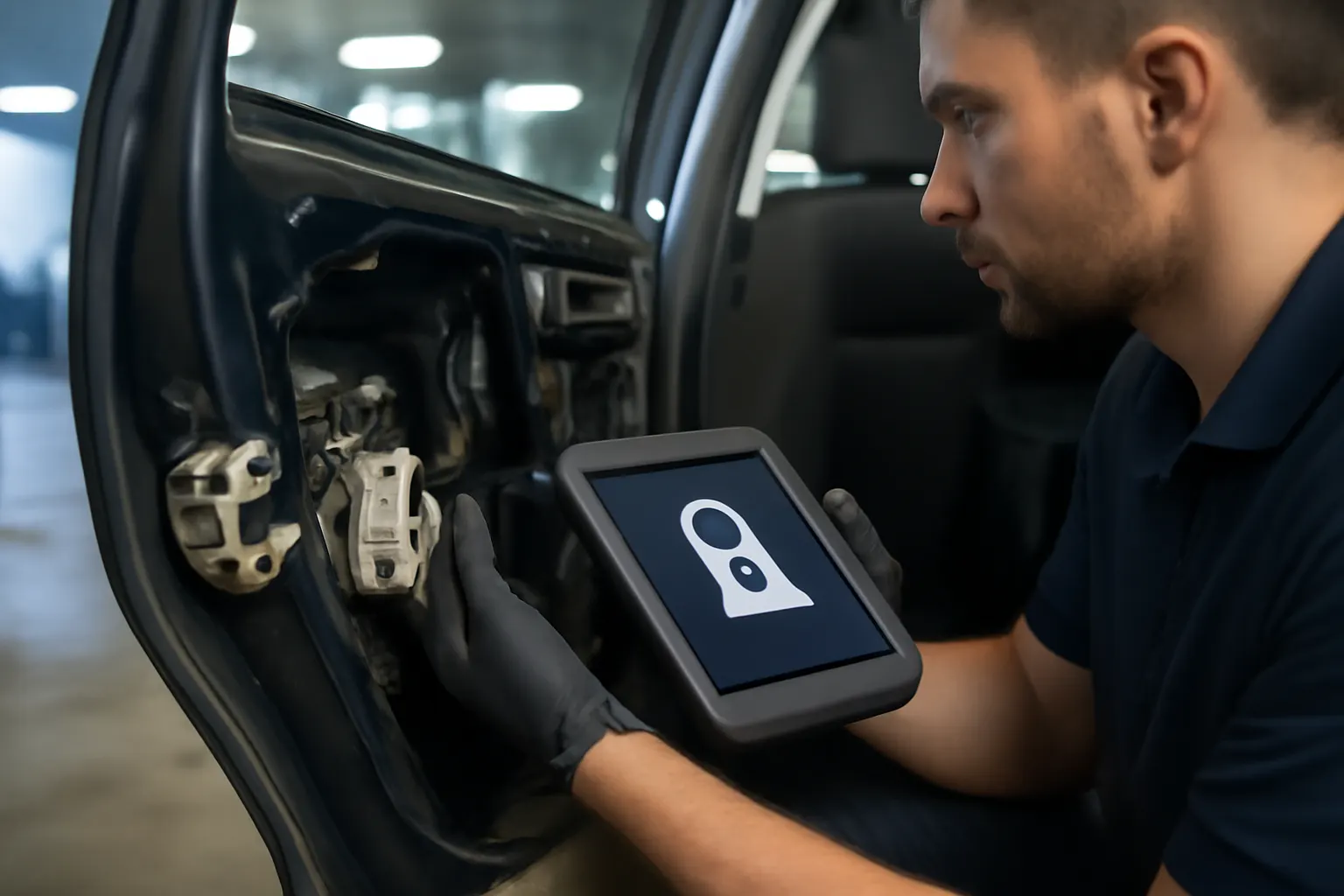
How Rear Door Latch Design Impacts Vehicle Security
Rear door latch systems are critical to vehicle security because they directly prevent unauthorized access to the vehicle’s cabin and cargo area. Modern latches are engineered to withstand forced entry, resist tampering, and integrate with electronic anti-theft systems. A robust rear door latch design: Increases resistance to prying, picking, and forced manipulation. Supports child safety locks and emergency release mechanisms. Interfaces with central locking, alarm, and immobilizer systems. Meets or exceeds regulatory safety standards for occupant protection.
Read More
Replacing Rear Door Latches: Tools and Tips
When a rear door latch fails, it can compromise both the safety and security of your vehicle. Replacing a faulty latch restores proper function, prevents unauthorized entry, and ensures that your rear doors seal tightly against water and noise. This comprehensive guide covers the best practices for replacing rear door latches, including the essential tools, alignment techniques, and troubleshooting steps you need to do the job right the first time.
View Guide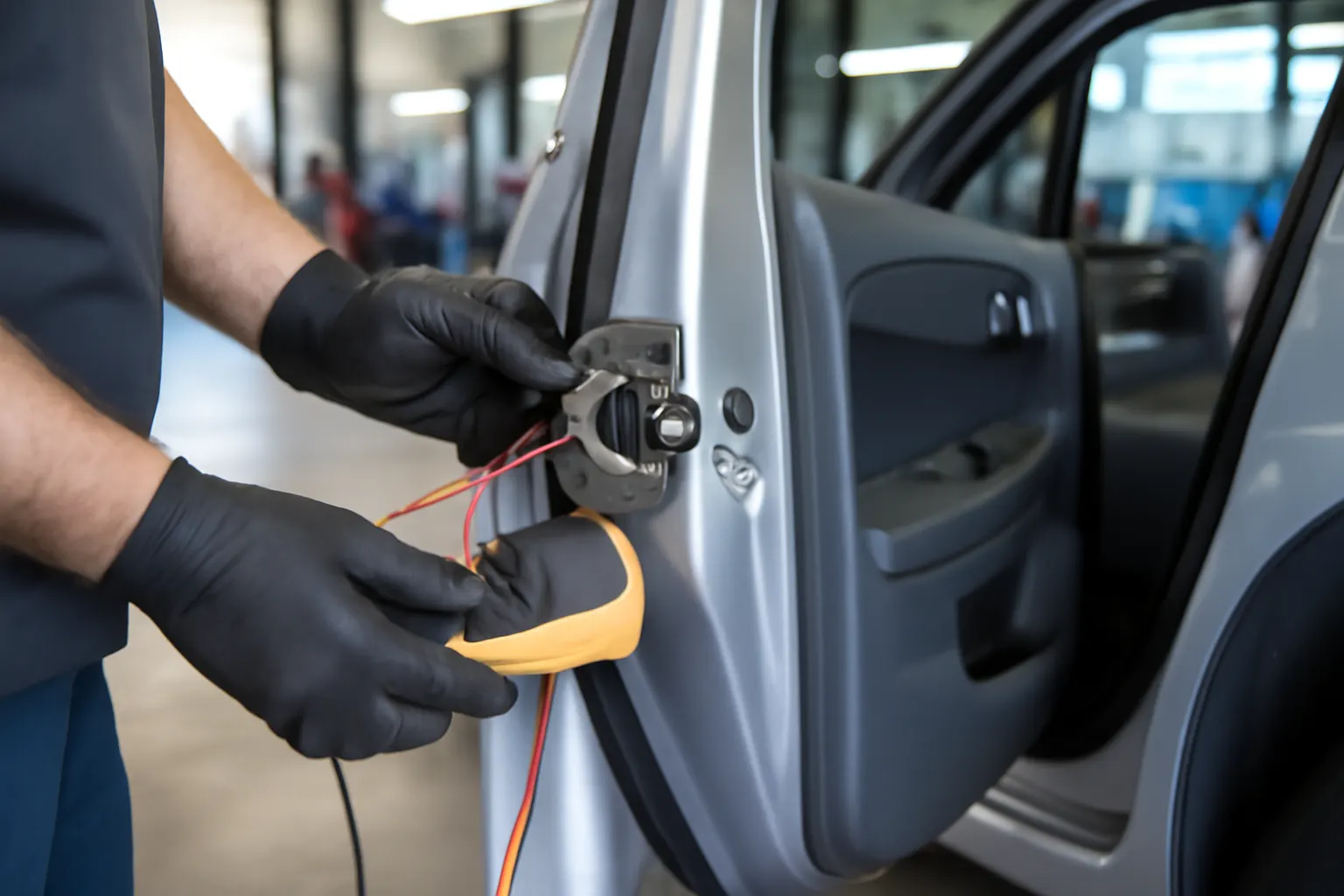
Preventing Rear Door Rattles and Water Leaks
Rear door rattles and water leaks are among the most persistent and frustrating issues for vehicle owners, yet both can often be eliminated with straightforward latch maintenance and a focus on precision fitment. In this comprehensive guide, we’ll show you exactly how to silence annoying rear door noises and prevent costly water intrusion—protecting your vehicle’s structural integrity and interior comfort.
Read More