Advertisement
Windshield damage—whether in the form of chips, cracks, or pitting—can have an immediate and profound effect on your vehicle’s advanced driver-assistance systems (ADAS) and overall safety. Even seemingly minor imperfections in your windshield may compromise the operation of cameras, sensors, and safety features that modern vehicles rely on to keep you safe on the road. With the rapid integration of ADAS technologies into everyday vehicles, understanding the true impact of windshield damage is no longer optional—it’s essential for safe driving and vehicle maintenance.
If you drive a late-model car from brands like Acura or Alfa Romeo, or you’re simply interested in the full scope of windshield system technology, you’ll find that the windshield is more than just a pane of glass—it’s a critical component in your vehicle’s safety architecture. This article explores why windshield integrity matters for ADAS, the hidden dangers of neglecting small chips or cracks, and the best practices for diagnosis, repair, and replacement.
The Immediate Impact: Why Windshield Damage Matters for ADAS
Windshield damage is not just a cosmetic issue; it can directly impair the performance of your vehicle’s advanced driver-assistance systems. ADAS features like lane departure warning, adaptive cruise control, automatic emergency braking, and traffic sign recognition rely on sensors and cameras that are often mounted directly to the windshield. Any distortion, obstruction, or misalignment caused by chips or cracks can lead to:
- Camera vision impairment: Even a small chip in the camera’s field of view can blur or distort the image, leading to false readings or missed hazards.
- Sensor calibration errors: Cracks can alter the mounting position or angle of ADAS sensors, causing misalignment that renders safety features unreliable.
- System deactivation: Some vehicles automatically disable ADAS features when windshield damage is detected or when calibration is lost, leaving drivers without critical safety aids.
According to the National Highway Traffic Safety Administration (NHTSA), maintaining equipment integrity—including windshields and associated systems—is fundamental to vehicle safety and regulatory compliance. Modern windshields are engineered not only for occupant protection but also as the optical “canvas” for ADAS functionality Vehicle Safety and Equipment.
The Hidden Problem: Chips and Cracks Compromise More Than Visibility
Many drivers underestimate the seriousness of windshield chips and cracks, assuming they are only a problem when they obstruct the driver’s direct line of sight. However, the real issue is often hidden: even small imperfections can distort or refract light, interfering with the precise imaging required by ADAS sensors.
How Minor Damage Escalates
- Optical distortion: Chips and cracks can scatter light, producing glare or ghosting effects that confuse camera-based systems.
- Structural integrity loss: The windshield is a critical structural component. Damage can weaken its ability to support airbag deployment and resist roof collapse in a rollover.
- Thermal expansion: Temperature changes can cause cracks to spread quickly, exacerbating both visibility and sensor alignment issues.
The result? A small, seemingly harmless chip today could lead to a cascade of safety system failures tomorrow.
The Technical Connection: Windshields as Sensor Platforms
To understand why windshield damage is so critical, it’s important to recognize that the windshield is no longer just a barrier against wind and debris. In ADAS-equipped vehicles, it serves as a precision mounting platform for a range of technologies:
- Cameras: Used for lane keeping, forward collision warning, and traffic sign recognition.
- Rain/light sensors: Control automatic wipers and headlights.
- Heads-up display projectors: Rely on a flawless glass surface for accurate information projection.
These systems require not only a clear field of view but also exact positioning. Even a millimeter of misalignment during windshield replacement or as a result of crack propagation can lead to ADAS malfunctions.
Advertisement
Windshield Damage and Sensor Calibration
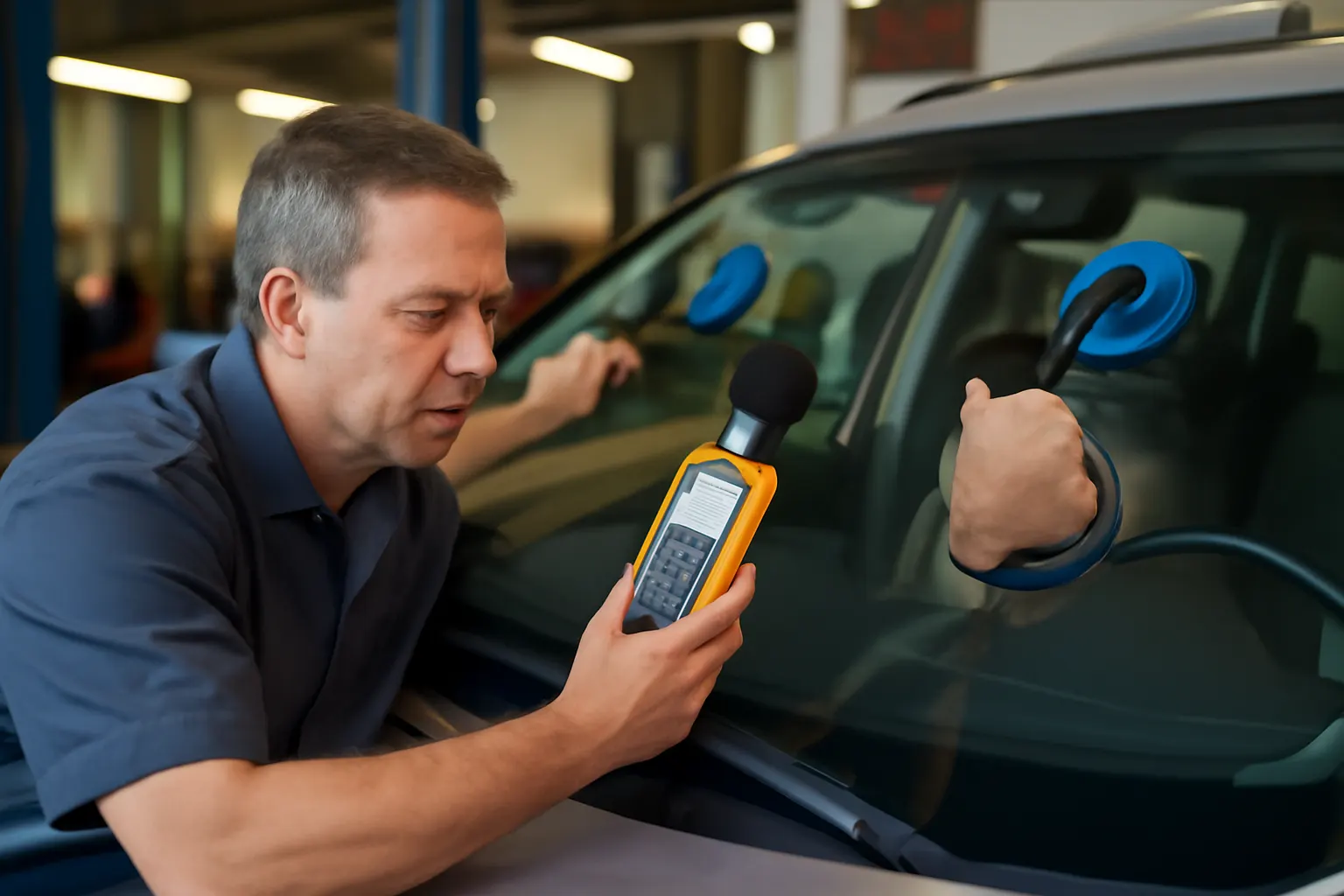
Whenever the windshield is replaced or repaired, recalibration of ADAS sensors is mandatory to ensure the correct alignment and functioning of all safety features. The Society of Automotive Engineers (SAE) sets strict standards for sensor calibration and windshield replacement to maintain system reliability SAE Standards.
Diagnostic Checklist: Identifying ADAS-Related Windshield Issues
Proper diagnosis is the first step toward maintaining both visibility and ADAS functionality. Use this checklist to identify issues that may impact your vehicle’s safety systems:
Windshield Damage and ADAS Diagnostic Checklist
| Diagnostic Step | What to Check For | Action Needed |
|---|---|---|
| Visual Inspection | Chips, cracks, pitting, or haze in sensor areas | Repair or replace if present |
| ADAS Warning Lights | Dashboard alerts for lane assist, collision warn | Scan for error codes, recalibrate |
| Wiper/Light Sensor Operation | Automatic wipers or headlights malfunctioning | Inspect sensor area for damage |
| Camera View (if accessible) | Blurred, distorted, or obstructed images | Clean or repair/replace windshield |
| Post-Repair Calibration | After any glass work, is recalibration complete? | Schedule professional calibration |
If you notice any of these issues, address them promptly. Ignoring them can lead to compromised safety and even potential liability in an accident.
How Windshield Damage Triggers ADAS Malfunctions
A growing number of vehicles now include features such as automatic emergency braking, adaptive cruise control, and lane departure warning as standard or optional equipment. These systems depend heavily on clear, undistorted input from cameras and sensors. Here’s how windshield damage can disrupt their function:
- Lane Departure Warning: A chip or crack in the camera’s line of sight may prevent the system from accurately reading lane markings, resulting in missed warnings or false alarms.
- Forward Collision Warning: Distorted or refracted light through a crack can obscure vehicles or pedestrians, delaying critical alerts.
- Automatic Emergency Braking: If the sensor input is compromised, the system may fail to brake in time—or brake unnecessarily.
- Adaptive Cruise Control: Misaligned sensors can cause the system to misjudge distance, leading to abrupt acceleration or braking.
These malfunctions are not just theoretical; they are cited in NHTSA recall campaigns and real-world accident investigations Vehicle, Car Seat, Tire, and Equipment Recalls.
The Structural Safety Role of the Windshield
Beyond its role in supporting ADAS, the windshield is a key element in your vehicle’s structural safety. It contributes to:
- Airbag deployment: The passenger-side airbag deploys upward and bounces off the windshield. A weakened or improperly installed windshield can result in ineffective airbag deployment.
- Roof strength: In rollover accidents, the windshield helps prevent roof collapse. Damage can significantly reduce its load-bearing capacity.
- Occupant ejection prevention: The windshield acts as a barrier to keep occupants inside during a crash.
Any compromise in windshield integrity not only affects ADAS but also undermines the fundamental crashworthiness of your vehicle, as underscored by NHTSA safety equipment guidelines Vehicle Safety and Equipment.
The Importance of Professional Windshield Repair and Replacement
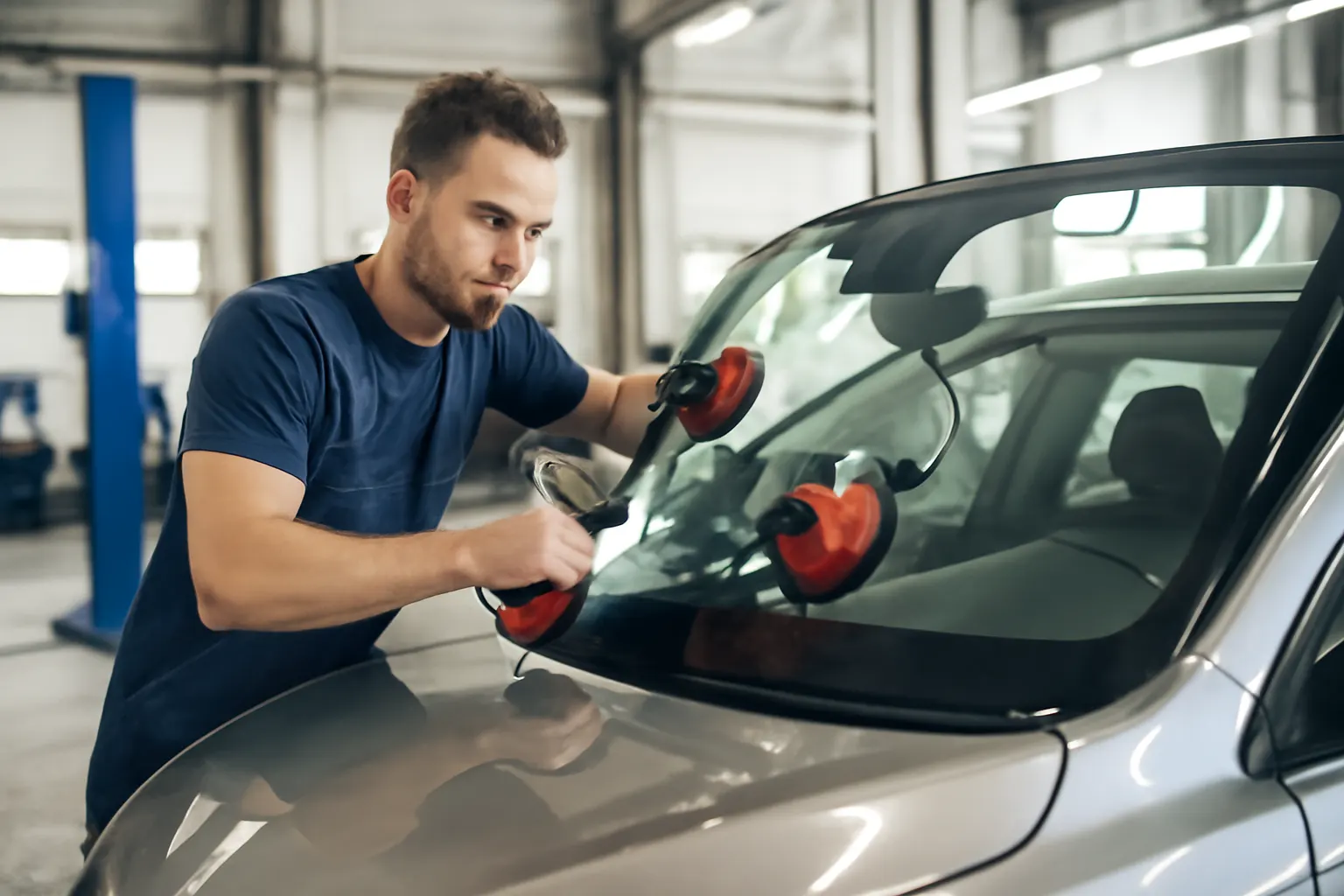
Given the technical demands of ADAS calibration and the safety-critical nature of the windshield, professional repair and replacement are essential. DIY repairs may be suitable for very minor chips outside the sensor field, but for anything near ADAS equipment, professional intervention is a must.
Why Professional Service Matters
- Precise sensor alignment: Trained technicians use manufacturer-approved tools to ensure cameras and sensors are perfectly positioned.
- Calibration: After replacement, dynamic or static calibration procedures are performed to restore ADAS function.
- Material quality: Professionals use OEM or certified aftermarket glass that meets safety and optical standards.
For a step-by-step guide to the professional windshield replacement process, review our detailed Windshield Replacement: Step-by-Step Professional Guide.
ADAS Calibration: What It Is and Why It’s Critical
Whenever a windshield is replaced—or sometimes even repaired—ADAS calibration is required. This process involves resetting the cameras and sensors so they “know” their precise position relative to the vehicle and the road.
Types of Calibration
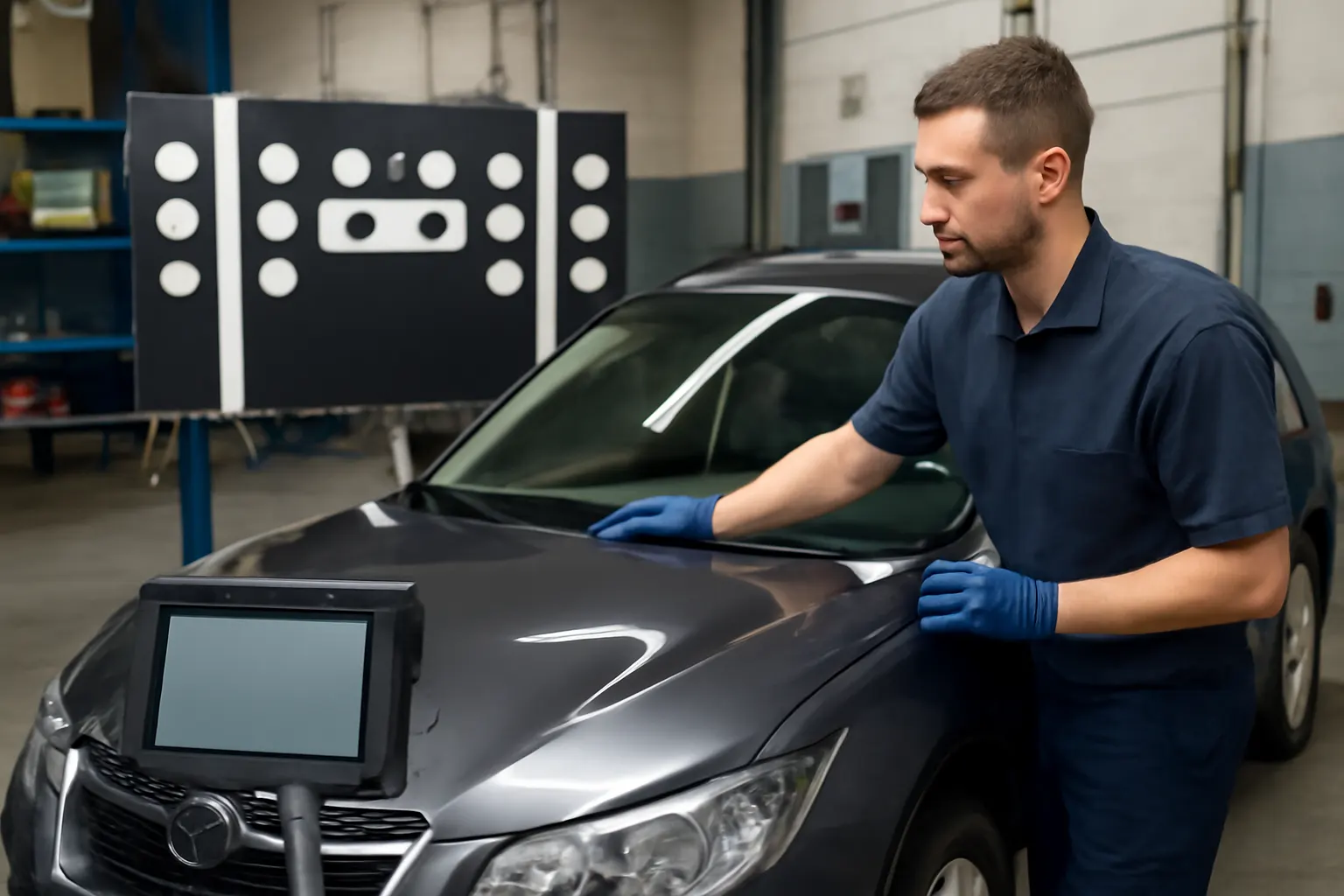
- Static Calibration: Performed in a controlled shop environment using specialized targets and equipment.
- Dynamic Calibration: Involves driving the vehicle so the system can recalibrate itself using real-world road markings and traffic signs.
Advertisement
Skipping calibration can render ADAS features unreliable or inoperative, negating the benefits of these life-saving technologies. Calibration procedures are specified by vehicle manufacturers and outlined in SAE standards SAE Standards.
Selecting the Right Windshield: OEM vs. Aftermarket
Not all windshields are created equal, especially when it comes to ADAS-equipped vehicles. Choosing between OEM (original equipment manufacturer) and aftermarket glass can affect both safety and system performance.
OEM Glass
- Exact specifications: Matches factory standards for thickness, curvature, and optical clarity.
- Guaranteed compatibility: Ensures seamless integration with ADAS sensors and cameras.
Aftermarket Glass
- Cost savings: Often less expensive, but quality and fit can vary.
- Compatibility concerns: Some aftermarket windshields may lack the precise optical properties required for ADAS.
For guidance on making the right choice, see our in-depth editorial Choosing Between OEM and Aftermarket Windshields.
Maintenance Tips for Maximum ADAS Reliability
Routine windshield maintenance is essential for optimal ADAS performance and long-term vehicle safety. Here are practical steps to keep your windshield and sensors in top condition:
Windshield Maintenance Checklist
- Regular cleaning: Use non-abrasive glass cleaner and microfiber cloths to remove dirt, bugs, and film.
- Inspect for damage: Check monthly for chips, cracks, or pitting—especially in the sensor field.
- Replace wiper blades: Worn blades can scratch the glass, creating distortions.
- Avoid harsh chemicals: Some cleaners can damage sensor housings or coatings.
- Promptly address damage: Repair chips before they spread; replace the windshield if cracks are present in the ADAS area.
For more tips, consult our Windshield Maintenance Tips for Maximum Visibility.
When to Repair and When to Replace: Decision-Making Guide
The decision to repair or replace your windshield depends on several factors, especially when ADAS is involved:
- Location of damage: Any chip or crack in the sensor/camera area typically requires replacement.
- Size and depth: Small chips under 1/4 inch outside the sensor field may be repairable; larger cracks or multiple chips often call for replacement.
- Spreading cracks: If a crack is growing, replacement is the safest option.
- Optical clarity: If damage causes distortion, even if minor, replacement is recommended to ensure ADAS reliability.
Always consult your vehicle’s owner’s manual and a qualified technician to determine the best course of action.
The Cost Factor: Insurance, Safety, and Long-Term Value
Many insurance policies cover windshield repair or replacement, especially when ADAS calibration is required. While costs can be higher for ADAS-equipped vehicles due to the complexity of calibration, the investment pays off in restored safety and functionality.
- Safety first: The cost of ignoring windshield damage can far exceed the price of professional repair or replacement, especially if it leads to an accident.
- Insurance coverage: Check your policy for glass coverage and ADAS calibration reimbursement.
- Long-term value: Maintaining your windshield and ADAS systems helps retain vehicle value and ensures compliance with safety standards.
AutoPartEx: Your Partner in Windshield and ADAS System Excellence
At AutoPartEx, we understand the critical relationship between windshield integrity and modern vehicle safety systems. Our curated selection of OEM and certified aftermarket windshields, ADAS calibration resources, and technical guidance ensures you have everything you need for safe, reliable driving. Whether you’re seeking parts for Acura, Alfa Romeo, or another leading brand, our expertise and inventory keep you ahead of safety challenges.
For further exploration of windshield systems, visit our parent resource: Windshield Systems: Complete Guide to Automotive Glass, Safety, and Advanced Features.
Conclusion: Don’t Underestimate Windshield Damage
Windshield damage is more than an annoyance—it’s a direct threat to the integrity of your vehicle’s ADAS and overall safety systems. From distorted camera views to compromised airbag deployment and weakened structural support, the risks are real and immediate. By prioritizing prompt repair, professional installation, and proper calibration, you protect not only your investment but also the lives of everyone on the road.
Stay proactive with regular inspections, use only high-quality replacement parts, and rely on trusted professionals for repairs and calibration. The future of automotive safety depends on it.
References
Advertisement