Advertisement
Intermittent electrical problems in vehicles are among the most frustrating issues for both drivers and technicians. These elusive faults can cause random warning lights, sudden stalling, flickering headlights, or malfunctioning accessories, turning a dependable ride into an unpredictable source of stress. The root cause is often traced back to the vehicle’s wiring harness—the intricate network of wires and connectors that serve as the nervous system for modern automotive electronics. In this article, we’ll break down the most common causes of intermittent electrical problems, show you how to identify them, and provide actionable guidance to prevent minor harness faults from becoming major headaches.
If you want a deeper understanding of the role wiring harnesses play in modern vehicles, see our foundational guide: Wiring Harness (Misc): The Backbone of Modern Vehicle Electronics.
The Immediate Answer: Why Do Intermittent Electrical Issues Happen?
Intermittent electrical problems are typically caused by small, often overlooked faults within the wiring harness or its connectors. These faults can include:
- Loose, corroded, or damaged connectors
- Frayed or pinched wires
- Poorly executed repairs or modifications
- Exposure to moisture or chemicals leading to degraded insulation
- Vibration-related wear and tear
Because these issues may only disrupt the electrical circuit under specific conditions—such as temperature changes, vibration, or humidity—they can be difficult to reproduce and diagnose. However, the majority of intermittent faults are rooted in the wiring harness or its related components.
The Hidden Problem: Minor Harness Faults, Major Headaches
At first glance, a momentary flicker of a dashboard light or a brief loss of radio signal may seem insignificant. However, these symptoms often point to deeper issues lurking within the vehicle’s wiring harness. Modern vehicles rely on complex electrical systems for safety, performance, and comfort. Even a minor, intermittent break in connectivity can lead to:
- Sudden engine stalling or misfires
- Unpredictable airbag deployment or failure
- Malfunctioning anti-lock brakes or traction control systems
- Inoperative lighting or climate control
- Unreliable sensor readings impacting fuel efficiency and emissions
What makes intermittent electrical problems so insidious is their ability to evade standard diagnostics. Faults may disappear when the vehicle is stationary in the shop, only to reappear on the road when vibration, heat, or moisture reintroduce the problem. This leads to repeated visits, mounting repair costs, and, in some cases, unresolved safety risks.
Wiring Harnesses: The Backbone of Vehicle Electronics
Understanding the central role of the wiring harness is key to grasping why intermittent faults can be so disruptive. The harness is not just a bundle of wires—it is a carefully engineered system designed to:
- Distribute power and signals to every electronic component
- Integrate with sensors, actuators, and control modules
- Withstand harsh thermal, chemical, and physical environments
- Meet rigorous safety and performance standards established by organizations such as SAE International
With the rise of advanced driver-assistance systems (ADAS), infotainment, and electrification, the complexity and importance of the harness have only increased. A single compromised wire can impact multiple functions, making harness integrity critical for both reliability and safety. For more on the significance of OEM harnesses, see Why OEM Harnesses Matter for Modern Vehicles.
Common Causes of Intermittent Electrical Problems
1. Connector Corrosion and Oxidation
Connectors are the most vulnerable points in the harness system. Exposure to moisture, road salt, or even engine bay humidity can cause metal contacts to oxidize or corrode. This increases electrical resistance, resulting in intermittent or weak connections. Symptoms may include:
- Flickering lights
- Unresponsive switches
- Random sensor or module faults
2. Loose or Poorly Seated Connectors
A connector that is not fully locked, or has suffered from repeated disconnects, can lose its grip on the mating terminal. Vibration from driving can further loosen these connections, resulting in momentary loss of signal or power. This is especially common after recent service work or aftermarket accessory installation.
3. Damaged, Pinched, or Frayed Wires
Wires routed near moving parts, sharp edges, or high-heat areas may become pinched, abraded, or melted. Even minor insulation damage can allow wires to intermittently short to ground or to each other, depending on vehicle movement or thermal expansion.
Advertisement
4. Poor Quality Repairs or Modifications
DIY repairs using incorrect connectors, electrical tape, or “twist-and-tape” splices are a leading cause of intermittent faults. Solder joints that are cold or poorly insulated can also fail under vibration or temperature changes, leading to unpredictable issues.
5. Faulty Grounds
A poor ground connection can disrupt the return path for electrical current, causing devices to behave erratically or not function at all. Ground faults often produce intermittent symptoms, as the quality of the connection may vary with vibration, corrosion, or temperature.
6. Environmental Contamination
Oil, coolant, or battery acid leaks can degrade wire insulation or infiltrate connectors, leading to short circuits or corrosion. Rodents chewing on harnesses, especially in vehicles stored outside, can also introduce intermittent faults that are difficult to trace.
Diagnostic Checklist: Tracking Down Intermittent Electrical Faults
Diagnosing intermittent electrical problems requires a methodical approach and attention to detail. Use this checklist to guide your troubleshooting process:
Intermittent Electrical Fault Diagnostic Checklist
- Symptom Logging
- Record exactly when and how the problem occurs (e.g., after rain, during acceleration, at idle, after recent repairs).
- Visual Inspection
- Examine visible harnesses for signs of wear, abrasion, or rodent damage.
- Inspect connectors for corrosion, looseness, or bent pins.
- Wiggle Test
- With the vehicle running, gently move harnesses and connectors related to the affected system. Observe for symptom recurrence.
- Moisture Test
- If symptoms occur after exposure to water, inspect for water ingress at connectors, grommets, and firewall pass-throughs.
- Voltage Drop Testing
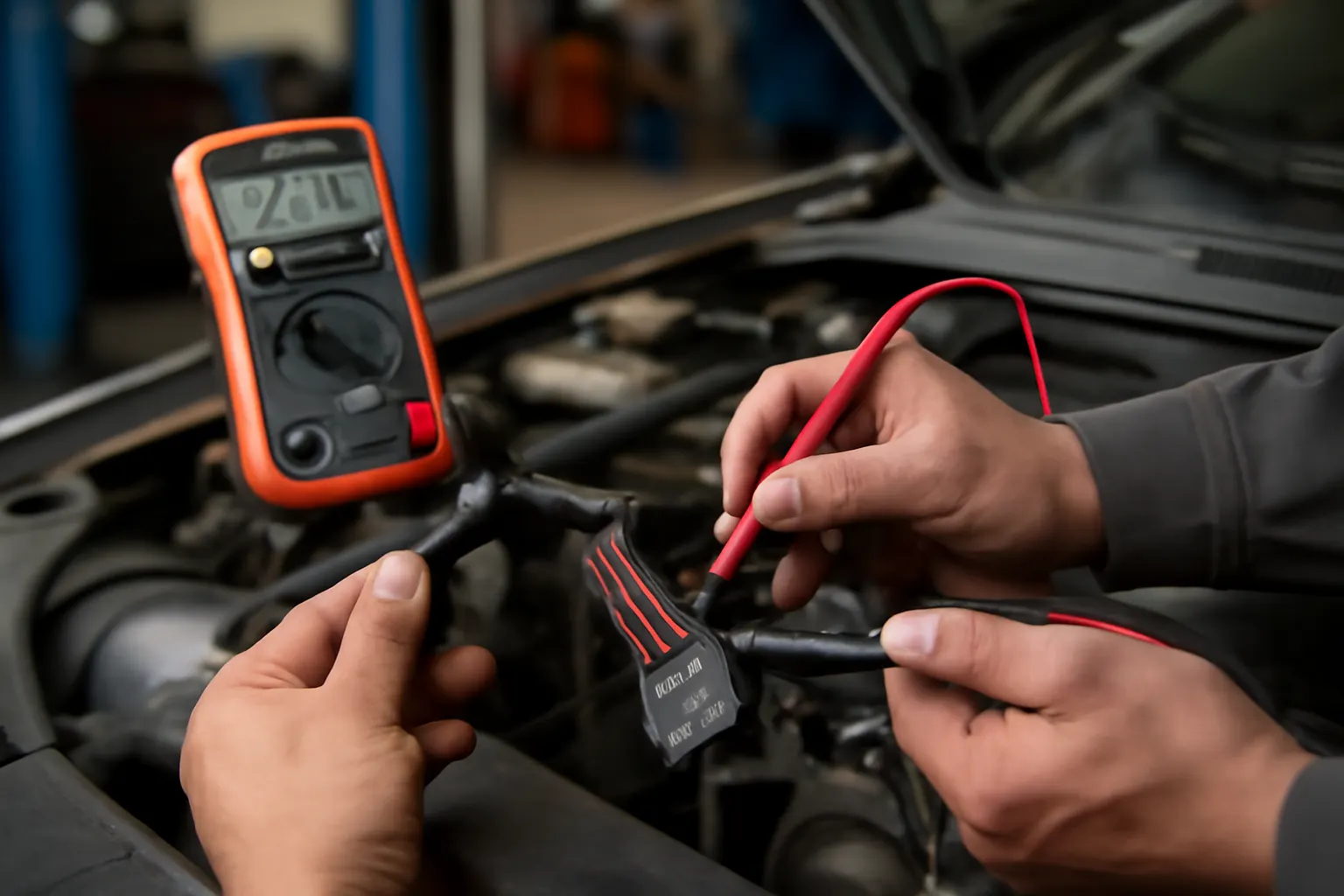
- Use a multimeter to check for excessive voltage drop across suspect connectors and grounds.
- Module and Sensor Scanning
- Scan for diagnostic trouble codes (DTCs), even if the check engine light is off.
- Note any “stored” or “pending” codes that may indicate intermittent faults.
- Connector Pin Retention
- Confirm that connector pins are properly seated and not backing out of the housing.
- Aftermarket Add-ons
- Inspect for non-factory wiring, splices, or add-on devices that may be introducing faults.
- Professional Consultation
- If the fault persists, consult a qualified technician with advanced diagnostic tools.
Following this checklist can help isolate the source of intermittent issues and prevent unnecessary parts replacement.
The Role of Modern Materials and Standards
The reliability of wiring harnesses is tightly linked to the quality of materials and adherence to engineering standards. According to the United States Department of Energy, advances in materials technology have led to the use of:
- Heat-resistant and lightweight insulation
- Corrosion-resistant terminals
- Improved shielding for signal integrity
- High-flexibility conductors for moving harness sections
Harnesses designed to SAE standards undergo rigorous testing for vibration, temperature cycling, and chemical exposure. However, even the best-engineered harness can fail if subjected to excessive stress, poor installation, or environmental abuse. When sourcing replacement harnesses or connectors, always opt for components that meet or exceed OEM and SAE requirements.
How Intermittent Faults Impact Vehicle Safety and Performance
Seemingly minor electrical issues can have cascading effects on vehicle safety and performance. For example:
- Fuel Efficiency: Intermittent faults in engine or transmission sensors can cause the control module to revert to default values, reducing fuel economy and increasing emissions (DOE Fuel Efficiency).
- Safety Systems: Faults in airbag, ABS, or traction control wiring can disable or unpredictably activate these critical systems, posing significant safety risks (NHTSA Equipment).
- Drivability: Ignition or fuel injector harness faults can result in hard starts, stalling, or loss of power during driving.
- Comfort and Convenience: Malfunctions in lighting, HVAC, or infotainment wiring degrade the driving experience and can distract the driver.
Because many safety systems now rely on electronic communication, even a brief loss of connectivity can trigger warning lights, disable functions, or lead to compliance issues with safety regulations.
Preventing Intermittent Electrical Problems: Maintenance and Best Practices
Preventive maintenance is the most effective way to avoid the headaches of intermittent electrical faults. Here’s how to keep your wiring harness in top condition:
Regular Inspection
- Inspect harnesses and connectors at every major service interval.
- Look for signs of wear, heat damage, or fluid leaks near harness runs.
Protecting Connectors
- Use dielectric grease on exposed connectors to prevent moisture ingress.
- Ensure all connectors are fully seated and locking tabs are intact after service.
Routing and Securing Harnesses
- Make sure harnesses are routed away from moving or hot components.
- Replace missing or broken harness clips and grommets to prevent chafing.
Advertisement
Aftermarket Add-ons
- Use only high-quality, vehicle-specific wiring kits for accessories.
- Avoid “universal” kits that require cutting or splicing into the main harness.
Professional Repairs
- Insist on OEM-quality connectors and terminals for repairs.
- Avoid “quick fixes” like electrical tape or twist connections.
- If you’re retrofitting accessories, follow our guide: Retrofitting Accessories: Harness Selection and Installation.
The Importance of Quality Harness Replacement
When a wiring harness or connector is found to be the source of intermittent problems, replacement with a high-quality part is crucial. Inferior aftermarket harnesses may use substandard materials, poorly crimped terminals, or incorrect pinouts, leading to repeat failures. For best results:
- Source harnesses from reputable suppliers that meet or exceed OEM and SAE standards (SAE Standards).
- Match the harness to your vehicle’s year, make, model, and trim level to ensure compatibility.
- For complex harnesses, consider professional installation to avoid pinout or routing errors.
If you’re unsure about fitment or sourcing, consult the Wiring Harness (Misc): The Backbone of Modern Vehicle Electronics category for guidance and high-quality options.
Diagnosing Intermittent Faults: Advanced Techniques
For especially stubborn problems, advanced diagnostic tools and techniques may be required:
- Oscilloscope Testing: Oscilloscopes can detect signal dropouts or noise that a standard multimeter may miss.
- Thermal Imaging: Identifies hot spots in connectors or wires caused by high resistance.
- CAN Bus Analysis: Modern vehicles use Controller Area Network (CAN) systems for communication. Specialized tools can monitor for intermittent bus errors.
- Pin Drag Testing: Measures the physical retention force of connector pins to identify loose or worn terminals.
Many of these techniques require specialized equipment and training, so don’t hesitate to enlist professional help if you reach a diagnostic dead end. For a step-by-step approach, see Diagnosing Electrical Faults: A Step-by-Step Guide.
The Cost of Ignoring Intermittent Electrical Issues
Ignoring intermittent electrical faults can lead to:
- Increased repair costs due to repeated diagnostics and unnecessary parts replacement
- Vehicle downtime and inconvenience
- Potential safety hazards, especially if critical systems are affected
- Compromised fuel efficiency and higher emissions
- Possible involvement in manufacturer recalls if the issue is widespread (NHTSA Recalls)
Advertisement
Prompt attention to warning signs and proactive maintenance can save time, money, and ensure your vehicle remains safe and reliable.
Sourcing and Installing Harnesses: What to Look For
When buying a replacement harness or connector, consider the following:
- OEM vs. Aftermarket: OEM harnesses are designed to precise vehicle specifications, while aftermarket options range from direct-fit to universal. Always prefer OEM or high-quality direct-fit aftermarket harnesses.
- Connector Quality: Look for gold- or tin-plated terminals, robust locking mechanisms, and proper weatherproofing.
- Wire Gauge and Insulation: Ensure the wire gauge matches the original, and insulation is rated for automotive use (heat, oil, abrasion resistant).
- Documentation: Good suppliers provide pinout diagrams, installation instructions, and technical support.
- Return Policy: Electrical parts should come with a clear return or exchange policy in case of compatibility issues.
Take your time during installation—rushing can lead to pinched wires, incomplete connections, or overlooked routing errors.
The AutoPartEx Advantage: Technical Expertise and Quality Parts
At AutoPartEx, we understand that the wiring harness is the backbone of your vehicle’s reliability and safety. Our curated selection of Wiring Harness (Misc): The Backbone of Modern Vehicle Electronics components ensures you get harnesses and connectors that meet or exceed OEM and SAE standards. Our technical editorial team provides up-to-date guides, checklists, and support to help you diagnose, source, and install the right parts for your vehicle—whether you drive an Acura, AMC, or any other make.
We believe in empowering vehicle owners and technicians with the knowledge and resources to prevent minor harness faults from becoming major headaches. If you’re facing intermittent electrical issues, trust AutoPartEx to help you restore your vehicle’s performance, safety, and peace of mind.
Take Action: Don’t Let Intermittent Faults Linger
Intermittent electrical problems rarely resolve themselves—they tend to worsen over time, leading to greater inconvenience and risk. If you notice flickering lights, random warning indicators, or unpredictable system behavior, start with a thorough inspection of your wiring harness and connectors. Use our diagnostic checklist, invest in quality replacement parts, and don’t hesitate to seek professional help for advanced diagnostics or installation.
For more in-depth guidance, explore our related resources:
- Diagnosing Electrical Faults: A Step-by-Step Guide
- Why OEM Harnesses Matter for Modern Vehicles
- Retrofitting Accessories: Harness Selection and Installation
Stay proactive, stay safe, and keep your vehicle running at its best with AutoPartEx.
References
Advertisement