
Wiring Harness (Misc)
Understanding and Selecting Miscellaneous Wiring Harnesses
Many vehicle owners overlook the subtle but critical role of miscellaneous wiring harnesses in maintaining electrical reliability. These components, though often hidden, can be the root of frustrating electrical gremlins or intermittent failures. Understanding their function and how to address issues can save time, money, and prevent more significant problems down the road. This guide offers practical steps and evidence-based advice for diagnosing and selecting the right harness for your needs.
Showing 1–8 of 123 products


More Wiring Harness (Misc) options
Filtering for Wiring Harness (Misc)Browse nearby inventory for this category without leaving the page. Use search to filter by price, part number, or city.
No Data Available
Please check back soon when more inventory is available for this part.
Understanding and Selecting Miscellaneous Wiring Harnesses
Why Miscellaneous Wiring Harnesses Deserve More Attention
When thinking about vehicle reliability, most drivers focus on major systems like the engine or transmission, rarely giving much thought to the intricate web of wiring running throughout their car. Yet, these wiring harnesses—especially the miscellaneous ones that don’t fall under obvious categories—are vital for connecting sensors, switches, and modules that keep everything running smoothly. Overlooking these components can lead to subtle issues that manifest as odd electrical behaviors, intermittent faults, or even complete system failures.
Many owners only discover the importance of these harnesses when faced with mysterious warning lights, malfunctioning accessories, or sporadic electrical glitches. Because these issues often mimic more serious problems, they can lead to unnecessary part replacements or expensive diagnostic hours. A little awareness about the role and vulnerabilities of miscellaneous wiring harnesses can help prevent such missteps and ensure more targeted troubleshooting.
What makes these harnesses particularly tricky is their diversity and placement. Unlike main engine or lighting harnesses, miscellaneous harnesses often serve unique, vehicle-specific functions, ranging from seat controls to emissions sensors. Their less conspicuous roles mean they can be easily missed during inspections or overlooked in maintenance routines. Recognizing their significance is the first step toward preventing elusive electrical problems and keeping your vehicle’s systems in top shape.

The Hidden Challenges of Wiring Harness Failures
Electrical problems stemming from wiring harnesses can be among the most perplexing issues for both vehicle owners and technicians. Unlike mechanical failures, which often produce clear symptoms, harness issues may present as intermittent faults—sometimes disappearing as quickly as they appear. This unpredictability complicates diagnosis and can result in repeated trips to the repair shop without a clear resolution.
One of the main challenges with miscellaneous wiring harnesses is their exposure to a variety of stressors. These can include heat from nearby components, vibration from the vehicle’s movement, moisture intrusion, or even rodent damage. Over time, such factors can degrade insulation, loosen connections, or cause wires to break internally. Because these harnesses often serve critical but non-obvious functions, a single damaged wire can disrupt multiple systems.
The complexity increases when considering that modern vehicles are equipped with dozens of electronic modules, each relying on precise data transmission. A fault in a seemingly minor harness can trigger diagnostic trouble codes unrelated to the actual root cause. For example, a corroded ground wire in a miscellaneous harness might lead to sensor errors, false warning lights, or erratic accessory operation—all without clear physical signs.
Diagnosing these issues is further complicated by the lack of standardized harness layouts across different makes, models, and even production years. While engine or lighting harnesses might be well-documented, miscellaneous harnesses often lack detailed diagrams, making it harder for technicians to trace circuits or identify connectors. This can result in longer diagnostic times and increased labor costs.
Another concern is the availability and identification of replacement harnesses. Because these parts are often vehicle-specific and may not be widely stocked, owners and repair shops may face delays in sourcing the correct component. Using an incorrect or poorly matched harness can introduce new problems, such as mismatched connectors or incompatible wiring gauges, further complicating repairs.
Finally, the importance of proper documentation and repair records cannot be overstated. Without a clear paper trail of previous repairs, modifications, or harness replacements, diagnosing recurring electrical issues becomes even more challenging. Owners are advised to keep detailed records and request comprehensive repair orders whenever electrical work is performed, as recommended by the Federal Trade Commission’s auto repair basics guidance FTC: Auto Repair Basics.
Practical Steps for Diagnosing and Replacing Miscellaneous Wiring Harnesses
The first step in addressing potential harness issues is to observe and document all symptoms thoroughly. Note when electrical problems occur, which systems are affected, and any recent repairs or modifications. This information can help narrow down the possible sources and guide a more efficient diagnostic process. Intermittent issues, in particular, should be logged over several days to identify patterns that may point to a specific harness or connector.
Next, perform a visual inspection of accessible wiring harnesses, especially in areas exposed to heat, moisture, or movement. Look for signs of wear such as frayed insulation, corrosion on connectors, or evidence of rodent activity. Pay special attention to harnesses routed near sharp edges or moving parts, as these are common points of damage. If the harness is not easily accessible, consult a service manual or a professional technician for guidance.
If a specific harness is suspected, use a multimeter to check for continuity and proper voltage at relevant connectors. This can help identify open circuits, shorted wires, or poor grounds. For more complex diagnostics, consider using a scan tool to read diagnostic trouble codes and monitor live data from affected modules. Compare these readings to manufacturer specifications to pinpoint the source of the problem. For a comprehensive troubleshooting approach, refer to resources like the Complete Wiring Harness Troubleshooting Guide.
When a faulty harness is confirmed, the next step is to identify the correct replacement part. Because miscellaneous harnesses are often unique to specific vehicle configurations, it’s essential to verify compatibility using the vehicle’s VIN or detailed part numbers. Consult the vehicle manufacturer’s catalog or reputable aftermarket suppliers, and compare the harness layout, connector types, and wire colors to the original. Avoid generic or “universal” harnesses unless they are explicitly designed for your application.
Before installation, inspect the replacement harness for any shipping damage or manufacturing defects. Lay it out alongside the old harness to ensure all connectors and mounting points align correctly. If possible, test-fit connectors before final installation. This step can prevent frustrating rework and ensure a smooth repair process. For guidance on selecting the right replacement, see Choosing the Right Replacement Wiring Harness for Your Vehicle.
During installation, follow best practices for routing and securing the harness. Use protective loom or conduit in areas prone to abrasion, and secure the harness with proper clips or ties to prevent movement. Ensure all connectors are fully seated and locked, and double-check ground connections for cleanliness and tightness. After installation, clear any stored diagnostic codes and test all affected systems to confirm proper operation.
For owners who prefer professional assistance, it’s wise to choose a repair shop with experience in your vehicle make and model. Ask about the technician’s familiarity with the specific harness and request a written estimate detailing the work to be performed. As the FTC advises, comparing estimates and understanding the parts used—whether new, remanufactured, or salvage—can help ensure transparency and satisfaction with the repair FTC: Auto Repair Basics.
Finally, keep detailed records of the repair, including the part number, source, and installation date. This documentation will be invaluable for future troubleshooting or warranty claims. If you experience recurring electrical issues, refer back to your records and share them with your technician. Consistent documentation and a methodical approach can greatly improve the reliability of your vehicle’s electrical systems.
Evidence and Guidance from Published Sources
The Federal Trade Commission’s official guidance on auto repair provides several important recommendations for consumers facing electrical or wiring harness problems. The FTC emphasizes the value of obtaining a written repair estimate that clearly identifies the condition to be repaired, the parts required, and anticipated labor charges. This advice is especially relevant when dealing with complex or intermittent electrical issues, as it helps ensure that both the consumer and the repair shop are aligned on the scope of work. The FTC also suggests seeking a second opinion for expensive or complicated repairs, which can be particularly helpful when the root cause of an electrical problem is unclear or when multiple harnesses are involved FTC: Auto Repair Basics.
The FTC further distinguishes between new, remanufactured, and salvage parts, noting that salvage parts are sourced from other vehicles without alteration. This distinction is crucial when selecting a replacement miscellaneous wiring harness, as the choice between new and salvage can affect reliability, fitment, and warranty coverage. The FTC does not prescribe which type is best for every situation but encourages consumers to understand the differences and get any warranty terms in writing. This guidance does not guarantee that any particular harness will fit or function in a specific vehicle, reinforcing the need for careful comparison and verification before purchase FTC: Auto Repair Basics.
In terms of preventive maintenance, the FTC advises following the manufacturer’s maintenance schedule and comparing shop recommendations with those guidelines. While this does not provide a specific interval for harness inspection or replacement, it underscores the importance of aligning repairs with documented vehicle requirements. If a shop recommends additional electrical work beyond what is specified, the FTC suggests asking for a clear explanation and justification. This approach helps prevent unnecessary repairs and ensures that any harness replacement is truly warranted FTC: Auto Repair Basics.
The National Highway Traffic Safety Administration (NHTSA) offers a comprehensive recall lookup tool that allows consumers to check for open recalls related to their vehicle’s wiring harnesses or other components. While searching by VIN provides the most specific results, searching by year, make, and model yields general recall information, investigations, and complaints. It’s important to note that a recall lookup does not prove that a specific vehicle or harness is affected—only that a recall exists for certain vehicles or equipment. Owners should always verify recall applicability using their VIN and follow any manufacturer instructions for recall repairs NHTSA: Vehicle Recalls.
NHTSA’s recall process is driven by owner complaints and manufacturer investigations. If multiple consumers report similar electrical issues, NHTSA may initiate an investigation that could lead to a recall. Owners are encouraged to report any suspected wiring harness defects, as collective data can prompt safety actions. However, the existence of a recall or investigation does not confirm that a particular harness in your vehicle is defective; it simply signals a potential issue that warrants further scrutiny NHTSA: Vehicle Recalls.
The recall process also highlights the importance of keeping your vehicle registration and contact information up to date. Manufacturers notify registered owners of recalls by mail, and NHTSA monitors recall completion rates to ensure effective remedies. If you receive a recall notice related to a wiring harness, follow the manufacturer’s interim safety guidance and schedule the repair promptly. NHTSA’s resources do not provide technical repair instructions but do ensure that owners are informed of known safety issues and entitled to free remedies when applicable NHTSA: Vehicle Recalls.
Neither the FTC nor NHTSA provides vehicle-specific wiring diagrams or technical specifications for miscellaneous harnesses. Instead, their guidance centers on consumer rights, repair transparency, and recall awareness. For technical diagnostics, owners and technicians must rely on manufacturer service information, professional experience, and methodical troubleshooting. When evidence is lacking for a particular harness or vehicle, the best practice is to compare harness layouts, connector types, and part numbers directly, and to seek reputable sources for both parts and repair services. This evidence-based approach minimizes the risk of misdiagnosis and ensures a higher likelihood of a successful repair.
Take the Next Step Toward Reliable Electrical Repairs
If you’re experiencing unexplained electrical issues or planning a wiring harness replacement, start by gathering detailed information about your symptoms and vehicle. Use trusted resources like manufacturer catalogs and recall lookup tools to verify part compatibility and recall status. For further guidance, explore our Wiring Harness (Misc) category, or consult our Complete Wiring Harness Troubleshooting Guide for step-by-step diagnostic tips. Document your repairs and stay proactive—your attention to detail will help ensure reliable, long-lasting electrical performance.
References
- NHTSA: Vehicle Recalls
- FTC: Auto Repair Basics
References
- NHTSA: Vehicle Recalls - NHTSA, accessed 2026-11-01
- FTC: Auto Repair Basics - FTC, accessed 2026-11-01
Related Guides & Articles

Complete Wiring Harness Troubleshooting Guide
A wiring harness is the nervous system of your car, connecting sensors, actuators, lights, and control modules. When a harness fails, symptoms range from a single non-working headlight to total vehicle shutdown. The fastest way to begin troubleshooting: Isolate the affected circuit (lights, sensors, controls, power windows, etc.). Visually inspect for obvious damage, corrosion, or disconnected plugs. Test for power and ground at the component and at the harness connector. Check for continuity with a multimeter across suspect wires.
View Guide
Why Do Wiring Harnesses Fail? Top Causes and Solutions
Wiring harnesses fail due to a combination of physical, environmental, and electrical stressors. Common causes include abrasion, corrosion, poor connector engagement, rodent damage, manufacturing defects, and improper installation. The consequences range from minor electrical glitches to complete system shutdowns, engine no-starts, and even safety hazards due to short circuits or fire risk. While the visible symptoms of harness failure—like malfunctioning accessories or engine misfires—are easy to spot, the underlying reasons are often much more complex.
Read More
Choosing the Right Replacement Wiring Harness for Your Vehicle
Selecting the correct replacement wiring harness is essential for reliable electrical performance, safety, and vehicle longevity. The right harness ensures all systems communicate as designed, every connector fits precisely, and installation is as close to plug-and-play as possible. This guide from AutoPartEx delivers the technical knowledge you need to match harness specifications, connectors, and OEM fitment—eliminating guesswork and reducing the risk of electrical problems or installation headaches. A wiring harness is the nervous system of your vehicle.
View Guide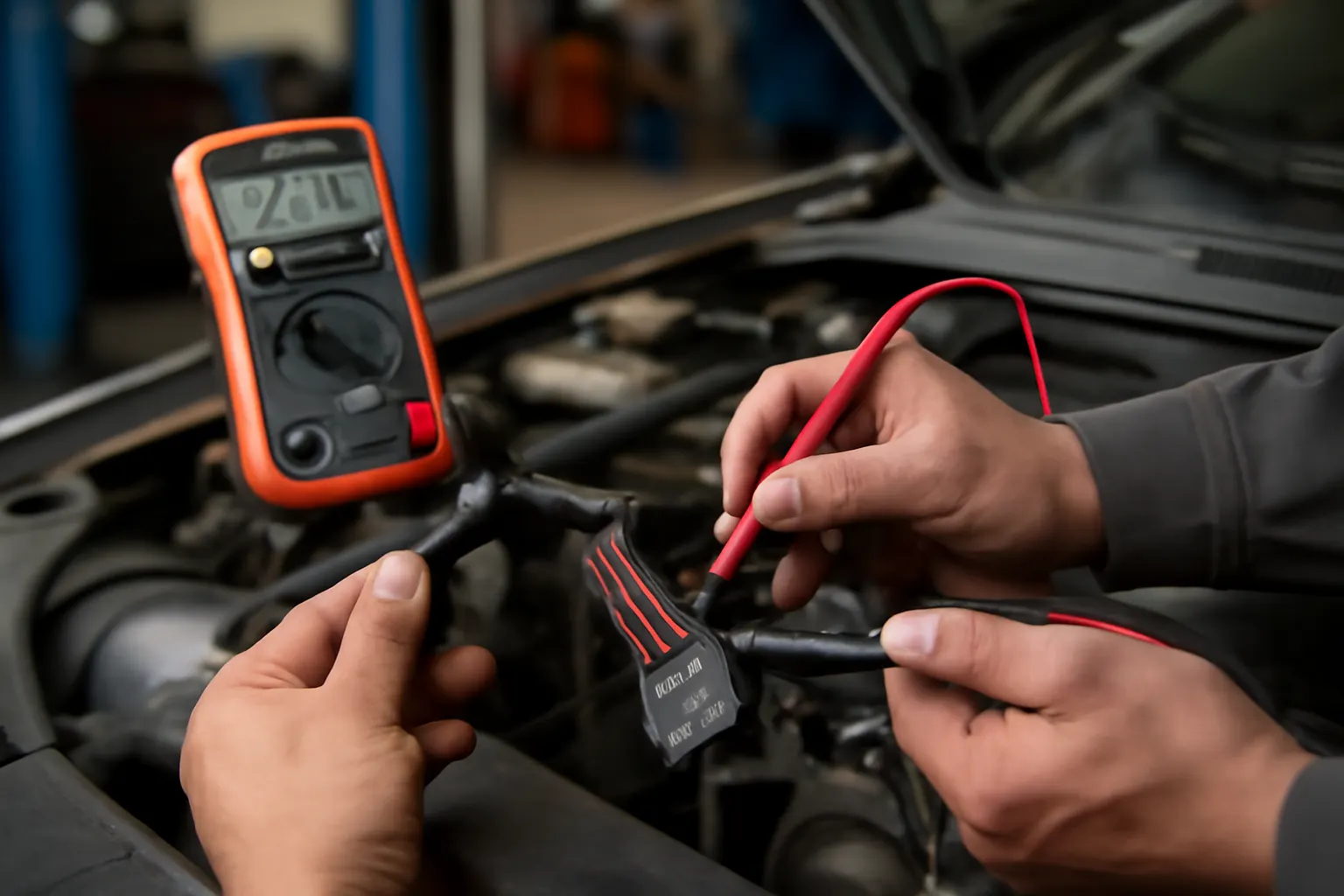
Electrical Gremlins: Decoding Intermittent Harness Problems
Intermittent electrical problems—often called “electrical gremlins”—are among the most frustrating challenges for vehicle owners, technicians, and DIYers alike. These elusive faults can cause random warning lights, flickering displays, stalling, or non-functional accessories, only to disappear before you can track them down. The root cause is frequently traced back to wiring harness issues, making precise diagnostics and targeted repairs essential.
Read More