Ambient Lighting Trends in Modern Vehicles
Ambient lighting has rapidly evolved from a luxury reserved for high-end vehicles to a must-have feature for modern drivers seeking comfort, style, and personalization. Today’s automotive cabins are illuminated by sophisticated, energy-efficient LED systems that not only enhance aesthetics but also improve safety and the driving experience. Whether you’re exploring the latest factory options or planning to customize your vehicle, understanding ambient lighting trends is essential for making informed decisions. This comprehensive guide explains how ambient lighting is transforming automotive interiors, what technical factors to consider, and how to upgrade or troubleshoot your system for optimal results.
For a foundational overview of automotive lighting systems, explore our Interior Light Systems: Complete Guide to Automotive Cabin Illumination.
The Immediate Impact: Why Ambient Lighting Matters
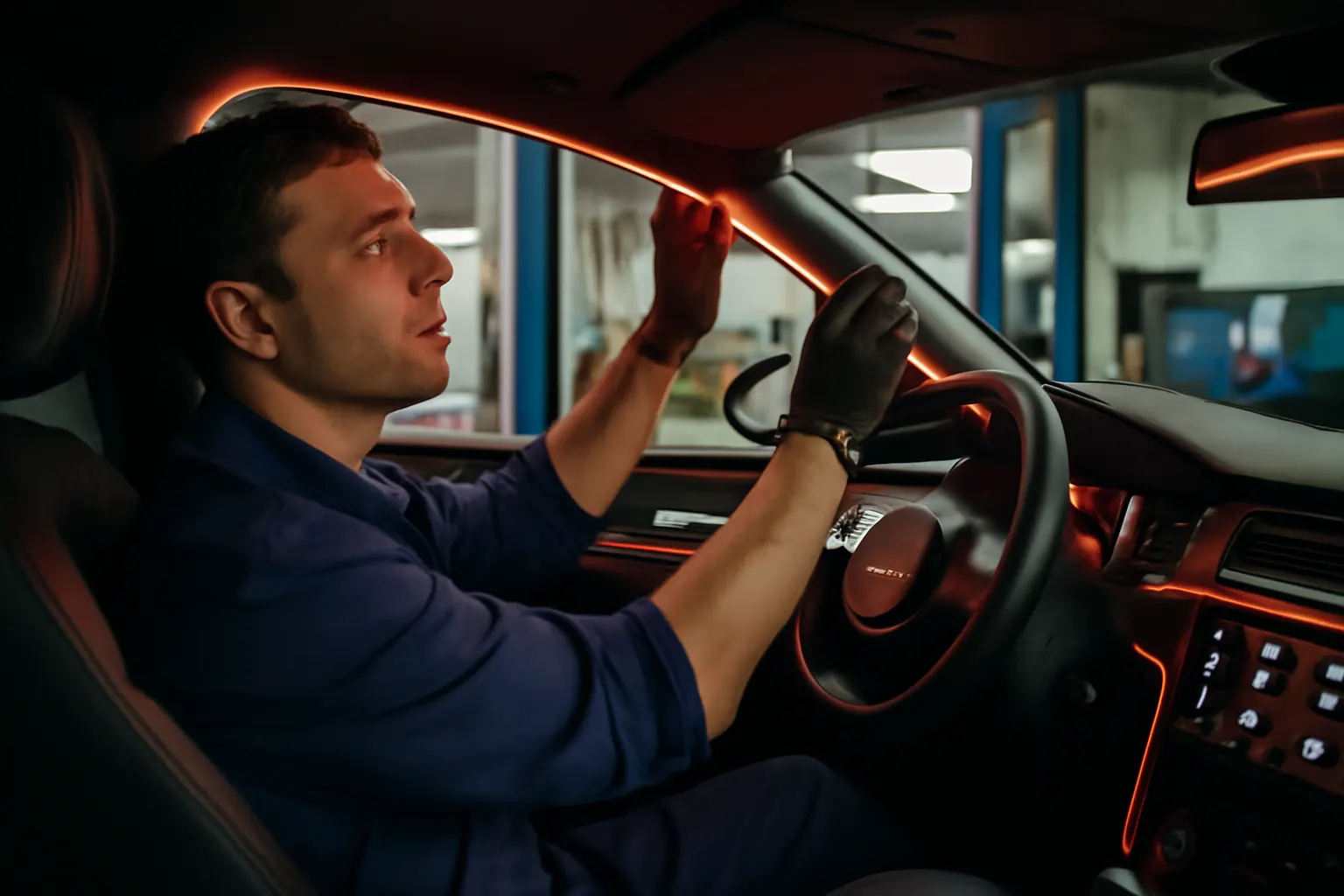
Ambient lighting is more than just a decorative element—it directly influences driver comfort, perceived vehicle quality, and even safety. Modern ambient lighting systems use strategically placed light sources to softly illuminate door panels, dashboards, footwells, and center consoles. This subtle illumination reduces eye strain during night driving, helps occupants locate controls without distraction, and creates a premium, inviting atmosphere.
Manufacturers increasingly offer multi-color and customizable lighting schemes, allowing drivers to tailor the cabin’s mood to their preferences. In some models, ambient lighting is integrated with infotainment and safety systems, providing visual cues for navigation, notifications, or alerts. As a result, ambient lighting has become a key differentiator in vehicle design and a sought-after upgrade for enthusiasts and daily drivers alike.
The Hidden Problem: Not All Ambient Lighting Is Created Equal
While ambient lighting offers clear benefits, not all systems deliver the same quality or reliability. Factory-installed options are engineered for seamless integration, but aftermarket kits can vary widely in brightness, color accuracy, durability, and compatibility with vehicle electronics. Inadequate installations may lead to distracting glare, electrical interference, or even safety issues if wiring is improperly routed or protected.
Another challenge is balancing style with function: excessive or poorly placed lighting can be distracting or diminish night vision. Regulatory standards, such as those enforced by the National Highway Traffic Safety Administration (NHTSA), also place limits on in-cabin lighting intensity and color to ensure driver and passenger safety.
Understanding these potential pitfalls is crucial before investing in an ambient lighting upgrade or modification.
Deeper Dive: The Technology Behind Modern Ambient Lighting
LED Evolution and Energy Efficiency
The shift from incandescent bulbs to LEDs (Light Emitting Diodes) has revolutionized automotive interior lighting. LEDs consume less power, generate minimal heat, and offer a vastly expanded color range. According to the United States Department of Energy, advancements in vehicle materials and electronics have directly improved fuel efficiency and overall system performance by reducing electrical loads and weight (DOE Fuel Efficiency).
LED-based ambient lighting systems are now standard in many new vehicles, offering:
- Longer Lifespan: LEDs can last tens of thousands of hours, outlasting traditional bulbs.
- Lower Power Draw: Minimal impact on the vehicle’s electrical system and fuel efficiency.
- Flexible Design: Compact size allows creative placement in tight spaces.
- Color Versatility: RGB LEDs enable millions of color combinations.
Smart Integration and Control
Modern ambient lighting often features digital controllers connected to the vehicle’s CAN (Controller Area Network) bus. This allows integration with driving modes, keyless entry, infotainment systems, and even climate controls. For example, some vehicles change cabin lighting color based on drive mode (e.g., red for sport, blue for comfort) or pulse lights in response to incoming calls or alerts.
Touchscreen interfaces and smartphone apps now allow users to select colors, brightness, and lighting patterns, enhancing personalization.
Materials and Diffusion Techniques
Materials technology also plays a crucial role. Automakers use advanced polymers, light guides, and diffusers to create smooth, uniform illumination without visible hotspots. These materials are engineered for durability, UV resistance, and to blend seamlessly with interior trim (DOE Materials Technologies).
Ambient Lighting Trends: What’s Hot in 2026
Ambient lighting is no longer limited to premium sedans—mainstream models, SUVs, and even trucks feature increasingly sophisticated systems. Key trends include:
- Dynamic, Animated Lighting: Gradual fade-ins, pulsing effects, and color transitions synchronized with driving events.
- Expanded Zones: Lighting now extends to door pockets, cup holders, seat contours, and even speaker grilles.
- Personalization: User profiles store preferred color schemes, brightness, and animation settings.
- Integration with ADAS: Ambient lighting provides subtle cues for lane departure, blind spot alerts, or emergency braking.
- Sustainability: Eco-friendly materials and low-power LED designs minimize environmental impact.
These features are driving consumer demand and influencing aftermarket product development.
Diagnosing Ambient Lighting Issues
Even the most advanced systems can encounter problems. Common issues include:
- Flickering or Dim Lights: Often caused by poor connections, failing LEDs, or voltage fluctuations.
- Color Inconsistency: Mismatched or aging LEDs may display different hues.
- Non-Functioning Zones: Faulty controllers, wiring breaks, or software glitches can disable specific areas.
- Interference with Electronics: Poorly shielded aftermarket kits can introduce electrical noise, affecting infotainment or safety systems.
Step-by-Step Diagnostic Checklist
- Visual Inspection: Check all illuminated areas for consistent color and brightness.
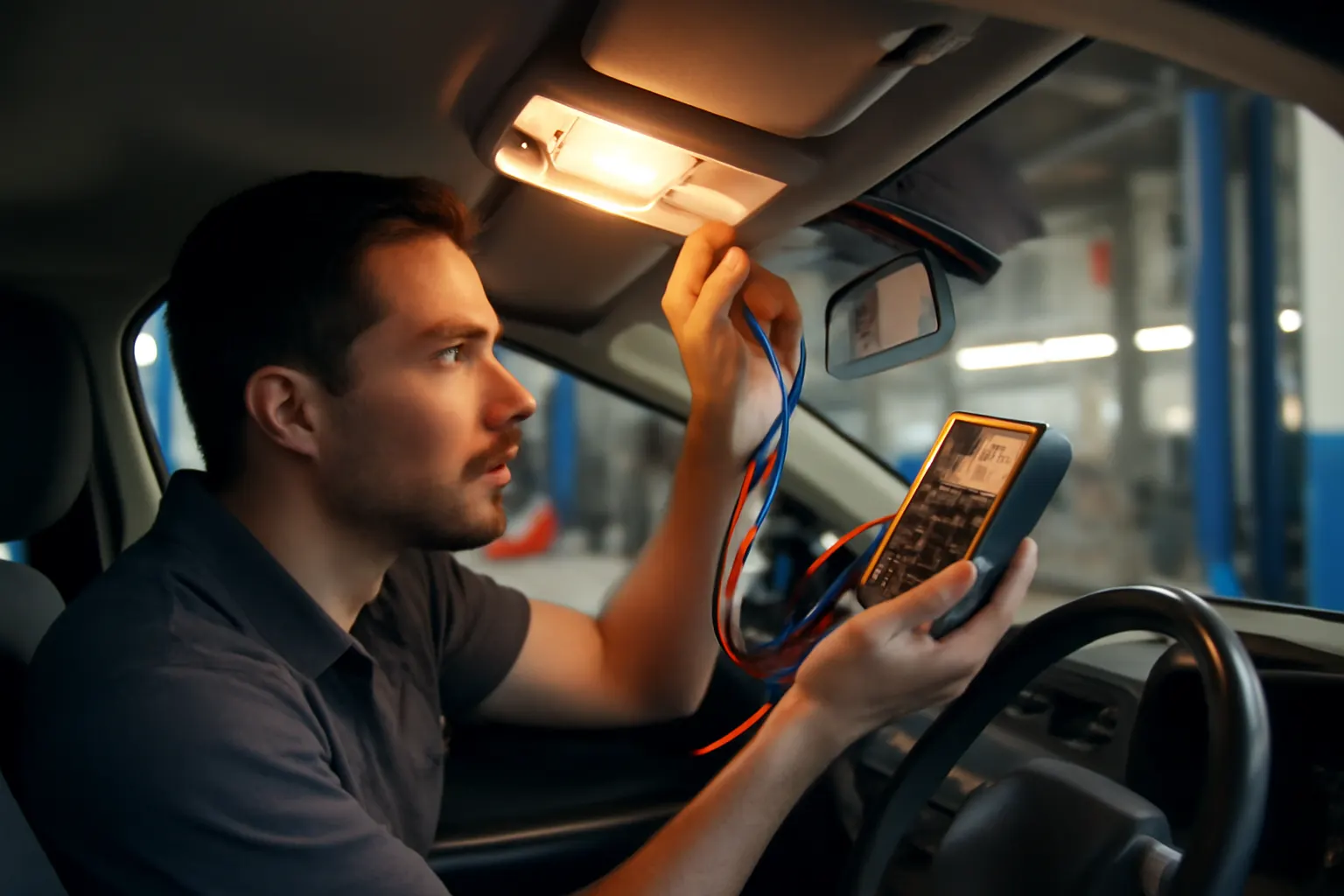
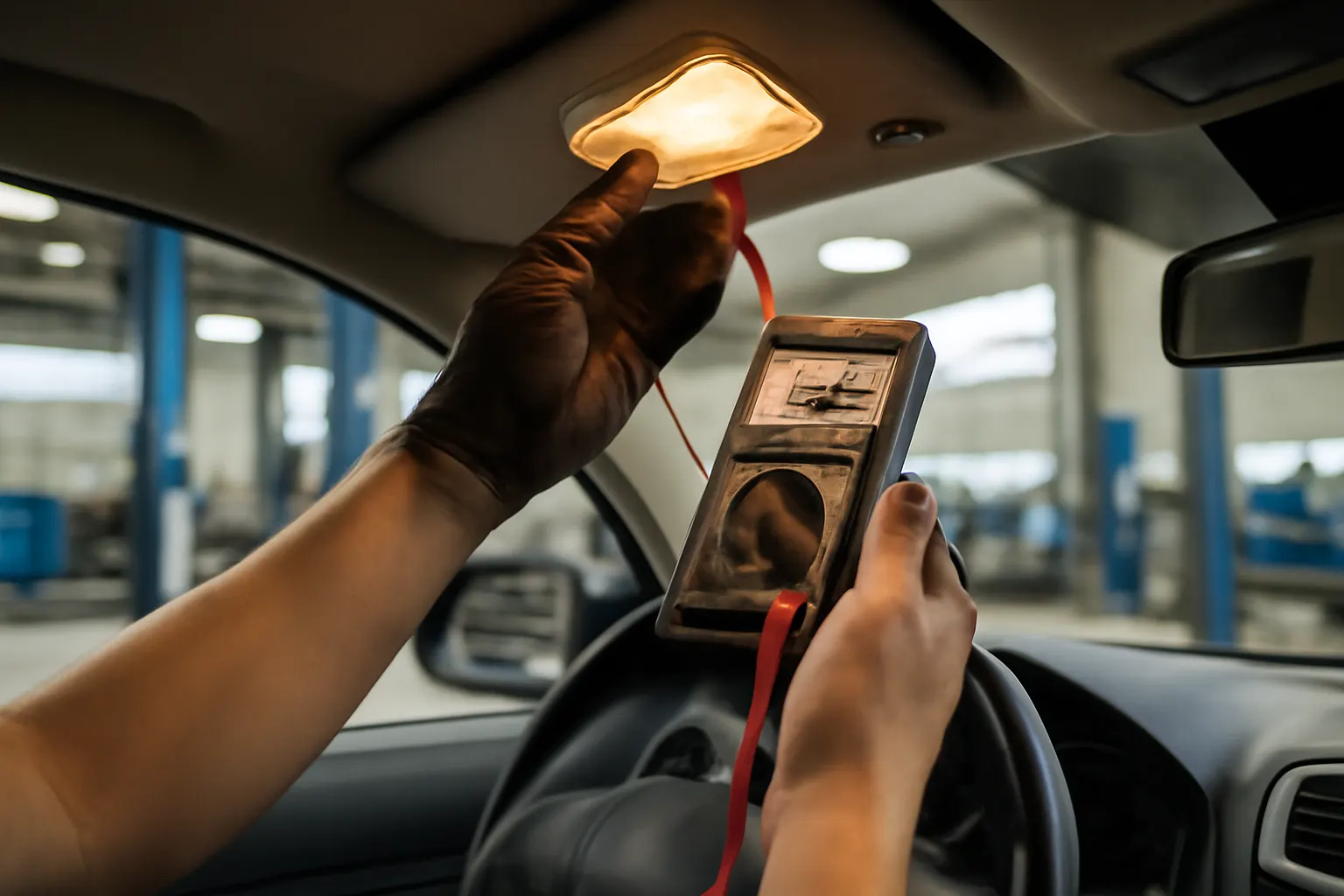
- Electrical Testing: Use a multimeter to verify voltage at LED modules and wiring harnesses.
- Controller Reset: For systems with digital controls, perform a reset or software update.
- Check Fuses: Inspect dedicated fuses for interior lighting circuits.
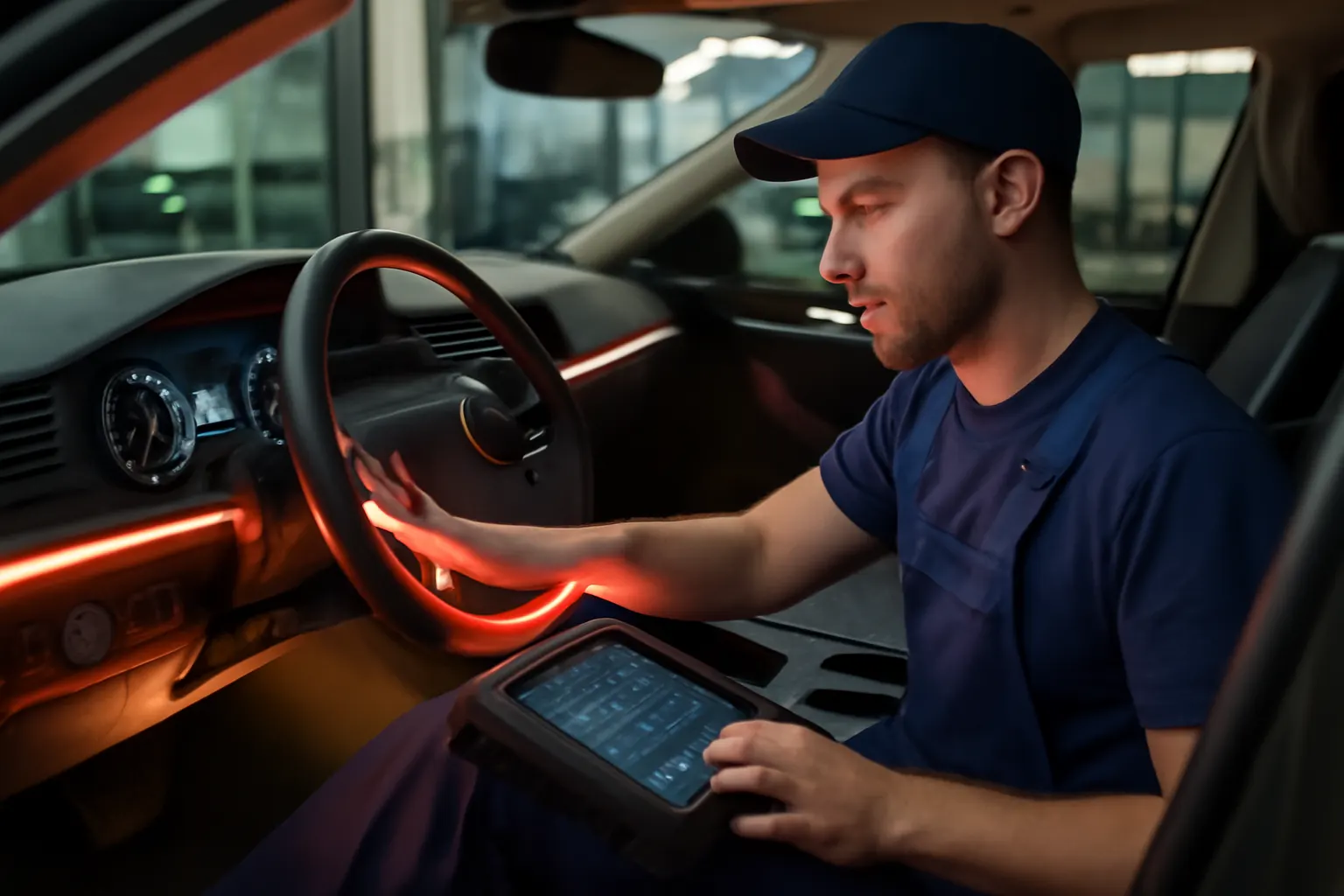
- Scan for Fault Codes: Use an OBD-II scanner to detect lighting-related errors in vehicles with integrated systems.
- Inspect Connectors: Ensure all connectors are secure and free of corrosion.
If issues persist, consult your vehicle’s service manual or contact a qualified automotive electrician.
Upgrading Your Ambient Lighting: Planning and Sourcing
Before upgrading or customizing your ambient lighting, consider the following:
Compatibility
- Electrical System: Verify your vehicle’s voltage (typically 12V) and ensure new components are compatible.
- CAN Bus Integration: For advanced features, select kits designed for CAN bus communication.
- Physical Fitment: Measure available space and ensure light strips or modules fit without interfering with airbags or moving parts.
Quality and Compliance
- Certified Products: Choose lighting kits that meet SAE standards and NHTSA safety guidelines (NHTSA Equipment, SAE Standards).
- Heat Management: High-quality LEDs and drivers should include thermal protection to prevent overheating.
- Warranty: Look for reputable brands offering warranties and technical support.
Sourcing Checklist
| Consideration | Details |
|---|---|
| Voltage Compatibility | Confirm 12V system for most vehicles |
| CAN Bus Support | Necessary for integration with factory controls |
| Mounting Hardware | Double-sided tape, brackets, or clips for secure installation |
| IP Rating | For moisture resistance, especially in footwells |
| Warranty | Prefer products with at least a 1-year warranty |
| Regulatory Compliance | SAE and NHTSA certification for in-cabin use |
For a detailed walkthrough, see our guide on How to Upgrade Your Vehicle's Interior Lights to LED.
Installation: Step-by-Step for DIY Enthusiasts
Upgrading ambient lighting can be a rewarding DIY project if approached methodically. Follow these general steps:
- Plan Your Layout: Identify desired lighting zones (e.g., footwells, doors, dash).
- Disconnect Battery: Prevent accidental shorts or airbag deployment.
- Route Wiring: Use factory harness paths where possible. Avoid sharp edges and moving parts.
- Mount Light Sources: Secure LED strips or modules using appropriate hardware.
- Connect to Power: Tap into interior lighting circuits or use an add-a-fuse adapter.
- Test Functionality: Check each zone for correct operation before reassembling trim panels.
- Program Controls: Configure colors, brightness, and patterns as desired.
Pro Tip: Label all connections and document your wiring routes for future troubleshooting.
Maintenance and Longevity: Keeping Your Ambient Lighting at Its Best
To ensure long-lasting performance:
- Regularly Inspect: Periodically check for loose connections, moisture ingress, or dimming LEDs.
- Clean Surfaces: Dust and debris can dull light diffusion; gently clean illuminated panels with a microfiber cloth.
- Update Software: For digitally controlled systems, install firmware updates from the manufacturer.
- Replace Faulty Components Promptly: Address flickering or failed zones to prevent further electrical issues.
If you encounter persistent problems, refer to our troubleshooting guide on Diagnosing Common Interior Light Failures.
Safety Considerations and Regulatory Compliance
Ambient lighting must enhance, not compromise, vehicle safety. Regulatory bodies like the NHTSA set limits on brightness and color to prevent glare, distraction, or confusion with external signals. Key points:
- Color Restrictions: Avoid red or blue lighting visible from outside, as these may be mistaken for emergency vehicles.
- Brightness Limits: Excessively bright lighting can impair night vision or distract drivers.
- Wiring Standards: Use automotive-grade wiring and connectors to prevent shorts, fires, or interference with safety systems.
Always consult your local regulations and choose products compliant with SAE and NHTSA standards.
Advanced Customization: Integrating Ambient Lighting with Vehicle Systems
For enthusiasts seeking maximum integration, advanced ambient lighting can interface with:
- Climate Controls: Lights change color or intensity based on temperature settings.
- Audio Systems: Lights pulse in sync with music or voice commands.
- Safety Alerts: Subtle flashes or color changes warn of open doors, seatbelt reminders, or collision warnings.
Achieving this level of integration often requires CAN bus-compatible kits, custom programming, and professional installation.
Common Pitfalls and How to Avoid Them
Even experienced installers can encounter challenges:
- Overloading Circuits: Drawing too much power from existing circuits can blow fuses or damage wiring.
- Poor Diffusion: Inexpensive kits may have uneven lighting or visible hotspots.
- Incompatibility: Non-CAN bus kits may not function correctly in modern vehicles.
- Warranty Voids: Modifying factory wiring can void vehicle warranties—always use non-invasive methods when possible.
Mitigate risks by thoroughly planning your installation, sourcing quality components, and following manufacturer guidelines.
AutoPartEx: Your Partner for Interior Lighting Excellence
At AutoPartEx, we combine technical expertise with a comprehensive inventory of OEM and aftermarket interior lighting solutions. Whether you drive an Acura, Alfa Romeo, or classic AMC, our curated selection meets the highest standards for safety, performance, and style. Our expert editorial team regularly updates resources to keep you informed of the latest trends, diagnostic techniques, and upgrade options.
Explore our Interior Light Systems: Complete Guide to Automotive Cabin Illumination for more insights, or connect with our support team for personalized recommendations.
Future Outlook: The Next Frontier in Ambient Lighting
Looking ahead, ambient lighting will continue to evolve alongside advancements in materials, electronics, and user interface design. Expect to see:
- AI-Driven Personalization: Lighting that adapts automatically to driver mood, time of day, or weather conditions.
- Organic LEDs (OLEDs): Ultra-thin, flexible panels for seamless integration into curved surfaces.
- Sustainable Materials: Increased use of recycled plastics and bio-based polymers in light guides and diffusers.
- Connected Features: Integration with smart home systems and over-the-air updates for new lighting effects.
Staying informed and choosing quality components will ensure your vehicle remains at the cutting edge of interior comfort and technology.