
Interior Light
Choosing and Replacing Your Vehicle’s Interior Light
Interior lights are essential for both comfort and safety, yet their maintenance and replacement are often overlooked. Many drivers only notice these fixtures when they fail, leaving them in the dark—sometimes literally. This guide explores the subtle considerations, common issues, and evidence-backed steps for selecting and replacing interior lights, helping you make informed decisions with confidence.
Showing 1–48 of 181 products


More Interior Light options
Filtering for Interior LightBrowse nearby inventory for this category without leaving the page. Use search to filter by price, part number, or city.
No Data Available
Please check back soon when more inventory is available for this part.
Choosing and Replacing Your Vehicle’s Interior Light
Why Interior Light Choices Deserve More Attention
Most drivers rarely think about their vehicle’s interior lights until something goes wrong. Yet, these lights play a crucial role in daily convenience and nighttime safety, from finding dropped items to reading maps or simply entering and exiting the car. Overlooking their maintenance or replacement can lead to frustrating, avoidable situations, especially when visibility is most needed. This initial neglect often means that when a light fails, it catches owners unprepared, making the replacement process more stressful than it needs to be.
What’s often missed is that not all interior lights are created equal. Factors like bulb type, color temperature, and even fixture design can impact both the ambiance and functionality inside your car. Modern vehicles may use a mix of incandescent, halogen, or LED lights, each with unique lifespans and replacement requirements. Ignoring these differences can lead to mismatched lighting, reduced effectiveness, or even compatibility issues when attempting a DIY replacement.
Additionally, the process of selecting a replacement interior light is more nuanced than simply matching a part number. Vehicle manufacturers may update light fixtures across model years, and aftermarket options can vary widely in quality and fit. Relying solely on generic advice or visual similarity can result in purchasing a part that doesn’t fit or perform as expected. Understanding the specifics of your vehicle’s lighting system is key to a successful and satisfying upgrade or repair.

Common Issues and Technical Context for Interior Lights
Interior lights can fail for a variety of reasons, and the symptoms aren’t always as straightforward as a bulb simply burning out. Electrical issues, faulty switches, blown fuses, or even wiring problems can all contribute to a non-functioning light. In some cases, the issue may be intermittent—lights flicker, dim, or only work when the door is in a certain position—making diagnosis more challenging for the average owner. Recognizing these complexities is the first step toward an effective solution.
The diversity of interior lighting systems across vehicle makes and models adds another layer of complexity. Some vehicles use simple dome lights, while others incorporate advanced ambient lighting systems with color-changing LEDs and integrated controls. This evolution means that a one-size-fits-all approach to replacement is rarely effective. Owners must consider not only the bulb type but also the fixture design, electrical connectors, and any integrated electronics that may be present.
Compatibility is a recurring challenge. Even within the same make and model, interior light assemblies can differ based on trim level, production date, or optional equipment packages. Aftermarket parts may claim universal fitment but often lack the precision needed for seamless integration. This can lead to issues such as poor illumination, rattling fixtures, or even electrical faults if the wiring does not match exactly. Thorough research and careful selection are essential to avoid these pitfalls.
Another overlooked aspect is the impact of interior lighting on vehicle safety and usability. Dim or non-functioning lights can make it difficult to check seatbelts, locate controls, or ensure that passengers enter and exit safely in low-light conditions. For families with children or elderly passengers, reliable interior lighting becomes even more critical. In some jurisdictions, certain interior lights may even be required to function for the vehicle to pass inspection, making prompt attention to failures a legal necessity.
Owners may also encounter challenges when attempting to upgrade to newer lighting technologies, such as LEDs. While LED bulbs offer longer life and improved efficiency, they may not be compatible with older fixtures or vehicle electrical systems without additional adapters or modifications. In some cases, improper upgrades can trigger warning lights or interfere with other vehicle electronics, underscoring the importance of understanding the technical context before making changes.
Finally, the process of diagnosing and repairing interior light issues can be complicated by limited access to technical information. Many vehicle owner manuals provide only basic bulb replacement instructions, leaving out details about wiring diagrams, fuse locations, or troubleshooting steps for more complex failures. This lack of information can lead to trial-and-error repairs, wasted time, and unnecessary expenses. Seeking out reliable guides and professional advice is often the best way to ensure a successful outcome.
Practical Steps for Selecting and Replacing Interior Lights
Begin by identifying the specific interior light that needs attention. Check whether the issue is with a dome light, map light, footwell light, or another fixture. Consult your vehicle’s owner manual for the exact location and type of bulb or assembly required. If the manual lacks detail, online forums or manufacturer websites can provide additional guidance. Take note of the bulb type (such as incandescent, halogen, or LED), wattage, and any part numbers listed.
Next, visually inspect the existing light fixture. Look for signs of a burnt-out bulb, corrosion on electrical contacts, or physical damage to the housing. If the bulb appears intact but the light does not function, check the corresponding fuse in the vehicle’s fuse box. A blown fuse is a common cause of interior light failure and can often be replaced easily. If replacing the fuse restores function, monitor the light for recurring issues, as repeated fuse failures may indicate a deeper electrical problem.
If the bulb or fixture itself is faulty, remove it carefully according to the instructions in your owner manual or a reputable repair guide. Some fixtures require gentle prying with a trim tool, while others may be secured with screws. Take care not to damage surrounding trim or wiring during removal. Once the old part is out, compare it side-by-side with the replacement to ensure a perfect match in size, shape, and connector type. This step is crucial for avoiding fitment issues.
When selecting a replacement, consider whether you want to stick with the original equipment manufacturer (OEM) part or explore aftermarket options. OEM parts are designed to match the original specifications and typically offer the best fit and performance. Aftermarket parts may offer additional features, such as brighter illumination or different color temperatures, but quality can vary. Read product reviews and verify compatibility with your vehicle before purchasing. If possible, buy from a reputable seller who provides clear return policies.
For those interested in upgrading to LED interior lights, consult guides such as How to Upgrade Your Vehicle's Interior Lights to LED. LEDs offer longer lifespan and lower power consumption but may require additional components, such as resistors or adapters, to function properly in older vehicles. Ensure that any upgrade kit you purchase is specifically designed for your make and model to avoid compatibility issues. Installation may be straightforward for some fixtures but more involved for others, so assess your comfort level before proceeding.
After installing the new bulb or fixture, test the light to confirm proper operation. Check all functions, including door-activated and manual switch modes. If the light does not work as expected, double-check the installation, ensure all connectors are secure, and verify that the replacement part matches the original specifications. If problems persist, further diagnosis may be needed, potentially involving a professional technician or reference to Diagnosing Common Interior Light Failures.
Keep a record of the replacement, including the date, part number, and any observations about the installation process. This information can be valuable for future maintenance or if you encounter related issues down the line. If you used a salvage part, as discussed in the FTC: Auto Repair Basics, note that these come from another vehicle without alteration and may have unknown wear. Always compare the condition and performance of salvage parts to new or remanufactured options before making a decision.
Finally, consider preventive maintenance for your vehicle’s interior lighting system. Periodically check all interior lights for proper operation, especially before long trips or during seasonal changes when daylight hours are shorter. Address any flickering, dimming, or non-functioning lights promptly to maintain safety and comfort. If you encounter persistent issues or are unsure about the correct replacement procedure, consult a qualified professional or refer to Understanding Automotive Electrical Systems for a deeper technical overview.
What the Evidence and Official Guidance Show
The FTC: Auto Repair Basics provides foundational advice for consumers facing auto repairs, including interior light replacement. The FTC emphasizes the importance of obtaining a written repair estimate that clearly identifies the condition to be repaired, the parts needed, and anticipated labor charges. This is particularly relevant when dealing with interior lights, as the underlying issue may not be limited to a simple bulb replacement. The FTC also advises considering a second opinion for expensive or complicated repairs, which can be helpful if electrical issues are suspected. However, the FTC does not provide vehicle-specific technical specifications or claim that any particular part will fit every vehicle, so owners must still verify compatibility independently.
The FTC further distinguishes between new, remanufactured, and salvage parts. Salvage parts, which are sourced from other vehicles without alteration, may be a cost-effective option for interior light replacement. However, the agency cautions that these parts can have unknown wear and may not offer the same performance or longevity as new or remanufactured components. This underscores the importance of inspecting salvage parts carefully and comparing them to new options. The FTC’s advice to get a completed repair order listing all work, parts, and costs is especially useful for tracking maintenance and ensuring accountability, but it does not guarantee fitment or performance for a specific vehicle model.
The NHTSA: Vehicle Recalls resource outlines how vehicle safety recalls are managed in the United States. While NHTSA tracks recalls for a wide range of vehicle components, including lighting equipment, a recall search by year, make, and model only provides general results. To determine if a specific vehicle is subject to an interior light recall, owners must use the unique 17-character VIN. This process ensures that recall information is accurate for individual vehicles, as not all vehicles within a model range are necessarily affected by a given recall. NHTSA’s guidance highlights the importance of checking for open recalls before purchasing or installing replacement parts, but it does not serve as proof that any particular interior light is defective or recalled.
NHTSA also explains the limitations of its recall search tools. For example, recalls that have already been repaired, recalls more than 15 years old, or those conducted by small manufacturers may not appear in the database. This means that even a thorough recall search may not uncover every potential issue related to interior lights. Owners are advised to check regularly and to use their VIN for the most accurate results. NHTSA’s process for investigating complaints and managing recalls demonstrates the agency’s commitment to safety, but it does not provide specific diagnostic or repair instructions for interior light failures.
In terms of practical repair steps, the FTC’s guidance on obtaining second opinions and comparing shop recommendations to the manufacturer’s maintenance schedule is particularly relevant. When faced with an interior light issue, owners should ask whether the technician has experience with their specific make and model, as lighting systems can vary widely. The FTC also notes that there is no standard warranty on repairs, so it is important to understand the coverage offered by the seller or installer of replacement parts. This advice helps consumers make informed decisions but does not establish that any seller, including AutoPartEx, provides a warranty or guarantee for interior lights.
Neither the FTC nor NHTSA provides measured failure rates, repair costs, or owner beliefs about interior light reliability. Instead, both agencies focus on consumer rights, safety, and the importance of documentation. For buyers, this means that evidence-based decisions should be grounded in careful comparison of part condition, compatibility, and seller reputation, rather than relying on anecdotal reports or assumptions about common failure patterns. When in doubt, consulting professional resources or seeking a qualified technician’s input is the best way to ensure a successful repair.
Finally, while the supplied photograph of an Aston Martin interior light serves as an example of what a replacement part may look like, it does not establish compatibility with other vehicles or guarantee that the part is new. Buyers should use such images as a reference for visual comparison but must verify fitment through part numbers, technical specifications, and direct communication with the seller. This approach aligns with the FTC’s recommendation to compare all available information before making a purchase, ensuring that the selected interior light meets the specific needs of the vehicle in question.
Take the Next Step Toward Reliable Interior Lighting
If your vehicle’s interior lights are dim, flickering, or non-functional, now is the time to take action. Start by identifying the specific fixture and researching compatible replacement options using your owner manual and trusted guides. For detailed upgrade advice, visit How to Upgrade Your Vehicle's Interior Lights to LED or review Diagnosing Common Interior Light Failures for troubleshooting tips. By following evidence-based steps and consulting reliable resources, you can restore comfort, safety, and style to your vehicle’s interior lighting system with confidence.
References
- NHTSA: Vehicle Recalls
- FTC: Auto Repair Basics
References
- NHTSA: Vehicle Recalls - NHTSA, accessed 2026-11-01
- FTC: Auto Repair Basics - FTC, accessed 2026-11-01
Related Guides & Articles

How to Upgrade Your Vehicle's Interior Lights to LED
Upgrading your vehicle’s interior lights to LED is one of the most effective, affordable, and rewarding modifications you can make to your car’s cabin. In just a couple of hours, you can transform dim, yellow incandescent bulbs into crisp, energy-efficient LED illumination—improving visibility, reducing power consumption, and enhancing the modern feel of your vehicle.
View Guide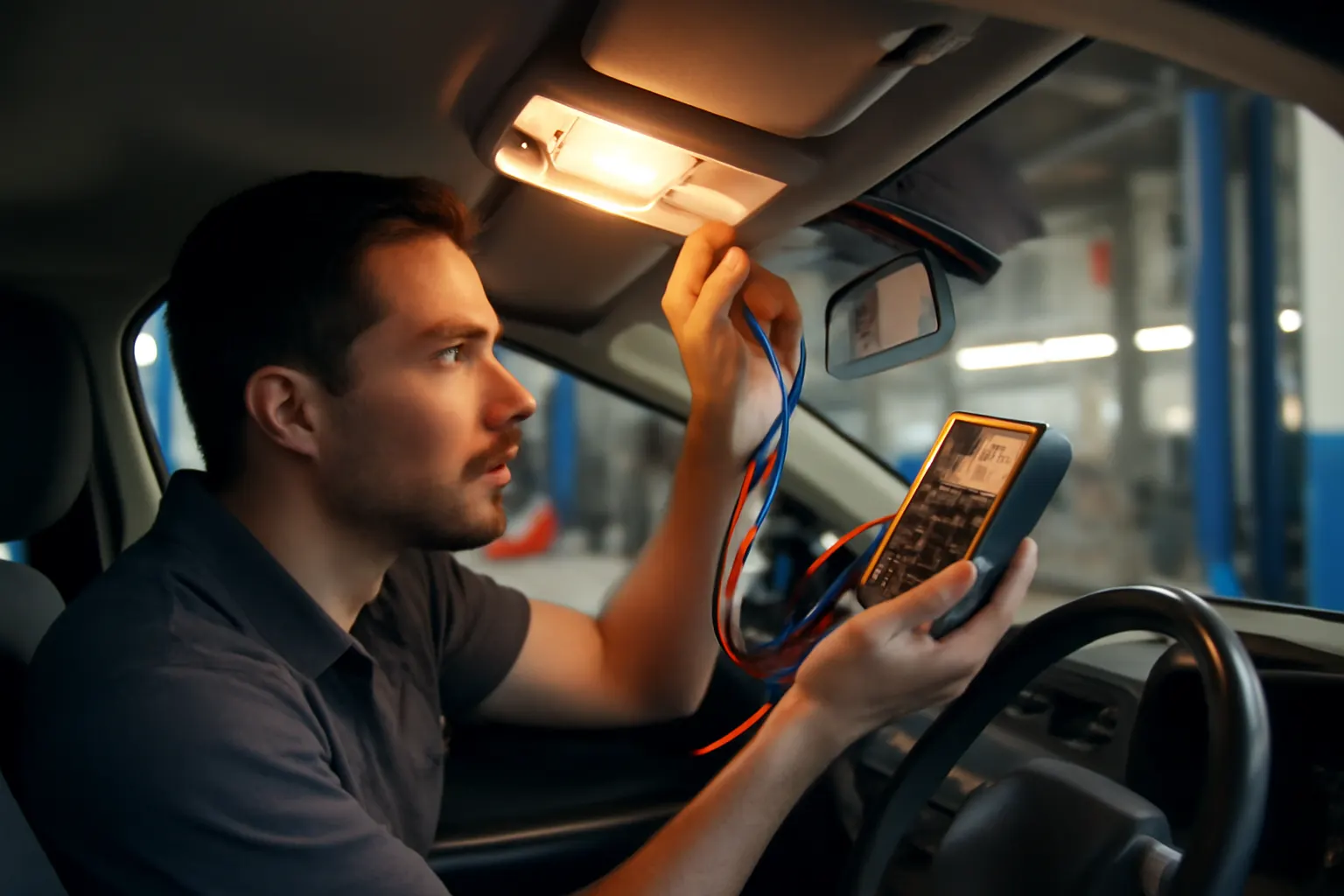
Diagnosing Common Interior Light Failures
If your car’s interior lights suddenly stop working, don’t panic. Most issues stem from a handful of common, easily diagnosed causes. Here’s a rapid checklist to get you started: Check the Bulb: Most interior lights use replaceable bulbs (incandescent or LED). Remove the lens and inspect for blackened or broken filaments. Test the Switch: Toggle the light switch (on, off, and door positions) to see if any setting restores function.
Read More
Understanding Automotive Electrical Systems
Automotive electrical systems are the backbone of your vehicle’s lighting, comfort, safety, and infotainment features. Whether you’re troubleshooting a flickering dome light, upgrading to energy-efficient LEDs, or tracing a power drain, understanding the electrical architecture behind your car’s lighting—both interior and exterior—is essential for effective diagnosis, repair, and customization. This guide provides a practical, in-depth look at how automotive electrical systems work, common failure points, and actionable steps to ensure your lighting stays reliable and up to modern standards.
View Guide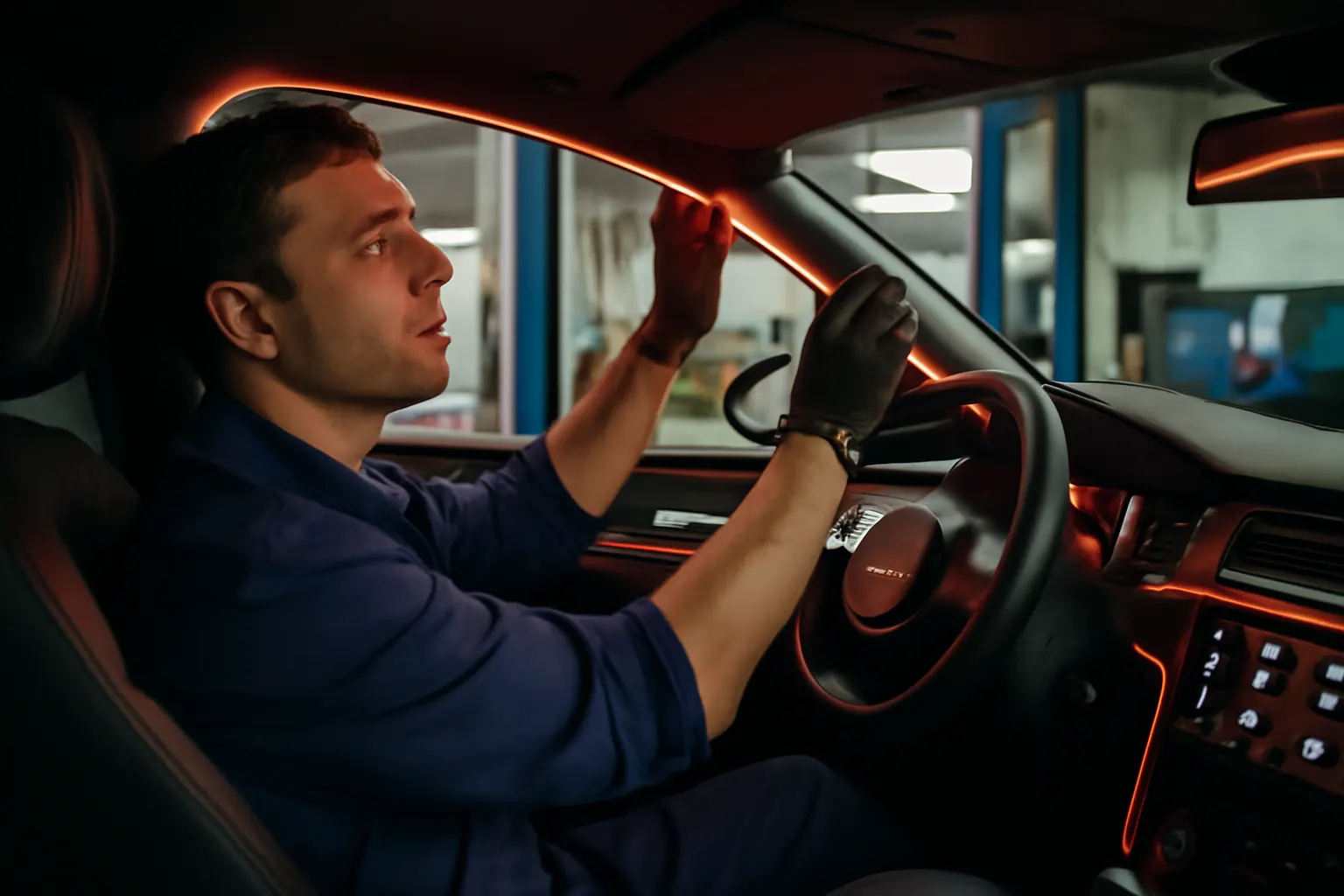
Ambient Lighting Trends in Modern Vehicles
Ambient lighting has rapidly evolved from a luxury feature exclusive to high-end vehicles into a mainstream element, fundamentally transforming the driving experience and interior aesthetics of modern cars. Whether you drive an Acura, a domestic brand, or a European import, understanding current ambient lighting trends is crucial if you’re considering a cabin upgrade or want to keep pace with automotive innovation.
Read More