Ambient Lighting Trends in Modern Vehicles
Ambient lighting has rapidly evolved from a luxury feature exclusive to high-end vehicles into a mainstream element, fundamentally transforming the driving experience and interior aesthetics of modern cars. Whether you drive an Acura, a domestic brand, or a European import, understanding current ambient lighting trends is crucial if you’re considering a cabin upgrade or want to keep pace with automotive innovation. This comprehensive guide explores how ambient lighting is reshaping vehicle interiors, the challenges of customization, and what you should consider for safe, effective, and stylish installation.
The Rise of Ambient Lighting: Immediate Impact on Modern Interiors
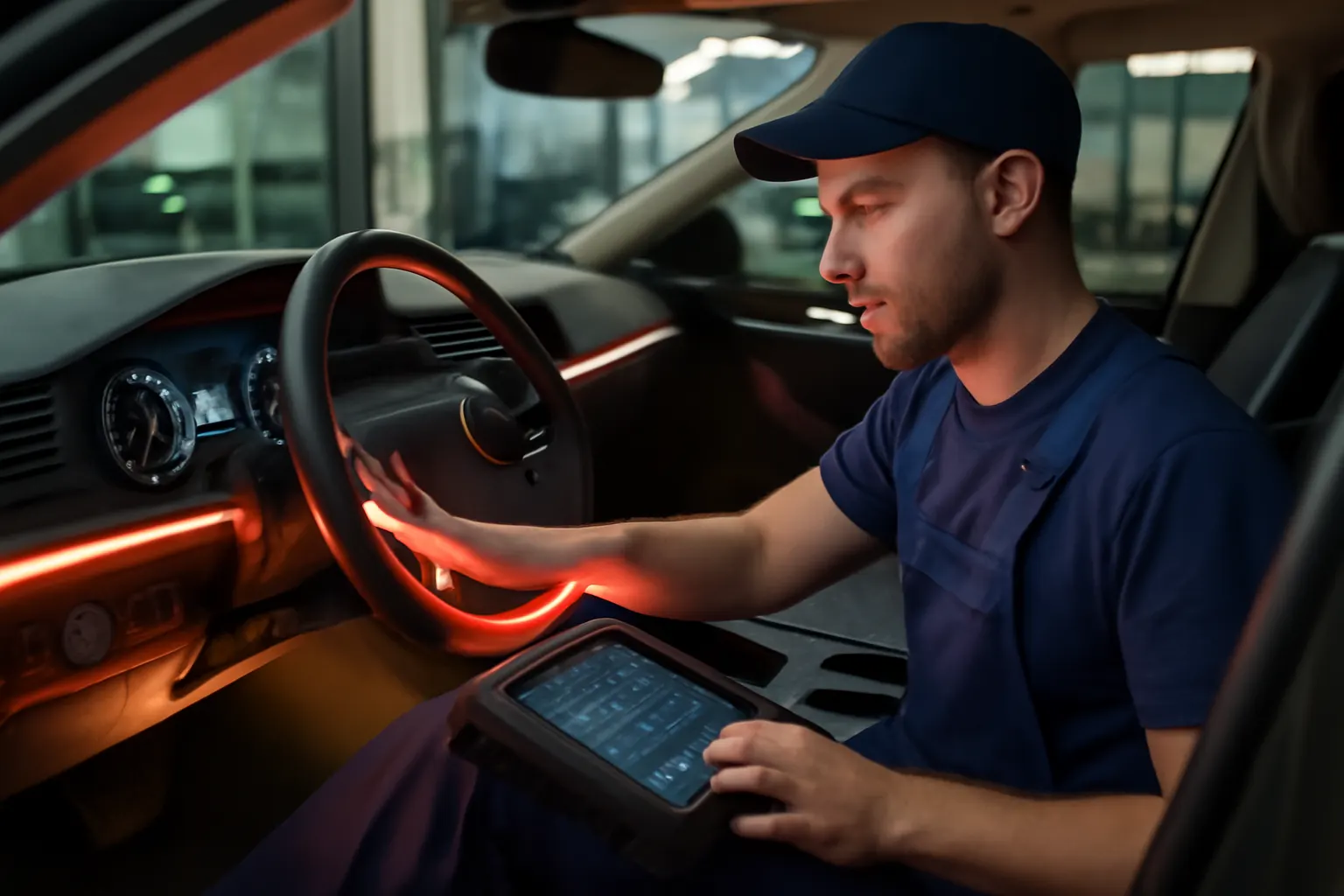
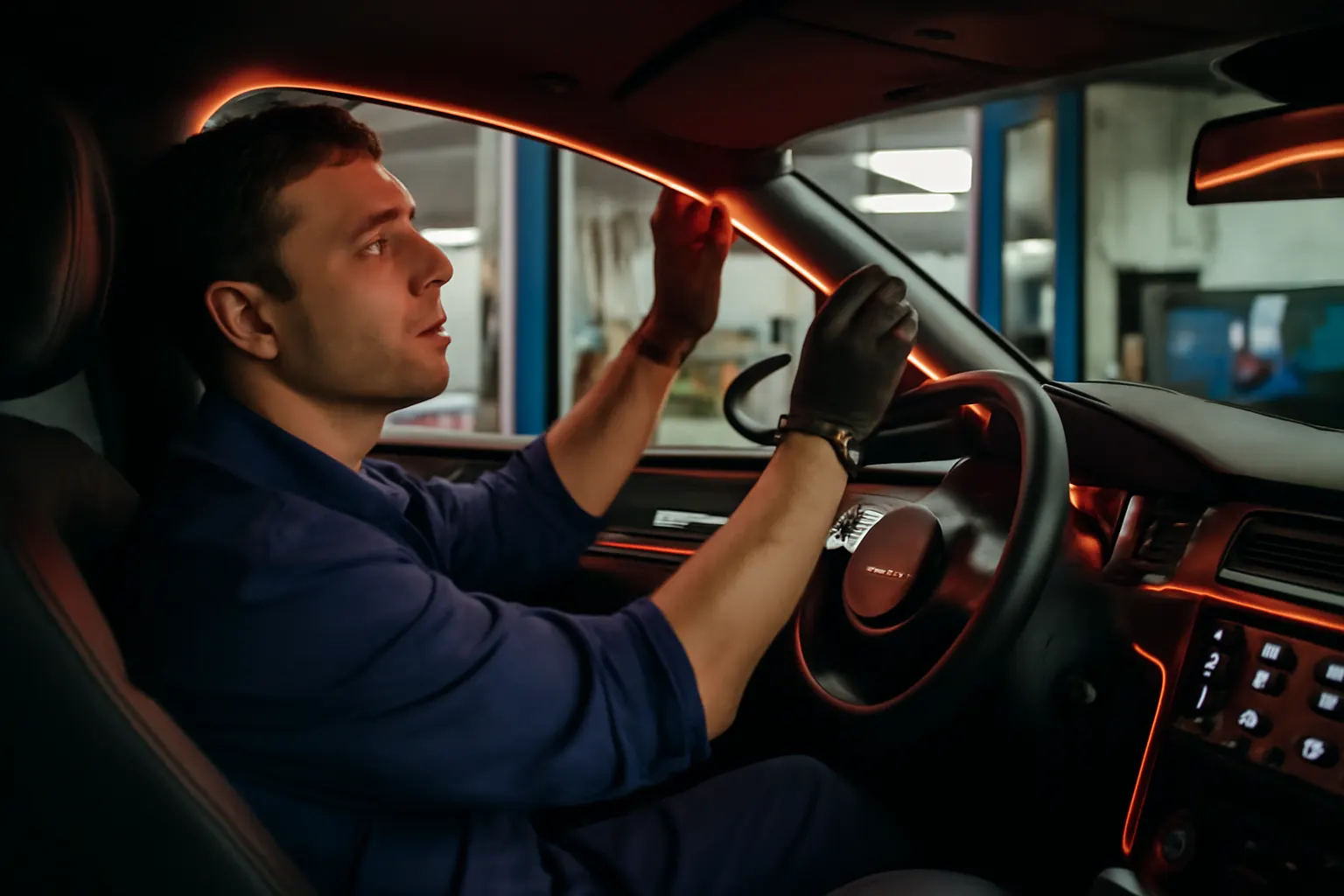
Ambient lighting is more than just an aesthetic enhancement. In today’s vehicles, it serves multiple purposes: improving cabin visibility, reducing driver fatigue, supporting safety, and contributing to the vehicle’s overall brand identity. Automakers now use customizable LED lighting strips, illuminated trim, and even light-projected logos to create immersive environments that can be tailored to driver mood or driving conditions.
For vehicle owners, ambient lighting offers a unique opportunity to personalize the cabin. Whether through subtle footwell illumination or dramatic multi-color dashboards, the trend is clear: interior lighting is now a critical component of the modern automotive experience. For a broader look at lighting system options, see our Interior Light Systems: Complete Guide to Automotive Cabin Illumination.
The Hidden Challenge: Balancing Style, Safety, and System Compatibility
While customizing ambient lighting can elevate your car’s interior, it comes with hidden pitfalls. Not every lighting kit is compatible with every vehicle. Improper installation can lead to electrical faults, system interference, or, in the worst cases, safety hazards. Regulatory requirements from agencies like the National Highway Traffic Safety Administration (NHTSA) must also be considered to avoid equipment violations or warranty issues.
Additionally, poorly planned upgrades can drain your battery, create distracting glare, or interfere with critical systems such as airbags, infotainment, or climate controls. The challenge isn’t just about choosing the right color or brightness; it’s about ensuring your upgrades integrate seamlessly with your vehicle’s electrical architecture and safety systems.
Why Ambient Lighting Matters: Beyond Aesthetics
Ambient lighting’s surge in popularity is rooted in both technological advances and shifting consumer expectations. Modern LEDs offer energy efficiency, low heat output, and a vast spectrum of colors, making them ideal for automotive use. But the benefits extend far beyond looks:
- Driver Comfort and Safety: Properly designed ambient lighting reduces eye strain and helps drivers locate controls without taking their eyes off the road.
- Brand Differentiation: Automakers use signature lighting patterns to reinforce brand identity, from Mercedes-Benz’s customizable LED strips to BMW’s dynamic interior accents.
- User Experience: Vehicles equipped with ambient lighting often feature app-based controls, allowing drivers to adjust brightness and color schemes, set welcome animations, or synchronize lighting with music.
The bottom line: ambient lighting is now a functional, safety-related, and brand-defining feature—no longer just an afterthought.
Core Technologies Driving Ambient Lighting Trends
Ambient lighting systems have evolved rapidly, thanks to advancements in materials, electronics, and control systems. Here’s a breakdown of the technologies shaping today’s automotive interiors:
1. LED Innovation
Modern ambient lighting relies heavily on LED (Light Emitting Diode) technology. LEDs offer several key advantages:
- Efficiency: Lower power consumption compared to incandescent bulbs, supporting overall fuel efficiency.
- Longevity: LEDs typically last the life of the vehicle, reducing maintenance.
- Color Versatility: RGB LEDs can produce millions of colors, enabling endless customization.
2. Fiber Optic Integration
Some luxury vehicles use fiber optic cables to distribute light evenly along interior panels, creating seamless illuminated accents. This technique allows for sharper, more uniform lines of light and can be integrated into trim pieces, dashboards, and door panels.
3. Digital Controls and Smart Integration
Ambient lighting systems are increasingly tied to vehicle infotainment systems, allowing for app-based or voice-activated control. Some systems even adjust lighting based on drive mode, time of day, or ambient light sensors.
4. Material Advancements
New materials—such as translucent plastics, laser-etched trim, and advanced adhesives—enable more creative and durable lighting installations. These materials also support weight reduction, which aligns with broader automotive materials technologies trends.
Ambient Lighting and Vehicle Safety: What You Need to Know
Safety is a top priority in any vehicle modification, and ambient lighting is no exception. The NHTSA provides guidelines to ensure that interior lighting does not distract drivers or interfere with the visibility of critical information.
Key safety considerations include:
- Glare and Reflection: Illumination must not create glare on windows or mirrors.
- Color Selection: Certain colors (like blue or red) may be restricted in some jurisdictions due to their association with emergency vehicles.
- System Integration: Lighting upgrades should not interfere with airbags, sensors, or diagnostic systems.
Before modifying your interior lights, review the Vehicle Safety and Equipment standards and consult your vehicle’s service manual.
Customizing Ambient Lighting: Options and Considerations
Personalizing your vehicle’s ambient lighting is a popular project for enthusiasts and everyday drivers alike. Here are the main options and considerations:
Factory vs. Aftermarket Kits
- Factory Systems: Many new vehicles offer built-in ambient lighting packages, often with customizable settings accessible through the infotainment system.
- Aftermarket Kits: A wide variety of kits are available, ranging from simple plug-and-play LED strips to complex fiber optic systems. Quality and compatibility vary widely.
Color and Placement
- Zones: Common lighting zones include footwells, door panels, cup holders, dashboards, and headliners.
- Color Options: RGB kits allow for full-spectrum customization, while some kits offer only a few preset colors.
Control Interfaces
- Manual Switches: Basic kits use simple switches or remotes.
- App Integration: Higher-end systems offer smartphone control, voice activation, and programmable modes.
Compatibility Checklist
Before purchasing, consider:
- Is the kit compatible with your vehicle’s voltage and wiring?
- Does it require splicing or is it plug-and-play?
- Will it integrate with your existing lighting system?
- Does it meet local safety and regulatory standards?
Installation Challenges: What Can Go Wrong?
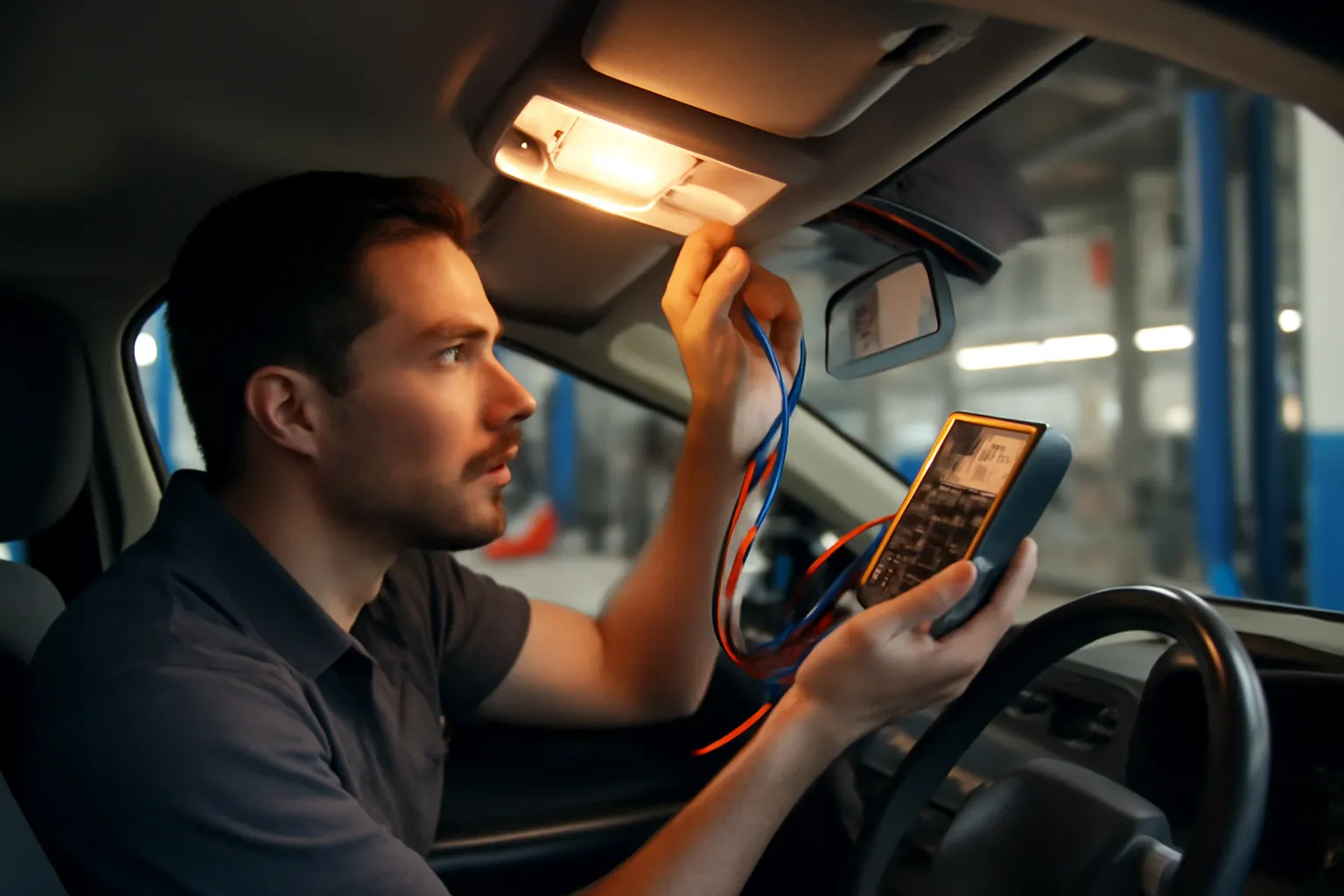
DIY ambient lighting installation is appealing, but it carries risks if not approached carefully. Common pitfalls include:
- Electrical Overload: Adding too many LEDs can overload circuits, blow fuses, or drain the battery.
- Poor Connections: Loose or poorly insulated wiring can cause shorts, flickering, or system failures.
- Interference: Incorrect routing may interfere with airbag wiring, climate controls, or infotainment systems.
- Aesthetic Issues: Uneven lighting, mismatched colors, or visible wiring can detract from the intended effect.
Step-by-Step Ambient Lighting Installation Checklist
To avoid common pitfalls, follow this comprehensive installation checklist:
- Research Compatibility
- Confirm voltage and wiring compatibility with your vehicle.
- Verify kit quality and certifications (look for SAE or similar standards).
- Gather Tools and Supplies
- Wire strippers, crimpers, electrical tape, multimeter, trim removal tools.
- Soldering iron (if needed), zip ties, adhesive pads.
- Plan Lighting Layout
- Identify desired zones (footwells, doors, dash, etc.).
- Measure lengths and map out wiring paths.
- Disconnect the Battery
- Prevent accidental shorts or airbag deployment.
- Test Components
- Bench-test LEDs and controllers before installation.
- Install Lighting
- Secure strips or fibers with adhesive or mounting clips.
- Route wiring away from moving parts and sensitive systems.
- Make Electrical Connections
- Use proper connectors or solder joints for reliability.
- Tap into appropriate power sources (often accessory circuits).
- Test System Function
- Reconnect battery, test all lighting zones, and verify control interfaces.
- Check for Interference
- Ensure no warning lights or system malfunctions appear.
- Test all vehicle functions (airbags, HVAC, infotainment).
- Finalize and Secure
- Tidy wiring, secure with zip ties, replace trim panels.
- Compliance Review
- Ensure lighting does not create glare, distraction, or regulatory issues.
Diagnosing Common Ambient Lighting Issues
Even well-installed systems can develop problems over time. Here’s how to diagnose common faults:
- Flickering or Intermittent Lighting: Check for loose connections, failing LEDs, or overloaded circuits.
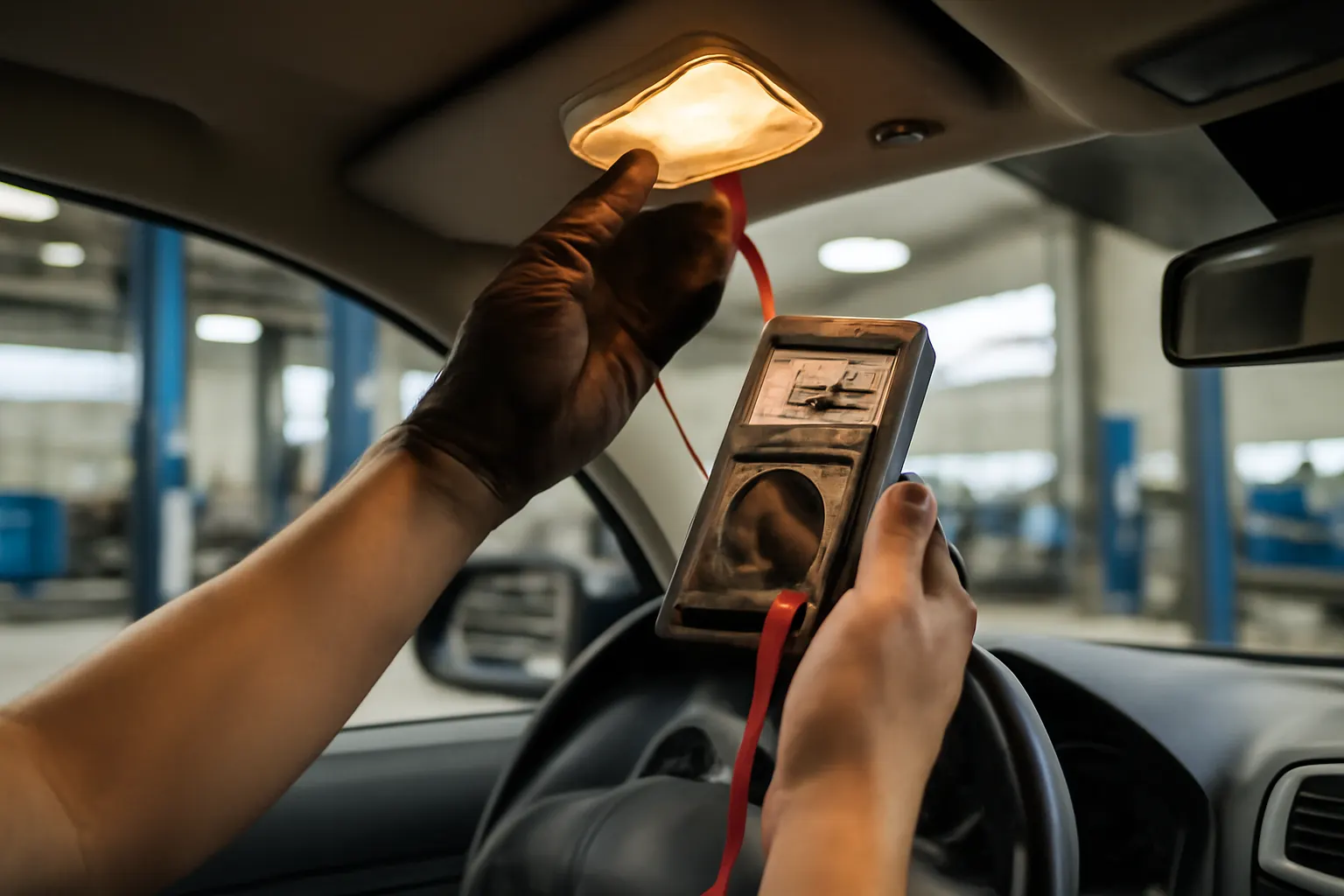
- Complete Failure: Inspect fuses, power taps, and ground connections. Use a multimeter to trace voltage.
- Color Mismatch or Incomplete Zones: Verify controller function and check for damaged or disconnected leads.
- Error Codes or Malfunctions: If the installation caused warning lights or system errors, disconnect the lighting and inspect for interference with vehicle networks or critical wiring.
For a deeper dive into troubleshooting, consult our guide on Diagnosing Common Interior Light Failures.
Maintenance Tips for Ambient Lighting Systems
Routine maintenance ensures your ambient lighting remains safe, functional, and visually appealing:
- Inspect connections annually for corrosion or looseness.
- Clean illuminated surfaces with a soft, damp cloth—avoid harsh chemicals that can cloud plastics.
- Update software if your system uses app-based controls.
- Monitor battery health if you notice dimming or slow response from lighting systems.
- Check for regulatory changes in your area regarding interior lighting colors or brightness.
Buying Guide: How to Choose the Right Ambient Lighting Kit
Selecting the right ambient lighting kit involves more than picking your favorite color. Use this buying guide to make an informed choice:
Essential Criteria
- Vehicle Compatibility: Check for vehicle-specific kits or universal options with detailed wiring instructions.
- Quality and Certification: Look for products tested to SAE Standards or other recognized benchmarks.
- Control Options: Decide if you want manual, remote, or app-based controls.
- Expandability: Some kits allow you to add more zones or integrate with other vehicle systems.
- Warranty and Support: Choose brands with clear warranty terms and accessible customer support.
Top Questions to Ask
- Will the kit integrate with my factory lighting system?
- Are installation instructions clear and vehicle-specific?
- Does the manufacturer provide technical support or troubleshooting guides?
- Are replacement parts (controllers, LEDs) readily available?
For those considering a full upgrade, our editorial on How to Upgrade Your Vehicle's Interior Lights to LED offers detailed guidance on LED retrofits.
The Future of Ambient Lighting: Trends to Watch
The next generation of ambient lighting will extend beyond color and brightness, integrating advanced sensors, adaptive controls, and even biometric feedback. Key trends include:
- Dynamic Lighting Scenes: Lighting that changes based on drive mode, climate, or time of day.
- Health and Wellness Integration: Use of specific color temperatures to promote alertness or relaxation.
- Personalization Profiles: Memory settings that adjust lighting for individual drivers.
- Sustainability: Continued focus on energy efficiency and recyclable materials, supporting broader fuel and environmental goals.
Expect automakers to further integrate ambient lighting with other smart systems, such as voice assistants and advanced driver-assistance features.
Regulatory and Safety Considerations: Staying Compliant
Regulatory compliance is non-negotiable when it comes to in-cabin lighting. The NHTSA and other agencies provide clear guidance on what is—and isn’t—permissible.
- Brightness Limits: Excessively bright lighting can be a distraction and may be illegal in some regions.
- Color Restrictions: Certain colors, especially blue and red, may be restricted due to their use in emergency vehicles.
- Installation Standards: All modifications must maintain the integrity of safety-critical systems, such as airbags and diagnostic circuits.
For additional details on compliance and safety, consult the Vehicle Safety and Equipment resource.
Integrating Ambient Lighting with Other Interior Systems
Ambient lighting doesn’t exist in a vacuum—it often interacts with other in-cabin systems:
- Climate Controls: Some vehicles synchronize lighting with temperature settings (e.g., red for heat, blue for cooling).
- Infotainment Integration: Lighting can respond to music, navigation prompts, or incoming calls.
- Safety Alerts: Advanced systems may use lighting to draw attention to hazards or system warnings.
When planning an upgrade, consider how lighting will interface with your vehicle’s electrical and control systems. For a foundational understanding, review Understanding Automotive Electrical Systems.
AutoPartEx: Your Partner in Interior Lighting Upgrades
At AutoPartEx, we recognize that ambient lighting is both an art and a science. Our curated selection of interior lighting components, technical guides, and diagnostic resources empower you to upgrade your vehicle with confidence—whether you’re aiming for subtle sophistication or a bold, custom look. Our commitment to quality, safety, and technical accuracy ensures that your investment enhances both style and functionality.
Browse our extensive Interior Light Systems: Complete Guide to Automotive Cabin Illumination for everything you need to know about lighting technologies, installation best practices, and product recommendations.
Conclusion: Transform Your Cabin, Drive with Confidence
Ambient lighting is redefining the modern driving experience—offering not just style, but real functional and safety benefits. By understanding the technology, planning carefully, and sourcing quality components, you can achieve a professional, compliant upgrade that will delight for years to come. Whether you’re upgrading a daily driver or customizing a show car, the right lighting makes all the difference.