
Maybach Auto Parts
What to Know Before Buying Maybach Auto Parts Online
Maybach vehicles represent the pinnacle of luxury, but maintaining them requires attention to unique details. Before purchasing replacement parts, owners should consider not only compatibility but also the nuances of recalls, repair documentation, and part sourcing. This guide walks you through essential steps and evidence-backed practices for confidently selecting Maybach auto parts, ensuring your investment is protected and your vehicle remains in top condition.
0 Maybach Auto Parts
Advertisement
No Products Found
We're currently updating our inventory for Maybach parts.
Please check back soon or contact us for specific part availability.
More Maybach options
Filtering for MaybachBrowse nearby inventory for this model without leaving the page. Use search to filter by price, part number, or city.
No Data Available
Please check back soon when more inventory is available for this part.
Advertisement
Why Maybach Owners Should Look Beyond the Obvious in Parts Selection
When it comes to maintaining a Maybach, many owners focus on the prestige and comfort these vehicles offer, but may overlook the complexities involved in sourcing replacement parts. Unlike more common brands, Maybach components can be rare, and their sourcing involves more than just checking a catalog number. The ultra-luxury status of Maybach means that parts availability, authenticity, and even regulatory coverage can differ from mainstream vehicles. As a result, a careful approach is essential to avoid costly mistakes or compatibility issues.
One often-overlooked consideration is how the rarity of Maybach models affects the parts market. Because these vehicles are produced in limited numbers, the supply chain for their components is less robust than for mass-market brands. This scarcity can lead to higher prices, longer wait times, and a greater risk of encountering counterfeit or misrepresented parts. Owners should be especially vigilant about verifying the authenticity and provenance of any replacement component, as well as understanding the implications of using non-OEM or salvage parts.
Another key factor is the regulatory environment for recalls and safety campaigns. Maybach, as an ultra-luxury brand, may not always be included in broad recall databases or may have different reporting standards. Owners who assume that all recalls are automatically tracked or that their vehicle is covered by general safety alerts may miss critical updates. This makes it vital to understand how to check for recalls specific to your Maybach and to stay proactive about safety communications, rather than relying solely on mainstream resources.
Understanding the Unique Challenges of Maybach Parts and Recalls
Maybach vehicles, due to their exclusivity, present unique challenges when it comes to maintenance and parts replacement. Unlike mainstream brands, where parts are widely available and recall information is easily accessible, Maybach owners must navigate a more complex landscape. The limited production numbers mean that even authorized dealerships may not always have the necessary components in stock, and third-party suppliers might not be able to guarantee fitment or authenticity. This scarcity not only affects the cost and lead time for repairs but also raises the stakes for ensuring that any part purchased is genuine and suitable for the vehicle.
The recall process for Maybach vehicles also differs from that of more common brands. According to the National Highway Traffic Safety Administration (NHTSA), safety recalls for small vehicle manufacturers, including some ultra-luxury brands, may not always be listed in the main recall databases. This means that owners could miss important safety updates if they rely solely on standard recall lookup tools. Furthermore, recalls for international vehicles or those more than 15 years old may not be included, which is particularly relevant for Maybach models that are often kept for extended periods or imported from overseas markets. Owners must therefore take extra steps to verify recall status and ensure their vehicle's safety.
Another issue is the lack of standardized repair practices and documentation for Maybach vehicles. While general auto repair advice exists, such as that provided by the Federal Trade Commission (FTC), these guidelines do not account for the specific requirements of ultra-luxury vehicles. For example, the FTC recommends obtaining written estimates and repair orders, but Maybach repairs may require specialized knowledge or equipment that not all shops possess. This lack of standardization can lead to inconsistent repair quality, making it even more important for owners to seek out experienced technicians and reputable parts suppliers.
The complexity of Maybach systems further complicates the repair and parts replacement process. These vehicles often feature advanced electronics, custom interiors, and proprietary components that are not interchangeable with those from other Mercedes-Benz models, despite the shared corporate lineage. As a result, generic parts or repair procedures may not be suitable, and using them could compromise the vehicle's performance, safety, or resale value. Owners must therefore be diligent in confirming that any replacement part is specifically designed for their Maybach model and year.
Additionally, the high value and collectability of Maybach vehicles mean that documentation and provenance are especially important. Incomplete or inaccurate records of parts replacement or repairs can significantly impact the vehicle's market value, particularly for collectors or those considering resale. This underscores the need for meticulous record-keeping and transparency when sourcing and installing replacement parts. Owners should insist on detailed invoices, part numbers, and technician credentials to maintain the integrity of their investment.
Finally, the global nature of the Maybach brand introduces further complications. Some models may have been originally sold in markets with different regulatory standards or parts specifications, making it challenging to verify compatibility or recall status in the United States. Owners of imported Maybach vehicles should be particularly cautious, as recalls or service campaigns conducted internationally may not be recognized by U.S. authorities or covered by domestic parts suppliers. This necessitates a thorough understanding of both the vehicle's origin and the specific requirements of the U.S. market when sourcing replacement parts.
Practical Steps for Selecting and Verifying Maybach Auto Parts
Given the unique challenges associated with Maybach vehicles, a structured approach to parts selection and verification is essential. The first step is to accurately identify your vehicle using the 17-character Vehicle Identification Number (VIN), which can be found on the lower left of your windshield, registration card, or insurance documents. This VIN is crucial for confirming the exact model, year, and market specification of your Maybach, which in turn determines the correct replacement parts. Avoid relying solely on catalog listings or generic model names, as small differences in trim or production year can result in significant compatibility issues.
Once you have your VIN, use it to check for any outstanding recalls or service campaigns. The NHTSA provides a VIN lookup tool that can reveal if your specific vehicle has unrepaired recalls, but it's important to note that not all Maybach recalls may be listed, especially for older or imported models. If no open recalls are found, this does not necessarily mean your vehicle is free of safety issues; it may simply indicate that the recall has been repaired, is not covered by U.S. databases, or has not yet been identified. For imported or rare models, consider contacting the manufacturer or an authorized Maybach dealer directly for the most up-to-date recall information.
When sourcing parts, prioritize reputable suppliers who can provide detailed documentation regarding the origin, condition, and compatibility of each component. The FTC advises consumers to distinguish between new, remanufactured, and salvage parts, as each type carries different implications for quality and warranty coverage. For Maybach vehicles, new or OEM parts are generally preferred to preserve value and performance, but remanufactured components may be acceptable if sourced from a trusted provider. Salvage parts, while potentially more affordable, should be used with caution and only when their provenance and condition can be thoroughly verified.
Before authorizing any repair or installation, obtain a written estimate that clearly identifies the condition to be repaired, the parts required, and the anticipated labor charges. For complex or high-cost repairs, seek a second opinion from a shop with demonstrated experience servicing Maybach vehicles. Ask about the technician's qualifications, access to specialized tools, and familiarity with your specific model. This due diligence can help prevent costly errors and ensure that the repair is performed to the highest standards.
After the repair is completed, request a detailed repair order that lists the work performed, parts used (including part numbers and sources), labor costs, and odometer readings. This documentation is not only important for maintaining your vehicle's service history but also for protecting its resale value and ensuring transparency in the event of future warranty claims or disputes. Keep all records organized and accessible, as they may be required for insurance, resale, or collector verification purposes.
For ongoing maintenance, refer to the manufacturer's recommended service schedule as outlined in your Maybach owner's manual. Compare any additional services or parts replacements proposed by repair shops with this schedule, and ask for a clear explanation of why extra work is needed. This helps avoid unnecessary expenses and ensures that your vehicle receives only the care it truly requires. If you are unsure about a recommendation, do not hesitate to seek clarification or consult another expert.
If you are considering aftermarket or third-party parts, conduct thorough research to ensure they meet the same standards as OEM components. Look for evidence of independent testing, certifications, or positive reviews from other Maybach owners. Be wary of parts that lack clear documentation or come from unfamiliar sources, as these may not provide the same level of quality or reliability. When in doubt, consult with a Maybach specialist or authorized dealer before making a purchase.
Finally, stay informed about the latest developments in Maybach maintenance, recalls, and parts availability by subscribing to manufacturer alerts, joining owner forums, or using dedicated apps such as NHTSA's SaferCar. Regularly checking for updates can help you address potential issues proactively and maintain your vehicle's safety and value over time. By following these practical steps, you can navigate the complexities of Maybach parts selection with confidence and ensure the continued enjoyment of your ultra-luxury vehicle.
Evidence-Based Guidance for Maybach Parts and Recall Management
The National Highway Traffic Safety Administration (NHTSA) provides essential guidance on how vehicle recalls are managed and how owners can check their recall status. According to the NHTSA, every vehicle has a unique VIN that can be used to search for unrepaired recalls specific to that vehicle. However, the NHTSA explicitly notes that safety recalls conducted by small vehicle manufacturers, including some ultra-luxury brands like Maybach, may not always appear in the main recall databases. This means that Maybach owners cannot rely solely on the NHTSA database to confirm their vehicle's recall status, especially for older or imported models. Instead, they should supplement their search by contacting the manufacturer or authorized dealer directly for the most accurate information NHTSA: Vehicle Recalls.
The NHTSA also outlines the recall process, emphasizing that manufacturers are required to notify registered owners by mail within 60 days of announcing a recall. Owners are instructed to follow any interim safety guidance provided and to contact their local dealership for free repairs. However, the NHTSA warns that some recalls may not be covered if they are more than 15 years old or if the vehicle is an international import. This is particularly relevant for Maybach vehicles, which are often imported or kept for extended periods. As a result, owners must be proactive in registering their vehicle and checking for updates, rather than assuming that all recalls will be automatically communicated or covered NHTSA: Vehicle Recalls.
General consumer repair advice from the Federal Trade Commission (FTC) reinforces the importance of obtaining written repair estimates and completed repair orders for all auto repairs. The FTC distinguishes between new, remanufactured, and salvage parts, noting that each type has different implications for quality and warranty coverage. While these recommendations are not specific to Maybach vehicles, they provide a useful framework for evaluating parts suppliers and repair shops. In the context of ultra-luxury vehicles like Maybach, these guidelines underscore the need for extra diligence in verifying the authenticity and suitability of replacement parts FTC: Auto Repair Basics.
The FTC also advises consumers to compare repair shop recommendations with the manufacturer's maintenance schedule and to ask for explanations when extra services are proposed. This is especially important for Maybach owners, as unauthorized or unnecessary repairs can negatively impact the vehicle's value and performance. By adhering to the manufacturer's guidelines and keeping detailed records of all maintenance and repairs, owners can protect their investment and ensure the long-term reliability of their vehicle FTC: Auto Repair Basics.
While the NHTSA and FTC provide valuable general guidance, neither source offers vehicle-specific technical specifications or guarantees regarding the fitment of particular parts for Maybach models. This means that owners must take additional steps to verify compatibility, such as consulting the owner's manual, contacting authorized dealers, or seeking advice from experienced Maybach technicians. Relying solely on catalog listings or generic compatibility claims can lead to costly errors, as Maybach vehicles often feature unique components that are not interchangeable with those from other Mercedes-Benz models or mainstream brands.
The evidence also highlights the importance of documentation and transparency in the repair process. Both the NHTSA and FTC recommend maintaining detailed records of all repairs, parts used, and technician credentials. For Maybach owners, this is particularly important due to the high value and collectability of these vehicles. Incomplete or inaccurate records can significantly diminish the vehicle's market value and complicate future warranty claims or resale transactions. By insisting on thorough documentation and working with reputable suppliers and repair shops, owners can safeguard their investment and maintain the integrity of their vehicle.
In summary, the available evidence supports a cautious and methodical approach to Maybach parts selection and recall management. Owners should use their VIN to check for recalls, but recognize the limitations of public databases for ultra-luxury brands. They should prioritize new or OEM parts, obtain written estimates and repair orders, and keep meticulous records of all maintenance and repairs. By following these evidence-based practices, Maybach owners can navigate the complexities of parts sourcing and ensure the continued safety, performance, and value of their vehicle.
Take the Next Step Toward Confident Maybach Ownership
Owning a Maybach is a unique privilege, but it comes with responsibilities that go beyond routine maintenance. By staying informed, verifying parts and recalls, and insisting on thorough documentation, you can protect your investment and enjoy the unparalleled luxury your vehicle offers. Start by gathering your VIN, checking for recalls through both public databases and authorized dealers, and partnering with reputable suppliers for all your parts needs. For more guidance and access to quality Maybach components, explore our dedicated Maybach parts catalog today.
References
- NHTSA: Vehicle Recalls
- FTC: Auto Repair Basics
References
- NHTSA: Vehicle Recalls - NHTSA, accessed 2026-11-01
- FTC: Auto Repair Basics - FTC, accessed 2026-11-01
Related Guides & Articles
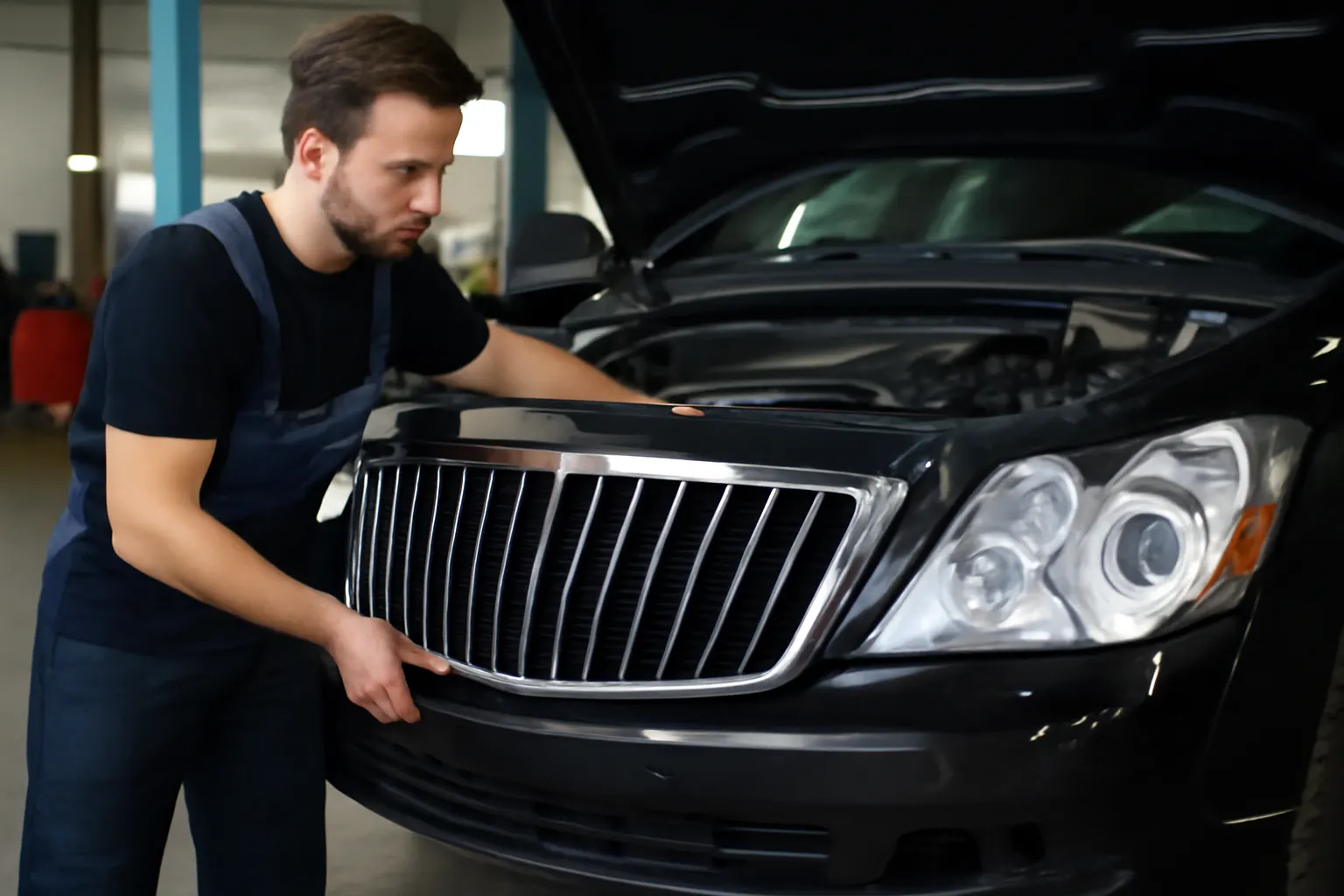
Case Study: Restoring a Maybach 57 with Genuine Parts
Restoring a Maybach 57 to its original luxury and performance standards is a challenge that demands more than automotive know-how—it requires a precise approach to sourcing, fitment, and quality assurance. In this case study, we walk through a full Maybach 57 restoration, focusing on why genuine parts are essential, how to navigate sourcing and installation hurdles, and the outcomes you can expect when you commit to authenticity.
Read More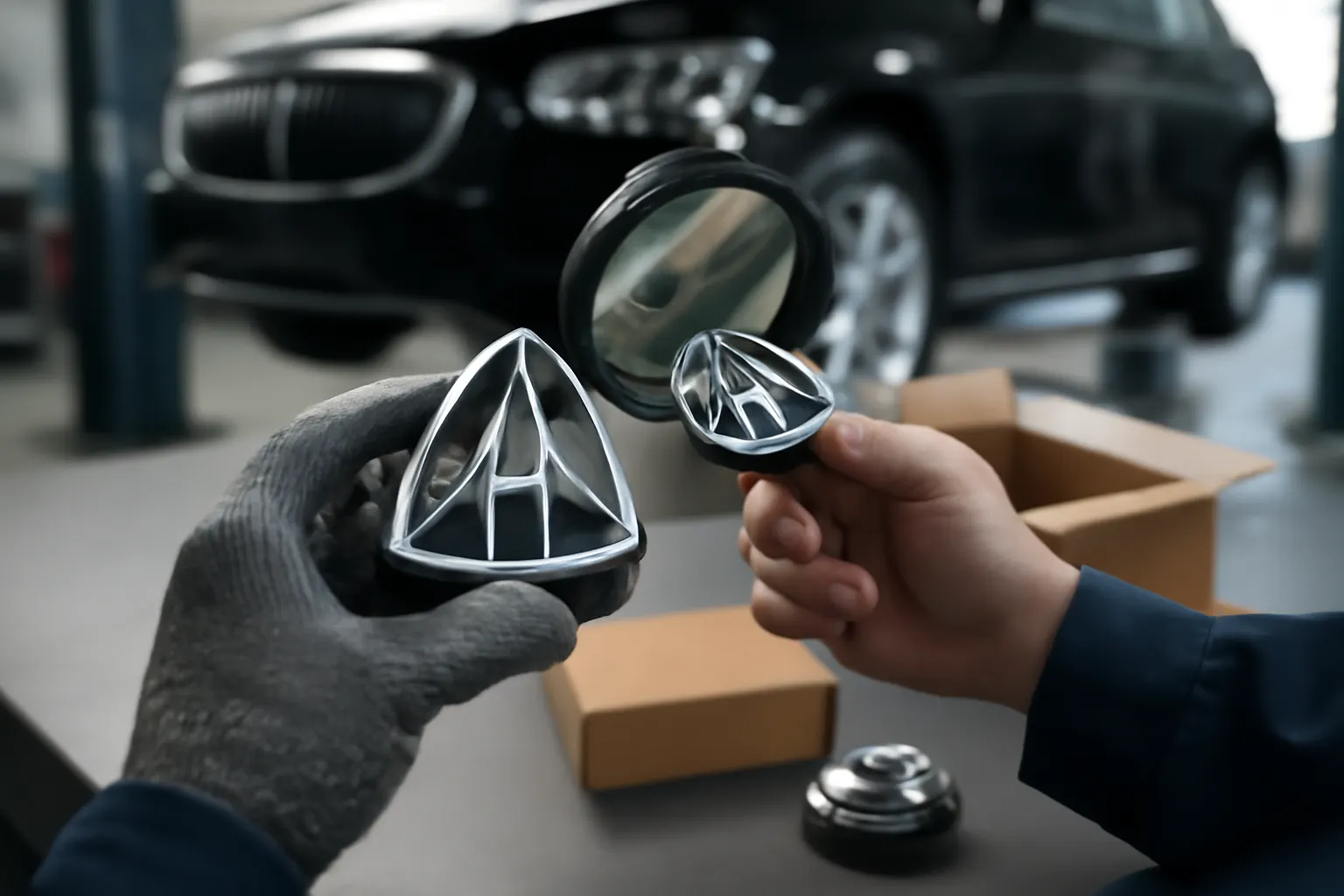
Spotting Counterfeit Maybach Parts: An Owner’s Checklist
Owning a Maybach is a statement of elegance, engineering excellence, and an unwavering commitment to quality. However, the rise of counterfeit automotive parts threatens not only the performance and value of your vehicle but also your safety. This comprehensive checklist empowers Maybach owners to confidently identify counterfeit parts using proven visual cues, serial number verification, and supplier documentation. Protect your investment and ensure the legendary Maybach experience by mastering these essential inspection techniques.
Read More
Maybach Maintenance: OEM vs Aftermarket Parts
When maintaining a Maybach, the decision between using genuine OEM (Original Equipment Manufacturer) parts and aftermarket alternatives is critical. For owners and technicians alike, this choice directly impacts long-term performance, reliability, and resale value. Genuine Maybach OEM parts are engineered to the brand’s exacting standards, ensuring seamless integration and optimal performance. Aftermarket parts offer broader choices and potential cost savings, but can introduce fitment, quality, and longevity concerns that are especially pronounced in ultra-luxury vehicles.
View Guide
Maybach Service Intervals & Diagnostic Essentials
Maybach vehicles represent the pinnacle of luxury and engineering precision. To preserve their legendary reliability and performance, strict adherence to service intervals and advanced diagnostics is essential. This guide delivers the definitive schedule for oil, brake, and battery maintenance, and details the diagnostic protocols required to keep your Maybach running at its peak. Maybach service intervals are engineered for longevity, safety, and performance.
View Guide