Advertisement
Owning a Maybach is a statement of elegance, engineering excellence, and an unwavering commitment to quality. However, the rise of counterfeit automotive parts threatens not only the performance and value of your vehicle but also your safety. This comprehensive checklist empowers Maybach owners to confidently identify counterfeit parts using proven visual cues, serial number verification, and supplier documentation. Protect your investment and ensure the legendary Maybach experience by mastering these essential inspection techniques.
For those seeking authentic Maybach components and further guidance, explore our Maybach Auto Parts: Heritage, Engineering, and Genuine Replacement Parts | AutoPartEx resource, which covers sourcing, fitment, and the unique standards behind genuine Maybach parts.
Why Counterfeit Parts Threaten Maybach Owners
Counterfeit auto parts are a global issue, but their impact is particularly severe for luxury marques like Maybach. Unlike generic aftermarket components, fakes targeting high-end vehicles often mimic branding and packaging with alarming accuracy. The hidden problem lies in what you can’t see: inferior materials, lack of proper testing, and disregard for crucial safety standards. These flaws can compromise everything from braking distance to fuel efficiency, putting both your investment and your safety at risk.
The National Highway Traffic Safety Administration (NHTSA) notes that counterfeit parts frequently fail to meet federal safety and performance standards, leading to increased risks of system failure and vehicle recalls. For a Maybach owner, one substandard part can undermine the seamless integration of advanced systems designed to deliver unparalleled comfort, performance, and safety NHTSA Equipment.
The Scope of the Problem: Counterfeits in the Luxury Segment
Maybach’s engineering pedigree is built on meticulous standards, with every component—from suspension bushings to infotainment modules—subject to rigorous quality control. Counterfeiters, however, are incentivized to cut corners, prioritizing appearance over substance. The consequences are often invisible until failure occurs: premature wear, electrical faults, or catastrophic safety lapses.
In the luxury segment, counterfeiters exploit the high price point of genuine parts, flooding online marketplaces and some independent suppliers with convincing fakes. Even seasoned mechanics can be fooled by counterfeit packaging and branding. As a result, Maybach owners must be especially vigilant when sourcing replacement parts, whether for routine maintenance or restoration projects.
Immediate Red Flags: Visual Inspection Essentials
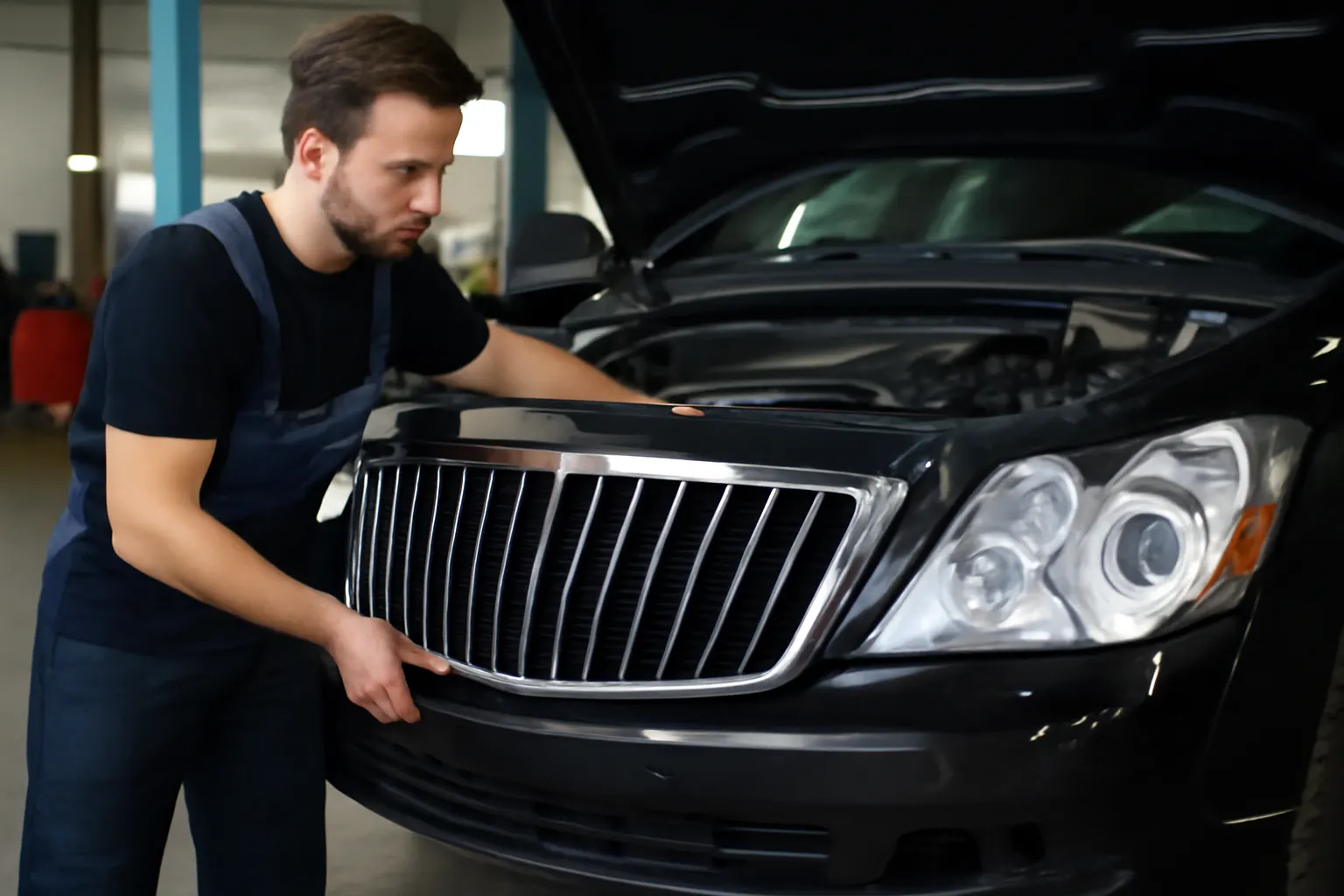
Visual inspection remains the first and most effective line of defense against counterfeit Maybach parts. Genuine Maybach components are manufactured to exacting standards, often with proprietary finishes, laser-etched serial numbers, and robust anti-tampering features. Counterfeits may look convincing at a glance but usually falter under close scrutiny.
Key visual cues for identifying counterfeit Maybach parts:
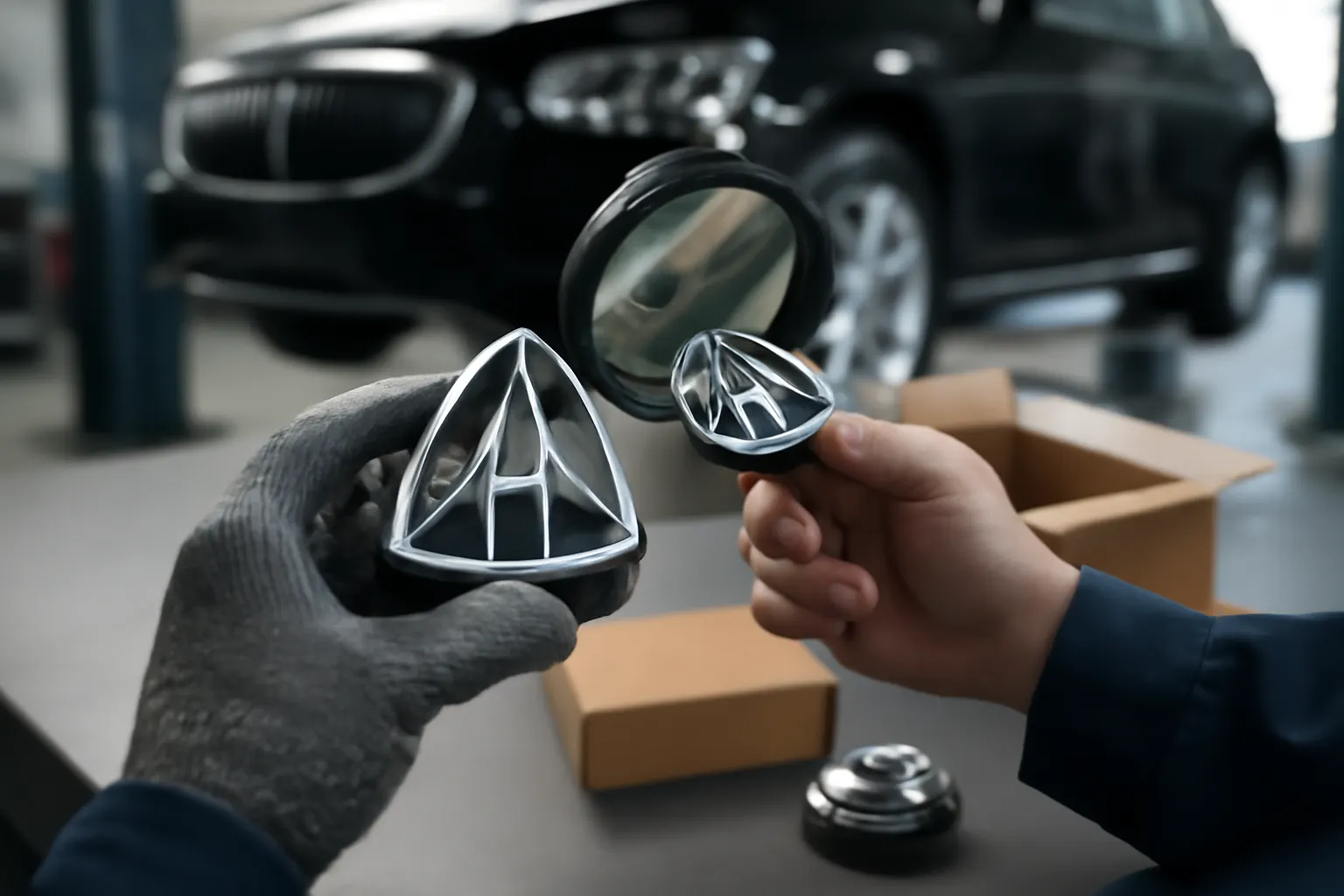
- Logo Quality: Genuine Maybach logos and Mercedes-Benz star emblems are crisp, with precise lines, correct proportions, and consistent coloring. Counterfeits may exhibit blurring, misalignment, or off-color printing.
- Material Finish: Authentic parts use premium materials—anodized alloys, high-grade plastics, and corrosion-resistant coatings. Fakes often use cheaper alternatives, leading to mismatched textures or premature surface wear.
- Packaging Details: Genuine packaging includes holographic seals, barcodes, and OEM part numbers. Counterfeits may lack these or display subtle differences in font, spacing, or logo placement.
- Fastener Quality: OEM parts feature uniform, high-strength fasteners, while counterfeits may substitute lower-grade hardware or omit critical washers, clips, or gaskets.
Performing a side-by-side comparison with a known genuine part is a powerful way to highlight discrepancies.
Serial Numbers and Authentication: The Maybach Standard
Maybach and parent company Mercedes-Benz rely on serialized part numbers and unique identifiers to track and authenticate components. These serial numbers are not just for inventory—they play a critical role in ensuring traceability, recall management, and quality assurance.
How to verify Maybach serial numbers:
Advertisement
- Location and Format: Genuine serial numbers are typically laser-etched or stamped directly onto the part, not on a sticker. The format should match Mercedes-Benz/Maybach conventions (e.g., A 222 320 09 38 for an air suspension strut).
- Database Cross-Check: Use the manufacturer’s online parts catalog or authorized dealer systems to verify the number. If possible, request a printout or screenshot of the database match.
- Tamper-Proof Features: Look for micro-engraving, QR codes, or holographic overlays associated with higher-value parts. These are difficult for counterfeiters to replicate accurately.
If a serial number is missing, poorly etched, or fails to match up in the official database, that’s a strong indicator the part is not genuine.
Supplier Documentation: The Paper Trail Matters
Reliable documentation is your next line of defense. Reputable suppliers of Maybach parts will provide detailed invoices, certificates of authenticity, and, where applicable, traceability records for each component.
What to request from your supplier:
- Official Invoice: Should list the full OEM part number, supplier contact details, and a clear description.
- Certificate of Authenticity: Especially for high-value or safety-critical components.
- Return/Recall Policy: Genuine parts come with manufacturer-backed return and recall policies. Counterfeiters rarely offer these.
If a supplier hesitates to provide documentation or offers vague, generic paperwork, proceed with caution.
The Owner’s Checklist: Spotting Counterfeit Maybach Parts
Below is a practical checklist to help Maybach owners systematically assess the authenticity of any part before installation:
| Inspection Point | Genuine Part Indicators | Counterfeit Red Flags |
|---|---|---|
| Logo & Branding | Crisp, consistent, laser-etched logos | Blurry, off-center, or stickered logos |
| Serial Number | Laser-etched/stamped, matches OEM database | Missing, stickered, or unverifiable numbers |
| Material Quality | Premium alloys/plastics, uniform finish | Cheap-feeling, inconsistent textures |
| Packaging | Holographic seal, barcode, OEM part number | Plain, missing security features |
| Documentation | Full invoice, certificate, recall policy | Vague, incomplete, or missing paperwork |
| Fasteners & Hardware | Uniform, high-strength, correct fitment | Mismatched, low-grade, missing pieces |
| Price | Consistent with OEM/MSRP | Substantially lower than market average |
| Supplier Reputation | Authorized dealer/partner, positive reviews | Unverified, negative feedback, no address |
Use this checklist before accepting delivery, and always compare against a known genuine part when possible.
SAE and NHTSA Standards: Why Genuine Matters
Maybach’s engineering philosophy is deeply rooted in compliance with global safety and performance standards. The Society of Automotive Engineers (SAE) and the National Highway Traffic Safety Administration (NHTSA) set rigorous benchmarks for everything from material strength to crashworthiness.
Why this matters for Maybach owners:
- SAE Standards: Genuine Maybach parts are designed, tested, and validated to SAE specifications, ensuring compatibility, durability, and safety. Counterfeit parts rarely undergo such scrutiny, increasing the risk of premature failure or system incompatibility SAE Standards.
- NHTSA Compliance: Federal regulations require critical vehicle systems—brakes, airbags, lighting—to meet strict safety standards. Counterfeit components can void compliance, increase accident risk, and complicate insurance claims NHTSA Equipment.
For owners, using non-compliant parts can have far-reaching consequences beyond immediate mechanical issues.
Real-World Risks: Safety, Performance, and Value
Installing counterfeit parts in a Maybach is not just a financial risk—it can have dire real-world consequences. Inferior brake pads may fade under load, counterfeit sensors can trigger false warnings or disable safety systems, and substandard suspension components may compromise handling and ride quality.
Potential impacts include:
- Reduced Safety: Faulty airbags, brakes, or steering components can fail in critical situations.
- Decreased Performance: Non-genuine parts may degrade ride comfort, fuel efficiency, or engine output, undermining the Maybach driving experience DOE Fuel Efficiency.
- Resale Value: Vehicles with a history of counterfeit parts are less attractive to buyers and may fail pre-sale inspections.
Advertisement
Maybach’s reputation is built on seamless integration and reliability; counterfeits undermine that legacy.
Sourcing Best Practices: Where to Buy Genuine Maybach Parts
Knowing where to source authentic Maybach parts is half the battle. Authorized dealers, certified independent specialists, and reputable online platforms are your safest options.
Key sourcing strategies:
- Authorized Dealers: Always the gold standard for authenticity, with access to the latest OEM parts and recall data.
- Certified Specialists: Some independent shops specialize in luxury brands and maintain direct relationships with OEM suppliers.
- Trusted Online Platforms: Look for platforms that provide detailed part photos, serial numbers, and robust return policies. Avoid listings with generic images or “fits Maybach” language.
For a deeper dive into sourcing, see our Maybach OEM Parts Category and Maybach Maintenance: OEM vs Aftermarket Parts guides.
Diagnostic Techniques for Installed Parts
Sometimes, counterfeit parts are only discovered after installation, often when a system fails or a warning light appears. Advanced diagnostic tools can help confirm authenticity.
Diagnostic steps:
- Scan for Fault Codes: Use an OBD-II scanner to check for error codes related to newly installed components.
- Visual Inspection: Even after installation, inspect accessible parts for serial numbers, branding, and material quality.
- Performance Testing: Compare system behavior (e.g., brake response, sensor accuracy) against OEM specifications.
- Consult Service Records: Check if the part matches the original build sheet or service history.
If in doubt, consult a Maybach-certified technician for expert verification.
Maintenance Implications: Long-Term Risks of Counterfeit Parts
Counterfeit parts can introduce hidden maintenance headaches. Poor-quality bushings may accelerate tire wear, fake filters can allow contaminants into sensitive systems, and inferior electronics can cause recurring warning lights.
Long-term risks:
- Increased Maintenance Costs: Frequent breakdowns, repeated part replacements, and diagnostic labor.
- Warranty Complications: Use of non-genuine parts may affect manufacturer or extended warranty coverage.
- System Damage: One counterfeit part can damage adjacent systems, multiplying repair costs.
Adhering to Maybach Service Intervals & Diagnostic Essentials helps ensure all parts meet OEM standards and are replaced at the correct intervals.
The Role of Recalls and Traceability
Genuine Maybach parts are part of a robust recall and traceability ecosystem. If a defect is discovered, manufacturers can notify owners and replace affected components quickly. Counterfeit parts, lacking proper serial tracking, leave owners exposed to unresolved safety issues.
How to leverage recall systems:
- Register Your Vehicle: Ensure your Maybach is registered with the manufacturer for recall notifications.
- Check Serial Numbers: Use recall databases to verify if a part is subject to a safety campaign NHTSA Recalls.
- Demand Traceability: Only purchase parts with a clear, verifiable history.
This proactive approach protects both your safety and your vehicle’s long-term value.
AutoPartEx: Your Partner in Maybach Authenticity
At AutoPartEx, we understand the unique needs of Maybach owners. Our commitment is to provide only genuine, rigorously-vetted components that meet or exceed OE specifications. We partner with authorized suppliers and utilize advanced verification systems to ensure every part we offer is the real deal.
Whether you’re restoring a classic Maybach or maintaining a modern model, our expert resources—such as Case Study: Restoring a Maybach 57 with Genuine Parts—provide practical guidance for sourcing, fitment, and long-term care. Trust AutoPartEx to help you preserve the legendary performance, safety, and value your Maybach deserves.
Conclusion: Vigilance Protects Your Maybach Investment
Counterfeit Maybach parts are a growing threat that can compromise safety, performance, and the intrinsic value of your luxury vehicle. By mastering visual inspections, serial number checks, and supplier documentation, you can confidently distinguish genuine components from potentially dangerous fakes. Always source from reputable channels, leverage diagnostic tools, and stay informed about recalls and service intervals.
For a comprehensive selection of authentic Maybach parts and expert guidance, visit our Maybach Auto Parts: Heritage, Engineering, and Genuine Replacement Parts | AutoPartEx page.
References
Advertisement