Advertisement
Case Study: Restoring a Maybach 57 with Genuine Parts
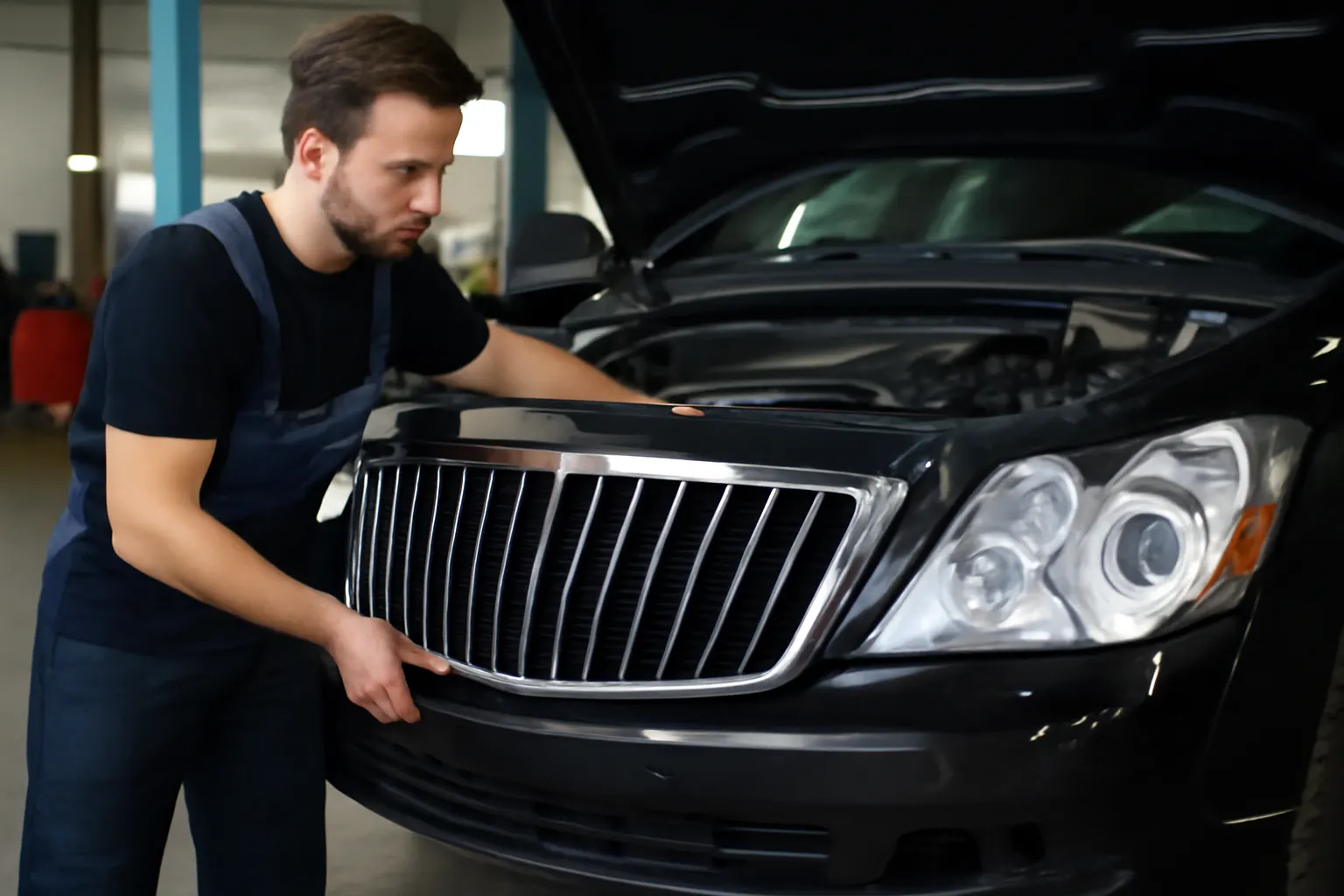
Restoring a Maybach 57 to its original luxury and performance standards is a challenge that demands more than automotive know-how—it requires a precise approach to sourcing, fitment, and quality assurance. In this case study, we walk through a full Maybach 57 restoration, focusing on why genuine parts are essential, how to navigate sourcing and installation hurdles, and the outcomes you can expect when you commit to authenticity.
For owners and enthusiasts, accessing the right Maybach Auto Parts: Heritage, Engineering, and Genuine Replacement Parts | AutoPartEx is the foundation of a successful restoration. This guide provides a practical, technical roadmap for anyone considering or undertaking the complex journey of bringing a Maybach 57 back to its former glory.
Immediate Answer: Why Genuine Parts Define Maybach 57 Restoration Success
Restoring a Maybach 57 with genuine OEM parts is the only way to ensure the vehicle retains its original performance, safety, and luxury. Genuine parts are engineered to Maybach’s exact specifications, meeting strict standards for fit, finish, and reliability. This approach avoids the pitfalls of aftermarket or counterfeit components, guaranteeing that the vehicle’s systems—from its V12 engine to its advanced electronics—operate as intended.
Key benefits of using genuine Maybach parts include:
- Guaranteed Fitment: OEM components are manufactured to original tolerances, eliminating compatibility issues.
- Preserved Safety: Genuine parts comply with all relevant safety and equipment standards, as outlined by the National Highway Traffic Safety Administration (NHTSA).
- Optimal Performance: Only genuine parts restore the Maybach 57’s unique ride quality, NVH (noise, vibration, and harshness) characteristics, and fuel efficiency, as validated by SAE International.
- Long-Term Value: Authentic restoration protects resale value and collector interest.
The Hidden Problem: The Maybach 57’s Unique Restoration Challenges
Beneath the surface, restoring a Maybach 57 presents a series of technical and logistical challenges that set it apart from more common luxury vehicles:
- Scarcity of Genuine Parts: The Maybach 57’s low production numbers mean that certain components—especially interior trim, electronics, and body panels—are rare and often discontinued.
- Complex Systems Integration: The vehicle’s advanced infotainment, comfort, and safety systems require precise, model-specific parts. Generic replacements risk system incompatibility and diagnostic errors.
- Counterfeit and Aftermarket Risks: The market is flooded with imitation parts that may fit physically but fail to meet engineering or safety standards, leading to performance or reliability issues.
- Specialized Installation Requirements: Many Maybach systems require dealer-level diagnostics and calibration after part replacement, making DIY or non-specialist repairs risky.
Problem Expansion: Technical and Logistical Obstacles in Depth
1. Sourcing Genuine Maybach 57 Parts
The Maybach 57’s exclusivity is a double-edged sword. While it ensures uniqueness, it also means that many parts are available only through specialized channels or direct order from the manufacturer. Some parts—such as bespoke interior materials, model-specific ECUs, or adaptive suspension components—may be on backorder or require international sourcing. This scarcity drives up costs and extends restoration timelines.
2. Fitment and Compatibility Pitfalls
Maybach engineering prioritizes seamless integration between components. Attempting to use non-OEM parts often leads to subtle but critical issues: mismatched mounting points, incompatible wiring harnesses, or software errors after installation. For example, fitting a non-genuine air suspension strut may result in persistent dashboard warnings or degraded ride quality due to improper CAN bus communication.
3. Safety and Compliance Risks
The NHTSA underscores the importance of using certified, compliant parts to maintain vehicle safety (NHTSA Equipment). Aftermarket or counterfeit parts may not meet crashworthiness, airbag deployment, or electronic stability control standards. This is particularly critical in luxury vehicles like the Maybach 57, where advanced safety features are tightly integrated.
Advertisement
4. Diagnostic and Calibration Complexities
Once a part is replaced, many Maybach systems require recalibration using factory diagnostic tools. For instance, replacing a radar sensor or adaptive cruise control module without proper coding can disable safety features or trigger fault codes across multiple vehicle systems.
Sourcing Genuine Maybach 57 Parts: Strategies and Pitfalls
Where to Find Authentic Parts
- Authorized Dealerships: The most reliable source for genuine Maybach parts remains the Mercedes-Benz dealer network. Parts come with provenance and warranty but are often priced at a premium.
- Specialist Suppliers: Trusted suppliers with direct access to manufacturer inventories can source rare or discontinued components.
- Certified Online Platforms: Some online retailers specialize in OEM Maybach parts, but buyers must verify authenticity and return policies.
Common Sourcing Pitfalls
- Counterfeit Parts: Imitation parts are widespread, especially for high-value items like headlamps and trim. These may look correct but often fail durability and safety tests.
- Incorrect Part Numbers: Maybach’s complex option codes mean that even a minor variant can require a different part. Always cross-check VIN-specific compatibility.
- Global Sourcing Delays: Some rare parts may be available only from international inventories, leading to long wait times and customs complications.
Sourcing Checklist
- Confirm VIN-specific part numbers before ordering.
- Request proof of authenticity (OEM packaging, serial numbers).
- Use only reputable suppliers with return and warranty policies.
- Cross-reference with Maybach OEM Parts Category listings for verification.
- Avoid deals that seem “too good to be true”—these are often counterfeit.
Diagnosing Maybach 57 Restoration Needs
Before sourcing parts, a thorough diagnostic process is essential. The Maybach 57’s complex systems demand more than a basic OBD-II scan:
- Full System Scan: Use a Mercedes-Benz Star Diagnostic System (SDS) or equivalent to read and clear all fault codes.
- Mechanical Inspection: Assess wear in critical systems—suspension, steering, brakes, drivetrain—for both visible damage and electronic faults.
- Interior and Infotainment Check: Test all comfort, multimedia, and climate control functions. Many issues are linked to failing control modules or wiring harnesses.
- Safety System Verification: Confirm operation of airbags, ABS, stability control, and advanced driver-assist features.
Detailed documentation of diagnostic findings will inform the parts list and prevent costly rework.
Fitment Challenges: Ensuring Perfect Integration
Why Fitment Matters
Maybach’s engineering tolerances are tighter than mainstream luxury vehicles. Even among OEM parts, production changes and running revisions mean that not all “Maybach 57” parts are interchangeable across model years or option packages.
Typical Fitment Issues
- Mounting Points: Minor changes in body or chassis construction can affect mounting brackets or fastener locations.
- Wiring Harnesses: Updated connectors or pinouts may require harness modifications or adapter kits.
- Software Compatibility: Newer control modules may need firmware updates or re-coding to communicate with existing vehicle systems.
Fitment Best Practices
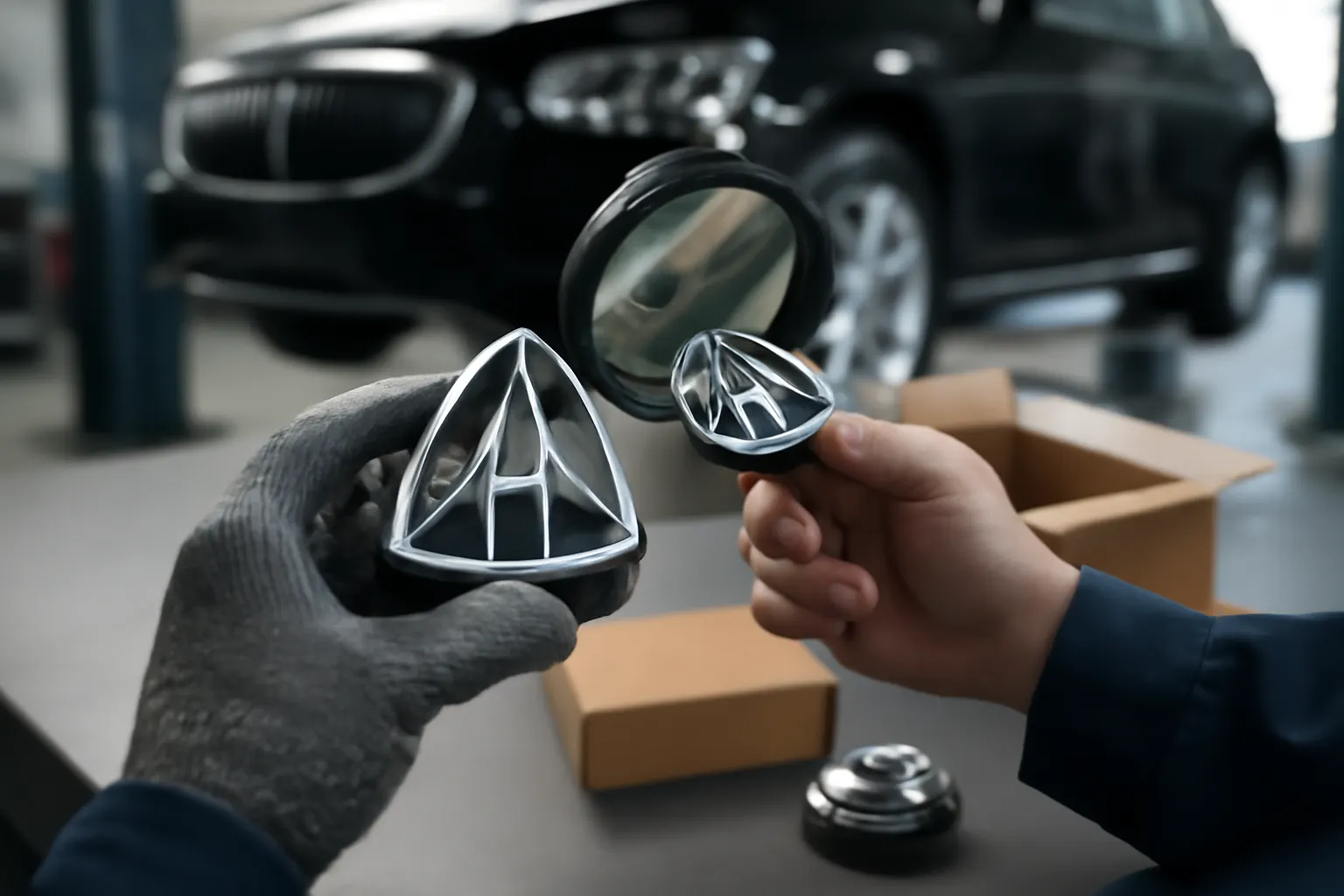
- Always compare old and new parts side-by-side before installation.
- Use manufacturer-provided installation guides and torque specifications.
- Perform a post-installation diagnostic scan to confirm system integrity.
Safety, Efficiency, and Regulatory Compliance
Meeting Safety Standards
The NHTSA mandates that replacement parts must not compromise vehicle safety (NHTSA Equipment). This is especially critical for airbag modules, seatbelt pre-tensioners, and electronic stability systems. Using genuine parts ensures that all crash sensors, deployment logic, and fail-safes are preserved.
Fuel Efficiency Considerations
Restoring the Maybach 57’s V12 engine and drivetrain with OEM components is essential for achieving original fuel economy and emissions performance (DOE Fuel Efficiency). Aftermarket parts may alter engine mapping, increase friction, or impact aerodynamics, resulting in lower efficiency.
Engineering Standards
SAE International standards govern everything from fastener strength to electronic communication protocols (SAE Standards). Only genuine Maybach parts are certified to meet these benchmarks, ensuring long-term reliability and regulatory compliance.
Advertisement
Installation: Best Practices and Common Pitfalls
Professional vs. DIY Installation
While some restoration tasks—like replacing interior trim or non-critical sensors—can be tackled by experienced enthusiasts, most Maybach systems require specialist knowledge and equipment. Dealer-level diagnostic tools are often needed for:
- Programming new control modules
- Calibrating adaptive suspension or driver-assist features
- Resetting service indicators and fault codes
Attempting DIY installation without proper tools or technical data can lead to persistent faults, system malfunctions, or even safety hazards.
Installation Checklist
- Review service manual procedures before beginning.
- Use factory-recommended tools and torque settings.
- Document all removed/replaced components for future reference.
- Perform a full system diagnostic scan after installation.
- Test-drive the vehicle to confirm restoration success.
Maintenance After Restoration: Preserving Maybach Excellence
A successful restoration is only the beginning. Ongoing maintenance is critical to preserve the Maybach 57’s performance and value.
Scheduled Service Intervals
Follow the manufacturer’s maintenance schedule, with particular attention to:
- Engine oil and filter changes
- Transmission fluid and filter service
- Air suspension and hydraulic system checks
- Brake fluid and pad replacement
- HVAC and electrical system diagnostics
For a deeper dive into service schedules and diagnostic essentials, see Maybach Service Intervals & Diagnostic Essentials.
Preventive Care
- Store the vehicle in a climate-controlled environment to protect sensitive electronics and interior materials.
- Regularly inspect for fluid leaks, corrosion, and electrical faults.
- Update diagnostic software and firmware as recommended by the manufacturer.
Avoiding Counterfeit and Aftermarket Pitfalls
The proliferation of counterfeit Maybach parts is a significant risk for restorers. Even experienced buyers can be deceived by high-quality fakes.
Counterfeit Detection Checklist
- Inspect packaging for holograms, serial numbers, and correct branding.
- Compare part weight, materials, and finish to known OEM samples.
- Verify supplier credentials and return policies.
- Reference Spotting Counterfeit Maybach Parts: An Owner’s Checklist for a comprehensive guide.
Counterfeit parts not only compromise safety and performance but may also void insurance or collector status.
Restoration Outcomes: Performance, Value, and Owner Satisfaction
Restoring a Maybach 57 with genuine parts delivers tangible outcomes:
- Performance: The vehicle’s acceleration, ride comfort, and handling characteristics match factory specifications.
- Safety: All systems—airbags, stability control, braking—perform as designed, meeting regulatory standards.
- Aesthetics: Interior and exterior finishes are indistinguishable from new, maintaining the vehicle’s luxury appeal.
- Value: Documentation of genuine parts and professional installation enhances resale and collector value.
Owners report a driving experience that is as close as possible to the original showroom condition—something no shortcut can replicate.
The AutoPartEx Approach: Your Partner in Maybach Restoration
At AutoPartEx, we understand the stakes of Maybach restoration. Our commitment is to provide verified, VIN-matched genuine Maybach parts, technical guidance, and access to a curated network of restoration specialists. By focusing on authenticity and compliance with international standards, we help you avoid costly mistakes, delays, and the risks of counterfeit components.
Explore our Maybach Auto Parts: Heritage, Engineering, and Genuine Replacement Parts | AutoPartEx page for a comprehensive selection of OEM components, or consult our Maybach OEM Parts Category for model-specific listings and technical resources.
Expert Action: Steps for a Successful Maybach 57 Restoration
Ready to undertake your own Maybach 57 restoration? Follow these expert steps:
- Conduct a Full Diagnostic Assessment: Use professional-grade tools to identify all issues.
- Compile a VIN-Matched Parts List: Reference manufacturer databases and technical bulletins.
- Source Only Genuine, Verified Parts: Use trusted suppliers and demand proof of authenticity.
- Prioritize Safety and Compliance: Ensure all safety-critical systems use OEM components.
- Leverage Expert Installation: Engage specialists with Maybach experience and factory diagnostic equipment.
- Document Every Step: Maintain records of parts, procedures, and supplier credentials for future reference.
- Commit to Preventive Maintenance: Protect your investment with regular service and inspections.
For more on the debate between OEM and aftermarket parts, see Maybach Maintenance: OEM vs Aftermarket Parts.
References
Advertisement