
Lotus Auto Parts
What to Know Before Buying Lotus Auto Parts
Lotus vehicles, known for their performance and exclusivity, require careful attention when sourcing replacement parts. Whether you're maintaining a classic or a modern model, understanding how to navigate recalls, repair documentation, and part types can make a significant difference. This guide helps Lotus owners and enthusiasts make informed decisions, ensuring both safety and value when selecting auto parts for their vehicles.
0 Lotus Auto Parts
Advertisement
No Products Found
We're currently updating our inventory for Lotus parts.
Please check back soon or contact us for specific part availability.
More Lotus options
Filtering for LotusBrowse nearby inventory for this model without leaving the page. Use search to filter by price, part number, or city.
No Data Available
Please check back soon when more inventory is available for this part.
Advertisement
Why Lotus Owners Should Look Beyond the Obvious When Sourcing Parts
Lotus cars stand out for their engineering and driving experience, but their exclusivity can also create unique challenges for owners seeking replacement parts. Many enthusiasts focus only on price or brand, overlooking important steps that can save time, money, and even prevent future headaches. For instance, some may not realize how critical it is to verify whether a part is subject to a recall or if it matches the specific needs of their vehicle variant. This initial oversight can lead to compatibility issues or even safety concerns down the road.
Another often-missed consideration is the documentation and transparency provided by the seller. Unlike more common vehicles, Lotus models may have limited aftermarket support, making it vital to obtain clear repair histories and detailed part descriptions. Owners sometimes assume that any part labeled for a Lotus will fit their car, but differences between model years or even trim levels can be significant. This makes a thorough approach to sourcing parts more important than with mass-market brands.
Finally, the type of part—whether new, remanufactured, or salvage—can greatly impact both performance and value. Many buyers jump at the first available option, not realizing the implications for warranty coverage, long-term reliability, and resale value. By pausing to consider these less obvious factors, Lotus owners can avoid common pitfalls and ensure their vehicles remain as exceptional as intended. The following sections will explore these considerations in detail, offering practical steps and evidence-based guidance tailored to the needs of Lotus enthusiasts.
Understanding the Real Challenges in Sourcing Lotus Auto Parts
The process of finding the right replacement part for a Lotus vehicle is more complex than it appears at first glance. Unlike mainstream brands with vast inventories and standardized components, Lotus vehicles often require parts that are either model-specific or manufactured in limited quantities. This scarcity increases the risk of encountering counterfeit or ill-fitting parts, which can compromise both performance and safety. Owners must navigate a fragmented market, where not all sellers provide clear compatibility information or documentation.
Another challenge is the potential for unresolved safety recalls. While Lotus is renowned for its engineering, no manufacturer is immune to defects or regulatory actions. However, due to the brand's relatively small market presence, recall information may not always be as visible or up-to-date as with larger automakers. Owners who skip recall checks might unknowingly install parts that are subject to manufacturer or regulatory action, putting themselves at risk. This issue is compounded by the fact that some recalls may not appear in standard databases, especially for international or specialty vehicles.
Documentation is a further stumbling block. Many Lotus owners purchase parts from specialty shops, online marketplaces, or even salvage yards. In these cases, the quality and completeness of documentation can vary widely. Without a clear repair order or part provenance, it becomes difficult to verify whether a component is new, remanufactured, or simply salvaged from another vehicle. This lack of transparency can lead to disputes over warranty coverage, unexpected repair costs, or even installation of the wrong part.
The expertise of the repair technician is another factor that is often underestimated. Lotus vehicles, with their unique engineering and lightweight construction, require specialized knowledge for both diagnosis and installation. General repair shops may not have experience with the brand, increasing the likelihood of incorrect fitment or missed issues. Owners who do not verify the technician’s familiarity with Lotus models risk suboptimal repairs or additional labor costs if mistakes are made.
Cost is a concern, but it should not be the sole deciding factor. While it may be tempting to choose the least expensive option, this approach can backfire if the part is of inferior quality or lacks proper documentation. Salvage parts, for example, might offer immediate savings but could introduce hidden risks if their history is unknown. Conversely, new or remanufactured parts may come with better assurances but at a premium price. Balancing these considerations requires a careful evaluation of both short-term and long-term implications.
Finally, the absence of a standard warranty on repairs and parts for Lotus vehicles adds another layer of complexity. Unlike mainstream brands, where warranty coverage may be more predictable, Lotus owners must carefully review the terms offered by each seller or repair shop. Failing to obtain written documentation of warranty terms can leave owners without recourse if a part fails prematurely. This makes it essential to ask detailed questions and insist on clear, written agreements before proceeding with any purchase or installation.
Practical Steps for Selecting and Verifying Lotus Auto Parts
Begin by identifying your Lotus vehicle’s exact model, year, and variant. This information is crucial, as even small differences can affect part compatibility. Use your vehicle identification number (VIN), typically found on the lower left of your windshield or on your registration card, to verify details. The VIN is your key to accurate recall checks and ensures that you are sourcing the correct component for your specific vehicle configuration. Avoid relying solely on catalog labels or generic listings, as these may not account for Lotus’s unique production variations.
Next, check for open recalls using your VIN or license plate. The National Highway Traffic Safety Administration (NHTSA) provides a free lookup tool that allows you to see if your specific vehicle has any unrepaired recalls. This step is especially important for Lotus owners, as some recalls may not be widely publicized or may not appear in general year/make/model searches. Remember that recall databases may not cover all international or specialty vehicles, so check regularly and consult Lotus-specific forums or the manufacturer’s website for additional updates NHTSA: Vehicle Recalls.
When sourcing a part, request a written estimate from the seller or repair shop. The estimate should clearly identify the condition to be repaired, the specific part needed, and anticipated labor charges if installation is involved. For expensive or complex repairs, consider seeking a second opinion from a Lotus specialist or a shop with documented experience on your model. This approach helps ensure that the recommended part is truly necessary and that you are not being upsold unnecessary services FTC: Auto Repair Basics.
Clarify the type of part being offered—whether it is new, remanufactured, or salvage. Each category has distinct implications for performance, warranty, and value. New parts typically offer the highest reliability and may come with manufacturer support, but they are often the most expensive. Remanufactured or rebuilt parts can provide a balance between cost and quality, especially if sourced from reputable suppliers. Salvage parts, while affordable, should be chosen with caution and only when their provenance and condition are fully documented FTC: Auto Repair Basics.
Insist on a completed repair order or detailed invoice for any part purchase or installation. This document should list the work performed, parts used, costs, and vehicle odometer readings at the time of service. Such documentation is essential for warranty claims, future resale, and tracking your vehicle’s maintenance history. If a seller or shop is reluctant to provide this information, consider it a red flag and seek alternatives. Good recordkeeping protects both your investment and your peace of mind.
Ask the repair shop or seller about their experience with Lotus vehicles specifically. Not all technicians are familiar with the brand’s nuances, and lack of expertise can lead to installation errors or missed issues. Request references or examples of previous Lotus repairs, and do not hesitate to verify credentials. A shop that regularly services Lotus models will be better equipped to handle unique challenges and may offer valuable insights into part selection and maintenance.
Compare the seller’s recommendations with the official Lotus maintenance schedule found in your owner’s manual. Some shops may suggest additional services or upgrades beyond what the manufacturer prescribes. While these may be beneficial in certain cases, always ask for a clear explanation and justification. Understanding the rationale behind extra recommendations helps you avoid unnecessary expenses and ensures that your vehicle receives only the care it truly needs FTC: Auto Repair Basics.
Finally, review all warranty terms in writing before committing to a purchase or repair. There is no standard warranty on Lotus repairs or parts, and coverage can vary significantly between sellers. Make sure you understand what is covered, for how long, and what steps are required to make a claim. If warranty terms are unclear or absent, request clarification or consider alternative sources. Protecting yourself with clear, written agreements is especially important given the specialized nature of Lotus vehicles and their parts.
Published Guidance and Documentation for Lotus Part Selection
The National Highway Traffic Safety Administration (NHTSA) provides a comprehensive recall lookup tool that is invaluable for Lotus owners. According to the NHTSA, searching by VIN will reveal if a specific vehicle has any open recalls that require repair. This process is particularly relevant for Lotus vehicles, as specialty and ultra-luxury brands may not always be fully represented in standard recall databases. The NHTSA notes that not all recalls are immediately available for every VIN and that some international or specialty vehicle recalls may be excluded. Therefore, Lotus owners should check regularly and supplement their search with manufacturer communications or Lotus-specific resources NHTSA: Vehicle Recalls.
The NHTSA also outlines the recall process, emphasizing the roles of the manufacturer, the agency, and the vehicle owner. Manufacturers are required to notify registered owners by mail within 60 days of announcing a recall. Owners are advised to follow any interim safety guidance and to contact their local dealership for free repairs of recalled parts. However, the NHTSA cautions that their database does not show recalls that have already been repaired or those older than 15 years, except in rare cases. This limitation is especially pertinent for owners of older Lotus models, who may need to consult additional sources to ensure comprehensive coverage NHTSA: Vehicle Recalls.
The Federal Trade Commission (FTC) provides general consumer guidance on auto repairs, which is directly applicable to Lotus owners navigating the parts market. The FTC recommends obtaining a written repair estimate that specifies the condition to be addressed, the parts required, and anticipated labor charges. This advice is particularly important for Lotus vehicles, where part compatibility and labor expertise are critical. The FTC further suggests considering a second opinion for expensive or complex repairs, reinforcing the value of consulting Lotus specialists or experienced shops FTC: Auto Repair Basics.
According to the FTC, understanding the type of part being purchased is essential. The agency distinguishes between new, remanufactured/rebuilt, and salvage parts, each with unique implications for reliability and warranty. Salvage parts, for example, are sourced from other vehicles without alteration and may not come with any guarantee. This distinction is vital for Lotus owners, as the limited availability of new parts can make salvage or remanufactured options more appealing. However, the FTC warns that there is no standard warranty on repairs or parts, making it crucial to clarify terms before purchasing FTC: Auto Repair Basics.
The FTC also emphasizes the importance of documentation. A completed repair order should list the work performed, the parts used, associated costs, and odometer readings. This documentation is not just for recordkeeping; it is essential for warranty claims and resale value. For Lotus owners, who may invest significantly in maintenance and upgrades, maintaining thorough records can enhance the vehicle’s appeal to future buyers and provide evidence of proper care FTC: Auto Repair Basics.
While neither the NHTSA nor the FTC provides Lotus-specific technical specifications, their guidance establishes a framework for safe and informed part selection. The NHTSA’s recall lookup ensures that owners are aware of any outstanding safety issues, while the FTC’s repair documentation and part-type distinctions help buyers avoid common pitfalls. Together, these sources advocate for a methodical approach to parts sourcing, emphasizing transparency, documentation, and regular checks. Lotus owners, in particular, benefit from this approach due to the brand’s unique challenges in the parts market.
It is important to note that neither source guarantees fitment or compatibility for any specific Lotus model or part. The NHTSA’s recall lookup confirms only the presence or absence of open recalls, not the suitability of a particular component. Similarly, the FTC’s advice is general and does not substitute for Lotus factory specifications or expert consultation. Therefore, Lotus owners should use these resources as a foundation for their decision-making but supplement them with model-specific research, expert opinions, and direct communication with reputable sellers or repair shops.
Take Informed Steps for Your Lotus Parts Purchase
Sourcing parts for your Lotus requires more than a simple online search. By verifying recalls, insisting on thorough documentation, and understanding the distinctions between part types, you can protect your investment and ensure your vehicle’s continued performance. Always consult reputable sources, seek out Lotus-experienced technicians, and get all agreements in writing. For more guidance and to explore available parts, visit our dedicated Lotus page and take the next step toward confident, informed ownership.
References
- NHTSA: Vehicle Recalls
- FTC: Auto Repair Basics
References
- NHTSA: Vehicle Recalls - NHTSA, accessed 2026-11-01
- FTC: Auto Repair Basics - FTC, accessed 2026-11-01
Related Guides & Articles
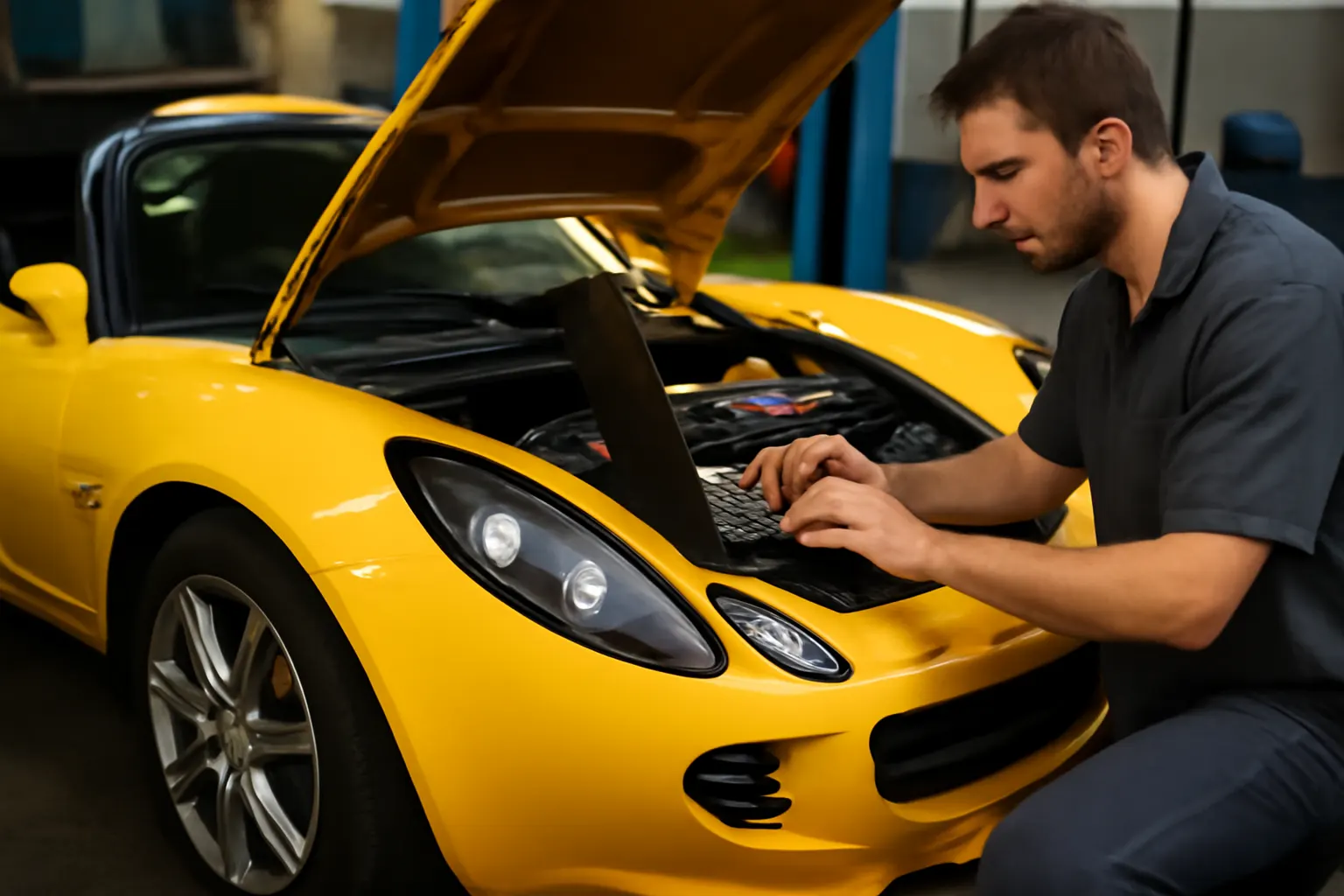
Lotus Service Intervals: What to Know
For Lotus owners and enthusiasts, keeping your sports car in peak condition requires more than just passion—it demands a precise, proactive approach to service intervals. Whether you drive an Elise, Exige, Evora, or another Lotus model, understanding the recommended maintenance schedule is critical to ensuring reliability, performance, and safety. This guide delivers a detailed breakdown of Lotus service intervals, covering timing belts, suspension, fluids, and more, so you can drive with confidence and preserve your vehicle’s engineering heritage.
Read More
Spotting Counterfeit Lotus Parts: Expert Advice
Counterfeit Lotus parts are an increasing threat to vehicle performance, safety, and long-term value. Whether you’re restoring a classic Esprit, maintaining a modern Evora, or simply keeping your Elise in peak condition, knowing how to spot non-genuine parts is crucial. This expert guide from AutoPartEx will arm you with practical identification techniques, show you why the risk is higher than ever, and provide step-by-step advice to ensure every Lotus part you buy delivers the quality and engineering Lotus is known for.
Read More
Lotus Model Compatibility Chart
For Lotus owners, technicians, and enthusiasts, understanding which parts can be interchanged across Elise, Exige, and Evora models is essential for maintenance, upgrades, and restoration. This comprehensive guide delivers a detailed compatibility chart, diagnostic checklists, and in-depth technical explanations to help you make informed decisions—whether you’re sourcing a replacement suspension arm or planning a drivetrain upgrade.
View Guide
Lotus Suspension Maintenance & Fitment Guide
Maintaining and upgrading your Lotus’s suspension is essential for peak performance, safety, and preserving the brand’s legendary handling. This comprehensive guide from AutoPartEx delivers step-by-step instructions for inspecting, replacing, and sourcing suspension components, while highlighting practical fitment tips and common pitfalls. Whether you drive a classic Elise, a track-focused Exige, or a touring Evora, understanding your Lotus suspension system is fundamental for both spirited driving and everyday use.
View Guide