Advertisement
Counterfeit Lotus parts are an increasing threat to vehicle performance, safety, and long-term value. Whether you’re restoring a classic Esprit, maintaining a modern Evora, or simply keeping your Elise in peak condition, knowing how to spot non-genuine parts is crucial. This expert guide from AutoPartEx will arm you with practical identification techniques, show you why the risk is higher than ever, and provide step-by-step advice to ensure every Lotus part you buy delivers the quality and engineering Lotus is known for.
Looking for authentic components? Start with our Lotus OEM Parts & Engineering Heritage | AutoPartEx page for verified parts and technical resources.
Why Counterfeit Lotus Parts Are a Critical Problem
Counterfeit and non-genuine Lotus parts are not just a theoretical risk—they’re a documented, growing concern in the global auto parts market. These parts may look convincing, but they often fail to meet Lotus’s stringent engineering specifications or critical safety standards. This can lead to serious issues:
- Increased risk of part failure under stress or normal driving.
- Compromised vehicle safety systems (e.g., suspension, braking, airbags).
- Reduced fuel efficiency and engine performance.
- Voided manufacturer support or future recall eligibility.
The National Highway Traffic Safety Administration (NHTSA) has repeatedly warned that counterfeit vehicle parts—especially those not meeting SAE International standards—pose direct safety risks to drivers and passengers. For Lotus owners, whose vehicles are engineered for high performance and precise handling, even a minor deviation from OEM spec can have outsized consequences.
The Hidden Dangers: Real-World Examples from Lotus Service Reports
Counterfeit Lotus parts are not always obvious. In recent years, service centers have reported several recurring problems linked to non-genuine components:
- Suspension arms and bushings: Counterfeit versions often use inferior alloys, leading to premature cracking or deformation. In one case, a Lotus Elise owner experienced sudden handling instability traced to a fake lower control arm that snapped under moderate cornering loads.
- Brake pads and rotors: Unauthorized parts may use substandard friction materials, resulting in excessive wear, brake fade, or even catastrophic failure. A Lotus Exige owner reported a complete loss of braking on track after fitting what appeared to be OEM pads bought from an online marketplace.
- Electrical connectors and sensors: Non-genuine sensors can provide inaccurate data, triggering warning lights or limp mode. Faulty connectors have led to intermittent electrical failures, sometimes misdiagnosed as harness issues.
These failures are often difficult to diagnose until after damage has occurred. The lesson: counterfeit parts are not just a cosmetic problem—they can undermine the core engineering integrity of your Lotus.
How to Identify Genuine Lotus Parts: Key Visual and Physical Checks
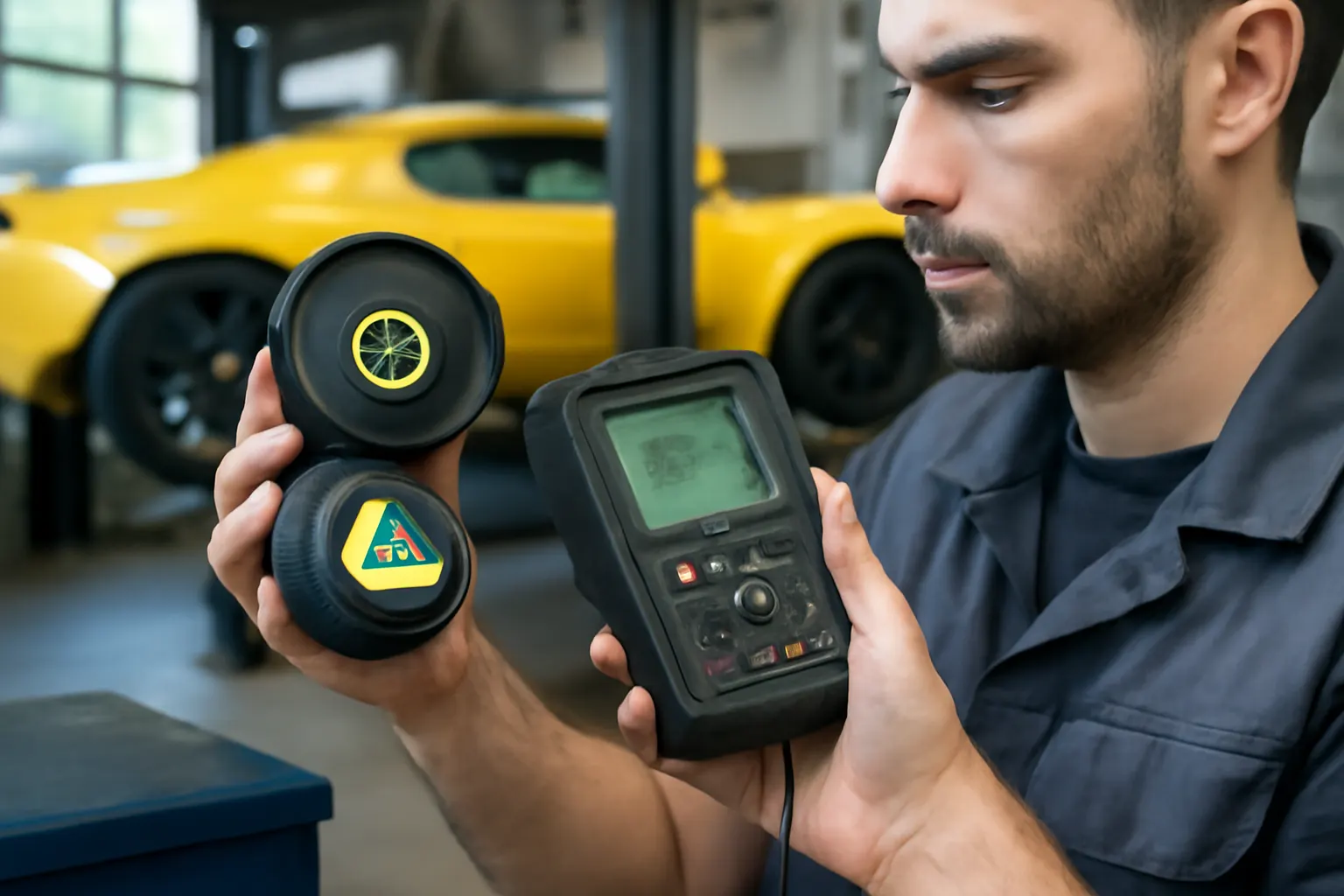
Spotting counterfeit Lotus parts requires a trained eye and attention to detail. Here’s what to look for when inspecting parts—whether new or used:
1. Packaging and Labeling
- Genuine Lotus parts are shipped in high-quality packaging with proper branding, part numbers, and barcodes.
- Look for inconsistencies in logo placement, font, or spelling errors.
- Check for missing holograms or security seals—Lotus often uses tamper-evident stickers or holographic labels on high-value components.
2. Casting and Machining Quality
- Surface finish on OEM parts is typically uniform, with clean edges and no excessive casting flash.
- Thread quality should be smooth and free of burrs.
- Casting marks: Genuine Lotus parts often include specific casting numbers or “Lotus” branding in the metal itself—compare with known authentic samples.
3. Material and Weight
- Feel the part: Counterfeit items may be noticeably lighter or heavier due to incorrect alloy use.
- Magnet test: For some steel components, magnetism can reveal if the correct material is present.
4. Fitment and Dimensions
- Measure critical dimensions: Even small deviations (e.g., mounting hole spacing) can indicate a fake.
- Check for poor fit: If a part does not seat correctly or requires “persuasion” to install, it may be non-genuine.
Advertisement
5. Documentation
- OEM parts should come with installation instructions, warranty cards, or documentation referencing Lotus or a licensed distributor.
The Role of Standards: Why SAE and NHTSA Compliance Matters
Lotus parts are engineered to meet or exceed strict international standards, such as those published by SAE International. These standards govern:
- Material properties (strength, corrosion resistance, fatigue life)
- Dimensional tolerances
- Performance under stress or crash loads
- Compatibility with vehicle safety systems
Counterfeit parts are rarely, if ever, tested to these standards. The NHTSA explicitly warns that non-compliant parts can undermine vehicle safety, especially in critical systems like braking, suspension, and steering. Using parts that lack SAE or NHTSA certification puts your vehicle—and your safety—at risk.
For a deeper dive into how Lotus suspension components are designed and tested, see our Lotus Suspension Maintenance & Fitment Guide.
Where Counterfeit Lotus Parts Are Most Commonly Found
Counterfeiters target high-value, high-turnover parts. In the Lotus world, the most frequently faked components include:
- Suspension arms, bushings, and ball joints
- Brake pads, discs, and calipers
- Body panels and aerodynamic elements
- Lighting assemblies and lenses
- Sensors and electrical connectors
- Interior trim pieces (badges, switches, knobs)
Online marketplaces, auction sites, and unauthorized importers are the most common sources of counterfeit Lotus parts. Some counterfeiters even replicate Lotus packaging and part numbers to deceive buyers. Always scrutinize the source—if a price seems too good to be true, it probably is.
Checklist: How to Protect Yourself When Buying Lotus Parts
Use this practical checklist every time you shop for Lotus components—whether online, at a swap meet, or through a local supplier.
| Step | What to Check | Why It Matters |
|---|---|---|
| 1 | Source reputation (dealer, supplier) | Only buy from authorized Lotus dealers or trusted specialists. |
| 2 | Packaging quality | Poor packaging is a red flag for counterfeits. |
| 3 | Part numbers and markings | Verify against official Lotus catalogs or reputable databases. |
| 4 | Security features | Look for holograms, seals, or tamper-evident stickers. |
| 5 | Price realism | Deep discounts or “too good to be true” offers are suspicious. |
| 6 | Physical inspection | Check casting, finish, and weight in person if possible. |
| 7 | Documentation | Ask for receipts, warranty cards, or installation guides. |
| 8 | Compatibility | Cross-check with the Lotus Model Compatibility Chart. |
| 9 | Return policy | Legitimate sellers offer clear return/warranty terms. |
| 10 | Community feedback | Search Lotus forums or owner groups for supplier reviews. |
Diagnostic Tips: Spotting Counterfeit Parts After Installation
Sometimes counterfeit parts are only discovered after they’re installed and start causing problems. Here are common warning signs:
- Unusual noises: Clunks, squeaks, or rattles from suspension or brakes.
- Premature wear: Parts failing or wearing much faster than expected service intervals.
- Poor fitment: Fasteners loosening, components shifting, or panels misaligning.
- Electrical issues: Warning lights, intermittent sensor faults, or non-functioning accessories.
- Performance drops: Noticeable loss in handling, braking, or engine response.
If you suspect a counterfeit part is installed, remove it as soon as possible and replace with a known genuine component. Document the issue for possible reporting to NHTSA or Lotus technical support.
The Impact on Vehicle Safety and Performance
Using counterfeit Lotus parts doesn’t just risk your investment—it can have life-threatening consequences. According to NHTSA, non-genuine parts are a leading cause of vehicle recalls and safety investigations. For Lotus vehicles, which rely on lightweight materials and finely tuned components (as highlighted by the US Department of Energy’s research on advanced materials), even small deviations can compromise:
- Chassis rigidity and crash safety
- Suspension geometry and handling precision
- Brake response and fade resistance
- Engine efficiency and emissions
Inferior materials or incorrect tolerances can lead to catastrophic failures at speed or under track conditions. Always prioritize parts that meet Lotus and SAE standards.
Understanding the Supply Chain: How Counterfeits Enter the Market
Counterfeit Lotus parts can infiltrate the supply chain in several ways:
Advertisement
- Unauthorized manufacturing: Factories produce unlicensed copies, sometimes using lower-grade materials.
- Re-boxing: Used or generic parts are packaged as new OEM.
- Grey market imports: Parts intended for other regions (with different specs) are relabeled as US/EU compliant.
- Online deception: Sellers use doctored photos and fake reviews to appear legitimate.
Lotus maintains a network of authorized dealers and parts distributors. Buying outside this network significantly increases your risk. Always ask for proof of origin and verify part numbers against official Lotus documentation.
The Role of Recalls and Regulatory Oversight
Vehicle recalls are often triggered by widespread failures of non-genuine or substandard parts. The NHTSA recall database documents numerous cases where counterfeit components—especially airbags, brakes, and suspension parts—have led to safety campaigns and, in some cases, criminal investigations.
Before purchasing or installing any part, check the NHTSA recall database for known counterfeit or defective products. If you discover a counterfeit part on your Lotus, report it to both NHTSA and Lotus customer support to help prevent further incidents.
Ensuring Correct Fitment: The Importance of Compatibility
Lotus vehicles are known for their unique engineering—meaning that even small differences in parts can have a significant impact on fitment and performance. Always check:
- Model year and chassis code compatibility
- Regional specification differences
- Updates or superseded part numbers
Refer to the Lotus Model Compatibility Chart for official guidance, and consult the Lotus Service Intervals: What to Know page for related maintenance and fitment advice.
Maintenance and Inspection: Keeping Your Lotus Genuine
Routine inspection is your best defense against counterfeit parts. During every scheduled service or repair, visually inspect components for:
- Branding and casting marks
- Signs of premature wear or corrosion
- Mismatched fasteners or hardware
- Non-standard wiring or connectors
If you’re unsure about a part’s authenticity, remove and compare it with a known genuine Lotus component or consult a Lotus specialist. Keeping detailed service records and receipts will help maintain your vehicle’s provenance and value.
Buying Guidance: How to Source Authentic Lotus Parts
Follow these expert tips to ensure every Lotus part you buy is genuine:
- Use authorized Lotus parts dealers: Start with the Lotus OEM Parts & Engineering Heritage | AutoPartEx directory to find verified suppliers.
- Ask for documentation: Request invoices, warranty information, and proof of origin.
- Leverage specialist knowledge: Consult Lotus owner forums, clubs, or certified technicians for supplier recommendations.
- Avoid risky sources: Be wary of private sellers, online auctions, or overseas importers without Lotus authorization.
- Check compatibility: Always confirm part numbers and fitment with official Lotus resources or the AutoPartEx compatibility guides.
AutoPartEx: Your Trusted Source for Genuine Lotus Parts
At AutoPartEx, we understand the engineering heritage and performance demands of every Lotus. Our platform only lists verified, OEM, and high-quality aftermarket parts that meet or exceed SAE and NHTSA standards. With detailed fitment data, compatibility charts, and technical guides, we help Lotus owners avoid the risks of counterfeit components and keep their vehicles performing as intended.
Explore our Lotus OEM Parts & Engineering Heritage | AutoPartEx section for curated parts, technical documentation, and expert support. For suspension-specific concerns, visit our Lotus suspension category for the latest in genuine and performance-validated components.
Taking Action: What to Do If You Suspect a Counterfeit Lotus Part
If you discover or suspect a counterfeit part on your Lotus:
- Stop using the vehicle if the part is safety-critical (e.g., suspension, brakes, steering).
- Document the part: Take photos, note serial numbers, and keep any packaging.
- Remove and replace the part with a verified genuine component.
- Report the incident to NHTSA, Lotus customer support, and the original seller.
- Share your experience with the Lotus community to help others avoid similar risks.
Conclusion: Protecting Your Lotus—And Your Peace of Mind
Counterfeit Lotus parts are a real and growing threat, but with the right knowledge and resources, you can protect your vehicle’s integrity, performance, and safety. Always buy from trusted sources, inspect parts thoroughly, and stay informed about the latest in parts authentication. With AutoPartEx as your technical partner, you’ll have the confidence to maintain your Lotus the way it was engineered to be.
References
Advertisement