
Lotus Auto Parts
Choosing Genuine Lotus Auto Parts: What Every Owner Should Know
Lotus vehicles are renowned for their performance and precision engineering, but sourcing the right replacement parts can be more complex than many owners realize. Beyond basic compatibility, factors like recall status, part authenticity, and repair documentation play a crucial role in maintaining safety and value. This guide explores what every Lotus owner should consider before purchasing or installing auto parts, drawing on published consumer and regulatory advice.
Advertisement
Showing 0–0 of 0 products
No Products Found
We're currently updating our inventory for Lotus parts.
Please check back soon or contact us for specific part availability.
Advertisement
More Lotus parts
Filtering for LotusBrowse nearby Lotus inventory without leaving this page. Use search to filter by price, part number, or city.
No Data Available
Please check back soon when more inventory is available for this part.
Advertisement
Why Sourcing Lotus Parts Deserves Extra Attention
Lotus cars are celebrated for their lightweight construction and agile handling, but these same attributes make parts sourcing a more nuanced process than with mass-market vehicles. Many owners assume that any part labeled for Lotus will fit and perform as intended, yet the reality is more complicated. Specialty brands like Lotus often have unique engineering requirements, and the limited production runs mean aftermarket support and documentation can be inconsistent. Overlooking these factors can lead to costly mistakes, diminished performance, or even safety risks.
One often-overlooked aspect is the potential for recalls or manufacturer advisories that affect specific components. Unlike more common brands, Lotus may not always be included in broad recall databases, and updates may take longer to appear in public records. Owners who rely solely on generic parts catalogs or online listings may miss critical information about compatibility or known issues. This makes it especially important to verify the status of any part or system before proceeding with a repair or upgrade.
Additionally, the rise of counterfeit and salvage parts in the specialty car market poses a real threat to Lotus owners. These parts may look identical to genuine components but can lack the precise tolerances or materials specified by the manufacturer. Without careful sourcing and documentation, it’s easy to inadvertently compromise the safety, reliability, or value of your vehicle. Recognizing these hidden risks is the first step toward making informed, confident decisions when maintaining or restoring your Lotus.
Understanding the Challenges of Lotus Parts Replacement
The process of replacing parts on a Lotus involves more than simply matching a part number or model year. Lotus vehicles often incorporate proprietary designs and materials, meaning that even minor deviations from original specifications can have significant consequences. For example, suspension components or braking systems may be engineered to extremely tight tolerances, and using non-genuine or incorrectly specified parts can alter the car’s handling or compromise safety. This is especially true for models with limited production runs or mid-cycle updates that aren’t always reflected in aftermarket catalogs.
Another challenge is the fragmented nature of recall and defect reporting for specialty brands like Lotus. According to guidance from the National Highway Traffic Safety Administration (NHTSA), small manufacturers and ultra-luxury brands may not have the same level of recall visibility as larger automakers. The NHTSA’s recall database, while comprehensive for mainstream vehicles, may not capture all relevant safety campaigns or advisories for Lotus models, particularly those imported or produced in small numbers. This means owners must take extra steps to verify whether their vehicle or part is subject to an outstanding recall or manufacturer bulletin NHTSA: Vehicle Recalls.
Complicating matters further, the proliferation of counterfeit and salvage parts in the market can make it difficult to distinguish genuine Lotus components from lookalikes. Salvage parts, as described by the Federal Trade Commission (FTC), are removed from other vehicles and sold without modification. While these can offer cost savings, they may not meet the same performance or safety standards as new or remanufactured parts, especially if their history is unknown FTC: Auto Repair Basics. Counterfeit parts, on the other hand, are designed to mimic genuine components but may use inferior materials or construction methods, posing hidden risks.
Documentation and provenance are also critical issues. Unlike mass-market vehicles, where repair and maintenance histories are often well-documented, Lotus owners may find that records are incomplete or missing, especially for older or imported models. This lack of documentation can make it difficult to verify whether a part has already been replaced under recall, or if a previous repair met manufacturer standards. Without clear records, owners must rely on careful inspection and verification when sourcing replacement parts.
The complexity of Lotus engineering also means that not all repair shops are equipped to handle these vehicles. The FTC advises consumers to ask whether technicians have experience with their specific make and model before authorizing repairs. For Lotus owners, this is especially important, as improper installation or use of incompatible parts can lead to performance issues or void warranties. It’s essential to choose a shop that understands the nuances of Lotus design and has access to up-to-date technical information FTC: Auto Repair Basics.
Finally, the lack of standardization in parts labeling and cataloging for specialty brands can lead to confusion and mistakes. A part listed as compatible with a Lotus model may not account for mid-year changes or regional variations. Owners should not assume that catalog listings guarantee fitment or performance. Instead, they should seek out detailed compatibility charts, consult manufacturer documentation, and, when in doubt, verify with a trusted Lotus specialist. This extra diligence is vital for preserving the integrity and value of your vehicle.
Best Practices for Selecting and Verifying Lotus Parts
To navigate the complexities of Lotus parts replacement, start by gathering all available documentation on your specific vehicle. This includes the VIN, build sheet, and any service or recall records. The VIN is especially important, as it can be used to check for open recalls or model-specific advisories through resources like the NHTSA database. However, as noted earlier, not all Lotus recalls may appear in public databases, so it’s wise to also consult Lotus-specific resources and forums for the latest updates NHTSA: Vehicle Recalls.
When sourcing parts, prioritize genuine Lotus components or those supplied by reputable specialists with a proven track record. Be wary of listings that lack clear documentation or provenance, especially for critical systems like brakes, suspension, or steering. If considering salvage or remanufactured parts, request detailed information about the part’s origin, condition, and any testing or certification it has undergone. The FTC recommends getting a written estimate and repair order that specifies the type and source of each part used FTC: Auto Repair Basics.
Counterfeit parts are a growing concern in the specialty car market. To minimize risk, buy only from authorized dealers or well-established Lotus specialists. Look for anti-counterfeit markings, manufacturer holograms, or serial numbers that can be verified with the manufacturer. If in doubt, consult guides such as the "Spotting Counterfeit Lotus Parts: Expert Advice" for tips on identifying red flags and verifying authenticity. Avoid deals that seem too good to be true, as these often signal counterfeit or substandard components.
Before authorizing any repair or installation, confirm that the technician or shop has documented experience with Lotus vehicles. Ask for references or case studies demonstrating successful repairs on similar models. The FTC advises consumers to compare shop recommendations with the manufacturer’s maintenance schedule and to question any extra services or parts proposed. For Lotus owners, this means insisting on transparency and documentation at every stage of the repair process FTC: Auto Repair Basics.
Documentation is your best defense against future disputes or complications. Always request a completed repair order that lists the work performed, parts installed, costs, and odometer readings. This record not only helps maintain your vehicle’s value but also provides a paper trail in case of warranty claims or future repairs. For Lotus vehicles, where provenance and originality are highly valued, thorough documentation can make a significant difference in resale or collector value.
For complex or high-value repairs, consider seeking a second opinion from another Lotus specialist. This is especially important if the recommended repair involves major systems or expensive components. A second opinion can help confirm the diagnosis, validate the choice of parts, and ensure that the proposed solution aligns with manufacturer guidelines. The FTC specifically recommends this approach for complicated or costly repairs FTC: Auto Repair Basics.
Stay proactive by regularly checking for new recalls, service bulletins, or advisories affecting your Lotus model. Register your vehicle with both the manufacturer and relevant government agencies to receive timely notifications. Even if your vehicle is not currently subject to a recall, staying informed can help you anticipate potential issues and plan preventive maintenance accordingly. The NHTSA recommends checking for recalls at least twice a year NHTSA: Vehicle Recalls.
Finally, leverage resources like the "Lotus Model Compatibility Chart" and "Lotus Suspension Maintenance & Fitment Guide" to verify part compatibility and installation procedures. These guides can help you identify the correct part numbers, understand model-specific variations, and avoid common pitfalls. When in doubt, consult with a Lotus specialist or authorized dealer to confirm fitment and ensure that your repair meets the highest standards of safety and performance.
Published Guidance on Lotus Parts Sourcing and Repair
The National Highway Traffic Safety Administration (NHTSA) provides a comprehensive overview of the recall process, emphasizing the importance of VIN-based searches for identifying open recalls. The NHTSA database allows owners to check if their specific vehicle is subject to an unrepaired recall by entering the 17-character VIN. However, the agency notes that its database may not capture all recalls for small manufacturers or specialty brands like Lotus, and some international vehicles may be excluded. This means that while the NHTSA tool is a valuable starting point, Lotus owners should supplement it with manufacturer-specific resources and direct inquiries to ensure they have the latest information NHTSA: Vehicle Recalls.
The NHTSA also outlines the roles and responsibilities of manufacturers, regulators, and owners in the recall process. Manufacturers must notify registered owners by mail within 60 days of announcing a recall and provide a remedy, which may include repair, replacement, or refund. Owners are advised to follow interim safety guidance and contact their dealer promptly if their vehicle is affected. However, the NHTSA cautions that not all recalls will appear in their system immediately, and some safety campaigns may be managed directly by the manufacturer, especially for brands with limited US distribution. This underscores the need for Lotus owners to remain vigilant and proactive in monitoring recall status NHTSA: Vehicle Recalls.
The Federal Trade Commission (FTC) offers general consumer advice on auto repairs, which is particularly relevant for Lotus owners given the brand’s specialized nature. The FTC recommends obtaining a written repair estimate that details the parts required and anticipated labor charges. For complex or expensive repairs, a second opinion is advised to ensure the diagnosis and proposed solution are appropriate. The FTC also distinguishes between new, remanufactured, and salvage parts, noting that salvage components may not meet the same standards as new or certified parts. This guidance supports the recommendation to prioritize genuine or certified Lotus parts whenever possible FTC: Auto Repair Basics.
Another key point from the FTC is the importance of technician experience. The agency advises consumers to ask whether the repair shop has experience with their specific make and model before authorizing work. For Lotus vehicles, which often feature unique engineering and assembly methods, this is especially important. A technician unfamiliar with Lotus systems may inadvertently install parts incorrectly or overlook critical compatibility issues. This reinforces the value of choosing a shop with documented expertise in Lotus repairs FTC: Auto Repair Basics.
The FTC further emphasizes the need for thorough documentation, advising consumers to obtain a completed repair order listing all work performed, parts used, and costs incurred. This record is essential for maintaining the vehicle’s service history and can be invaluable in the event of warranty claims or future repairs. For Lotus owners, where originality and provenance are highly prized, such documentation can also enhance resale value and provide assurance to future buyers FTC: Auto Repair Basics.
While the NHTSA and FTC provide robust general guidance, neither source offers vehicle-specific technical specifications or guarantees of part fitment for Lotus models. This means that owners must supplement these resources with Lotus-specific compatibility charts, service guides, and expert advice. The absence of standardized labeling and cataloging for specialty brands further complicates the process, making it essential to verify part numbers and consult with knowledgeable specialists before making a purchase or authorizing a repair.
In summary, the published evidence establishes that while general consumer protections and recall processes apply to Lotus vehicles, the brand’s unique characteristics demand extra diligence from owners. The NHTSA and FTC both advocate for proactive research, documentation, and verification, but neither source guarantees that all relevant recalls or compatibility issues will be captured in public databases. Lotus owners must therefore take additional steps—such as consulting brand-specific resources and seeking expert advice—to ensure the safety, reliability, and value of their vehicles.
Take the Next Step Toward Confident Lotus Ownership
Maintaining a Lotus requires more than routine parts replacement—it demands informed, proactive decision-making at every stage. By leveraging official recall databases, seeking out genuine components, and insisting on thorough documentation, you can safeguard your vehicle’s performance and value. Consult trusted Lotus specialists, use compatibility guides, and stay alert for new advisories. For more detailed fitment information and expert tips, explore our Lotus resources or reach out to a qualified Lotus service provider today.
References
- NHTSA: Vehicle Recalls
- FTC: Auto Repair Basics
References
- NHTSA: Vehicle Recalls - NHTSA, accessed 2026-11-01
- FTC: Auto Repair Basics - FTC, accessed 2026-11-01
Related Guides & Articles

Lotus Suspension Maintenance & Fitment Guide
Maintaining and upgrading your Lotus’s suspension is essential for peak performance, safety, and preserving the brand’s legendary handling. This comprehensive guide from AutoPartEx delivers step-by-step instructions for inspecting, replacing, and sourcing suspension components, while highlighting practical fitment tips and common pitfalls. Whether you drive a classic Elise, a track-focused Exige, or a touring Evora, understanding your Lotus suspension system is fundamental for both spirited driving and everyday use.
View Guide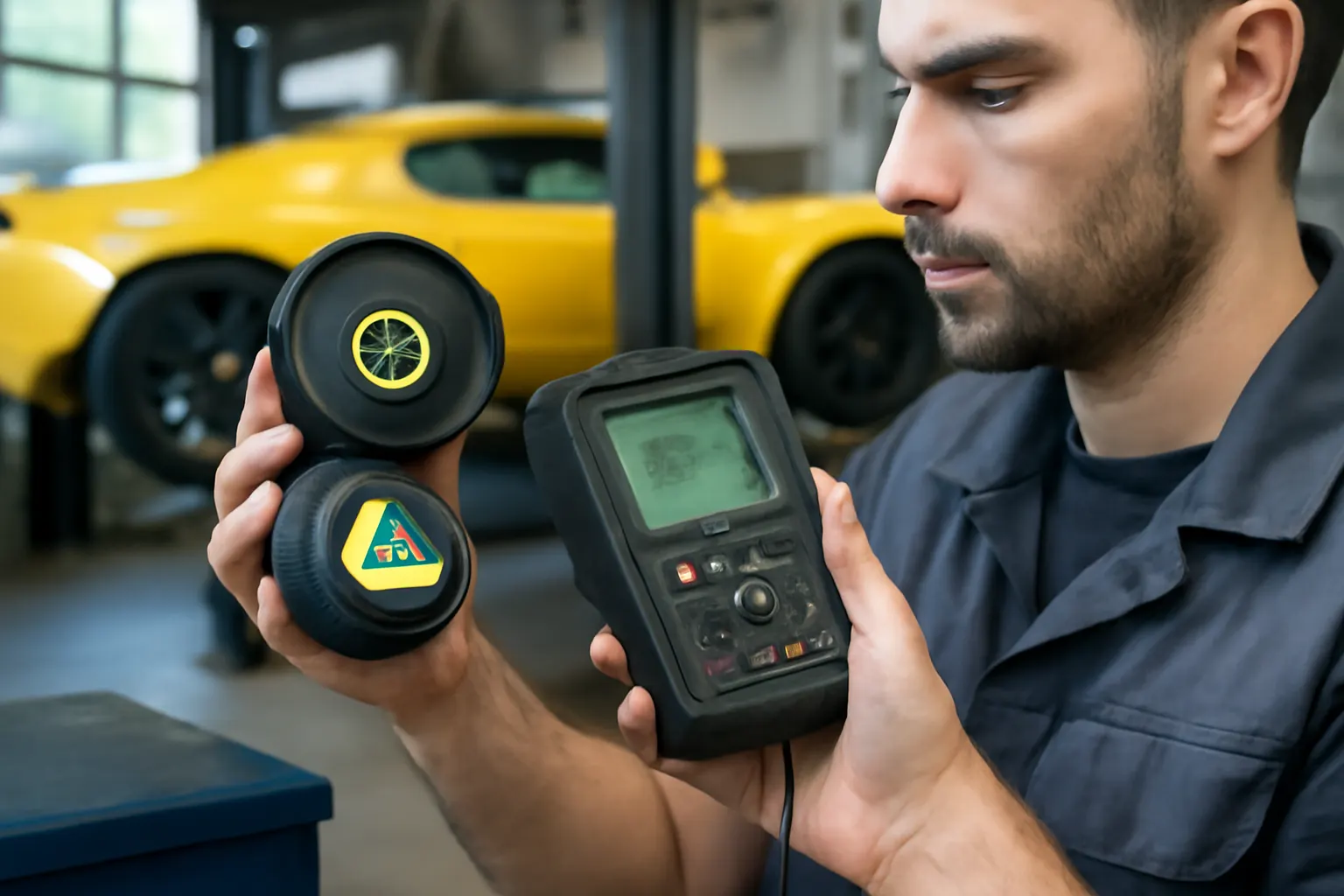
Spotting Counterfeit Lotus Parts: Expert Advice
Counterfeit Lotus parts are an increasing threat to vehicle performance, safety, and long-term value. Whether you’re restoring a classic Esprit, maintaining a modern Evora, or simply keeping your Elise in peak condition, knowing how to spot non-genuine parts is crucial. This expert guide from AutoPartEx will arm you with practical identification techniques, show you why the risk is higher than ever, and provide step-by-step advice to ensure every Lotus part you buy delivers the quality and engineering Lotus is known for.
Read More
Lotus Model Compatibility Chart
For Lotus owners, technicians, and enthusiasts, understanding which parts can be interchanged across Elise, Exige, and Evora models is essential for maintenance, upgrades, and restoration. This comprehensive guide delivers a detailed compatibility chart, diagnostic checklists, and in-depth technical explanations to help you make informed decisions—whether you’re sourcing a replacement suspension arm or planning a drivetrain upgrade.
View Guide
Lotus Service Intervals: What to Know
For Lotus owners and enthusiasts, keeping your sports car in peak condition requires more than just passion—it demands a precise, proactive approach to service intervals. Whether you drive an Elise, Exige, Evora, or another Lotus model, understanding the recommended maintenance schedule is critical to ensuring reliability, performance, and safety. This guide delivers a detailed breakdown of Lotus service intervals, covering timing belts, suspension, fluids, and more, so you can drive with confidence and preserve your vehicle’s engineering heritage.
Read More