Lincoln Mark LT Auto Parts
Essential Guidance for Lincoln Mark LT Auto Parts Buyers
When it comes to maintaining your Lincoln Mark LT, knowing where to start with auto parts can be daunting. Many owners overlook the importance of understanding not just what to buy, but how to verify part quality, compatibility, and safety. This guide helps you navigate the essentials, offering practical steps and evidence-based advice so you can confidently care for your vehicle and make informed purchasing decisions.
Advertisement
0 Lincoln Mark LT Auto Parts
No Products Found
We're currently updating our inventory for Lincoln Mark LT parts.
Please check back soon or contact us for specific part availability.
More Lincoln Mark LT options
Filtering for Lincoln Mark LTBrowse nearby inventory for this model without leaving the page. Use search to filter by price, part number, or city.
No Data Available
Please check back soon when more inventory is available for this part.
Advertisement
Why Lincoln Mark LT Owners Should Rethink Parts Shopping
Many Lincoln Mark LT owners focus on price or brand when shopping for replacement parts, but there’s a crucial aspect that often goes unnoticed: the process for verifying part compatibility and safety. While it’s tempting to assume that all parts labeled for your model will fit seamlessly, the reality is far more complex. Overlooking these details can lead to wasted money, unexpected downtime, or even safety risks. Understanding the broader context of auto part selection can help you avoid these pitfalls and keep your Mark LT running smoothly.
Another overlooked consideration is how recent safety recalls or manufacturer updates might affect your parts choices. Even if your vehicle seems to be running well, unaddressed recalls or outdated components can compromise reliability and safety. It’s not just about fixing what’s broken—it’s about ensuring every replacement part meets current standards and recommendations. This mindset can make a significant difference in your ownership experience, especially as your Lincoln Mark LT ages.
Finally, many drivers underestimate the value of documentation and clear communication with repair professionals. From written estimates to repair orders, these records are more than paperwork—they’re your best defense against misunderstandings and subpar repairs. By approaching parts shopping with a focus on verification, safety, and documentation, you’ll be better equipped to make smart, lasting decisions for your Lincoln Mark LT.
Understanding the Real Challenges in Lincoln Mark LT Parts Selection
The process of selecting the right auto parts for your Lincoln Mark LT involves more than just matching a part number or trusting a catalog listing. Vehicles—even those from the same model year—can have variations due to mid-year updates, regional differences, or previous repairs. This complexity means that relying solely on generic listings or visual similarities can lead to purchasing incompatible or suboptimal parts. For a vehicle like the Mark LT, which shares some components with other Ford and Lincoln models, this risk is even higher.
Safety recalls add another layer of complexity. According to the National Highway Traffic Safety Administration (NHTSA), recall information is specific to each vehicle’s VIN and may not appear in general model searches. This means that a part you’re considering might be affected by a recall that hasn’t been addressed on your particular vehicle. Without checking your VIN against the latest recall data, you could unknowingly install a component with a known safety issue, putting yourself and others at risk NHTSA: Vehicle Recalls.
The challenge doesn’t end with recalls. The Federal Trade Commission (FTC) advises consumers to distinguish between new, remanufactured, and salvage parts, as each comes with different levels of reliability and warranty coverage. Salvage parts, for example, are taken from another vehicle without alteration, which can introduce unknown wear or compatibility issues. This makes it essential to ask questions about the origin and condition of any part you consider for your Lincoln Mark LT FTC: Auto Repair Basics.
Documentation is another area where many owners fall short. The FTC recommends obtaining a written repair estimate that details the condition to be repaired, the parts required, and anticipated labor charges. This step is often skipped in the rush to get back on the road, but it’s crucial for protecting your interests. Without proper documentation, disputes over what work was performed or which parts were used can become difficult to resolve, especially if problems arise later.
Another common issue is failing to compare shop recommendations with the manufacturer’s maintenance schedule. Some repair shops may suggest additional services or parts replacements that go beyond what Lincoln recommends for the Mark LT. While extra maintenance isn’t always unnecessary, it’s important to understand why it’s being proposed and whether it aligns with your vehicle’s actual needs. This approach helps you avoid overspending and ensures your maintenance dollars are well spent.
Finally, many Lincoln Mark LT owners are unaware that there is no standard warranty on repairs or replacement parts. Warranty coverage can vary widely depending on the part’s origin and the seller’s policies. Failing to clarify warranty terms before purchase can leave you unprotected if a part fails prematurely. Always ask for warranty details in writing and keep all receipts and repair orders for future reference. This level of diligence is key to long-term satisfaction and cost control.
Practical Steps for Smart Lincoln Mark LT Parts Selection and Service
Start by gathering your Lincoln Mark LT’s essential information, including the exact model year, trim, and VIN. The VIN is especially important for checking recall status and ensuring precise part compatibility. You can find your VIN on the lower left of your windshield, your registration, or insurance card. Use this number to search for open recalls or manufacturer communications specific to your vehicle NHTSA: Vehicle Recalls. This step helps you avoid purchasing or installing parts that may be subject to safety recalls or technical updates.
When considering replacement parts, always ask the seller or shop whether the part is new, remanufactured, or salvage. Each type has its pros and cons. New parts generally offer the highest reliability and may come with better warranty coverage. Remanufactured or rebuilt parts can be a cost-effective option if sourced from reputable suppliers, but it’s important to verify their condition and warranty. Salvage parts should be used with caution, as their history and wear are often unknown FTC: Auto Repair Basics.
Obtain a written repair estimate before authorizing any work. The estimate should clearly identify the condition to be repaired, the parts needed, and the anticipated labor charges. This documentation not only helps you understand the scope and cost of the repair but also provides a reference point if issues arise later. For expensive or complicated repairs, consider seeking a second opinion from another qualified shop, especially one with experience servicing Lincoln vehicles.
After the repair or part replacement, request a completed repair order that lists the work performed, the parts used (including part numbers and whether they are new, remanufactured, or salvage), the costs, and your vehicle’s odometer reading. Keep this documentation for your records. It can be invaluable for warranty claims, future diagnostics, or when selling your vehicle. Detailed records also help establish a history of proper maintenance, which can enhance the resale value of your Lincoln Mark LT.
Compare any recommended repairs or parts replacements with the maintenance schedule in your owner’s manual. If a shop suggests additional services, ask them to explain why these are necessary and how they relate to your driving conditions or vehicle history. This approach ensures that you’re not paying for unnecessary work and that your Lincoln Mark LT receives the care it truly needs. Don’t hesitate to ask for clarification or supporting evidence for any recommendation that goes beyond the manufacturer’s guidelines.
Before finalizing your purchase, clarify the warranty coverage on any replacement part. Ask for the terms in writing and understand what is covered, for how long, and under what conditions. Some parts may come with limited or no warranty, especially if they are salvage or sourced from less established sellers. Knowing the warranty terms upfront can save you frustration and expense if a part fails prematurely.
If you’re shopping online or through a catalog, use the available search tools to filter parts by your Lincoln Mark LT’s exact year, trim, and engine type. Double-check compatibility notes and, when in doubt, contact the seller for confirmation. Many reputable sellers offer customer support to help verify fitment. Taking the time to confirm compatibility helps avoid returns, installation delays, and potential damage to your vehicle.
Finally, stay proactive by regularly checking for new recalls or manufacturer communications related to your Lincoln Mark LT. The NHTSA recommends checking for recalls twice a year, as new information is added continuously. Signing up for recall alerts or using the SaferCar app can help you stay informed and ensure that your vehicle remains as safe and reliable as possible NHTSA: Vehicle Recalls.
What the Experts and Official Sources Say About Parts and Repairs
The National Highway Traffic Safety Administration (NHTSA) provides a comprehensive overview of the recall process and its implications for vehicle owners. According to their guidance, recall information is VIN-specific, and searching by model alone may not reveal all open recalls relevant to your Lincoln Mark LT. This means that even if a part appears compatible based on model year or catalog listings, it could still be subject to a recall that only affects certain vehicles. The NHTSA recommends checking your VIN regularly to ensure that your vehicle is free of unrepaired recalls and to receive timely updates about new safety issues NHTSA: Vehicle Recalls.
The NHTSA also outlines the roles of manufacturers, regulators, and owners in the recall process. Manufacturers are required to notify registered owners of recalls and provide a remedy—typically a repair, replacement, or refund—at no cost. Owners are responsible for following up on recall notices and arranging for repairs. This process underscores the importance of keeping your contact information up to date and registering your Lincoln Mark LT with the manufacturer. By doing so, you ensure that you receive timely notifications about any parts or systems that may require attention due to safety concerns NHTSA: Vehicle Recalls.
The Federal Trade Commission (FTC) offers general consumer advice on auto repairs, emphasizing the importance of documentation and informed decision-making. The FTC recommends that consumers obtain written repair estimates, ask about the origin and condition of replacement parts, and understand the terms of any warranty coverage. While these guidelines are not specific to the Lincoln Mark LT, they provide a solid framework for any vehicle owner seeking to protect their investment and ensure high-quality repairs FTC: Auto Repair Basics.
The FTC further distinguishes between new, remanufactured, and salvage parts, noting that each type comes with different reliability and warranty implications. Salvage parts, in particular, are sourced from other vehicles without alteration, which can introduce unknown risks. The FTC advises consumers to ask detailed questions about any part’s history and to get all promises in writing. This approach is especially relevant for Lincoln Mark LT owners considering used or recycled components, as it helps mitigate the risk of premature failure or compatibility issues FTC: Auto Repair Basics.
While neither the NHTSA nor the FTC provides Lincoln Mark LT-specific technical specifications or failure statistics, their published advice highlights the need for vigilance and proactive research. For example, the NHTSA’s recall database can be searched by VIN to reveal any outstanding safety issues, while the FTC’s guidance on documentation and warranty terms applies broadly to all makes and models. By following these best practices, Lincoln Mark LT owners can make more informed decisions and reduce the risk of costly mistakes.
It’s important to note that neither source guarantees fitment or performance for any particular replacement part. Catalog listings and online compatibility tools are helpful starting points, but they do not replace the need for direct verification with the seller or manufacturer. The NHTSA and FTC both encourage consumers to seek clarification and supporting evidence when in doubt. This means that Lincoln Mark LT owners should not rely solely on catalog names or third-party listings to determine compatibility or quality.
In summary, the available evidence from the NHTSA and FTC supports a cautious, well-documented approach to auto parts selection and repair. While there are no published statistics or case studies specific to the Lincoln Mark LT in these sources, their guidance is clear: verify compatibility and recall status using your VIN, document all transactions and repairs, and understand the warranty terms before making a purchase. These steps, while sometimes time-consuming, are essential for maintaining the safety, reliability, and value of your Lincoln Mark LT.
Take the Next Step Toward Confident Lincoln Mark LT Ownership
With a clear understanding of the challenges and best practices for selecting Lincoln Mark LT auto parts, you’re ready to make informed, confident decisions. Start by gathering your vehicle’s details and checking for open recalls using your VIN. Document every repair and part purchase, and don’t hesitate to ask questions about compatibility, condition, and warranty coverage. By following these steps, you’ll protect your investment and ensure that your Lincoln Mark LT continues to deliver the performance and reliability you expect. For more resources and to explore available parts, visit our dedicated Lincoln Mark LT page.
References
- NHTSA: Vehicle Recalls
- FTC: Auto Repair Basics
References
- NHTSA: Vehicle Recalls - NHTSA, accessed 2026-11-01
- FTC: Auto Repair Basics - FTC, accessed 2026-11-01
Related Guides & Articles
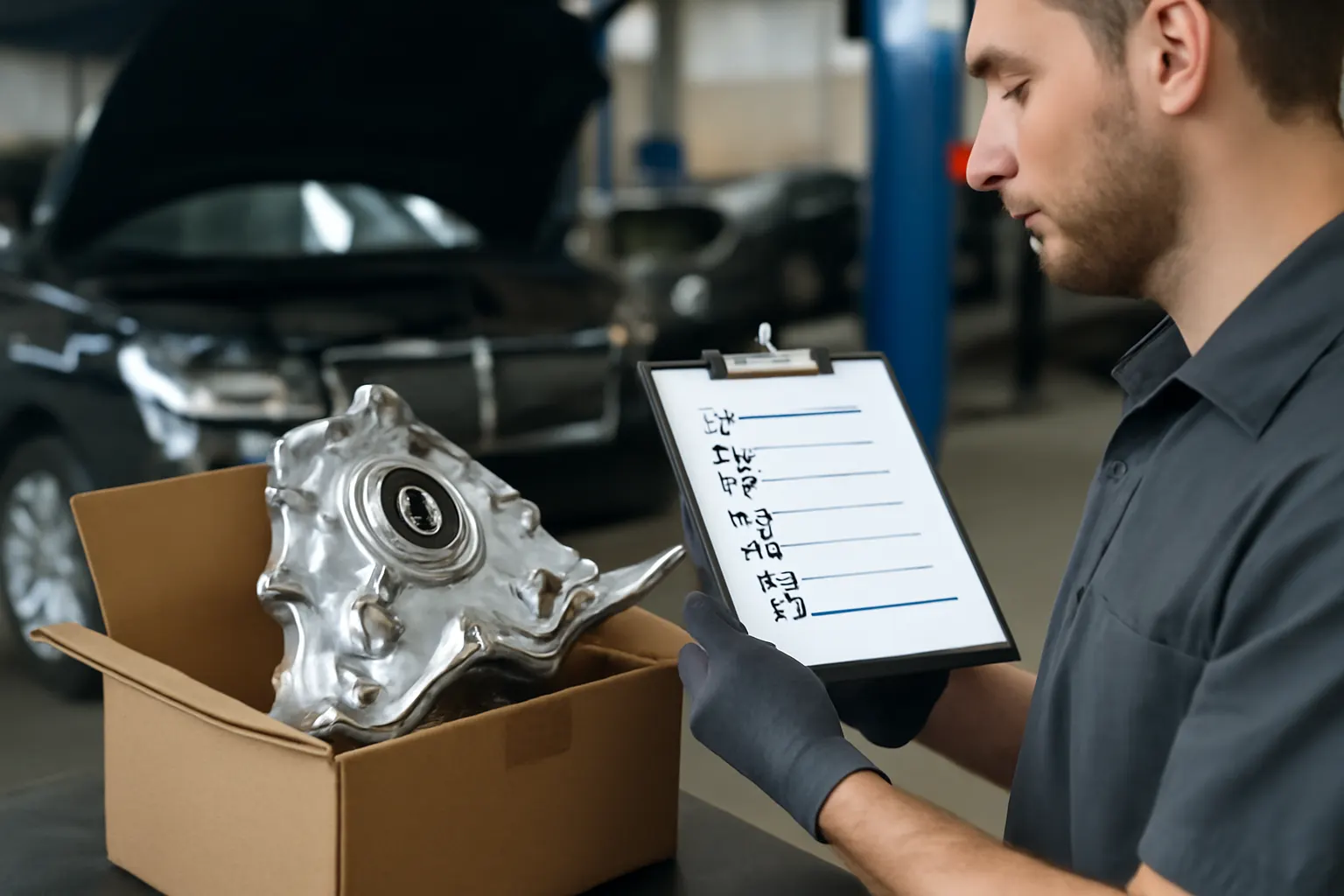
Spotting Genuine Lincoln Parts: Owner’s Checklist
When it comes to maintaining the luxury, performance, and safety of your Lincoln, using genuine OEM parts is not just a preference—it’s a necessity. Counterfeit and substandard components can compromise everything from fuel efficiency to critical safety systems. This comprehensive checklist from AutoPartEx arms Lincoln owners with the expertise to distinguish authentic parts from imitations, ensuring your vehicle receives only the quality it deserves. Genuine Lincoln parts are specifically engineered to match the original manufacturing specifications of your vehicle.
Read More
Lincoln Recall Trends: What Owners Should Know
Lincoln owners expect a blend of luxury, engineering, and enduring reliability. But even the most meticulously designed vehicles can face recalls due to evolving safety standards, complex component sourcing, or emerging data from the field. This comprehensive guide delivers immediate, actionable answers about recent Lincoln recall trends, affected systems, and the crucial steps every owner should take. Whether you drive a Continental, Navigator, Aviator, or Corsair, understanding recall dynamics is vital for your safety and your Lincoln’s long-term value.
Read More
Lincoln Fitment & Compatibility Guide
Mastering Lincoln fitment and compatibility ensures you always select the right OEM or aftermarket part—protecting safety, performance, and value. This comprehensive guide from AutoPartEx is your definitive resource for matching Lincoln parts to any model year, from classic Continentals to the latest Aviator hybrids. Whether you’re a DIY owner, shop technician, or professional parts buyer, this guide will demystify Lincoln fitment, highlight hidden pitfalls, and provide step-by-step solutions for sourcing, verifying, and installing compatible components.
View Guide
Lincoln Maintenance Schedule & Service Intervals
Lincoln vehicles are engineered for luxury, safety, and performance, but even the best-built models rely on regular maintenance to keep critical systems functioning. Neglecting service intervals can result in diminished fuel efficiency, compromised safety equipment, and accelerated wear on high-value components. By following a strict maintenance schedule, you maximize your Lincoln’s lifespan, maintain warranty compliance, and preserve the refined driving experience that defines the brand.
View Guide