
Lincoln Auto Parts
Lincoln OEM Parts: Heritage, Engineering, and Fitment | AutoPartEx
Lincoln, the luxury division of Ford Motor Company, stands as a hallmark of American automotive craftsmanship. Known for blending advanced engineering with timeless styling, Lincoln vehicles—from the Continental and Navigator to the Aviator and Corsair—require precision-fit components to maintain their performance and luxury appeal. Owners and technicians alike turn to authentic Lincoln parts to preserve ride comfort, advanced safety systems, and the refined driving experience that defines the brand.
Many Lincoln owners are unaware of the specific risks involved with sourcing non-genuine or poorly matched replacement parts. Counterfeit components, discontinued lines for older models, and parts designed for Ford platforms but lacking Lincoln-specific refinements can introduce subtle fitment and longevity issues. Scarcity for aging flagship sedans and SUVs further complicates repairs, leading some to compromise with substandard substitutes or mismatched aftermarket offerings.
Lincoln models often feature unique engineering requirements—such as adaptive suspension calibrations, proprietary electrical modules, and specialized interior finishes. Unlike mainstream Ford vehicles, Lincoln’s luxury features may require parts with additional insulation, different material specifications, or calibration data embedded in electronics. Compatibility issues can arise when generic or cross-brand parts are used, potentially leading to electrical faults, NVH (noise, vibration, harshness) increases, or even safety system malfunctions. These risks are heightened in models with advanced driver assistance or hybrid powertrains.
The most reliable way to ensure proper function and preserve value is to source OEM or carefully vetted aftermarket Lincoln parts. Begin by researching your model’s build codes and production year, as Lincoln frequently updates component specs mid-cycle. Use diagnostic tools to confirm part numbers and calibration requirements, especially for modules and sensors. For up-to-date fitment strategies and sourcing best practices, explore our Lincoln Fitment & Compatibility Guide and the Spotting Genuine Lincoln Parts: Owner’s Checklist. Rely on trusted suppliers who document authenticity and offer clear model compatibility, especially for aging platforms and recalls.
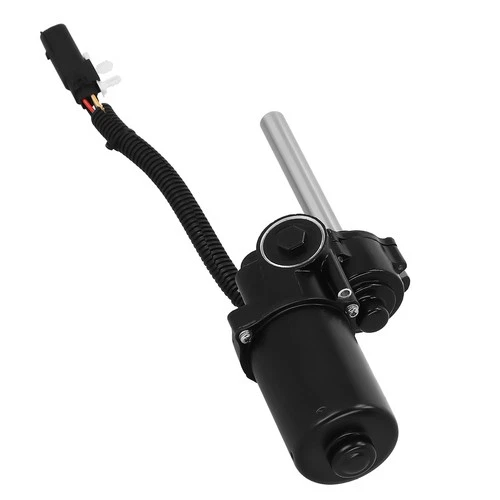
Showing 2 of 2 products

More Lincoln parts
Filtering for LincolnBrowse nearby Lincoln inventory without leaving this page. Use search to filter by price, part number, or city.
No Data Available
Please check back soon when more inventory is available for this part.
Engineering Excellence & Technical Specifications
Lincoln’s engineering philosophy emphasizes the pursuit of quietness, smoothness, and effortless power delivery. This is achieved through multi-layer acoustic glazing, adaptive ride control, and the use of advanced materials such as lightweight alloys and high-tensile steel. These engineering choices not only enhance performance, but also require specialized replacement parts to preserve NVH (noise, vibration, and harshness) characteristics. Lincoln’s commitment to exceeding regulatory standards—such as FMVSS for crashworthiness and SAE benchmarks for component durability—demands that every part be manufactured and tested to exacting specifications.
Parts availability for Lincoln models varies depending on production cycles and market demand. While some components are shared with Ford platforms, many critical systems—like air suspension, interior electronics, and trim—are unique to Lincoln. As flagship models age, sourcing becomes more challenging, with discontinued parts commanding premium prices or disappearing from standard supply chains. This scarcity underscores the importance of early research and the use of VIN-specific compatibility checks. Even for current models, mid-cycle updates and running changes can render older parts incompatible, making accurate part number verification essential.
The risk of counterfeit or substandard parts is a significant concern for Lincoln owners and service professionals. Counterfeit components may lack the necessary branding, security features, or even proper material composition, potentially compromising vehicle safety and performance. Owners should inspect packaging for Lincoln holograms, verify part numbers against official databases, and avoid sources that do not offer return policies or traceable supply chains. In addition, referencing official recall notices from agencies like NHTSA can help identify parts that have been superseded or recalled due to manufacturing defects.
A comprehensive sourcing strategy for Lincoln parts combines thorough model research, VIN decoding, and consultation with reputable suppliers. For rare or out-of-production components, seeking NOS (new old stock) or certified used parts may be necessary. Service intervals—such as 30,000-mile recommendations for filters and fluids, or 60,000-mile checks for suspension bushings—should be documented alongside part provenance for future maintenance. Leveraging advanced diagnostic tools ensures proper coding of electronic modules, while platforms like AutoPartEx provide access to hard-to-find OEM parts and community-driven compatibility insights, supporting both professional technicians and dedicated Lincoln owners.
Lincoln Parts & Service Information
Basic Lincoln Filter Replacement
Replace cabin air and engine filters at 30,000-mile intervals using OEM or verified aftermarket parts to maintain air quality and engine performance. Always match the filter to your vehicle’s VIN for proper fitment.
Suspension Bushing Inspection
Inspect suspension bushings every 60,000 miles for cracks, excessive movement, or wear. Use Lincoln OEM bushings for best ride quality and NVH performance. Document replacement dates for service history.
Electronic Module Programming
When replacing control modules on modern Lincolns, use a Lincoln-compatible scan tool to code part numbers and calibrate sensors. This ensures proper function of driver-assistance and infotainment systems.
Hybrid System Diagnostic Check
For hybrid Aviator or MKZ models, run a full system diagnostic every 12 months. Check battery health, cooling systems, and high-voltage wiring with Lincoln-approved tools.
References
- Vehicle, Car Seat, Tire, and Equipment Recalls - National Highway Traffic Safety Administration, accessed 2024-06-01Supports Lincoln recall processes, part authenticity, and safety standards.
- Fuel Efficiency - United States Department of Energy, accessed 2024-06-01Supports Lincoln’s focus on efficiency, hybrid systems, and materials technologies.
- Materials Technologies - United States Department of Energy, accessed 2024-06-01Supports Lincoln’s use of advanced materials and engineering for performance and safety.
Related Guides & Articles

Lincoln Fitment & Compatibility Guide
Master the art of identifying compatible Lincoln OEM and aftermarket parts for every model year with our comprehensive fitment guide. Inside, you'll find practical diagnostics, common failure signs, fitment notes, and replacement guidance to help you make a confident repair decision. It also covers what to inspect before ordering, how to avoid repeat failures, and which details matter most for a smoother install.
View Guide
Spotting Genuine Lincoln Parts: Owner’s Checklist
Avoid counterfeits with our expert tips for recognizing authentic Lincoln packaging, part numbers, and supplier red flags. Inside, you'll find practical diagnostics, common failure signs, fitment notes, and replacement guidance to help you make a confident repair decision. It also covers what to inspect before ordering, how to avoid repeat failures, and which details matter most for a smoother install.
Read More
Lincoln Maintenance Schedule & Service Intervals
Stay ahead of costly repairs with our detailed Lincoln maintenance and service interval guide covering all major models. Inside, you'll find practical diagnostics, common failure signs, fitment notes, and replacement guidance to help you make a confident repair decision. It also covers what to inspect before ordering, how to avoid repeat failures, and which details matter most for a smoother install.
View Guide
Lincoln Recall Trends: What Owners Should Know
Explore recent Lincoln recall patterns, affected components, and how to verify if your vehicle is covered by NHTSA campaigns. Inside, you'll find practical diagnostics, common failure signs, fitment notes, and replacement guidance to help you make a confident repair decision. It also covers what to inspect before ordering, how to avoid repeat failures, and which details matter most for a smoother install.
Read More