Spotting Genuine Lincoln Parts: Owner’s Checklist
When it comes to maintaining the luxury, performance, and safety of your Lincoln, using genuine OEM parts is not just a preference—it’s a necessity. Counterfeit and substandard components can compromise everything from fuel efficiency to critical safety systems. This comprehensive checklist from AutoPartEx arms Lincoln owners with the expertise to distinguish authentic parts from imitations, ensuring your vehicle receives only the quality it deserves.
If you’re looking for the complete range of authentic Lincoln components, start with our Lincoln OEM Parts: Heritage, Engineering, and Fitment | AutoPartEx category page. Here, you’ll find the latest fitment data, engineering insights, and OEM supplier information to support your search for genuine parts.
Why Genuine Lincoln Parts Matter Immediately
Genuine Lincoln parts are specifically engineered to match the original manufacturing specifications of your vehicle. This precision ensures seamless fitment, optimal performance, and sustained safety. Counterfeit or non-OEM components may seem like a bargain, but they introduce hidden risks that can undermine your Lincoln's reliability and long-term value.
Key Takeaway: Always prioritize OEM Lincoln parts for critical repairs and maintenance to guarantee that your vehicle operates as the original engineers intended.
The Hidden Problem: The Rise of Counterfeit Lincoln Parts
While online marketplaces and third-party sellers offer convenience and competitive prices, they have also fueled a surge in counterfeit auto parts. Lincoln owners are particularly at risk due to the brand’s reputation for quality and the higher price point of genuine components.
Common Counterfeit Issues:
- Substandard materials that fail under stress
- Incorrect fitment leading to installation challenges
- Lack of compliance with safety and performance standards
- Absence of manufacturer-backed quality assurance
The National Highway Traffic Safety Administration (NHTSA) warns that counterfeit parts can jeopardize vehicle safety, sometimes with catastrophic results. Even seemingly minor components—like sensors or fasteners—play a critical role in the integrity of your Lincoln’s systems NHTSA Vehicle Safety and Equipment.
What’s at Stake: Safety, Performance, and Longevity
Using non-genuine or counterfeit Lincoln parts isn’t just a matter of aesthetics or brand loyalty. The consequences can be far-reaching:
- Safety Risks: Fake airbags, brake pads, or sensors may malfunction, putting occupants at risk.
- Reduced Efficiency: Non-OEM parts can degrade fuel economy and emissions performance, as outlined by the Department of Energy DOE Fuel Efficiency.
- Warranty Implications: Many warranties are voided when counterfeit or non-approved parts are installed.
- Vehicle Value: Authentic parts help preserve resale value, while mismatched or fake components can lower it significantly.
Understanding these risks is the first step in making informed purchasing decisions for your Lincoln.
The Lincoln Owner’s Checklist: Spotting Genuine OEM Parts
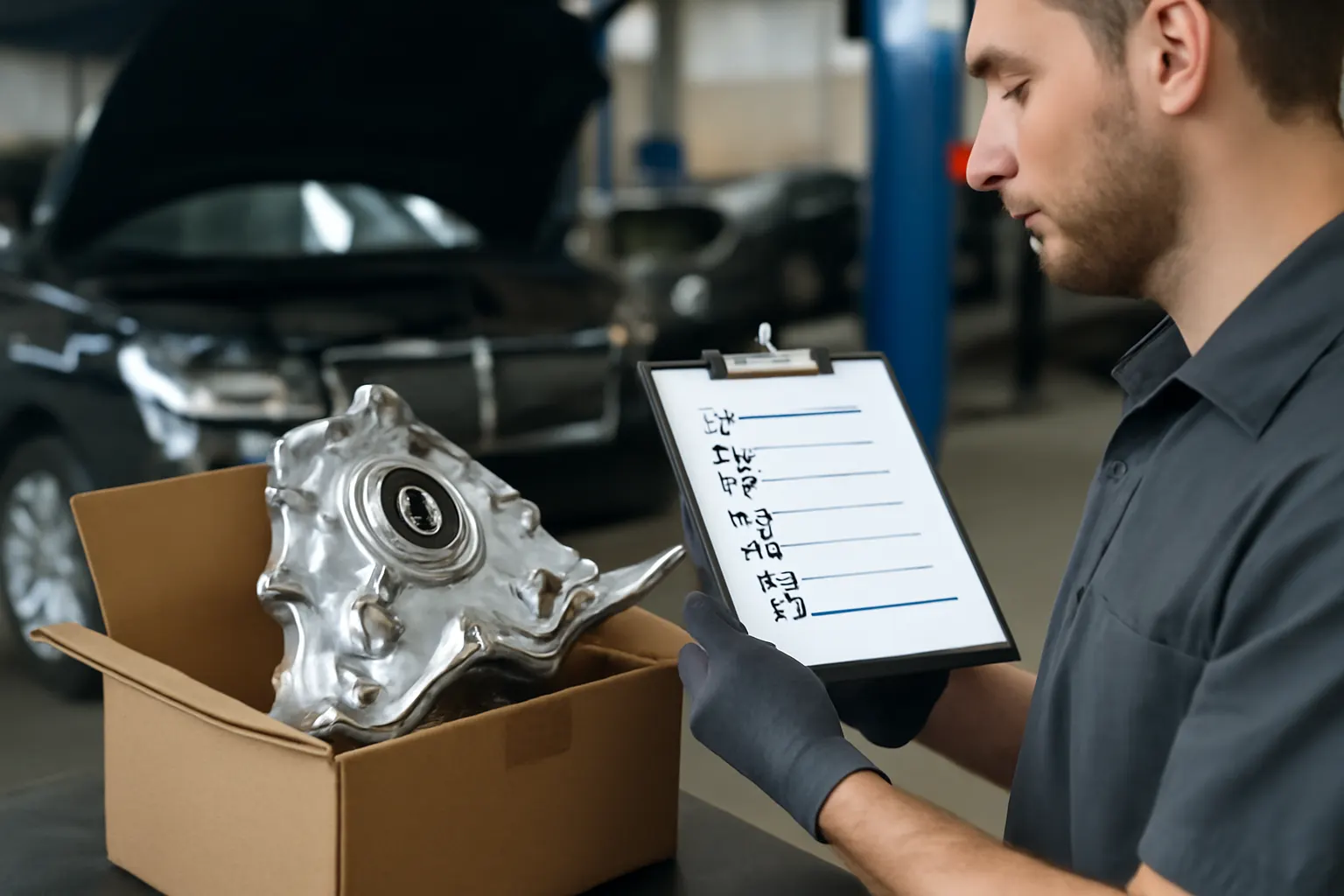
Use this checklist every time you purchase a replacement part for your Lincoln, whether online, at a dealership, or from a local supplier.
1. Packaging and Labeling
- Official Lincoln Branding: Genuine parts always feature the Lincoln or Ford logo, not just on the part but on the packaging.
- High-Quality Packaging: OEM packaging is robust, with crisp printing, barcodes, and detailed part information.
- Seals and Holograms: Many genuine Lincoln parts include tamper-evident seals or holographic labels.
2. Part Numbers and Markings
- Correct Part Number: Cross-check the part number with your owner’s manual, dealership, or the Lincoln Fitment & Compatibility Guide.
- Consistent Markings: Look for engraved or molded numbers, not stickers or printed labels that can be easily removed.
- Date and Batch Codes: Authentic parts often include manufacturing dates and batch codes for traceability.
3. Supplier and Source
- Authorized Dealers: Purchase from Lincoln dealerships or verified OEM suppliers.
- Reputable Online Platforms: Use platforms that guarantee authenticity and provide clear return policies.
- Red Flags: Be wary of prices that are significantly lower than market averages or sellers with limited transaction history.
4. Physical Quality and Fitment
- Material Quality: Examine the weight, finish, and construction. Genuine parts use premium materials as specified by Lincoln and SAE standards SAE Standards.
- Exact Fit: OEM parts should install without modification or force.
- No Excess Flash or Burrs: Counterfeits often have rough edges, casting marks, or inconsistent finishes.
5. Documentation and Support
- Instruction Sheets: Genuine parts typically include detailed installation guides.
- Warranty Information: OEM parts are backed by manufacturer warranties—counterfeits rarely are.
- Customer Support: Authentic suppliers provide technical support and fitment verification.
How to Decode Lincoln Part Numbers
Lincoln part numbers follow a specific alphanumeric format that encodes the vehicle model, part type, and revision. Understanding this system is crucial for verifying authenticity and ensuring correct fitment.
Key Elements of Lincoln Part Numbers
- Prefix: Indicates vehicle line or system (e.g., “BL3Z” for certain F-Series/Lincoln models).
- Core Number: Identifies the specific part or assembly.
- Suffix: Denotes revisions or special characteristics.
Example: BL3Z-19A706-B (where “19A706” might indicate a climate control component).
Verification Tip: Always cross-reference part numbers using the official Lincoln or Ford catalog, or consult the Lincoln Fitment & Compatibility Guide.
The Role of SAE and NHTSA Standards in Lincoln Part Quality
Lincoln OEM parts are engineered to meet rigorous standards set by SAE International and enforced by the NHTSA. These standards govern everything from material composition to performance under stress.
- SAE Standards: Define the engineering requirements for automotive parts, ensuring consistency, safety, and interoperability SAE Standards.
- NHTSA Regulations: Mandate safety-critical features and performance benchmarks for vehicle equipment NHTSA Vehicle Safety and Equipment.
Counterfeit parts rarely meet these standards, increasing the risk of premature failure or safety system malfunction.
Physical Inspection: Telltale Signs of Counterfeit Parts
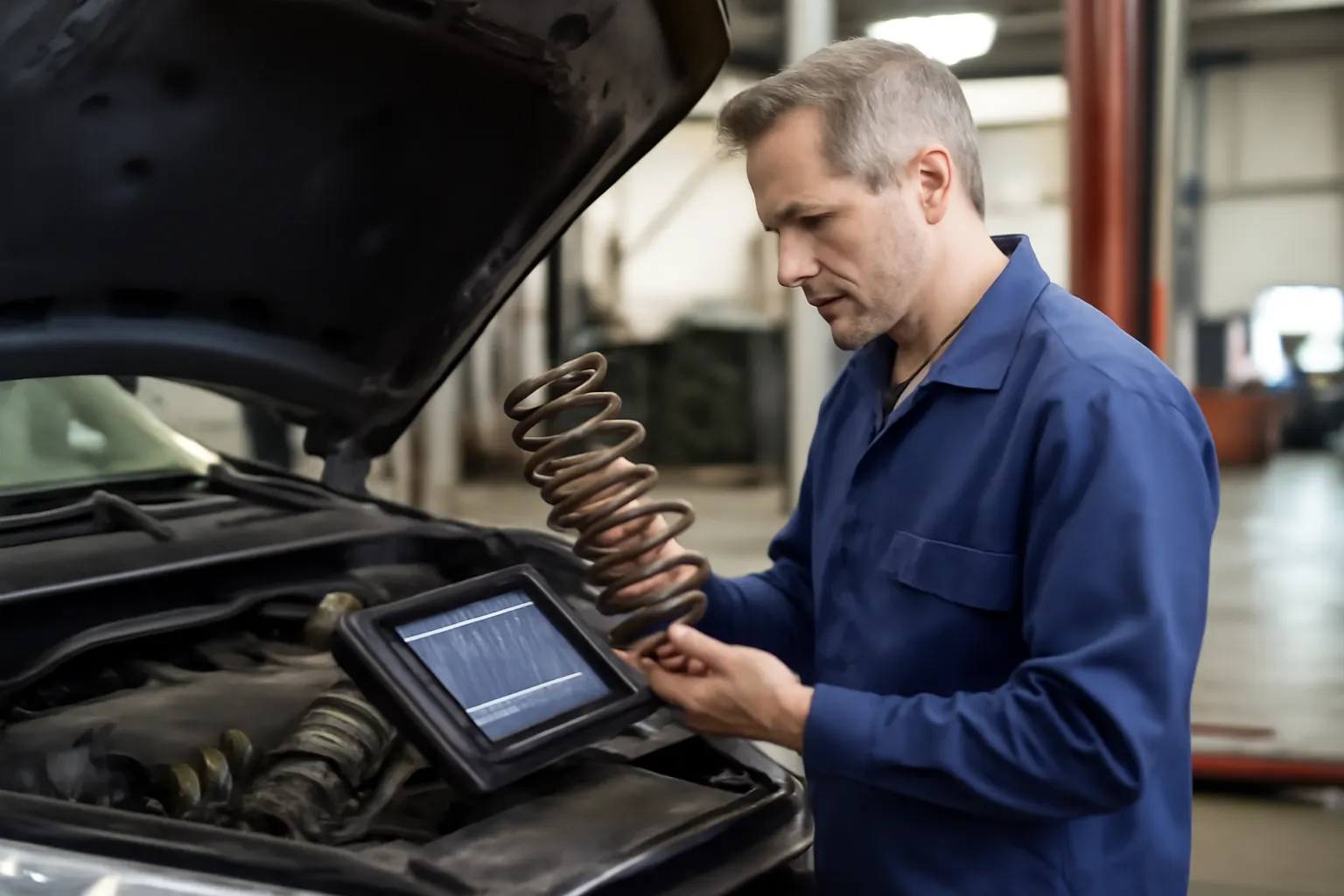
A hands-on inspection remains one of the most effective ways to spot fakes. Here’s what to look for:
Visual and Tactile Checks
- Imperfect Logos or Fonts: Genuine Lincoln logos are precisely rendered; counterfeits often feature blurry or off-brand graphics.
- Color and Finish: OEM parts have uniform color and surface texture; fakes may appear dull or uneven.
- Weight: Subpar materials make counterfeits lighter or heavier than authentic parts.
- Assembly Quality: Check for loose components, misaligned holes, or weak fasteners.
Fitment Trial
- Test Fit: Before full installation, check that the part aligns perfectly with mounting points and connectors.
- No Modifications Needed: If you need to alter the part or vehicle, it’s likely not genuine.
Supplier Verification: How to Choose the Right Source
Selecting the right supplier is as important as inspecting the part itself. Here’s how to vet your sources:
Checklist for Supplier Credibility
- Lincoln Dealerships: The safest option for new, genuine parts.
- OEM-Authorized Online Retailers: Look for badges or certifications from Lincoln or Ford.
- Independent Shops: Ask for documentation proving the source of their inventory.
- Return and Warranty Policies: Reputable suppliers stand behind their products.
- Customer Reviews: Consistent high ratings and transparent feedback are good indicators.
Warning: If a deal seems too good to be true, it probably is. Counterfeiters often lure buyers with steep discounts and fake “clearance” sales.
Diagnostic Consequences: What Happens When You Install a Fake?
The risks of counterfeit parts extend beyond initial installation. Here’s what can go wrong:
- Sensor Errors: Non-OEM sensors and modules may trigger warning lights or cause system malfunctions.
- Performance Drop: Engine, transmission, or suspension parts can degrade handling, ride quality, and fuel economy DOE Fuel Efficiency.
- Safety Hazards: Faulty brake, airbag, or steering components can fail in emergencies, putting lives at risk.
- Electrical Issues: Poor-quality connectors or wiring can short out, leading to further damage or fire hazards.
If you suspect a counterfeit part has been installed, consult your Lincoln service technician immediately for a full diagnostic check.
Installation and Maintenance: Ensuring Long-Term Authenticity
Once you’ve sourced a genuine Lincoln part, proper installation and maintenance are key to maximizing its lifespan and performance.
Installation Best Practices
- Follow Manufacturer Instructions: Use the included guide or consult the Lincoln Maintenance Schedule & Service Intervals for torque specs and procedures.
- Use Proper Tools: Avoid damaging the part or surrounding components.
- Document the Installation: Keep receipts, warranty cards, and installation notes for future reference.
Maintenance Tips
- Regular Inspections: Check installed parts during routine maintenance for signs of wear or tampering.
- Software Updates: For electronic modules, ensure software is updated per Lincoln recommendations.
- OEM Fluids and Accessories: Support new parts with compatible fluids, filters, and accessories.
Fitment and Compatibility: Why “Close Enough” Isn’t Good Enough
Generic or “universal” parts rarely match the precise fit and function of Lincoln OEM components. Even slight deviations can lead to:
- Vibration and Noise: Poorly fitted parts can create rattles, squeaks, or excessive vibration.
- Alignment Issues: Suspension and steering components require exact geometry to maintain handling and safety.
- Premature Wear: Misfit parts can accelerate wear elsewhere, leading to cascading failures.
Use the Lincoln Fitment & Compatibility Guide to confirm exact compatibility before purchasing or installing any part.
Staying Ahead: Monitoring Recalls and Safety Notices
Even genuine OEM parts can be subject to recalls or technical service bulletins. Staying informed protects your investment and your safety.
How to Stay Updated
- NHTSA Database: Regularly check the Vehicle, Car Seat, Tire, and Equipment Recalls database for Lincoln-specific updates.
- Lincoln Owner Resources: Sign up for notifications through Lincoln’s official channels.
- AutoPartEx Recall Trends: Review our editorial on Lincoln Recall Trends: What Owners Should Know for analysis and proactive advice.
Respond promptly to any recall notice to ensure your Lincoln remains safe and compliant.
The AutoPartEx Advantage: Your Trusted Source for Lincoln OEM Parts
At AutoPartEx, we understand that Lincoln owners demand more than just parts—they expect assurance, expertise, and fitment precision. Our curated inventory is sourced exclusively from authorized OEM suppliers, ensuring every component meets Lincoln’s engineering standards and regulatory requirements.
Why Choose AutoPartEx?
- Verified OEM and OES (Original Equipment Supplier) inventory
- Up-to-date fitment and compatibility data
- Technical support from ASE-certified experts
- Transparent return and warranty policies
For a seamless experience and total peace of mind, explore our Lincoln OEM Parts: Heritage, Engineering, and Fitment | AutoPartEx category page.
Expert Action: What to Do Next
- Inspect Your Current Parts: Use the checklist above to evaluate any recent installations.
- Source Only from Verified Suppliers: Avoid the temptation of “bargain” listings and stick with trusted sources.
- Document Everything: Keep a record of part numbers, suppliers, and installation dates for reference.
- Consult Experts: When in doubt, contact a Lincoln-certified technician or reach out to AutoPartEx technical support for assistance.
Your Lincoln represents a significant investment in luxury and engineering excellence. Protect it by insisting on genuine parts, following best practices, and leveraging the resources available through AutoPartEx.