Lincoln LS Auto Parts
What Lincoln LS Owners Should Know Before Buying Replacement Parts
When shopping for Lincoln LS replacement parts, many owners overlook the importance of documented repair and recall history. Understanding these details can help you avoid unnecessary costs and ensure your vehicle’s safety. This guide breaks down what to check before you buy, how to interpret official recommendations, and the best steps for making informed, confident decisions about Lincoln LS parts and repairs. For more focused reading, explore Spotting Genuine Lincoln Parts: Owner’s Checklist and Lincoln Recall Trends: What Owners Should Know.
Most Lincoln LS owners searching for replacement parts focus on price and availability, but there’s a critical consideration that often gets missed: the vehicle’s repair and recall history. While it’s tempting to grab the lowest-priced part, overlooking official documentation or recall status can lead to wasted money, additional repairs, or even safety risks. Understanding what’s been recalled, what’s been serviced, and how to verify part compatibility is essential for a trouble-free repair experience.
For many drivers, the process of buying parts starts with a quick online search or a visit to a local parts store. However, without checking your Lincoln LS’s unique vehicle identification number (VIN) for open recalls or reviewing past repairs, you might inadvertently purchase a part that’s unnecessary or incompatible. This step is especially important for older vehicles like the Lincoln LS, where maintenance history can vary widely between individual cars.
It’s also common for owners to assume that all parts labeled for a Lincoln LS will fit every model year or trim. In reality, subtle differences in production runs, updates, or previous repairs can affect which parts are truly compatible. Before you buy, taking a few minutes to gather the right information and understand the broader context can save time, money, and frustration down the road.
One of the most significant but often overlooked risks for Lincoln LS owners is purchasing a replacement part for a problem that has already been addressed by a manufacturer recall or previous repair. The National Highway Traffic Safety Administration (NHTSA) highlights that recalls are issued when a vehicle or part fails to meet safety standards or poses an unreasonable risk. However, not every Lincoln LS will be affected by the same recalls, and not every recall will still be open or relevant to your specific car NHTSA: Vehicle Recalls.
When you search for recalls using your Lincoln LS’s VIN, you’ll see only those that are still open and unrepaired. This means that if a previous owner already fixed a recalled component, it won’t appear in your search results. As a result, buying a part to address a problem that’s already been professionally remedied could be a waste of resources. It’s crucial to distinguish between general recall information and your vehicle’s actual repair needs.
Advertisement
0 Lincoln LS Auto Parts
No Products Found
We're currently updating our inventory for Lincoln LS parts.
Please check back soon or contact us for specific part availability.
More Lincoln LS options
Filtering for Lincoln LSBrowse nearby inventory for this model without leaving the page. Use search to filter by price, part number, or city.
No Data Available
Please check back soon when more inventory is available for this part.
Advertisement
Why Lincoln LS Owners Should Look Beyond Price When Buying Parts
Most Lincoln LS owners searching for replacement parts focus on price and availability, but there’s a critical consideration that often gets missed: the vehicle’s repair and recall history. While it’s tempting to grab the lowest-priced part, overlooking official documentation or recall status can lead to wasted money, additional repairs, or even safety risks. Understanding what’s been recalled, what’s been serviced, and how to verify part compatibility is essential for a trouble-free repair experience.
For many drivers, the process of buying parts starts with a quick online search or a visit to a local parts store. However, without checking your Lincoln LS’s unique vehicle identification number (VIN) for open recalls or reviewing past repairs, you might inadvertently purchase a part that’s unnecessary or incompatible. This step is especially important for older vehicles like the Lincoln LS, where maintenance history can vary widely between individual cars.
It’s also common for owners to assume that all parts labeled for a Lincoln LS will fit every model year or trim. In reality, subtle differences in production runs, updates, or previous repairs can affect which parts are truly compatible. Before you buy, taking a few minutes to gather the right information and understand the broader context can save time, money, and frustration down the road.
Understanding the Real Risks: Recalls, Repairs, and Compatibility
One of the most significant but often overlooked risks for Lincoln LS owners is purchasing a replacement part for a problem that has already been addressed by a manufacturer recall or previous repair. The National Highway Traffic Safety Administration (NHTSA) highlights that recalls are issued when a vehicle or part fails to meet safety standards or poses an unreasonable risk. However, not every Lincoln LS will be affected by the same recalls, and not every recall will still be open or relevant to your specific car NHTSA: Vehicle Recalls.
When you search for recalls using your Lincoln LS’s VIN, you’ll see only those that are still open and unrepaired. This means that if a previous owner already fixed a recalled component, it won’t appear in your search results. As a result, buying a part to address a problem that’s already been professionally remedied could be a waste of resources. It’s crucial to distinguish between general recall information and your vehicle’s actual repair needs.
Another layer of complexity comes from the diversity of parts available for the Lincoln LS. Aftermarket, remanufactured, and salvage parts each have their own advantages and drawbacks, but not all are suitable for every situation. The Federal Trade Commission (FTC) advises consumers to ask whether a technician has experience with their specific make and model, as even small differences can affect fitment and performance FTC: Auto Repair Basics.
Complicating matters further, the Lincoln LS has seen various updates and changes across its production years. A part that fits a 2000 model may not be compatible with a 2006 version, even if both are labeled as LS components. This makes it especially important to verify part numbers, compare shop recommendations with the manufacturer’s maintenance schedule, and ask for clarification when extra services or parts are proposed.
Documentation is another area where many owners fall short. Without a completed repair order or detailed service history, it’s difficult to know which parts have already been replaced, whether the work was done to manufacturer standards, or if additional repairs are truly necessary. This lack of information can lead to redundant purchases or missed opportunities to address underlying issues.
Finally, there’s the issue of warranty and coverage. The FTC points out that there is no standard warranty on repairs, and coverage can vary widely between shops and part suppliers. Understanding what’s covered—and getting it in writing—can protect you from unexpected costs if a replacement part fails or doesn’t resolve the issue. This is especially relevant for Lincoln LS owners who may be considering used or salvage parts, where guarantees are often limited or nonexistent.
A Step-by-Step Guide to Making Smart Lincoln LS Parts Decisions
To avoid common pitfalls and make the best choices for your Lincoln LS, start by gathering your vehicle’s VIN. This 17-character number, found on the lower left of your windshield or on your registration card, is the key to unlocking your car’s specific recall and repair history. With your VIN in hand, visit the official NHTSA recall database to check for any open recalls that apply to your exact vehicle. This step ensures you’re not buying a part to fix a problem that should be addressed for free by the manufacturer NHTSA: Vehicle Recalls.
Next, review your Lincoln LS’s service records. If you don’t have a complete history, ask your repair shop for a printout of all completed work, including odometer readings and part numbers. This documentation will help you determine which components have already been replaced, whether repairs were performed according to manufacturer standards, and if any outstanding issues remain. If you’re buying a used Lincoln LS, request this information from the seller before making a purchase.
When it comes to selecting a replacement part, compare the options available: new, remanufactured, or salvage. New parts offer the greatest assurance of quality and compatibility, but they may be more expensive. Remanufactured or rebuilt parts can be a cost-effective alternative, provided they come from a reputable source and are backed by a clear warranty. Salvage parts, which are removed from other vehicles without alteration, can be useful for non-critical components, but they typically offer little or no guarantee FTC: Auto Repair Basics.
Before authorizing any repair, get a written estimate that clearly identifies the condition to be repaired, the parts needed, and anticipated labor charges. This estimate should also specify whether the parts are new, remanufactured, or salvage, and include the part numbers for reference. For expensive or complicated repairs, consider seeking a second opinion from a shop that has experience with Lincoln LS vehicles. This can help you avoid unnecessary work and ensure you’re getting the best value for your money.
Don’t forget to compare the shop’s recommendations with the Lincoln LS maintenance schedule found in your owner’s manual. If the shop suggests additional services or parts beyond what the manufacturer recommends, ask for a clear explanation. Sometimes extra work is justified by your vehicle’s age, mileage, or driving conditions, but it’s important to understand the rationale before committing to additional expenses.
After the repair is completed, request a detailed repair order listing all work performed, parts installed, costs, and the vehicle’s odometer reading. This documentation not only helps you track your Lincoln LS’s maintenance history but also provides valuable evidence if you need to make a warranty claim or sell the vehicle in the future. Keep these records in a safe place and bring them to future service appointments for reference.
If you’re considering doing the repair yourself, double-check that the part you’re buying matches your Lincoln LS’s year, trim, and engine configuration. Many online parts catalogs allow you to search by VIN or specific model details to ensure compatibility. When in doubt, contact the seller or manufacturer for confirmation before making a purchase. This extra step can prevent costly returns or installation headaches.
Finally, remember that there is no standard warranty on repairs or parts, especially for used or salvage components. Always ask about the terms of coverage before you buy, and get any guarantees in writing. This is particularly important for Lincoln LS owners who may be sourcing parts from multiple suppliers or considering aftermarket alternatives. A clear understanding of warranty terms can save you from unexpected expenses if a part fails prematurely.
What the Official Guidance and Records Actually Show
The National Highway Traffic Safety Administration (NHTSA) provides the most authoritative source for recall and safety information on vehicles sold in the United States. According to their official guidance, searching by your Lincoln LS’s VIN will reveal any open, unrepaired recalls specific to your car. This means that if a previous owner or dealer already addressed a recall, it won’t appear in the results. The NHTSA also notes that some recently announced recalls may not be linked to all VINs immediately, so it’s wise to check back regularly for updates NHTSA: Vehicle Recalls.
It’s important to understand what the NHTSA recall database does not show. The database will not display recalls that have already been repaired, safety recalls more than 15 years old (unless the manufacturer offers extended coverage), or recalls conducted by small or specialty manufacturers. For Lincoln LS owners, this means that relying solely on a model-year or general recall search may not give you the full picture. Always use your specific VIN for the most accurate results, and supplement this with service records when available.
The NHTSA also outlines the process by which recalls are initiated and managed. Manufacturers are required to notify registered owners by mail within 60 days of a recall decision and must offer a remedy—typically a free repair, replacement, or refund. However, if you purchase a Lincoln LS part to address a recall issue that is still open, you may be paying for something the manufacturer is obligated to fix at no cost. This underscores the importance of checking recall status before buying parts or authorizing repairs NHTSA: Vehicle Recalls.
The Federal Trade Commission (FTC) offers additional consumer advice relevant to Lincoln LS owners. Their guidance emphasizes the value of getting a written repair estimate, identifying the parts needed and anticipated labor charges. The FTC also recommends asking whether technicians have experience with your specific make and model, as this can impact the quality and appropriateness of the repair. These are general best practices, not specific to the Lincoln LS, but they are especially important for vehicles with complex or model-specific components FTC: Auto Repair Basics.
Another key point from the FTC is the distinction between new, remanufactured, and salvage parts. New parts provide the highest assurance of fit and longevity, while remanufactured or rebuilt parts can be a cost-effective alternative if sourced from reputable suppliers. Salvage parts, which are simply removed from another vehicle, may be suitable for certain non-critical repairs but offer little in the way of warranty or quality assurance. The FTC does not claim that any particular type of part is best for the Lincoln LS; instead, it urges consumers to understand the differences and make informed choices based on their specific needs.
The FTC also stresses the importance of following the manufacturer’s recommended maintenance schedule, as outlined in the Lincoln LS owner’s manual. Comparing shop recommendations with this schedule can help you avoid unnecessary or redundant services. If a shop proposes additional work, ask for a clear explanation and consider seeking a second opinion. This approach is supported by the FTC’s general advice but is not based on any specific Lincoln LS repair case or technical bulletin.
Finally, both the NHTSA and FTC highlight the need for proper documentation. The NHTSA requires manufacturers to notify owners of recalls and provide remedies, while the FTC advises keeping detailed repair orders and warranty information. For Lincoln LS owners, maintaining a complete record of repairs, parts replacements, and recall actions is the best way to ensure your vehicle remains safe, reliable, and compliant with all applicable regulations.
Take Control of Your Lincoln LS’s Maintenance and Safety
Before buying your next Lincoln LS replacement part, take a few minutes to check your vehicle’s VIN for open recalls, review your repair documentation, and compare part options carefully. These steps will help you avoid unnecessary expenses, ensure compatibility, and keep your Lincoln LS running safely for years to come. For more information and to browse available parts, visit our dedicated Lincoln LS page.
References
- NHTSA: Vehicle Recalls
- FTC: Auto Repair Basics
References
- NHTSA: Vehicle Recalls - NHTSA, accessed 2026-11-01
- FTC: Auto Repair Basics - FTC, accessed 2026-11-01
Related Guides & Articles
Spotting Genuine Lincoln Parts: Owner’s Checklist
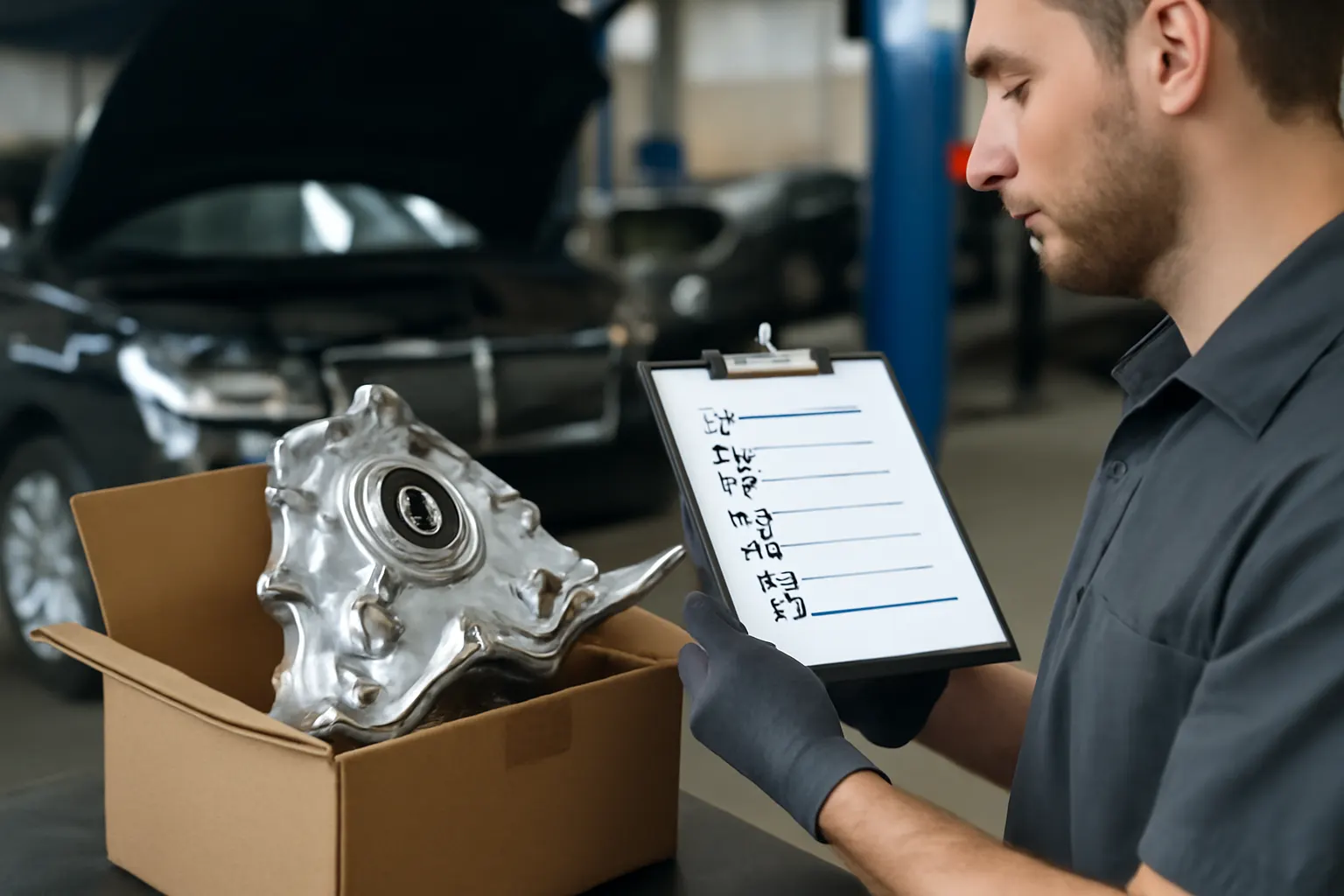
When it comes to maintaining the luxury, performance, and safety of your Lincoln, using genuine OEM parts is not just a preference—it’s a necessity. Counterfeit and substandard components can compromise everything from fuel efficiency to critical safety systems. This comprehensive checklist from AutoPartEx arms Lincoln owners with the expertise to distinguish authentic parts from imitations, ensuring your vehicle receives only the quality it deserves. Genuine Lincoln parts are specifically engineered to match the original manufacturing specifications of your vehicle.
Read More
Lincoln Recall Trends: What Owners Should Know
Lincoln owners expect a blend of luxury, engineering, and enduring reliability. But even the most meticulously designed vehicles can face recalls due to evolving safety standards, complex component sourcing, or emerging data from the field. This comprehensive guide delivers immediate, actionable answers about recent Lincoln recall trends, affected systems, and the crucial steps every owner should take. Whether you drive a Continental, Navigator, Aviator, or Corsair, understanding recall dynamics is vital for your safety and your Lincoln’s long-term value.
Read More
Lincoln Fitment & Compatibility Guide
Mastering Lincoln fitment and compatibility ensures you always select the right OEM or aftermarket part—protecting safety, performance, and value. This comprehensive guide from AutoPartEx is your definitive resource for matching Lincoln parts to any model year, from classic Continentals to the latest Aviator hybrids. Whether you’re a DIY owner, shop technician, or professional parts buyer, this guide will demystify Lincoln fitment, highlight hidden pitfalls, and provide step-by-step solutions for sourcing, verifying, and installing compatible components.
View Guide
Lincoln Maintenance Schedule & Service Intervals
Lincoln vehicles are engineered for luxury, safety, and performance, but even the best-built models rely on regular maintenance to keep critical systems functioning. Neglecting service intervals can result in diminished fuel efficiency, compromised safety equipment, and accelerated wear on high-value components. By following a strict maintenance schedule, you maximize your Lincoln’s lifespan, maintain warranty compliance, and preserve the refined driving experience that defines the brand.
View Guide